Location
Mount Vernon, WA 98274

Location
Mount Vernon, WA 98274
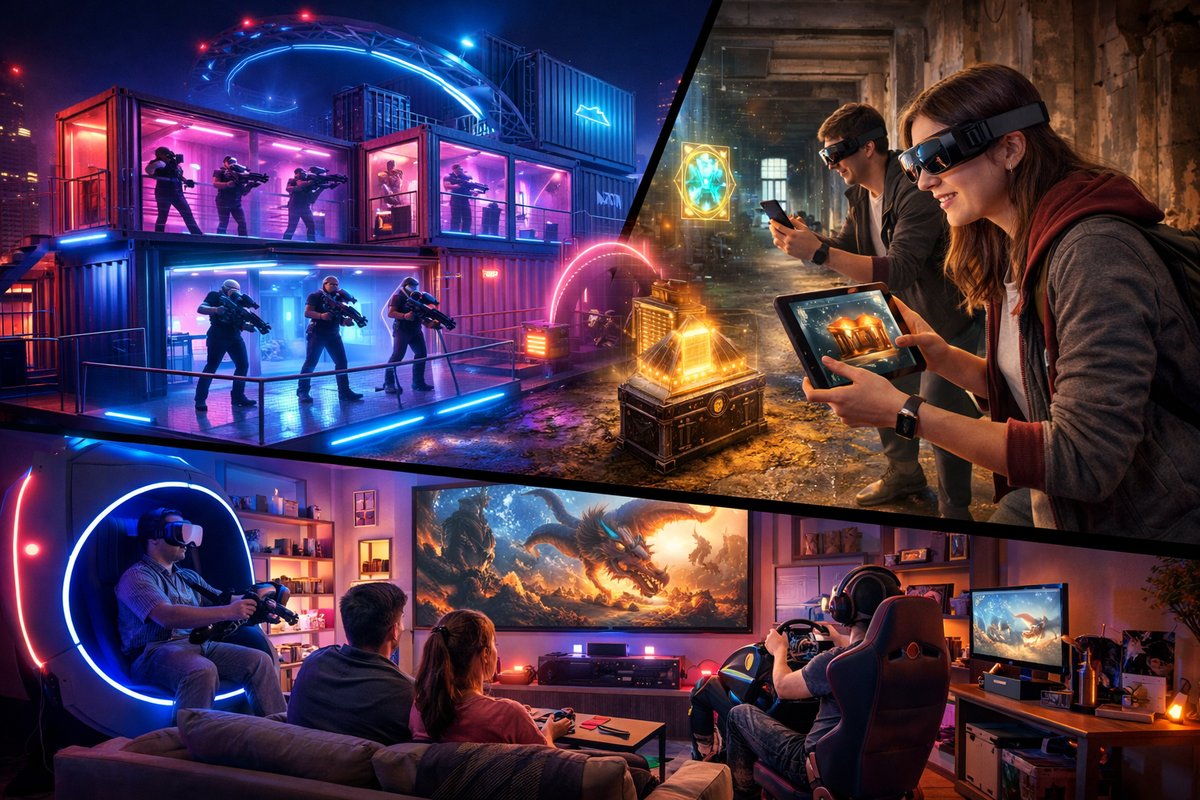
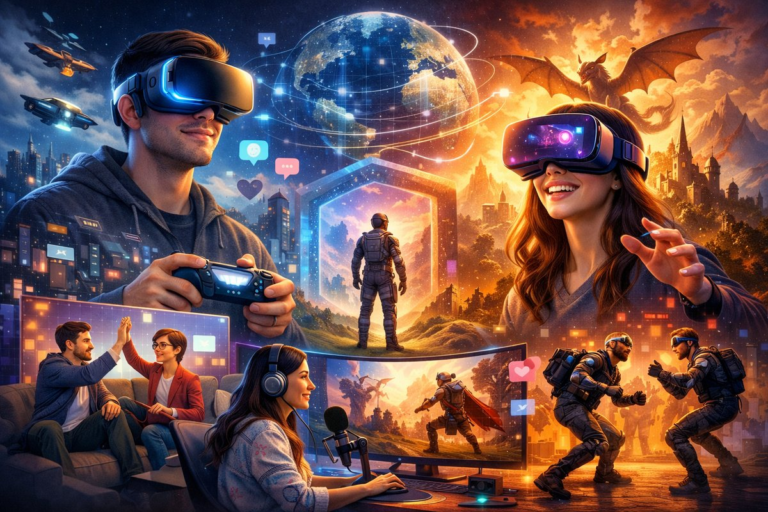
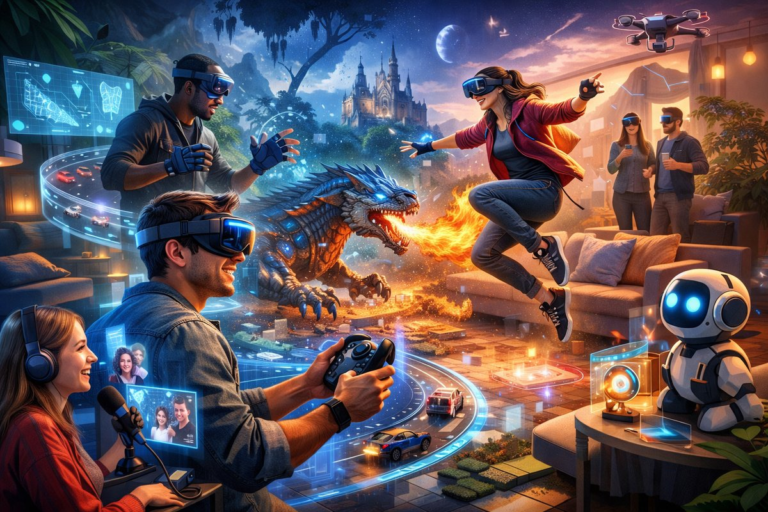
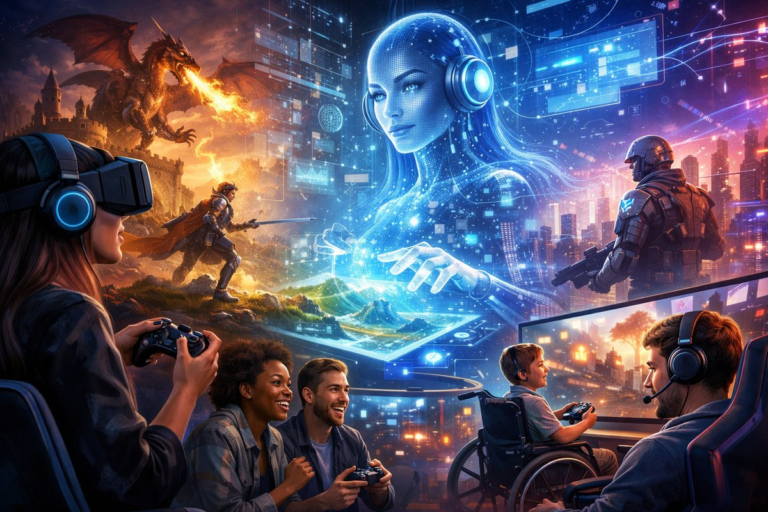
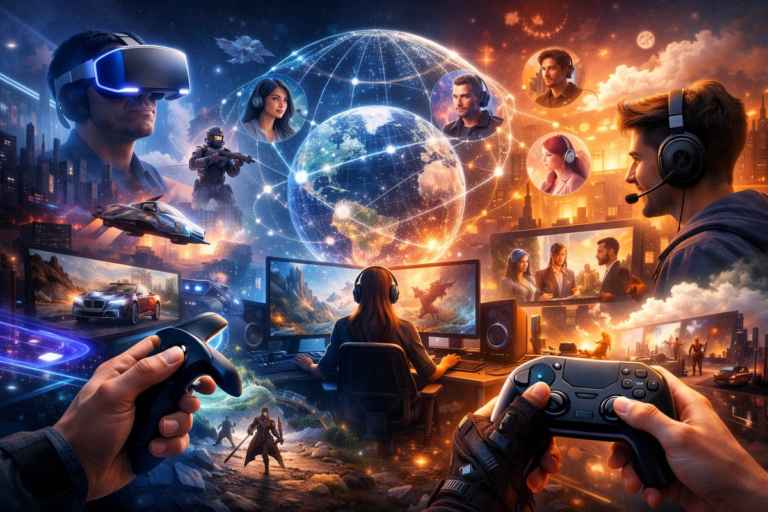
From neon-lit shipping-container arenas to DIY home gaming dens, a fresh breed of immersive experiences is redefining how we play. Across pop-up VR pods, AR scavenger hunts, and modular living-room setups, gamers are discovering novel ways to connect, compete, and unwind.
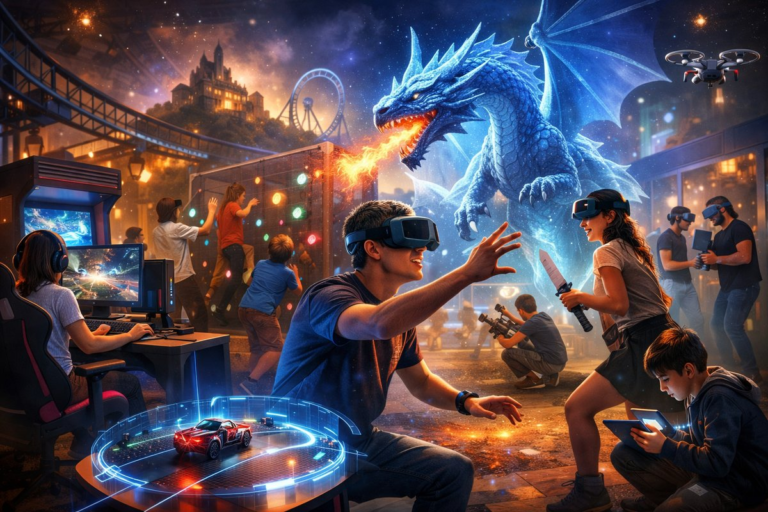
In a downtown alley under pulsing spotlights, a retrofitted shipping container hums with excitement. Inside, players don lightweight headsets and step into a virtual maze where walls shift at every turn. This isn’t your typical arcade-it’s a pop-up VR micro-arena designed for fast-paced team battles and photo-ready moments. Over the past year, such ephemeral gaming pods have sprouted in city centers, music festivals, and even corporate campuses, signaling a shift toward bite-sized, on-the-go play.
These “portable playgrounds” owe their rise to a convergence of accessible hardware, modular design, and social media’s appetite for shareable thrills. By packing powerful graphics cards, compact haptic feedback vests, and high-speed wireless networking into shipping containers, repurposed buses, or custom-built kiosks, startups can deploy immersive arenas almost anywhere. Some outfits have taken it a step further, turning RVs into rolling eSports lounges that tour college campuses or festivals, while others host daytime AR scavenger hunts in public parks using custom mobile apps and location-based storytelling.
Beyond the thrill of novelty, these micro-arenas tap into deeper desires. Players crave social interaction and competition, but many struggle to find communal spaces outside crowded arcades or pricey VR arcades. Pop-up pods offer a cost-effective alternative: no multi-year lease, no heavily manned staff, just plug, play, and pack up. They also cater to fleeting attention spans-sessions often run 15-20 minutes, making them ideal for casual audiences or newcomers dipping toes into virtual worlds.
At the same time, a parallel revolution is unfolding at home. Gamers are transforming spare rooms, basements, and even corner nooks into bespoke “play dens.” Modular shelving supports stacks of game cases, display shelves host collectible figurines, and adjustable desks accommodate both gaming rigs and streaming setups. LED strip lights trace room perimeters, shifting color with on-screen action or matching favorite teams. Soundproofing panels and wireless surround-sound speakers promise full immersion, while ergonomic chairs and compact tables ensure comfort during marathon sessions.
Do-it-yourself enthusiasts are also embracing open-source hardware. Kits for building custom arcade cabinets or racing simulators leverage 3D-printed parts, readily available joysticks, and reuse of old monitors. Online communities share CAD files for headset stands, cable-management trays, and modular wall-mounts specifically designed to hide messy cables. Some even hack existing smart-bulb systems to create game-synchronized lighting that pulses to audio cues or low-health alerts. By coupling sustainability with creativity, these makers breathe new life into discarded tech and foster a spirit of collaborative innovation.
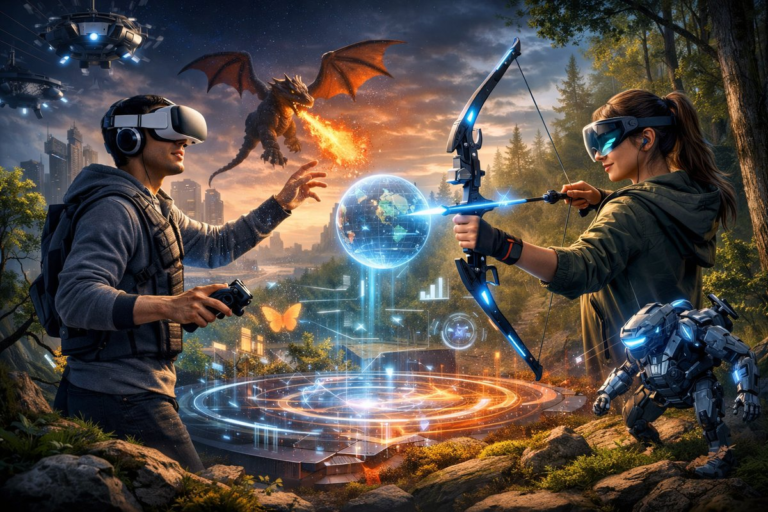
Yet immersive play isn’t confined to hardware alone. Entertainment venues are weaving interactive gaming into live shows, concerts, and festivals. Projection-mapped stages react to audience movements, while mobile apps let attendees vote on lighting schemes or unlock surprise performances. One recent music festival introduced a mixed-reality scavenger quest: attendees used AR apps to hunt hidden “Easter eggs” around the grounds, earning points redeemable for backstage passes or limited-edition merchandise.
Meanwhile, barcades-hybrid spaces combining craft cocktails with classic arcade cabinets-continue to flourish. Many have upgraded their menus to include game-themed drinks or shareable snack platters shaped like console controllers. Others host “controller hunts,” where patrons solve puzzles on retro machines to unlock drink specials or live-DJ sets. The communal buzz recalls classic arcades of old but with a modern twist: craft beer on tap, wireless charging stations, and cashless payment systems.
On the software front, developers are experimenting with micro-transactions that unlock room-scale expansions or real-world perks. Imagine earning an in-game badge during a VR battle and instantly redeeming it at a pop-up stand for a free energy drink. Or using AR to overlay tactical overlays onto board-game tables, adding digital character stats and animated effects without losing the tactile joy of rolling dice.
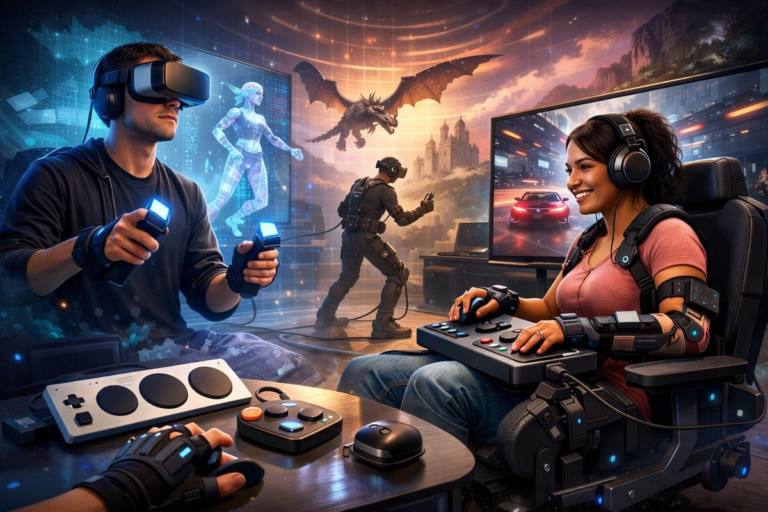
These innovations raise questions about sustainability and accessibility. Transporting modular pods across cities leaves a carbon footprint, and high-end VR hardware can strain consumer budgets. In response, some organizers offer solar-powered charging stations or partner with e-waste recyclers to responsibly retire older gear. Community-driven workshops teach low-cost approaches to immersive play: repurposing cardboard for headset adapters or using smartphone-based AR platforms that leverage hardware most people already own.
Educational institutions have taken note. Museums now host temporary VR installations that turn historical sites into interactive adventures, while science centers use AR sandbox tables to demonstrate geological processes in real time. Libraries lend portable gaming kits or VR headsets alongside books and multimedia, lowering barriers for families and students to experience cutting-edge tech.
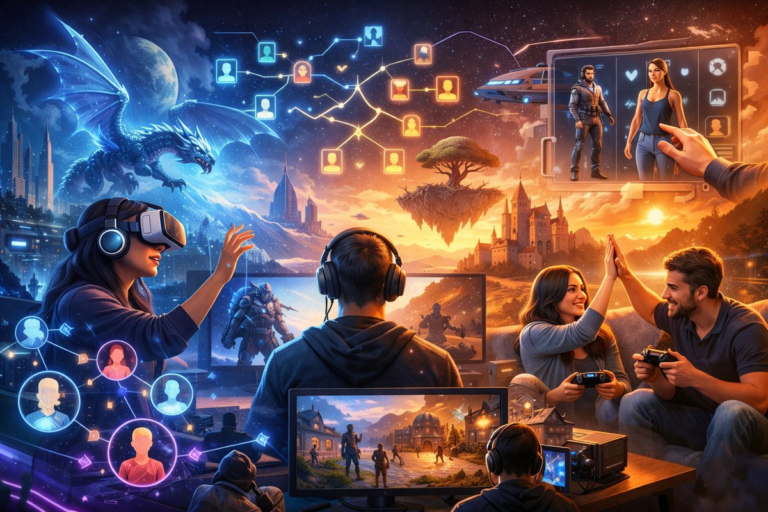
Even in living rooms, the lines between entertainment formats blur. Game streaming channels spotlight “watch parties” where viewers can influence a player’s in-game decisions via chat commands. Virtual living-room concerts invite fans to gather with friends online, donning avatars and enjoying 3D spatial audio in a digital lounge. Meanwhile, the rise of cloud-based gaming platforms promises to offload the need for expensive local hardware, streaming high-fidelity worlds to thin clients or mobile devices.
As these trends accelerate, the future of play looks less like static consoles and more like dynamic ecosystems. Pop-up shows, home arenas, community workshops, and digital-physical hybrids will coexist, each feeding off the other’s energy. Venues gain audience insights from streamed home play, while at-home gamers seek the communal thrills of live events. Indie developers find novel distribution channels in micro-arenas, and crowd-sourced mods transform mainstream titles into localized experiences.
What remains constant is the human impulse to gather, explore, and share stories through play. Whether stepping into a container-sized VR arena for a quick skirmish, hunkering down in a glow-lit gaming nook for an all-night raid, or chasing AR markers across a city block, players are discovering that fun isn’t just about pixels on a screen-it’s the spaces, the gear, the people, and the surprises that make each session memorable.
As the boundary between physical and digital continues to dissolve, one thing is clear: play is serious business. From sustainable DIY builds to solar-charged pop-up pods, the next chapter of interactive entertainment will be defined by adaptability, community spirit, and a willingness to reimagine how, when, and where we press “start.”