Location
Mount Vernon, WA 98274

Location
Mount Vernon, WA 98274
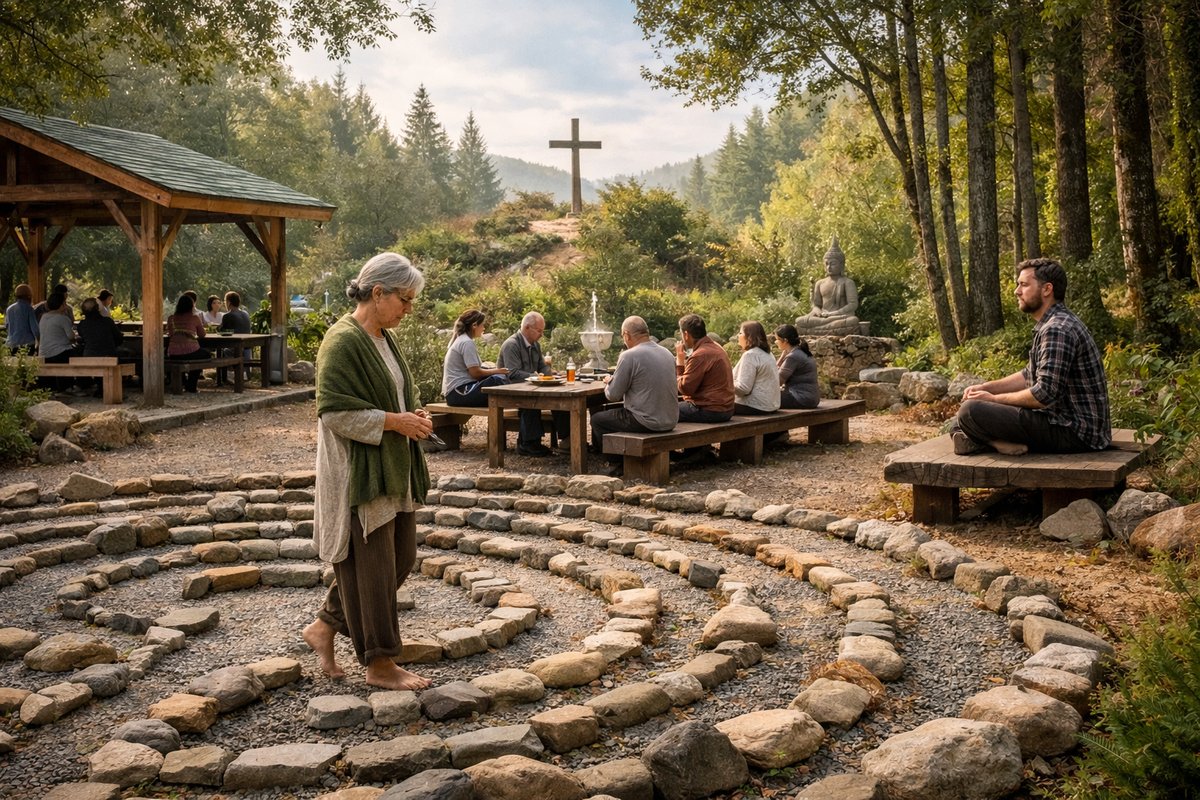
A growing number of churches are offering weekend "digital Sabbaths" to help congregants unplug, reflect, and restore spiritual balance. Combining ancient practices like labyrinth walks with eco-conscious materials and silent meals, these tech-free retreats are reshaping how modern believers find quiet courage in a hyperconnected world.
As screens pixelate daily life and notifications tug at every moment, a fresh wave of Christian communities is reclaiming the ancient practice of Sabbath through entirely tech-free retreats. Known as “digital Sabbaths,” these weekend gatherings invite participants to switch off smartphones and laptops, step away from social media, and rediscover the rhythms of prayer, rest, and face-to-face fellowship. What began as small experiments in rural monasteries has grown into a nationwide movement-one that blends centuries-old spiritual disciplines with modern concerns about burnout, mental health, and environmental stewardship.
In 2022, a survey by a leading research center found that more than sixty percent of American adults describe themselves as digitally overwhelmed, citing stress, sleep disruption, and fractured attention as top concerns. Recognizing this trend, church leaders from coast to coast have introduced 48-72 hour retreats where attendees consciously adopt a “no-tech” policy. Organizers report that participation has surged by over forty percent since early 2021, with urban congregations collaborating with retreat centers, campgrounds, and community gardens to host the events.
Typical itineraries blend guided walking labyrinths carved into fields or pavement with silent meals centered around simple, farm-to-table fare. Attendees gather at dawn for unhurried communal prayers and close each day with candlelit candlelit Vespers. Between these moments, there are opportunities for journaling under oak trees, listening to recorded nature sounds on battery-powered speakers, or gathering by a small campfire for impromptu reflections-always offline, always present.
“I never realized how tethered I was to my inbox until the first morning,” says one retreatant, a software developer who attended a weekend gathering in the foothills of Appalachia. “By midday, I was writing down prayers in a recycled-paper journal and actually hearing the birds. It felt like I’d been holding my breath for years.” Many participants describe vivid moments of clarity-an awareness of inner restlessness giving way to a surprising calm. Pastors who facilitate these retreats note that families, overwhelmed professionals, and even teenagers have reported reduced anxiety and improved focus on relationships once they return home.
This modern push for digital Sabbaths is more than self-help; it draws on a deep well of Christian history. Monastic communities in the early centuries practiced days of silence, communal chanting, and manual work as core disciplines. St. Benedict’s Rule, written in the sixth century, urged monks to maintain “sacred leisure” through liturgical prayer and rhythmic manual chores, ensuring neither idleness nor overwork. Today’s retreats echo these patterns by replacing email with meditation, social feeds with neighborly conversation, and web browsing with hands-on activities such as tending small gardens, chalking prayer labyrinths, or carving wooden crosses.
Environmental stewardship is an intentional theme woven through many digital Sabbaths. Retreat centers are increasingly sourcing meals from local farms, providing reusable utensils and plates, and encouraging carpooling or shuttle services to minimize carbon footprints. Materials used for activities-such as notebooks made from post-consumer paper, biodegradable garden gloves, or nonplastic water bottles-reflect a desire to honor God’s creation as well as the human spirit. One Southern California retreat site even installed a solar-powered charging station for essential medical devices, balancing the call to unplug with practical care for attendees who need uninterrupted power for health reasons.
While weekend getaways offer a concentrated experience, congregations are also experimenting with regular “tech Sabbaths” during Sunday worship services. Some churches distribute printed bulletins trimmed from recycled paper and discourage any screen use for the duration of the gathering. Others provide loaner pens and journals, setting aside a few moments for silent reflection after the sermon. A small Methodist congregation in the Pacific Northwest recently organized an eight-week “Sabbath Challenge,” encouraging families to commit one full day each week to being completely tech-free-no streaming, no social networks, no podcasts-just silence, shared meals, board games, and intentional prayer.
Leaders who champion these practices emphasize that the goal isn’t to vilify technology but to cultivate what they call “digital discernment.” By creating designated spaces and times for disconnection, believers learn to approach screens with renewed intention and balance. One retreat facilitator notes, “When we return from the woods or the silent hall, our devices should serve us rather than master us. The Sabbath resets that boundary.”
Challenges remain. Some newcomers find the initial withdrawal sharply uncomfortable; others struggle to reconcile work demands with tech-free commitments. Retreat organizers have addressed these hurdles by offering pre-retreat orientation sessions, providing emergency contact protocols, and ensuring clear guidelines for those with medical or family obligations. Many also suggest a gradual approach: start with a single evening of no tech, then build up to a full weekend as comfort grows.
Despite these complexities, the movement shows no signs of slowing. Retreat centers that once catered primarily to hiking clubs and meditation groups are now listing “digital Sabbath weekends” among their top offerings. Online forums and social media groups-ironically conducted with devices-aid people in planning their first tech-free experiences, sharing packing lists, testimonies, and pastoral reflections.
For those seeking to bring this ethos into daily life, community pastors recommend simple habits: designate a drawer or box as the “phone caddy” each evening, swap screen time for reading devotionals by lamplight, or replace background music apps with the hum of a real campfire at home. Churches are even forming peer support teams, texting reminders about upcoming inline-free gatherings and hosting potluck meals to celebrate progress.
As the digital Sabbath movement continues to gain momentum, it invites Christians across traditions to pause and ask: When did silence become scarce? How can wonder reenter a life dominated by blue light? And most importantly, how can stepping away from digital noise draw us closer to the still, small voice at the heart of faith? In carving out these pockets of intentional rest-rooted in ancient wisdom and animated by modern concerns-believers are discovering that real connection often happens when the screen goes dark.
Ultimately, these weekends of unplugging serve as a reminder that spiritual renewal doesn’t demand the latest app or device; it simply requires the courage to disconnect, to slow the scroll, and to let God’s presence fill the space we’ve freed.