Location
Mount Vernon, WA 98274

Location
Mount Vernon, WA 98274
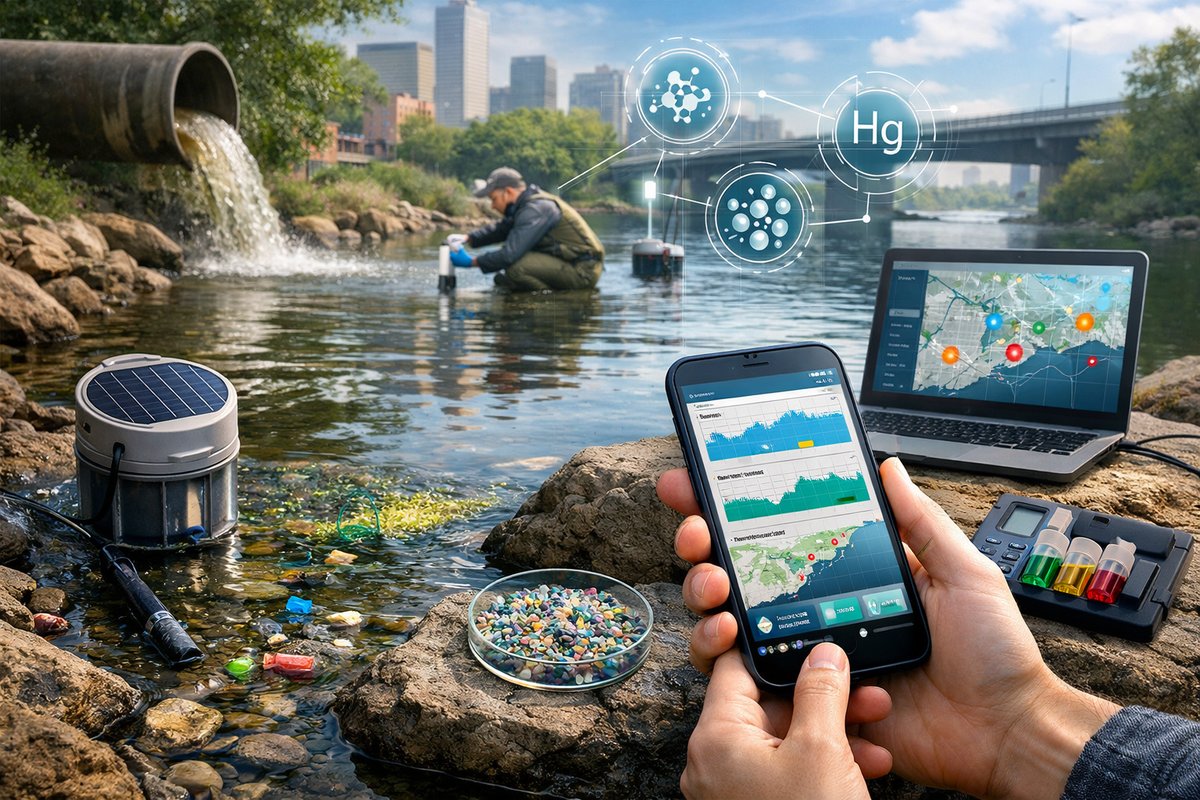
A growing network of low-cost, citizen-deployed sensors is revealing unexpected spikes in contaminants across city streams and rivers. By harnessing open data platforms and simple hardware, communities are pinpointing microplastic clumps, heavy-metal leaks, and seasonal bacterial blooms in real time.
In cities around the world, community scientists are transforming ordinary storm drains, culverts, and parkside streams into monitoring stations. Instead of waiting for infrequent government sampling cruises or lab-bound testing, volunteer engineers, teachers, and curious residents are deploying kits built from off-the-shelf modules. These DIY sensor networks are now generating high-resolution maps of water quality parameters, uncovering pollution hotspots that have gone unnoticed for decades.
This grassroots approach first gained traction when a handful of urban watershed groups began assembling Arduino-powered sensors to track pH, turbidity, and conductivity. Early experiments in mid-size cities revealed puzzling daily swings in cloudiness and acidity near parking lots and industrial zones. When combined with weather station readings, those fluctuations correlated with sudden runoff pulses during heavy rains. Municipal crews had known about the problem in broad strokes, but the fine-grain data allowed volunteers to pinpoint specific drain inlets where contaminants leached directly into the river.
In one neighborhood pilot, a network of 20 sensors deployed along a two-mile stretch of creek found that turbidity levels occasionally spiked to twice the background rate within minutes of a downpour. At several sites, pH dropped by nearly two units-a level known to stress aquatic life-only to rebound hours later. By analyzing these transient events, the group traced the source to a defunct industrial yard where low-grade chemicals sat exposed to the elements. The local environmental regulator had no record of that site contributing to the waterway’s pollution, but the citizen data prompted a targeted inspection and a cleanup order within weeks.
Beyond acidity and cloudiness, more sophisticated hobbyists are tapping into metal-detection probes and microplastic samplers. A recent university study used remote-transmission copper sensors to reveal elevated metal loads near an old bridge abutment where stormwater pipes converge. Those metal hotspots coincided with clusters of abandoned vehicles and slag piles left from early-20th-century foundries. Further sampling confirmed lead and zinc concentrations at levels exceeding environmental guidelines. In parallel, a handful of volunteers have adapted filter-based microplastic collectors paired with miniature spectrometers. This setup flags plastic particles by their distinct spectral signature, allowing comparisons across seasons and even between street surfaces.
Pathogen monitoring is also entering the DIY realm. Lightweight DNA-extraction modules and portable PCR analyzers now fit into a backpack. In one pilot project, citizen researchers ran weekly assays for E. coli in the city’s canal system. They discovered recurring bacterial blooms downstream of certain public parks-linked to leaky restroom facilities and animal-feeding areas that regularly overflow after heavy rain. Armed with these findings, local health departments installed upgraded septic systems and erected better signage advising against feeding waterfowl near playgrounds.
All of this data converges on open-source dashboards accessible via smartphones or web browsers. Interactive maps display live readings alongside weather data, satellite imagery, and land-use layers. Users can draw custom zones, generate time-series plots, or export readings for further analysis. A shared code library allows new contributors to add sensor types-such as dissolved oxygen probes or nitrate meters-and seamlessly integrate their data into the network.
The impact has been tangible. In multiple cities, volunteer-driven insights sped up remediation efforts, guided infrastructure upgrades, and shaped new urban planning guidelines. When an unexpectedly high lead signal emerged near a recently paved boulevard, officials swapped out aging water mains rather than covering them with fresh asphalt. Another locality adjusted its stormwater retention policies after community monitors documented toxic runoff from an uninspected parking deck.
These success stories also underscore the importance of calibration and data quality. Sensor drift, fouling, and power interruptions can skew readings if not properly managed. To address that, many groups organize monthly calibration drives, where sensors are tested side by side with lab-grade instruments. Volunteers rotate duties: some handle physical cleaning and maintenance, while others audit the data streams, applying statistical filters to flag outliers. In some cases, overlapping sensor coverage serves as a self-checking mechanism, revealing anomalies when neighboring stations report conflicting trends.
Power management is another practical challenge. While many DIY setups rely on battery packs, solar-assisted systems are gaining traction for remote or shaded sites. Compact solar panels paired with small charge controllers can keep a sensor alive through cloudy weeks; integrated low-power microcontrollers and sleep modes further extend runtime. Some citizen groups even experiment with miniature wind turbines sited near waterfront crossings, harvesting breeze energy to supplement solar arrays.
Beyond the hardware, the social dimension of these projects is critical. Workshops at local libraries and makerspaces demystify electronics, encourage hands-on learning, and inspire new volunteers. School partnerships involve students in every step, from soldering sensor boards to analyzing water-quality trends. By linking data to local stories-such as fish kills, park closures, or historic pollution events-participants gain an emotional connection to their watershed. That connection often translates into increased advocacy: signing petitions, attending town-hall meetings, or lobbying for green infrastructure investments.
Looking ahead, advances in miniaturization and low-cost molecular assays promise to expand the sensor menu. Emerging biosensors could detect specific toxins, hormone disruptors, or harmful algal blooms in real time. Paired with machine-learning algorithms trained on vast environmental datasets, these networks might soon predict contamination events before they happen-triggering early warnings for downstream communities and water utilities.
Open-platform approaches also pave the way for cross-city collaboration. Standardized data formats and API sharing can enable regional atlases of water health, revealing broader trends tied to climate change, land-use transformation, or regulatory actions. Environmental nonprofits are already exploring federated models, where each locality retains control over its data while contributing anonymized summaries to a global dashboard.
At its core, this movement reflects a shift in how we steward urban ecosystems. No longer passive recipients of official reports, citizens become empowered co-researchers and advocates. They carry pocket-sized labs to the creekside, deploy them beneath storm drains, and knit together a patchwork of real-time insights. The result is a finer understanding of our shared water networks-and a new model for science that blends DIY ingenuity, open collaboration, and community action.
Whether you’re a teacher looking to integrate hands-on environmental projects, a homeowner curious about the creek behind your property, or a municipal planner seeking hyperlocal data, the tools and platforms are within reach. By tapping into sensor networks and open data, we can rewrite the story of urban waterways-from neglected drainage channels to living laboratories of discovery and stewardship.