Location
Mount Vernon, WA 98274

Location
Mount Vernon, WA 98274
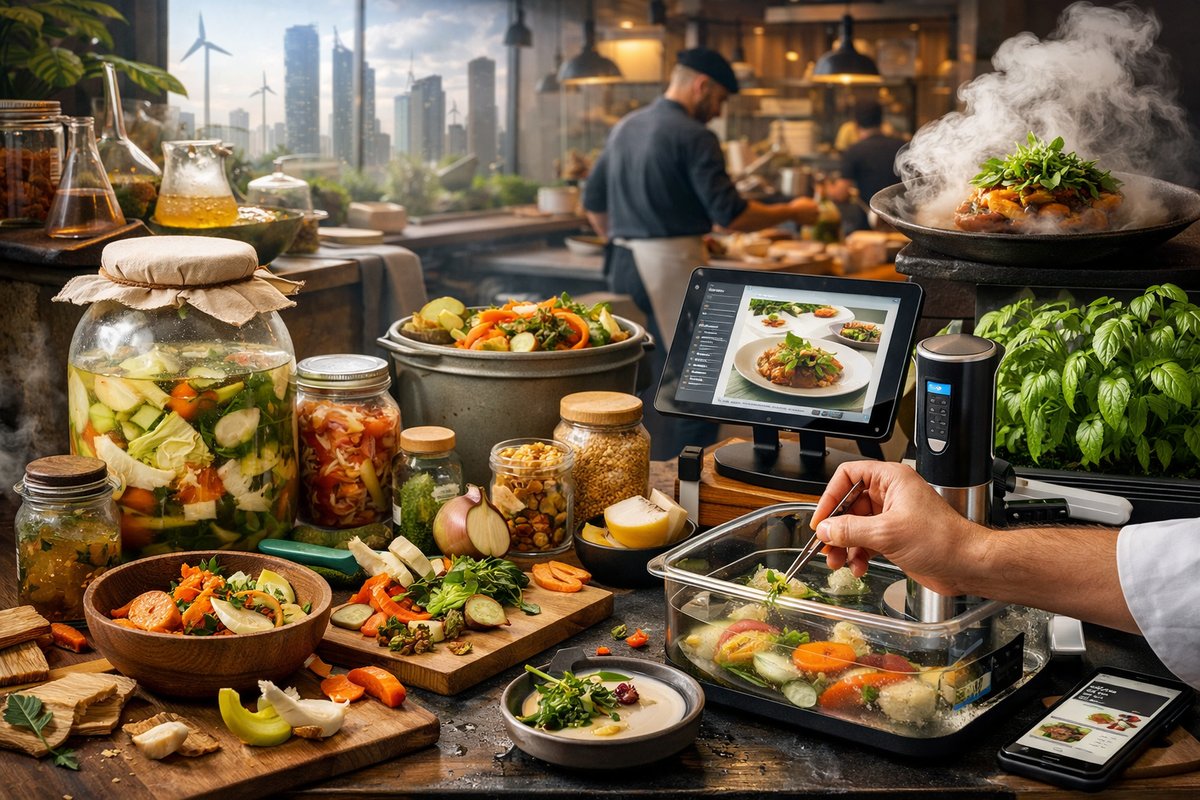
From revival of age-old fermentation methods to the rise of zero-waste home cooking, the modern culinary landscape is a crossroads where heritage and high tech meet. Across cities, chefs and home cooks alike are embracing sustainability, multisensory experiences, and digital tools to craft meals that nourish both body and community.
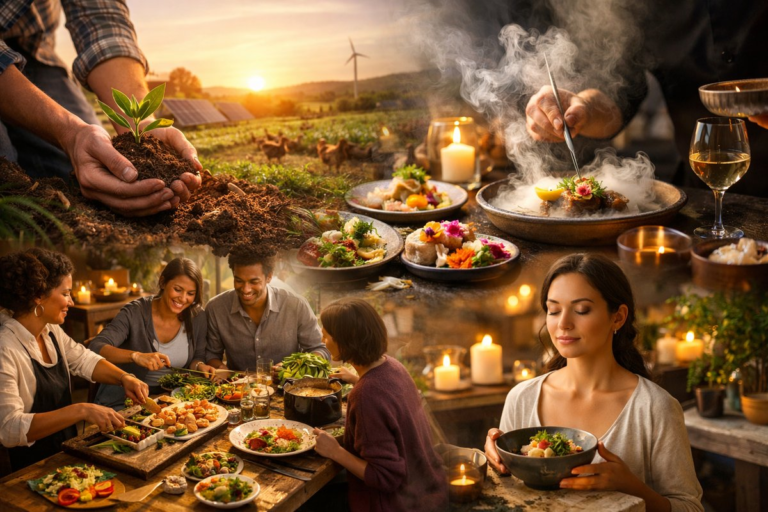
In dining rooms, community kitchens and digital platforms around the world, food lovers are witnessing a dynamic shift. Once distinct threads of tradition, sustainability and technology are weaving together to form a richer culinary tapestry. What began as niche experiments-like backyard fermentation or root-to-stem cooking demonstrations-are now core trends driving restaurant menus, farmer’s markets and home kitchens. From fermentation bars to AI-driven recipe apps, today’s food movements reflect deeper values: a desire to honor cultural roots, reduce waste, forge connections and invite wonder back to the table.
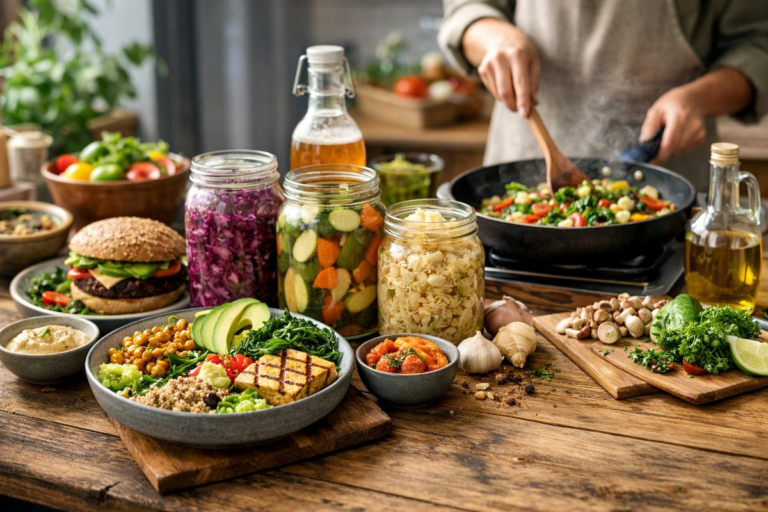
Fermentation has staked its claim as more than a health fad. Urban diners flock to bars dedicated to kimchi, kombucha and preservation-forward cocktails. In New York and São Paulo, chefs are spotlighting miso ice cream or lacto-fermented salsa alongside tasting flights of house-made kvass. Researchers at national agriculture institutes point out that fermented grains and vegetables can deliver enhanced nutrients, support gut health and reduce spoilage. Home cooks are joining the movement with DIY fermentation kits for cabbage, cucumbers or ginger beer, treating the process as both science project and celebration of microbes that have nourished humans for millennia.
Closely tied to fermentation’s popularity is the rise of zero-waste cooking. Chefs in Los Angeles are trash-collecting farm produce at the end of the market, transforming carrot tops into pesto and bruised apples into vinegar. In London, a new crop of cooking studios offers hands-on workshops teaching root-to-stem knife skills and nose-to-tail butchery. Social media communities rally behind hashtags like #TrashToTable and #UpcycledEats to share recipes for banana peel curries or beet green fritters. Far from feeling restrictive, this approach unleashes creativity, prompting cooks to reimagine peels, seeds and stems as flavorful, sustainable ingredients.
Plant-forward diets continue to expand beyond classical vegetarianism. The concept of a flexitarian plate-where vegetables, grains and occasional animal proteins coexist-has gained momentum thanks to global health guidelines and environmental research. Reports from leading food-system councils highlight the benefits of shifting toward legumes, nuts and whole grains to reduce carbon footprints. Urban rooftop farms and community gardens are turning balconies and vacant lots into sources of fresh produce, while alternative protein startups are perfecting pea and mycoprotein analogs to mimic the texture of meat. This wave doesn’t ask diners to forgo flavor but rather to elevate plant ingredients as the centerpiece of each meal.
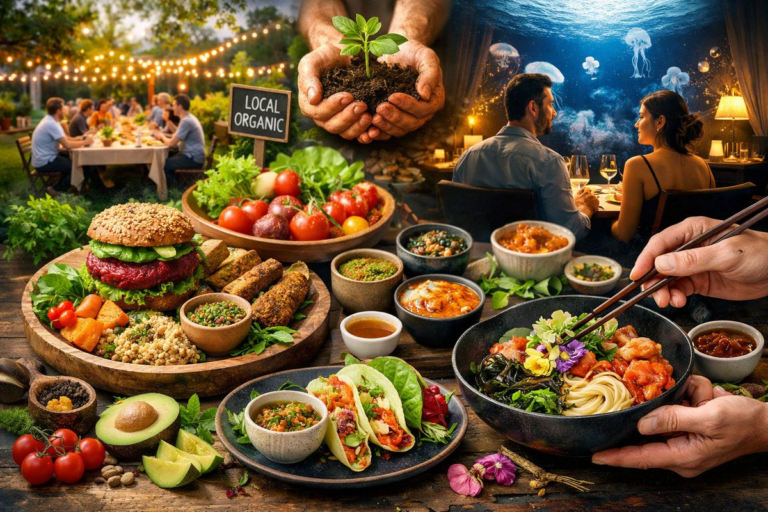
Ethical sourcing and seasonality have become nonnegotiable pillars for chefs and food buyers. Community-supported agriculture (CSA) programs offer diners weekly boxes of whatever’s ripe, introducing them to heritage tomatoes, Japanese eggplants and purple sprouting broccoli. Pop-up farm-to-table dinners appear in barns and warehouse spaces, pairing local vegetables with small-batch cheeses. Online marketplaces now connect consumers directly to artisanal spice blenders and single-estate olive growers. By shortening the distance between field and fork, these networks foster transparency and help sustain small farms.
For guests seeking immersive experiences, multisensory dining blends food with sight, sound and even scent. In Berlin, a cafe pairs pour-over coffee with curated playlists and diffused forest aromas to evoke a woodland morning. Across Asia, virtual reality headsets transport diners to rice paddies while they sample local dishes. Experimental pop-ups in San Francisco have staged dimly lit dinners where diners wear blindfolds, heightening taste and texture perceptions. While some dismiss such events as gimmicks, many chefs argue they illuminate the complex relationship between memory, environment and flavor-and invite guests to savor each mouthful more mindfully.
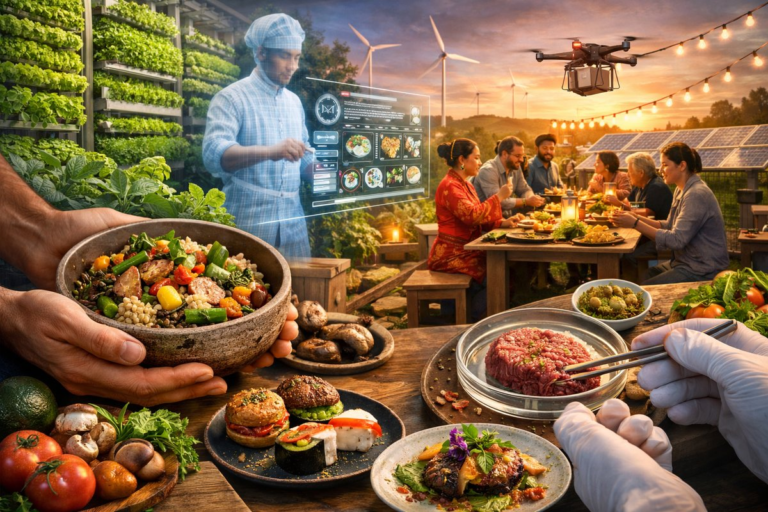
The delivery era is not slowing down either. Ghost kitchens-professional cooking facilities that serve only delivery orders-have multiplied in most major metros. They partner with local chefs to offer specialized cuisines that never require a storefront. Meanwhile, meal-kit services have diversified, delivering DIY cooking boxes featuring grains from ancient varietals, foraged mushrooms or artisanal sauces-complete with step-by-step recipes and pre-measured ingredients. Industry analysts estimate that meal-kit subscriptions grew by more than 30 percent last year, fueled by consumers who crave convenience without sacrificing freshness or creativity.
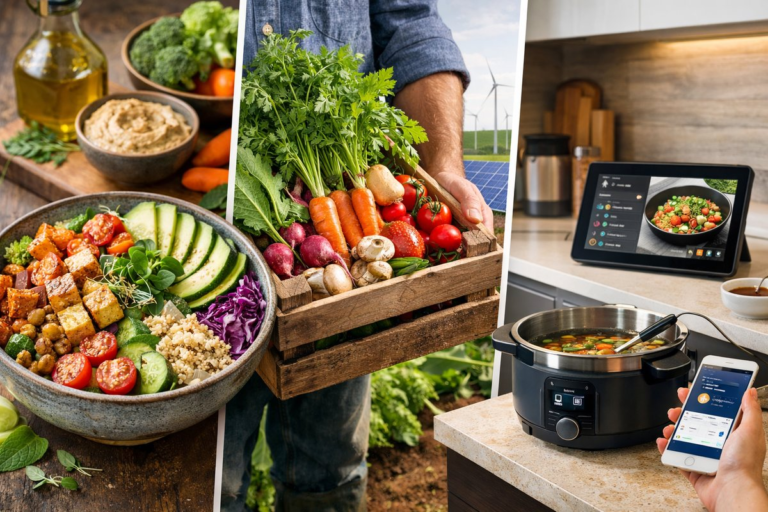
Back in the digital realm, AI-driven recipe platforms are transforming how people plan meals. By analyzing pantry inventories, dietary preferences and even mood data, these apps propose personalized menus, suggest swaps for missing ingredients and adapt cooking instructions on the fly. Early user surveys indicate that time spent deciding what to cook can drop by up to 40 percent, freeing families to focus on conviviality instead of grocery lists. Some services even integrate with smart ovens, automating temperature and timing to ensure consistency, a boon for aspiring cooks who may lack kitchen confidence.
Heritage grains and ancient cereals are also enjoying a revival. Bakers in Paris and Melbourne are experimenting with einkorn, spelt and teff to create loaves rich in nutty flavors and unique textures. Indigenous communities across Africa and Latin America are reclaiming teff, sorghum and amaranth as staples, showcasing their resilience to drought and nutritional value. Grain-milling collectives are popping up in rural regions, empowering farmers to process and sell local flours. The result is a renaissance in bread, porridge and pasta that reconnects consumers to the land and its biodiversity.
Community tables have regained prominence as spaces where neighbors share meals and stories. Street-corner social kitchens organize weekly dinners where everyone brings a dish from their homeland. Festivals celebrating migrant cuisines showcase recipes passed down through generations, reminding attendees that food carries identity and memory. In dozens of cities, nonprofit kitchens offer pay-what-you-can meals, creating inclusive environments where socioeconomic status takes a backseat to human connection. These initiatives underscore that beyond nutrition, food is a powerful language of empathy and hospitality.
Small-batch producers, from artisanal sauce makers to specialty salt harvesters, are turning to direct-to-consumer marketplaces. Online communities and crowdfunding platforms help artisans test new flavors-like fermented mango chutney or smoked chile honey-while building loyal followings. Digital storefronts incorporated into social media simplify checkout and shipping, granting small food businesses unprecedented reach. Customers discover unique products typically unavailable in grocery aisles, and makers gain feedback loops that inspire future innovations.
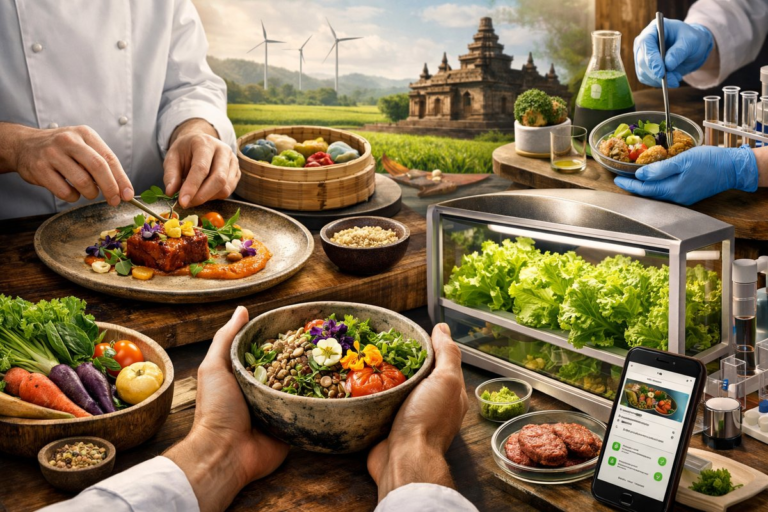
In domestic kitchens, the rise of precision cooking tools continues unabated. Immersion circulators and sous-vide setups flood countertops, delivering restaurant-level doneness for proteins and vegetables alike. Digital kitchen scales with nutrient-tracking software appeal to health-conscious cooks, while Wi-Fi-enabled slow cookers and pressure cookers streamline batch-cooking for busy households. These gadgets may seem high-tech, but their true appeal lies in making complex techniques approachable, so home chefs can focus on flavor and presentation rather than guesswork.
Of course, the culinary world faces challenges. Global supply chain disruptions and unpredictable weather patterns have driven up prices for staples like olive oil and coffee. Many chefs are adapting by intensifying preservation methods-smoking, pickling and fermenting-to extend the lifespan of seasonal harvests. Community tool-sharing programs supply pressure canners and dehydrators at minimal cost, ensuring home cooks can participate in these traditions without large upfront investments. Such collaborative models demonstrate that resilience often stems from pooling resources and knowledge.
Today’s culinary crossroads invite every eater to play a part. Whether you experiment with a backyard herb garden or host a blindfolded dinner party, there are countless ways to explore flavor, honor heritage and reduce waste. The blends of tradition, innovation and conscious consumption not only shape our individual plates but also define how communities gather, celebrate and evolve. As these trends continue to unfold, they remind us that food is never just sustenance-it’s story, science and society on a single forkful.