Location
Mount Vernon, WA 98274

Location
Mount Vernon, WA 98274
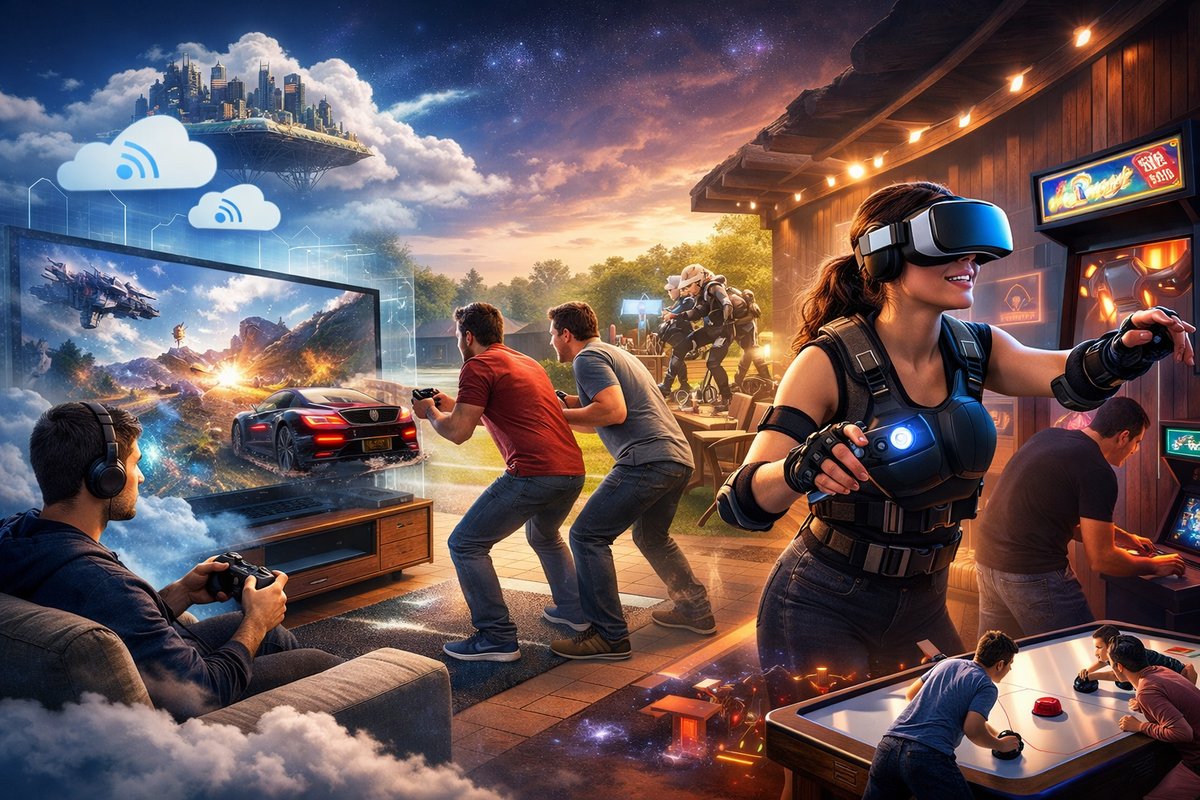
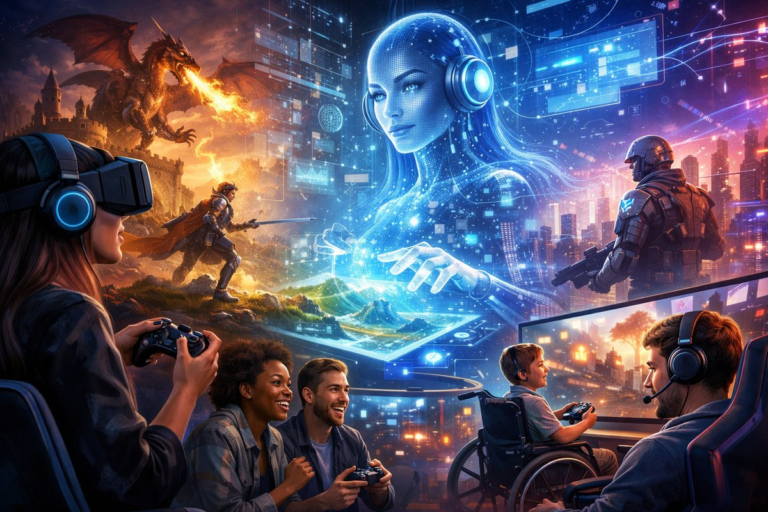
From cloud-powered play sessions to living room arcades and haptic-enhanced adventures, gaming is no longer confined to a single screen. Dive into the hybrid wave that's blending digital dreams and physical gatherings for truly immersive fun.
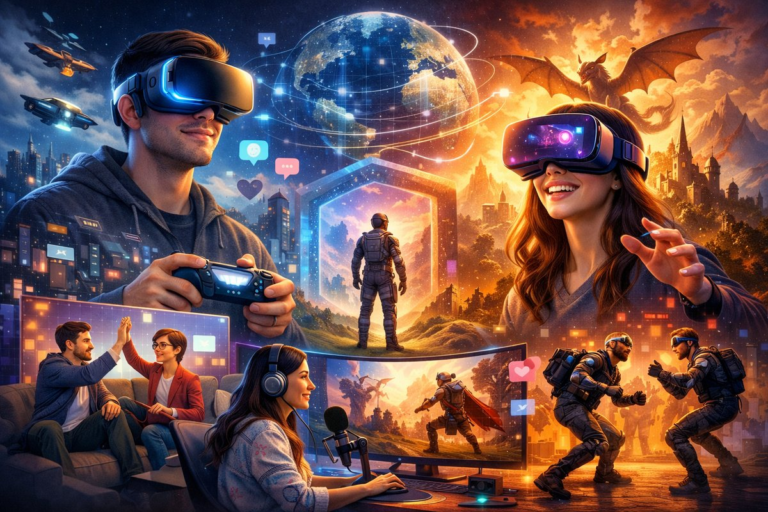
The last few years have witnessed a seismic shift in how we play, watch, and socialize around games and entertainment. Once dominated by isolated console sessions and big-screen movie nights, the landscape now bristles with hybrid experiences that unite cloud streaming, local meetups, immersive peripherals, and interactive narratives. Whether you’re catching up on a story-driven series with branching outcomes or gathering friends for a make-shift arcade in your living room, the boundaries between digital and physical play are disappearing – and that promises a deeper, more connected form of fun.
Cloud Gaming Unleashed
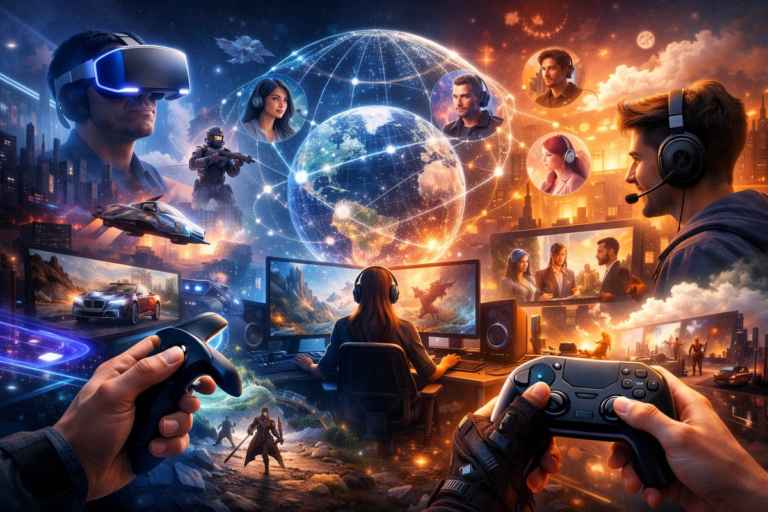
It used to be that the console wars centered on hardware exclusives and performance benchmarks. Today, the battleground has moved to the cloud. High-speed internet and edge-computing nodes are making it possible to run blockbuster titles on anything with a screen: a phone, a tablet, even a budget laptop. By offloading processing to remote servers, players can tap into the latest graphical engines without upgrading their own rig. This shift unlocks instant access to massive libraries, lowers the barrier for newcomers, and keeps the focus on play rather than painful downloads or in-home hardware investments.
Yet cloud gaming is about more than raw horsepower. It’s also social. Integrated party chat, screen shares, and instant join links mean that a friend just a click away can hop in mid-session. Cross-platform matchmaking has grown more seamless, too, so PC, console, and mobile players can unite under a single lobby. The pay-as-you-go subscription model-renting access rather than owning discs or downloads-echoes the convenience of streaming on demand. And as 5G coverage expands, those pick-up-and-play sessions at a café table or on a train will only feel smoother.
Couch Co-Op and the Return of the Living Room Arcade
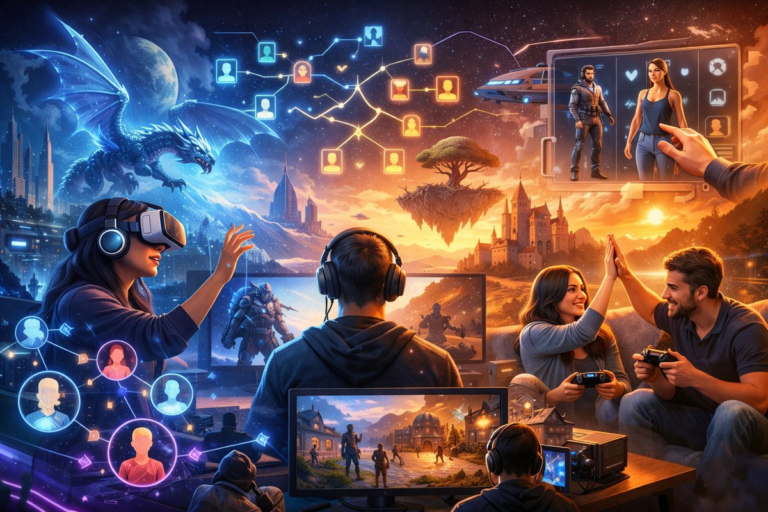
For all the talk of remote worlds and virtual realms, nothing beats the magic of side-by-side play. Recent indie hits and classic remasters have reignited the allure of couch co-op. Families and housemates are rediscovering the simple joy of passing a controller, shouting encouragement, or high-fiving when a raid boss finally falls.
Some communities are even transforming their living rooms into hybrid arcades. One group set up multiple screens with different consoles, color-coded controllers, and a shared snack station – creating a rotating “tournament night” that feels part tournament, part media lounge. Modular sofa pieces, portable projector screens, and motion-sensitive floor tiles bring arcade cabinets into the home without duct-taping quarters to joysticks. Local meet-ups and pop-up events similarly blend nostalgia with modern streaming: participants can watch a live feed of high-score runs while cheering in person.
Haptic Feedback and Intelligent Lighting: Immersion to the Next Level
Virtual reality headsets make headlines, but subtle sense of touch and atmospheric lighting can be equally transformative. Haptic body vests, for instance, translate in-game impacts into gentle pulses across your torso – a sword clash, a car crash, even the rumble of passing thunder. Unlike headsets, these vests are lightweight and compatible with any console or PC title that supports vibration feedback.
Intelligent ambient lighting also plays a starring role. LED strips mounted behind screens or along furniture react to on-screen action, extending the visual palette into the room itself. A forest exploration turns your walls a leafy green; an explosion bathes the space in fiery hues. That extra sensory layer not only enhances immersion but can reduce eye strain by balancing contrast between bright screens and dark surroundings.
Narrative Play and Interactive Streaming
Gaming’s influence on storytelling has gone both ways in recent months. Streaming platforms have experimented with choose-your-own-adventure episodes, letting viewers vote in real time on critical decisions. Meanwhile, narrative-driven games have adopted cinematic pacing, complete with branching dialogue and reactive cinematography. The result is a feedback loop: viewers who liked making decisions in a streamed series are now drawn to games that frame each choice like a broadcast event.
Social watch-play parties have emerged as another frontier. Players stream their gameplay live to small groups, pausing to poll viewers on route selection or puzzle solutions. Some independent studios are embracing this format by designing “party mode” versions of single-player titles, optimizing camera positions and input windows for cooperative decision-making. It’s a shared story generation tool, proving that audience participation can be more compelling than passive viewing.
Venue-Scale Hybrids: Pop-Up Theaters and Arcade Cafés
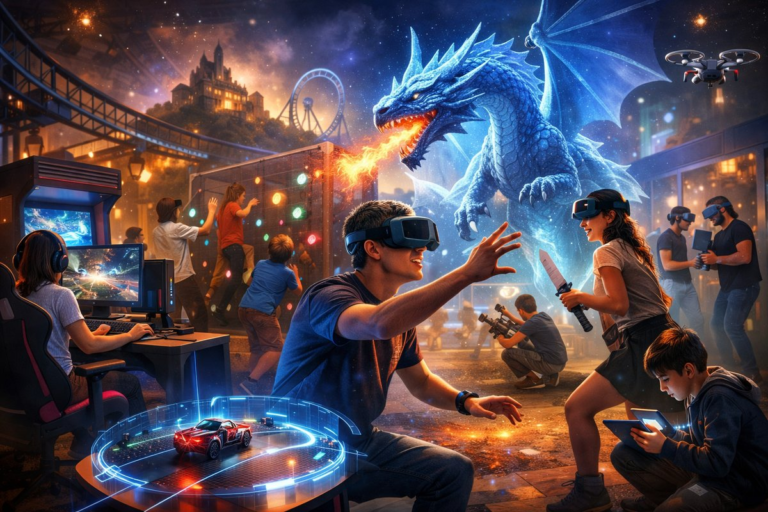
Outside the home, hybrid venues are cropping up in cities around the world. Imagine a coffee shop outfitted with classic arcade cabinets, slow drip coffee, and communal tables wired for console play. Or a boutique theater that pairs short films with local indie VR demos in adjacent pods. These spaces blur the line between cinema, café, and game lounge.
One recent pop-up in a reclaimed warehouse hosted a “choose-your-screening” festival. Attendees voted on which independent films or game shorts would run next. The projection walls were wrapped in graffiti murals that doubled as AR triggers: scanning them revealed hidden characters, mini-games, and surprise trailers through a smartphone app. It felt part art exhibit, part arcade, and part film festival.
Cross-Culture Collisions and Inclusive Design
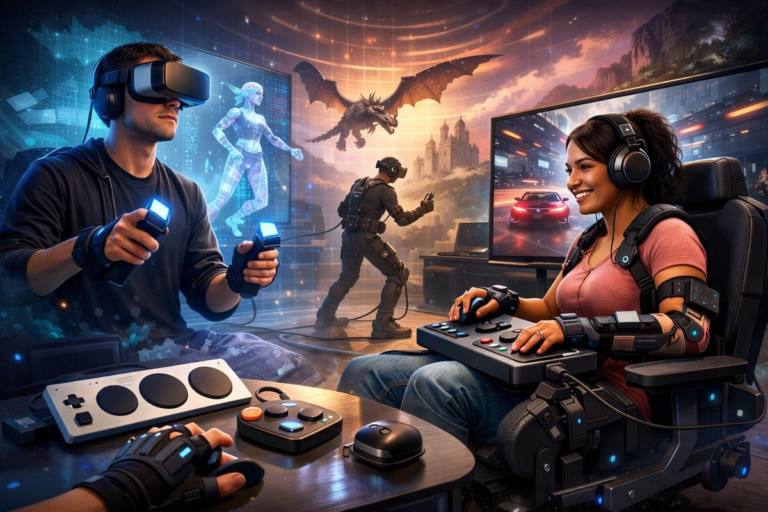
A unifying thread in the hybrid wave is accessibility. Developers are integrating assistive features-text-to-speech, adaptive input remapping, customizable HUDs-directly into titles. Live-caption overlays, color-blind modes, and one-handed control schemes mean more people can participate in shared play, whether locally or via cloud streams.
Equity-driven design also extends to hybrid venues. Many pop-up cafés offer sensory-friendly hours, adjustable sound levels, and chill-out zones for players who need a break from intense stimuli. These innovations are grounded not in token gestures but in genuine user feedback from diverse communities.
The Road Ahead: AI Dungeon Masters and Cross-Medium Storytelling
Looking forward, AI is poised to become the ultimate hybrid tool. Picture a digital dungeon master that adapts dungeon layouts, NPC dialogue, and narrative beats on the fly based on players’ decisions and emotional states. Or an AI surface that stitches together game cutscenes with streaming footage and social reactions into customized highlight reels.
Convergence across mediums will deepen, too. Popular game worlds are spawning animated series with interactive side quests; blockbuster films are teasing VR mini-adventures that tie back into console DLC; comic books are featuring QR codes that unlock digital puzzles on smartphones. This cross-pollination transforms isolated IPs into living ecosystems where each new format both promotes and enriches the others.
When Pixels Meet Reality
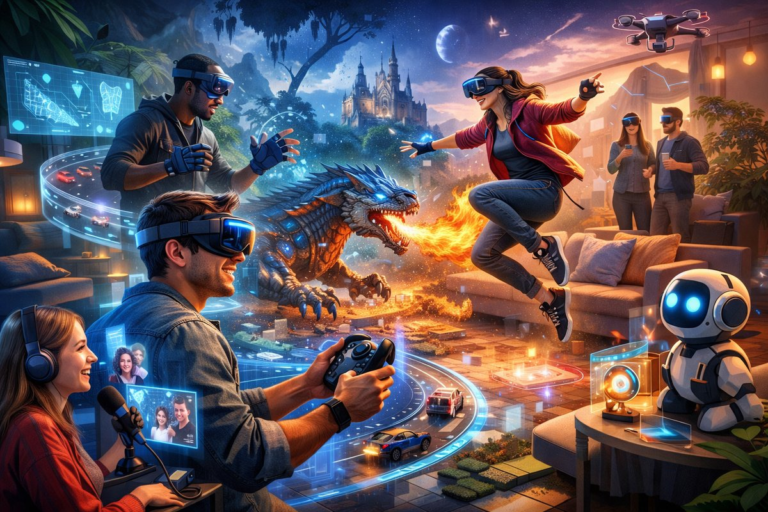
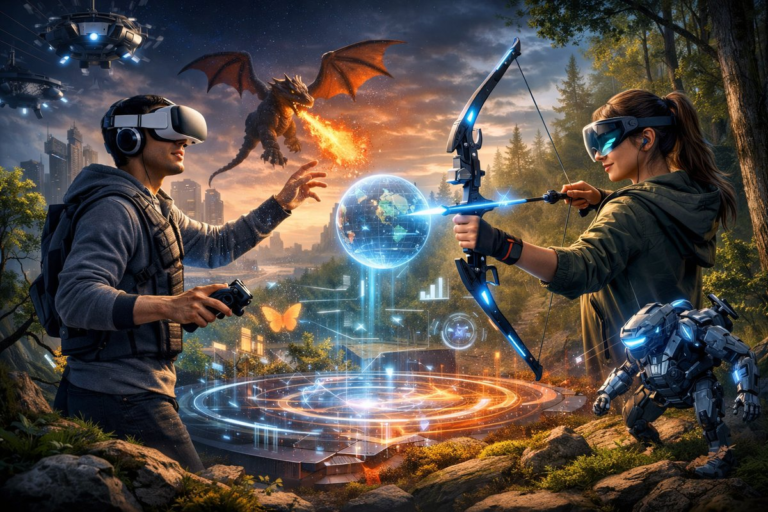
As digital and physical play continue to converge, the golden age of hybrid entertainment lies ahead. We’re revisiting analogue traditions like couch co-op and arcade cabinets, infusing them with modern streaming, cloud power, immersive haptics, and interactive storytelling. Pop-up venues, inclusive designs, and AI-driven companions will keep innovating on every dimension. What remains constant is the core promise: play is more fun – more emotional, more social, more surprising – when we bridge worlds instead of staying confined to one. For players and creators alike, the question isn’t whether to cross that border between pixels and reality; it’s how boldly we’ll leap.