Location
Mount Vernon, WA 98274

Location
Mount Vernon, WA 98274
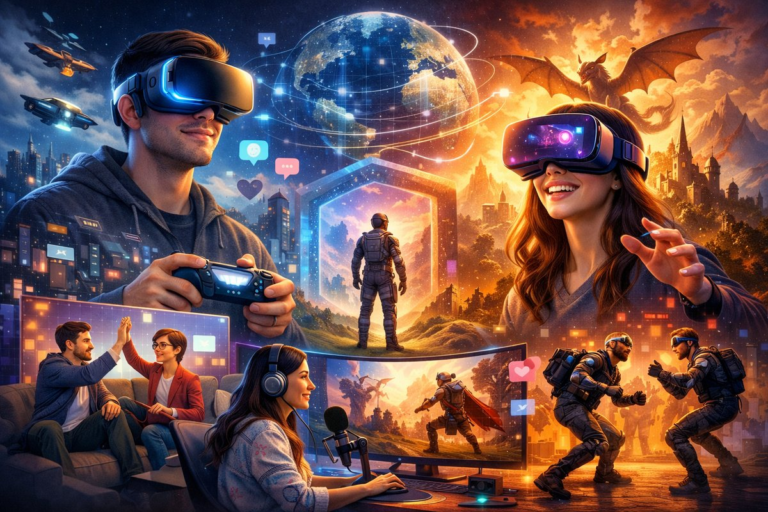
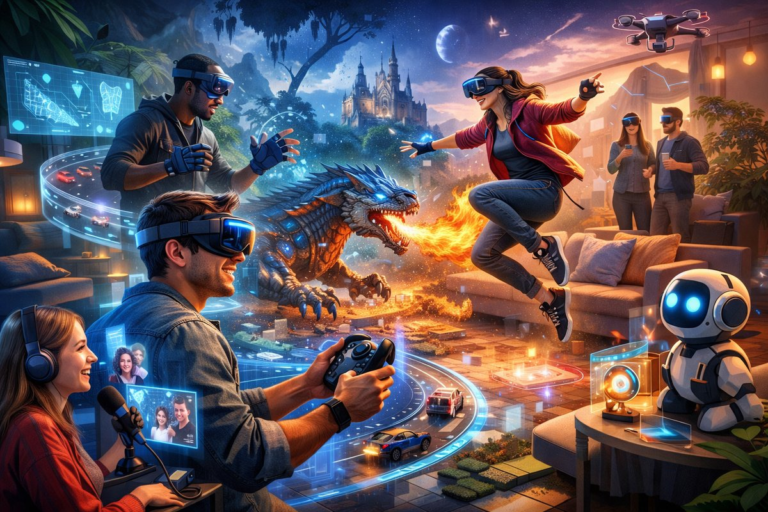
A new wave of hybrid arcades, cloud platforms, and modular home arenas is transforming play into a boundaryless, immersive experience. We dive into pop-up micro-arcades, cloud co-play, and next-gen gear fueling social connection, competition, and creativity in gaming's evolving landscape.
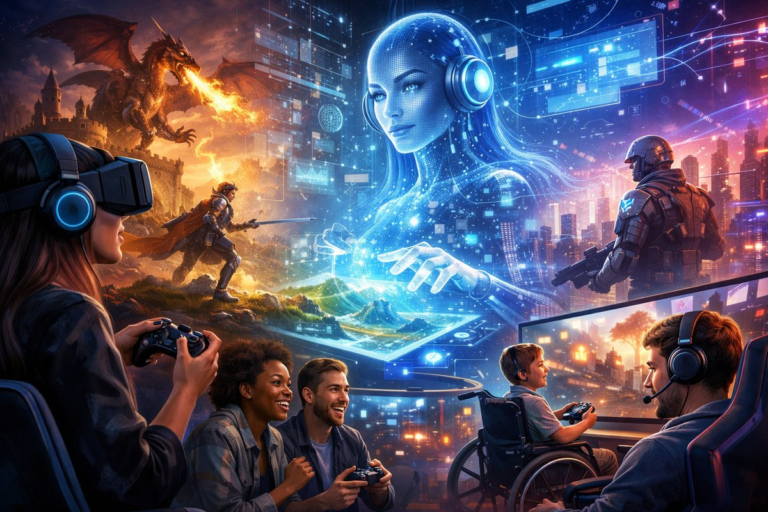
In a world where pixels and reality converge, the gaming industry is staging its most dramatic transformation yet. What began as isolated console sessions and LAN tournaments has blossomed into a layered ecosystem of hybrid venues, on-demand cloud streaming, and DIY home arenas that adapt to any budget or lifestyle. From temporary urban micro-arcades housed in shipping containers to living rooms equipped with modular desks and ambient lighting, players are demanding experiences that feel both social and seamless.
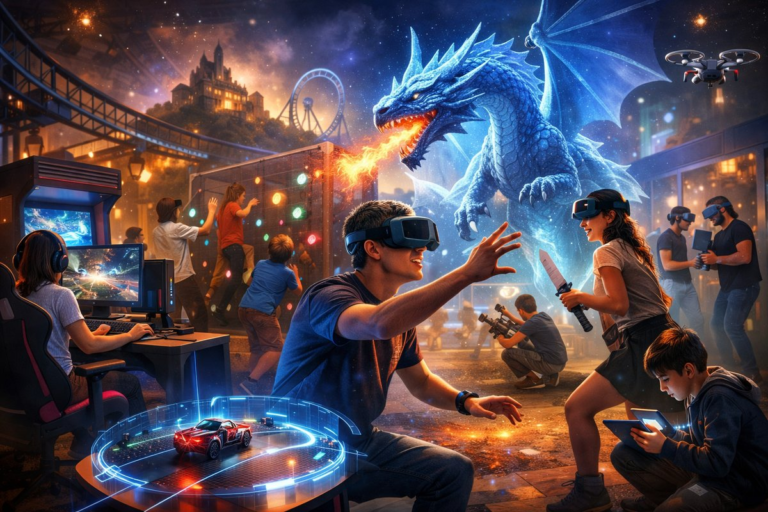
At the forefront of this shift are pop-up gaming hubs springing up in city centers. Often situated in repurposed storefronts or temporary event spaces, these micro-arcades blend local culture with digital competition. Patrons grab a craft soda or artisanal coffee before facing off in retro cabinet tournaments or speedrun marathons. Operators rent consoles and PC rigs by the hour while community organizers host free workshops on game modding and pixel art. The result is a low-barrier, high-energy playground that invites newcomers and veterans alike.
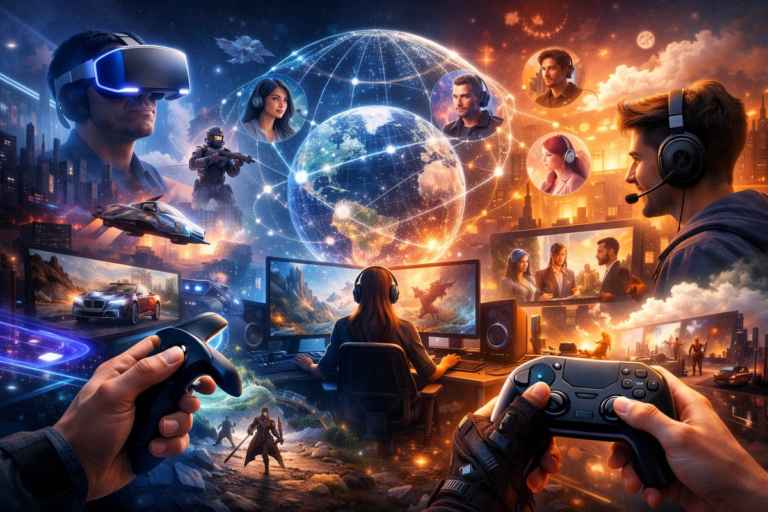
Parallel to physical pop-ups, cloud gaming platforms continue to refine remote play. The latest services now guarantee low-lag sessions even on midrange broadband, enabling cross-platform co-op between console, PC, and handheld devices. Tournament organizers are taking note: regional qualifiers can stream directly to central servers, with commentary and interactive polling layered in. This hybrid model means local coffee shop teams can face off against global rivals without leaving town, all while building local followings through streaming integration.
On-screen immersion has also evolved. Dynamic LED lighting kits and ambient projection systems now sync with in-game events, casting walls in pulsing hues that mirror explosions, health bars, and weather effects. For home setups, modular desks with adjustable mounts support multiple monitors, handheld docks, and even small server racks. Every inch of real estate is optimized for quick transitions between solo quests, party nights, and live-streamed showdowns.
E-sports, too, are refining the spectator experience. Event organizers are embedding mini-arcade zones into arena lobbies, letting attendees test new demos or compete in side tournaments while waiting for main matches. Mobile gaming lounges travel between championships, offering themed challenges based on featured titles. This tactic sustains engagement during downtime and seeds grassroots enthusiasm for upcoming releases.
Amid these public spectacles, DIY communities are pushing boundaries at home. Enthusiasts are designing custom arcade sticks with 3D-printed enclosures and programmable buttons. Others mod retro consoles to run extended ROM libraries loaded onto high-capacity flash cards. Social media channels buzz with step-by-step build logs, complete with material lists and wiring diagrams. The shared ethos: creative expression is as integral to play as skillful execution.
Indie developers are tapping into this momentum by offering robust mod tools and structured co-development platforms. Players can suggest level designs or cosmetic skins directly through in-game editors, with selected contributions appearing in official updates. Some small studios have even crowdsourced narrative arcs, turning their flagship titles into living stories shaped by community choices.
Meanwhile, handheld gaming PCs-small enough to fit in a backpack yet capable of running high-end titles-are carving out their niche. These devices seamlessly switch between local play and cloud-streamed libraries, tethering to TVs or portable docks for couch sessions. Wireless streaming accessories and pocket-sized capture cards turn any monitor into a personal arcade. As battery life improves and software interfaces streamline pairing, handheld rigs are becoming true all-in-one gaming hubs.
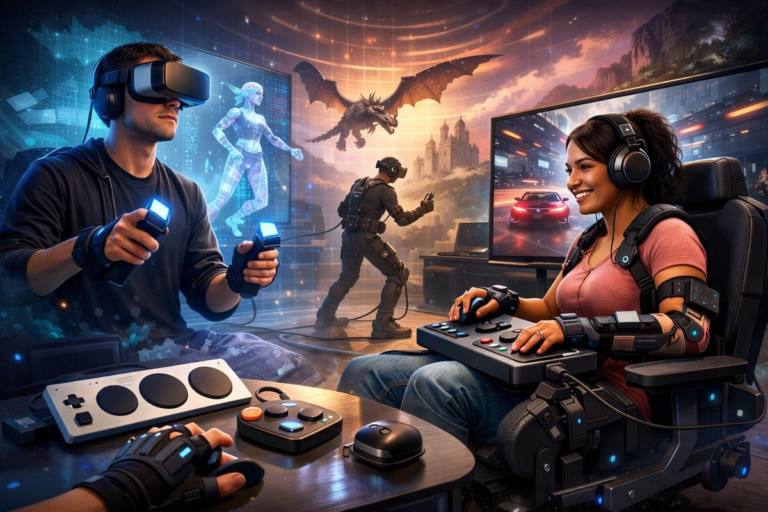
Accessibility remains a central concern. Hybrid venues are increasingly designed with adjustable seating, customizable control layouts, and audio-visual aids for players with varying needs. At home, adaptive controllers with configurable buttons and pressure sensors are more affordable than ever. The goal is clear: experiences must flex to different bodies and preferences without compromising immersion or performance.
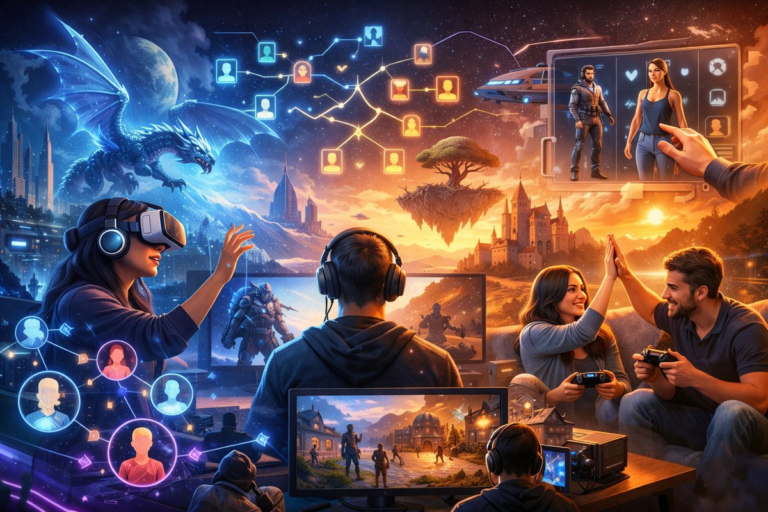
This convergence of hardware, software, and social design is redefining what it means to “go out” or “stay in” for play. A weekend might begin with a quick round on a friend’s couch-connected modular desk, segue into an evening pop-up tournament, and finish with a cloud-streamed raid on a handheld PC. With next-generation 5G networks on the horizon, latency barriers will shrink further, making real-time interaction feel tangible regardless of location.
Publishers are taking note, adapting release strategies to this new ecosystem. Some are rolling out regional beta events in urban micro-arcades, gathering live feedback before global launches. Others embed physical scavenger hunts in landmark venues, rewarding participants with in-game items and exclusive demo kiosks. This blend of digital and real-world engagement creates multi-sensory marketing that resonates long after a single tweet.
The challenge for players and operators alike is to balance novelty with sustainability. Temporary venues must consider energy usage and waste, from server power draw to disposable snack packaging. DIY builders are increasingly sourcing recycled plastics and low-power components. Cloud platforms are optimizing server loads and allowing users to offset carbon footprints through in-game pledges. As gaming’s reach expands, environmental and community impact will rise to the top of design priorities.
The future of play is neither strictly online nor wholly in person-it’s all of the above. The seams between physical meeting points and digital connection are dissolving, giving rise to a fluid landscape where every device and venue can host a micro-event. Whether you’re a weekend warrior at a shipping-container arcade or an indie developer livestreaming a mod tutorial from your living room, the tools and spaces available today make it easier than ever to shape-and share-your gaming story.
As players and creators explore these layered experiences, one thing remains certain: play is serious business, and the next level is already taking shape under our fingertips.