Location
Mount Vernon, WA 98274

Location
Mount Vernon, WA 98274
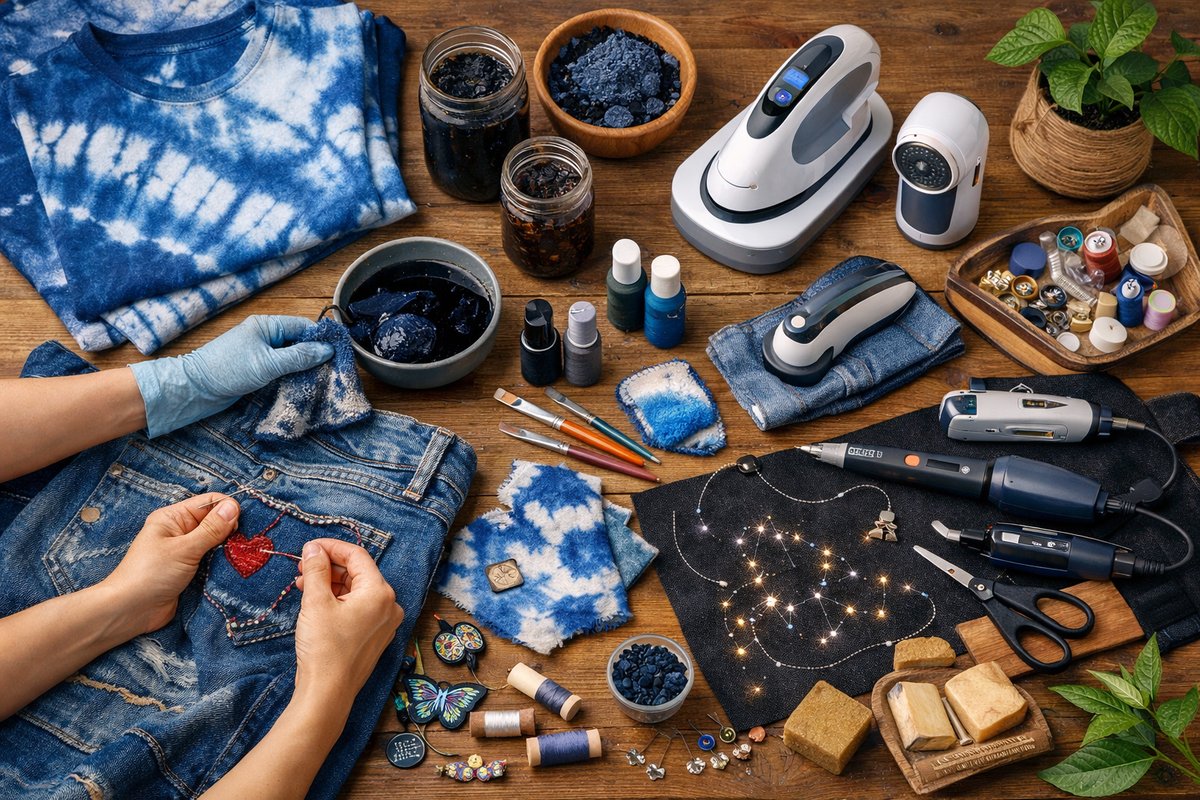
From home indigo dye experiments to smart garment-care gadgets, a wave of tech-enabled, DIY and repair-focused solutions is turning wardrobes into living canvases. Consumers are embracing tools that blend creativity, sustainability and personalization to redefine what it means to truly wear your values.
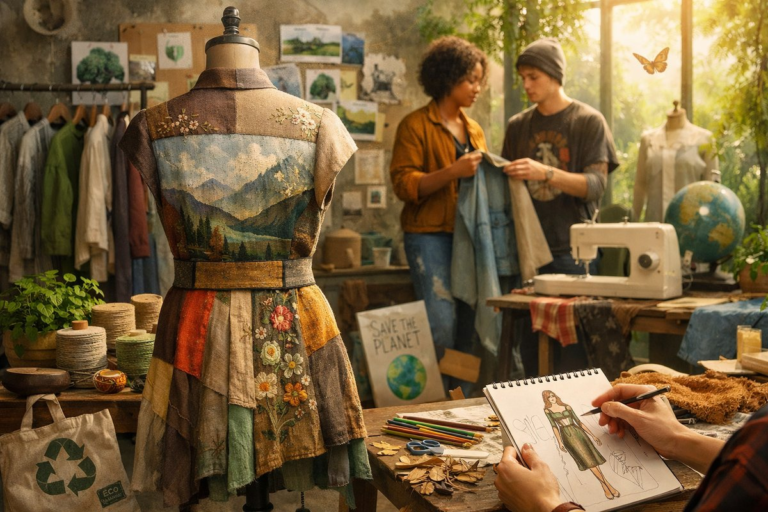
Fashion’s next frontier isn’t a seasonal runway collection but a DIY workstation in your own living room. Driven by a blend of sustainability concerns and a desire for hands-on creativity, a new generation of tools and apps is empowering wearers to become co-designers, caretakers and storytellers of their own clothing. The movement merges heritage craft techniques-like natural dyeing and garment mending-with modern innovations such as virtual fitting rooms and at-home fabric-care devices.
In cities around the globe, living rooms and kitchen tables have been repurposed as micro-studios for dye baths. Natural indigo dye kits, featuring pre-measured sachets of organic indigo powder and fermentation starters, let anyone transform a plain cotton tee or denim jacket into a uniquely shaded piece. Unlike conventional synthetic dyes, these kits use plant-based colorants that break down harmlessly in waterlogged dyeing vats. Enthusiasts document their color experiments on social feeds, sharing step-by-step photos of submerged fabrics turning from pale green to deep blue over several hours.
Digital platforms have begun to join the craft party. Virtual fitting-room apps, once relegated to retailers’ websites, are now available as standalone tools for DIY designers. Shoppers can upload a photo or scan of an existing garment, select a new fabric swatch, and preview how different weaves, textures and prints drape on their body. Some apps even auto-generate care instructions, tailoring wash cycles and temperature settings to the chosen material.
This tech infusion extends beyond screens. Compact, countertop-friendly garment steamers and precision fabric shavers are cropping up in eco-conscious homes. Rather than discard a pilled sweater or a crumpled blouse, wearers keep garments pristine with quick steam cycles and lint removal, significantly extending each item’s life span. One device uses ultrasonic technology to release a fine mist of water, effectively smoothing fibers without high heat or chemical finishes.
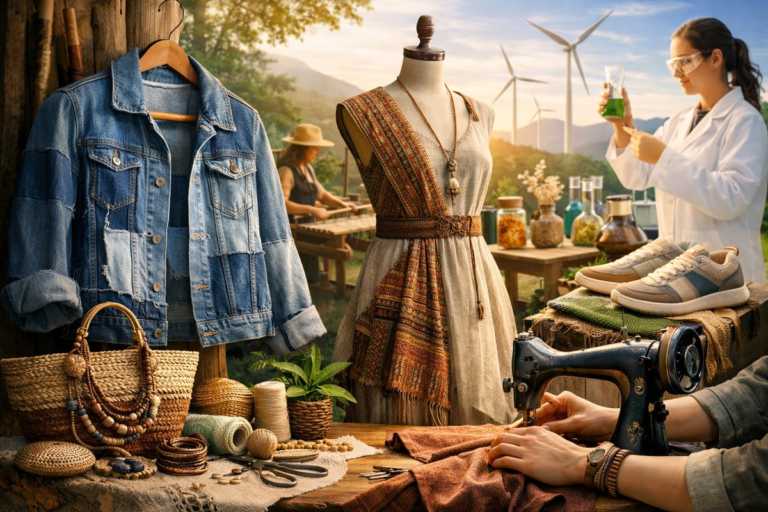
Yet the heart of the trend is repair and upcycling. Starter sewing kits now come with user-friendly guides and durable, color-matched thread sets. Community-organized workshops-both in-person and livestreamed-teach basics like patching holes, reinforcing seams, and even restyling long sleeves into caped accents. Some dedicated platforms connect local repair experts with customers, offering drop-off or mail-in mending services at a fraction of traditional tailor prices.
Meanwhile, on-demand fabrication studios have begun to appear in co-working spaces. Equipped with digital knitting machines and modular pattern lockers, these pop-up shops let customers drop in to custom-knit a scarf or tweak a sweater fit. Users can adjust sleeve length, collar shape and stitch density in real time, then watch as the machine knits their design. The result is one-off pieces crafted to exact personal preference and physique.
The mindset behind these tools is as critical as the products themselves. Rather than passively consuming seasonal capsules, participants actively collaborate with makers and machines. This shift echoes the broader circular-economy push: repair to delay disposal, customize to reduce impulse buys, and personalize to deepen emotional attachment. When a garment becomes an ongoing project, its perceived value grows-discouraging wasteful practices.
Yet widespread adoption faces hurdles. Not every urban dweller has space for a dye vat or a knitting machine. Time constraints and skill gaps can deter potential DIYers. To lower these barriers, portable kits and bite-sized how-to content have proliferated. A pocket-sized color-fastness testing kit, for example, allows quick swabs on new fabrics to check bleed risk before laundering. Short-form video tutorials teach repair tips in under two minutes, perfect for commuters and busy parents.
Retailers, too, are evolving. Some clothing brands now sell blank tees and jeans alongside coordinating dye kits and repair bundles. Others host pop-up “mend bars” where customers can drop by with a snagged sock or a ripped hem and learn a quick fix on the spot. A handful of sustainable labels even subscribe to a lease-and-return model: wear a garment for several months, then send it back for remanufacturing into new designs.
While the landscape remains emergent, early indicators show meaningful impact. A recent peer-reviewed study found DIY indigo dyeing reduced water-intensive wet-processing by up to 70 percent compared with factory denim washes. Meanwhile, clothing repair rates have doubled in some urban centers, driven by free or low-cost community mending events. Surveys reveal a growing comfort level with at-home garment interventions, even among consumers who once relied solely on dry cleaners.
Industry insiders view this creative empowerment as the antidote to fast fashion’s relentless churn. By supplying the tools for people to care for and customize their wardrobes, the market shifts from mass production to micro-participation. That’s a model that honors both personal expression and planetary health.
For the curious wearer ready to dive in, the journey begins with a single tool. Maybe it’s a natural dye kit for reviving an old shirt. Maybe it’s a compact steamer to smooth out that thrifted find. Or a beginner sewing set to patch up a beloved pair of jeans. As more users share their hands-on successes, the DIY fashion movement will continue to expand, weaving sustainability and self-expression into every stitch.
Ultimately, the growth of these interactive tools signals a deeper transformation: clothing is no longer a disposable commodity but a collaborative canvas. When consumers reclaim agency over color, care and construction, each piece becomes a living artifact of personal values. And in that shift, fashion finds its highest purpose-not just to clothe the body, but to spark curiosity, foster connection and celebrate the stories we wear.