Location
Mount Vernon, WA 98274

Location
Mount Vernon, WA 98274
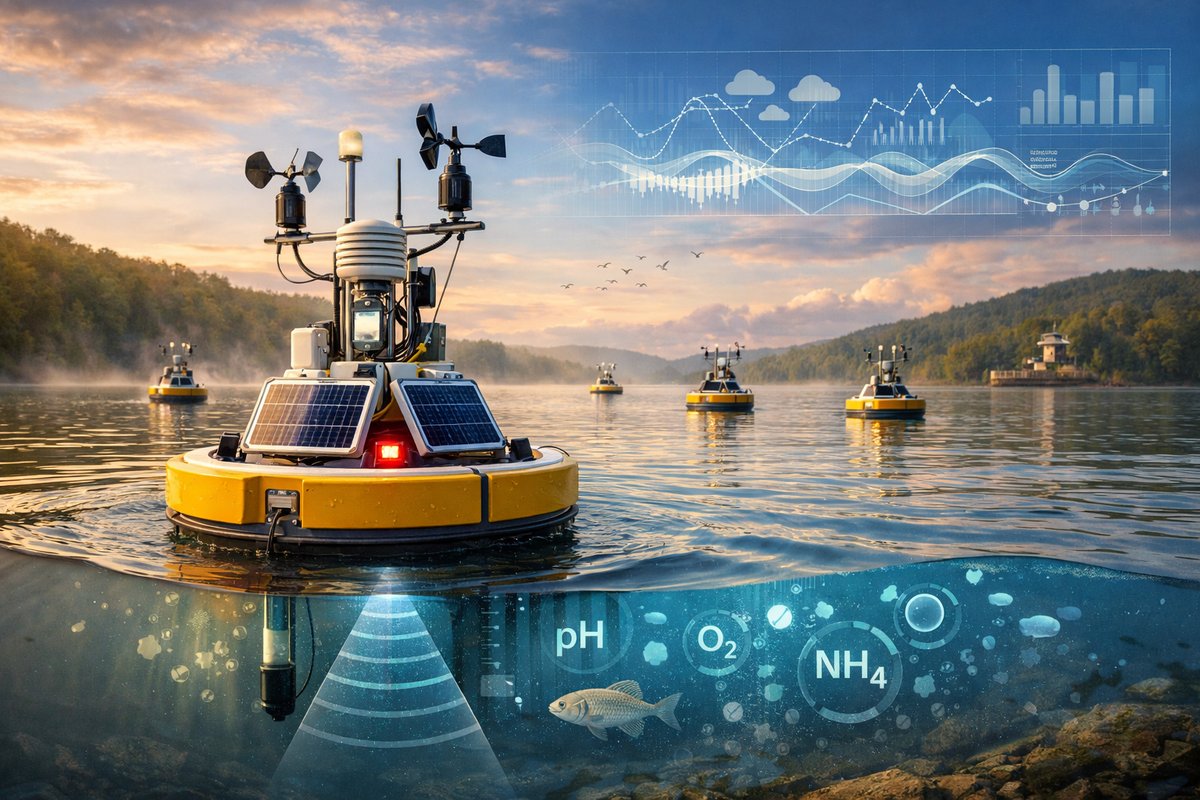
A fleet of autonomous sensor buoys is now drifting across an inland lake, continuously measuring water chemistry, acoustic signals, and meteorological data. By combining real-time sensor readings with citizen science and AI-driven analytics, researchers hope to illuminate subtle shifts in freshwater ecosystem dynamics and guide restoration efforts.
Freshwater lakes are among the planet’s most vital yet vulnerable ecosystems. Underneath their placid surfaces, chemical balances shift daily, aquatic life responds to subtle changes, and human impacts can ripple through food webs in unforeseen ways. Traditional monitoring campaigns-often reliant on periodic boat surveys or manual sampling-capture only snapshots of this complexity. But a pioneering project has deployed a network of autonomous sensor buoys that function as floating laboratories, streaming continuous data on water quality, biological activity, and weather conditions. The result is an unprecedented window into the hidden rhythms of lake health.
At the core of this effort is a collaboration between an environmental science research center and a citizen science nonprofit. Dozens of self-propelled buoys now patrol the open water of a large temperate lake in the Midwest. Each unit carries a suite of miniaturized sensors that record pH, temperature, dissolved oxygen, turbidity and chlorophyll fluorescence at sub-hourly intervals. Acoustic hydrophones capture the calls and movements of fish and amphibians, while integrated anemometers and barometric sensors log wind speed, air pressure and temperature above the waves.
Powered by solar panels and a compact wind turbine, the buoys sustain operations through cloudy periods and seasonal shifts. A custom hull design minimizes biofouling and optimizes buoyancy, keeping sensors exposed to fresh water and sun. Onboard electronics package raw readings into encrypted data packets, then relay them via low-power wide-area (LPWA) radio networks to a shore-based gateway. From there, the information flows into a cloud platform where machine learning algorithms flag anomalies and detect long-term trends.
This real-time network transforms the buoys into vigilant sentinels. For instance, sudden drops in dissolved oxygen levels-an early warning of harmful algal blooms-trigger automated alerts to lake managers and nearby residents. Elevated turbidity readings can indicate sediment runoff after heavy rains, helping land-use planners adjust riparian buffer strategies. Meanwhile, acoustic data reveal spawning migrations and shifts in fish behavior that often escape conventional net surveys.
Local citizens have joined the effort through a smartphone app that overlays live sensor streams on an interactive map. Amateur naturalists can tag unusual events-like a patch of foam along the shoreline or a school of minnows near a jetty-and submit photos for expert review. These annotations enrich the data pool, adding human insight to automated measurements. Over time, patterns emerge as volunteers record their own observations of waterfowl, shorebird nesting, and invasive plant sightings.
Initial findings have already surprised researchers. During spring turnover, when surface and deep water temperatures equalize, the buoys detected a brief spike in methane emissions at mid-lake depths-likely stemming from decomposing organic matter trapped in sediment. This hidden pulse of greenhouse gas would have gone unnoticed in weekly sampling routines. Similarly, acoustic sensors documented nocturnal fish choruses that correlate with moon phases, a phenomenon only recently confirmed in laboratory settings.
“We’re witnessing the lake breathe,” says a lead ecologist on the project. “These floating labs reveal how physical, chemical and biological processes intertwine in ways we never fully grasped before. And by engaging the community, we’re building a collective sense of stewardship.”
Compared with traditional monitoring campaigns, the autonomous buoys are more cost-effective over time. Boats, fuel, and labor expenses can quickly surpass equipment costs when surveys extend across months or seasons. The buoys require occasional maintenance-cleaning sensors and swapping batteries during winter freeze-but their continuous presence delivers richer datasets and sharper insights.
Ambitions for expansion are already underway. Researchers envision deploying hundreds of these units across interconnected lakes and river networks, creating a mosaic of high-resolution environmental data. By sharing open-source hardware designs and software tools, the project aims to scale globally, from alpine tarns to tropical wetlands.
Challenges remain, including maintaining data quality in harsh weather, preventing vandalism in public marinas, and safeguarding sensitive information about private shoreline properties. To mitigate these risks, developers have built remote firmware-update capabilities and designed tamper-resistant buoys. Privacy safeguards ensure that geolocation data are anonymized before public release.
Future upgrades will integrate drone-based imagery and satellite remote sensing, linking surface observations with aerial perspectives. High-resolution thermal maps from drones could pinpoint microhabitats where coldwater fish survive during heatwaves. Hyperspectral cameras might detect invasive plant clusters along marsh edges before they spread. Together, these technologies would form a layered understanding of ecosystem health-from molecules to landscapes.
The project also underscores the power of cross-disciplinary collaboration. Engineers, ecologists, software developers and community volunteers contribute unique expertise. University students participate in data analysis workshops, while local schools incorporate live buoy feeds into chemistry and biology lessons. This fusion of science and education fosters curiosity and environmental literacy among future generations.
As climate change, land development and pollution pressures intensify, adaptive monitoring networks will be essential for guiding conservation and policy. Real-time insights allow managers to deploy targeted fixes-like adjusting water inflows or deploying floating wetlands to absorb excess nutrients-before ecosystems tip into collapse. In this sense, the floating labs are not just sensors but early warning systems, empowering communities to respond dynamically to environmental shifts.
The dawn of autonomous floating labs marks a new era in freshwater ecology. By marrying continuous sensor data with citizen observations and analytics, researchers are charting the unseen currents of change beneath the waves. These insights promise to reshape how we care for lakes and wetlands, fostering a deeper sense of belonging to the living world around us.