Location
Mount Vernon, WA 98274

Location
Mount Vernon, WA 98274
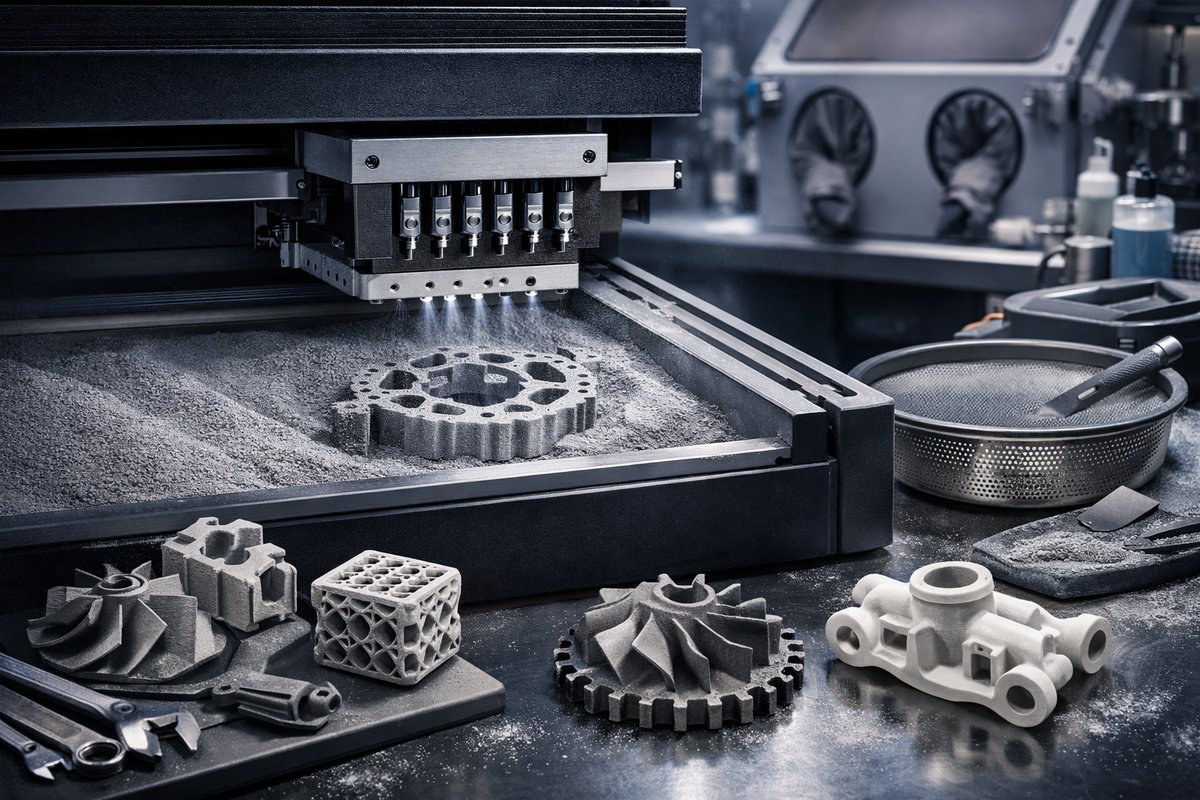
Binder jetting offers a unique approach to additive manufacturing by selectively depositing a binding agent onto powder beds, enabling the creation of complex metal and ceramic parts with remarkable detail. This guide explores the technique's workflow, essential tools, and finishing processes to inspire makers and professionals to incorporate binder jetting into their fabrication repertoire.
Additive manufacturing has revolutionized how we conceive, design, and produce objects, especially when precision and complexity are paramount. Among the many techniques available, binder jetting stands out for its ability to create detailed parts from metal, ceramic, and sand powders without the high thermal stresses typical of other metal 3D printing methods. This article delves into the binder jetting process, the critical components that make it successful, and practical finishing techniques that elevate the quality and functionality of printed parts.
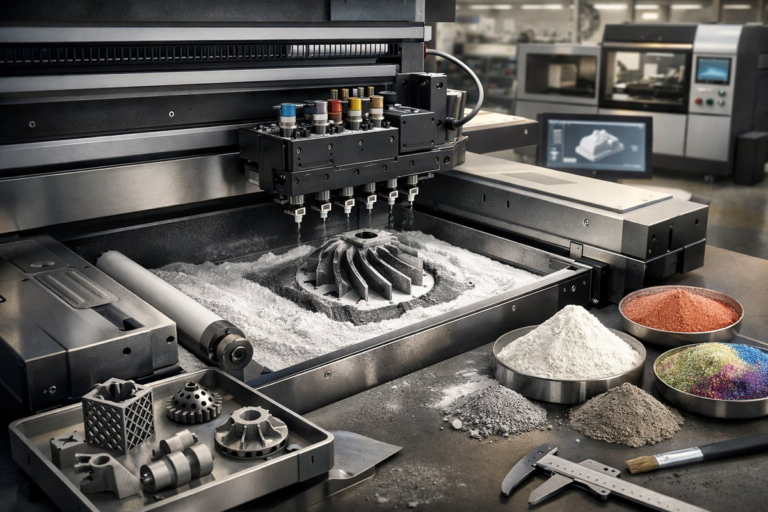
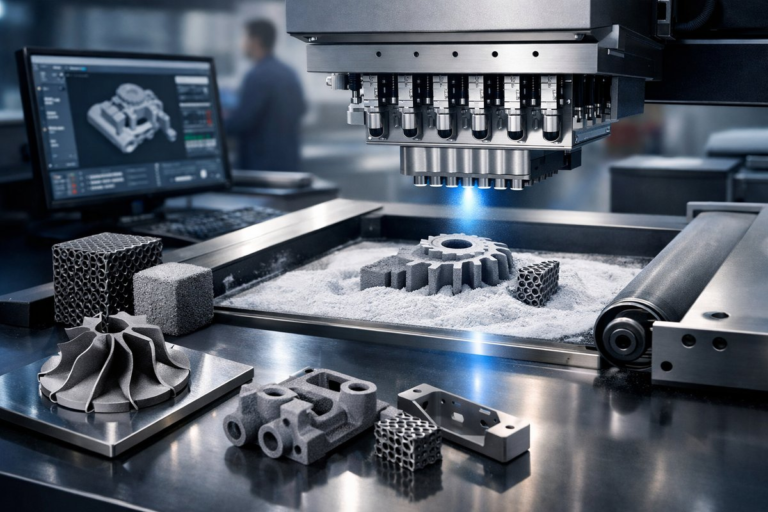
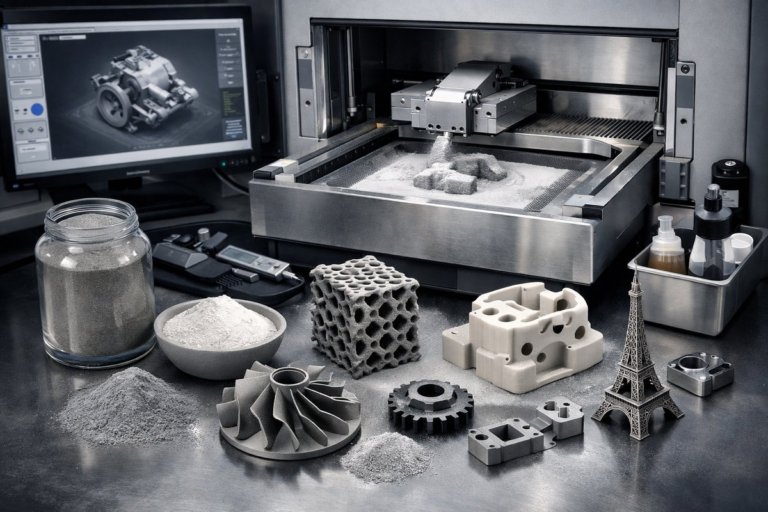
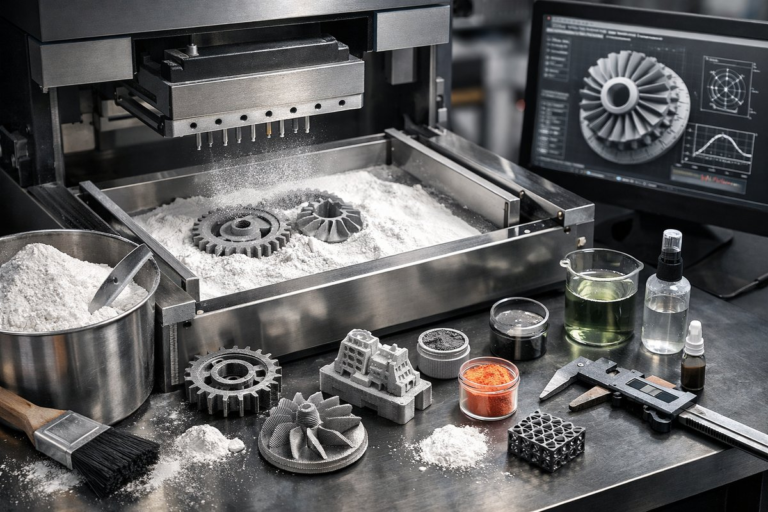
Binder jetting operates by spreading a thin layer of powder material across a build platform. A print head then selectively deposits a liquid binder in the shape of the desired cross-section. Layer by layer, the object takes form as the binder solidifies the powder in targeted areas. After printing, the unbound powder is removed, leaving a fragile “green” part that requires post-processing such as curing, sintering, or infiltration to achieve full strength and density.
One of the core advantages of binder jetting is its speed and scalability. Unlike laser-based methods that melt material point by point, binder jetting can cover entire layers rapidly with multiple nozzles, making it suitable for producing larger batches or bigger parts. Additionally, the absence of high heat input reduces residual stresses and distortion, enabling the production of complex geometries and thin walls that might be challenging with other metal AM techniques.
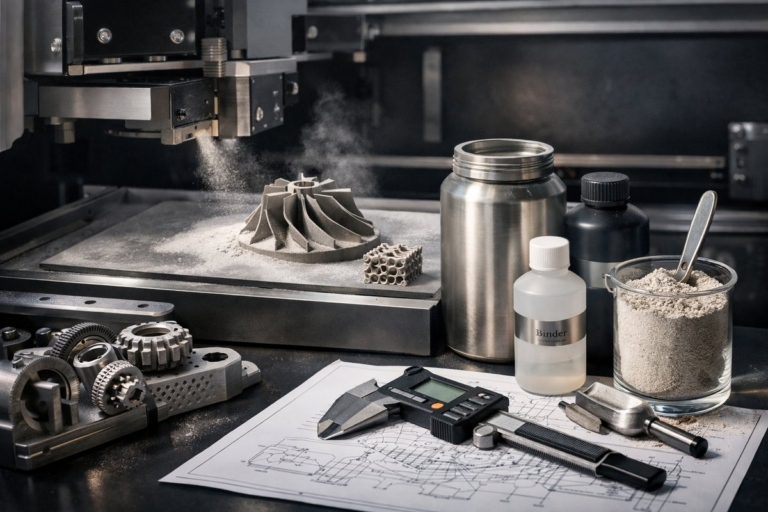
To get started with binder jetting, understanding the essential components and tools is crucial. The powder spreader mechanism must deliver consistent, uniform layers of powder, as uneven distribution can cause defects or weak spots. Print heads designed for high-resolution binder deposition ensure fine detail and dimensional accuracy. A controlled environment, often with inert gas or reduced humidity, helps maintain powder quality and binder performance.
After printing, the green parts are delicate and require careful handling. A curing oven or heat chamber is used to solidify the binder further, improving the part’s strength for handling during subsequent processes. Sintering furnaces then densify the part by heating it below the melting point of the base material, causing particles to fuse. For some applications, infiltration with metals like bronze or polymers can enhance mechanical properties and surface finish.
To achieve the best results, combining binder jetting with subtractive manufacturing techniques such as CNC milling or precision grinding can refine critical surfaces and tight tolerances. For example, a CNC milling machine equipped with fine end mills can remove residual surface roughness or create threaded holes, improving assembly fit and function.
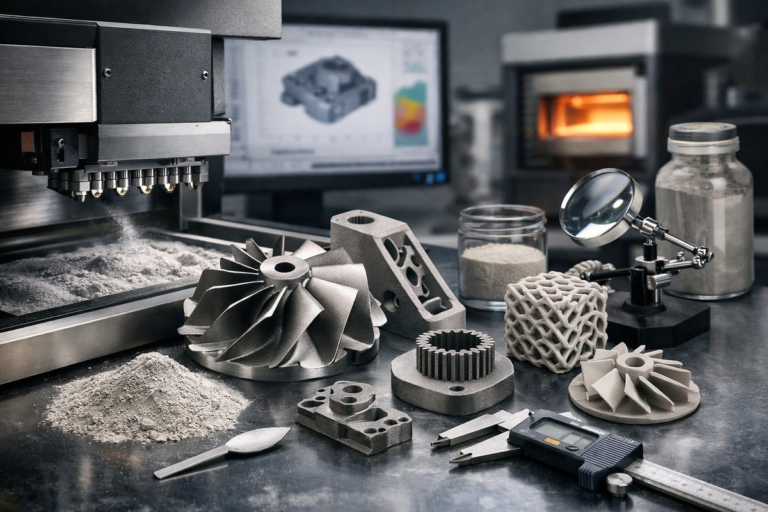
Material selection plays a pivotal role in binder jetting success. Common powders include stainless steel, tool steel, bronze, and ceramics like alumina or silica sand. Particle size distribution affects flowability and packing density, influencing final part strength and resolution. Many suppliers offer pre-mixed powders optimized for binder jetting, but experimenting with blends can tailor properties for specific applications.
Safety and sustainability considerations are also important. Handling fine powders requires dust control measures and protective equipment to minimize inhalation risks. Recycling unbound powder reduces waste and cost, but it must be monitored for contamination and particle degradation.
For enthusiasts and professionals interested in exploring binder jetting, several desktop and industrial-scale machines are available, offering various build volumes and resolutions. Open-source software platforms facilitate slicing and print preparation, while advanced simulation tools help optimize parameters for new materials or geometries.
In summary, binder jetting is a versatile additive manufacturing technique that combines speed, detail, and material flexibility. By mastering powder handling, binder deposition, and post-processing workflows, makers can produce complex metal and ceramic parts with applications ranging from prototyping to functional components. Integrating CNC finishing further enhances precision and surface quality, bridging the gap between additive creativity and subtractive refinement.
Whether you are a curious hobbyist or a seasoned fabricator, experimenting with binder jetting can expand your capabilities and inspire innovative design solutions. Embrace the balance of layering and subtracting, and discover how this technology transforms raw powders into purposeful, high-performance objects.