Location
Mount Vernon, WA 98274

Location
Mount Vernon, WA 98274
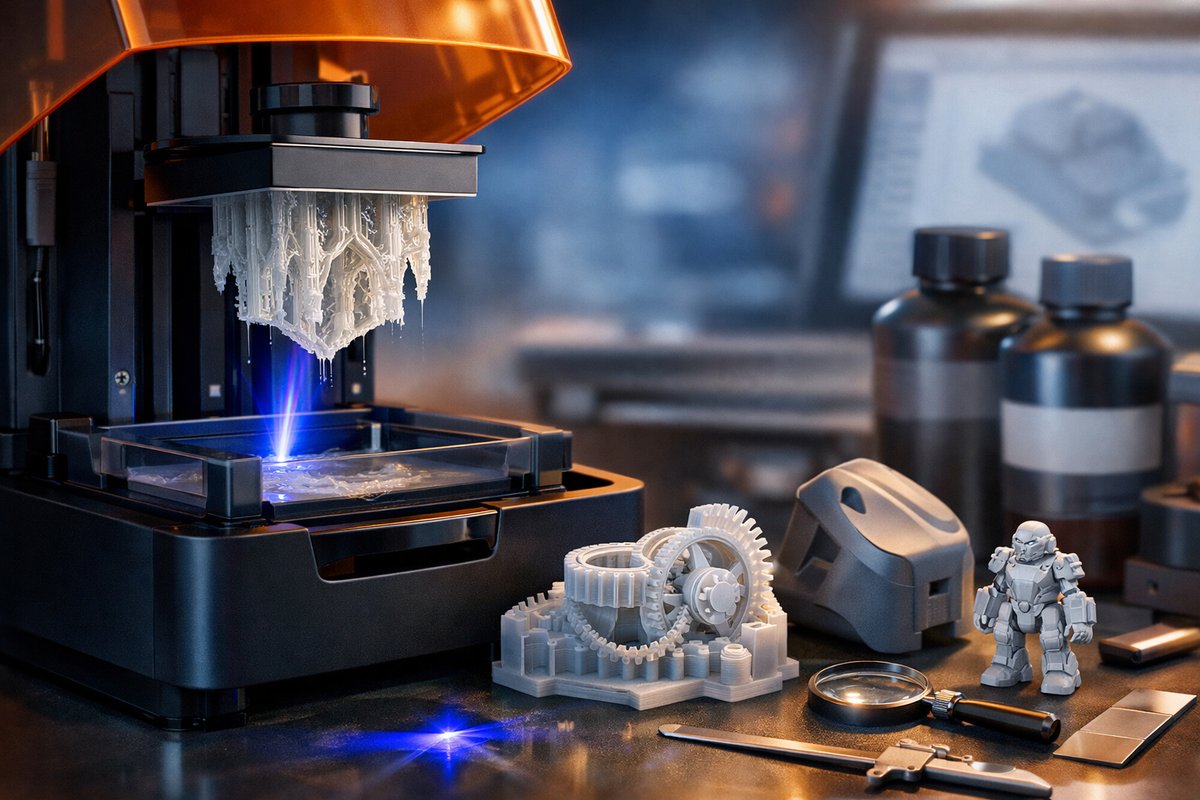
Stereolithography (SLA) offers an exceptional gateway into the world of high-precision additive manufacturing. By using light to cure liquid resin layer by layer, SLA enables the creation of detailed, smooth, and functional prototypes or end-use parts. This guide walks you through the essentials of SLA technology, highlighting key components and practical tips to inspire your own creative and technical explorations.
Additive manufacturing has revolutionized how we transform digital ideas into physical objects, and among the many techniques available, stereolithography (SLA) stands out for its precision and surface quality. SLA is a form of vat photopolymerization that uses a laser or digital light projector to selectively cure liquid resin into solid layers, building objects with exceptional detail and smooth finishes. This method is particularly popular in industries such as dentistry, jewelry, and engineering prototyping, where accuracy and fine features are critical.
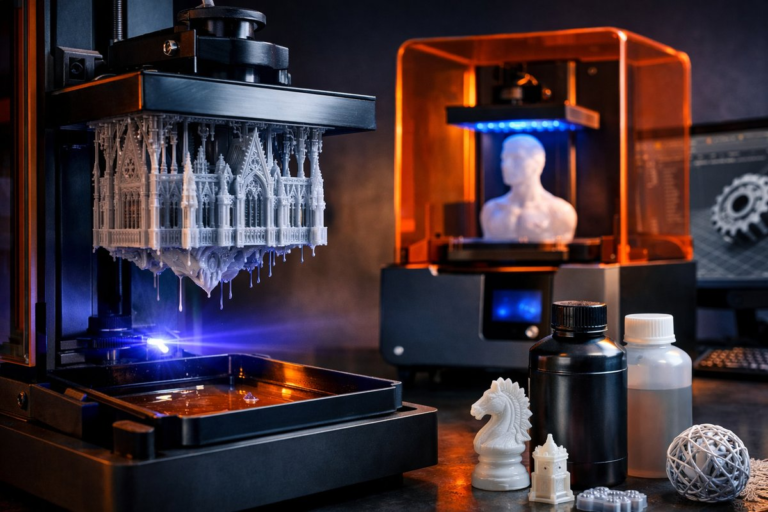
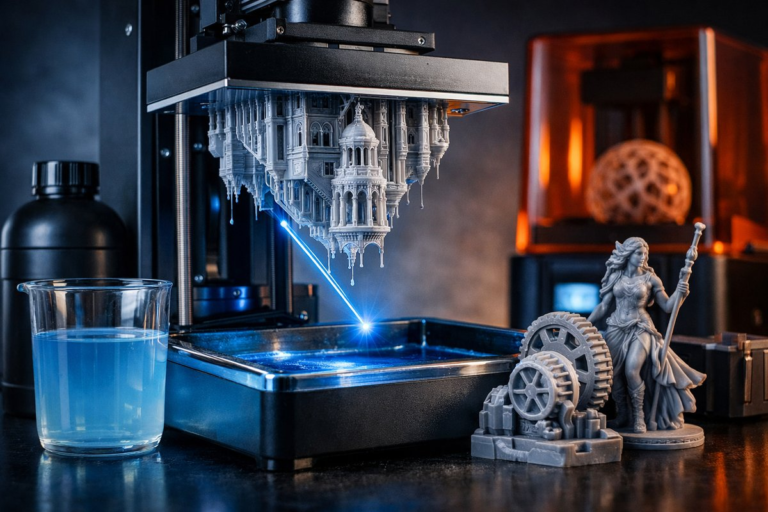
Understanding SLA begins with its core process: a build platform is submerged just below the surface of a vat filled with photosensitive resin. A focused light source traces the cross-section of the object on the resin’s surface, solidifying it. The platform then moves to allow fresh resin to flow over the cured layer, and the process repeats layer by layer until the object is complete. This layer-by-layer curing ensures intricate geometries and fine details are achievable, often surpassing the resolution limits of fused filament fabrication (FFF) or selective laser sintering (SLS).
One of the most compelling reasons to try SLA is the quality of the finished parts. Unlike filament-based 3D printing, SLA parts have a smooth surface that often requires minimal post-processing. This makes SLA ideal for prototypes that need to look and feel like the final product or for functional parts where surface finish affects performance. Additionally, SLA resins come in a variety of formulations tailored for different applications, including flexible, tough, castable, and biocompatible materials.
To embark on your SLA journey, selecting the right printer is paramount. Desktop SLA printers have become increasingly accessible, featuring compact footprints and user-friendly interfaces. When choosing a printer, consider the resolution of the light source (measured in microns), build volume, and compatibility with third-party resins. A higher resolution laser or LCD screen enables finer details but may increase print times. Meanwhile, build volume dictates the maximum size of your projects.
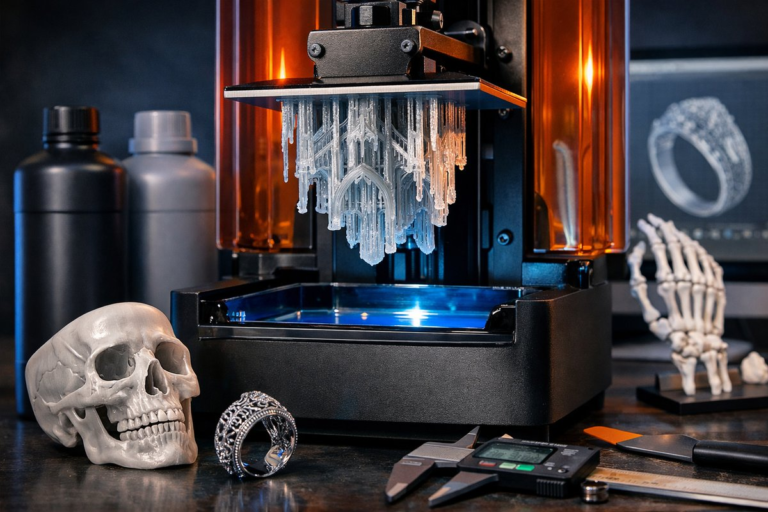
Equally important is the choice of resin. Standard photopolymer resins are excellent for general-purpose printing, offering a good balance of strength and detail. For more specialized needs, tough resins simulate the durability of ABS plastics, while flexible resins allow for bendable parts. Castable resins are formulated to burn out cleanly, making them perfect for investment casting in jewelry or dental applications. Biocompatible resins open doors to medical modeling and custom prosthetics, though they require strict handling protocols.
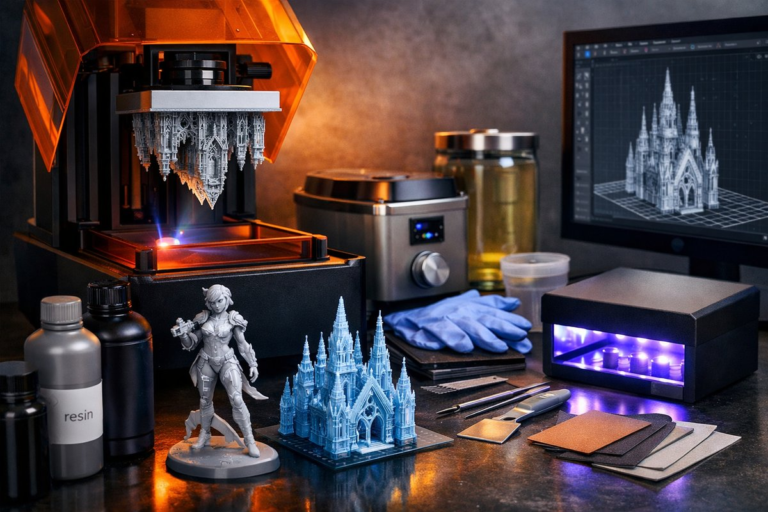
Post-processing is a crucial step to unlock the full potential of SLA prints. After printing, parts typically require rinsing in isopropyl alcohol to remove uncured resin residues. Following cleaning, a post-curing step using UV light enhances mechanical properties and stabilizes the material. Some users also sand or polish their parts to achieve a flawless finish, especially for display or functional prototypes.
Safety considerations should not be overlooked. Liquid resins can be toxic or irritating to skin and eyes, so wearing nitrile gloves and working in a well-ventilated area is recommended. Proper disposal of resin waste and used alcohol baths is essential to minimize environmental impact.
To get started, design your model using CAD software that exports STL or OBJ files. Many SLA printers come with slicing software that prepares your model for printing, allowing you to adjust layer height, support structures, and orientation. Supports are especially important in SLA to prevent delicate features from deforming during printing.
Experimenting with SLA can be both a technical challenge and a creative adventure. Whether you’re crafting intricate jewelry, detailed miniatures, dental molds, or engineering prototypes, SLA offers a blend of precision and versatility that invites exploration. The ability to produce parts with fine detail and smooth surfaces opens up possibilities that are difficult to achieve with other additive manufacturing methods.
In summary, stereolithography is a powerful additive manufacturing technique that balances precision, surface quality, and material versatility. By understanding the interplay between printer capabilities, resin types, and post-processing techniques, you can confidently create parts that meet demanding specifications. This hands-on guide aims to inspire you to explore SLA’s potential, whether for professional projects or personal innovation.
As you dive into SLA printing, remember that patience and practice are key. Each project will teach you more about the nuances of the process, from optimizing print settings to mastering post-processing. With the right tools and materials, you’ll soon be transforming digital designs into tangible objects with remarkable fidelity and finish.