Location
Mount Vernon, WA 98274

Location
Mount Vernon, WA 98274
Where creativity meets curiosity—exploring the forms, functions, and philosophies of visual expression.
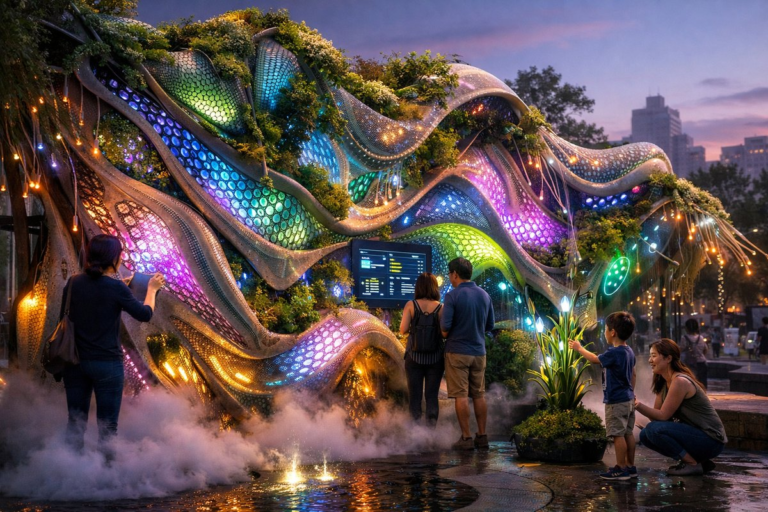
A new wave of public art is merging biology, sensor networks, and generative design to create installations that breathe, pulse, and evolve with their surroundings. These living tapestries respond to environmental data in real time, challenging traditional notions of permanence and inviting communities to engage with art as a dynamic, ecological partner.
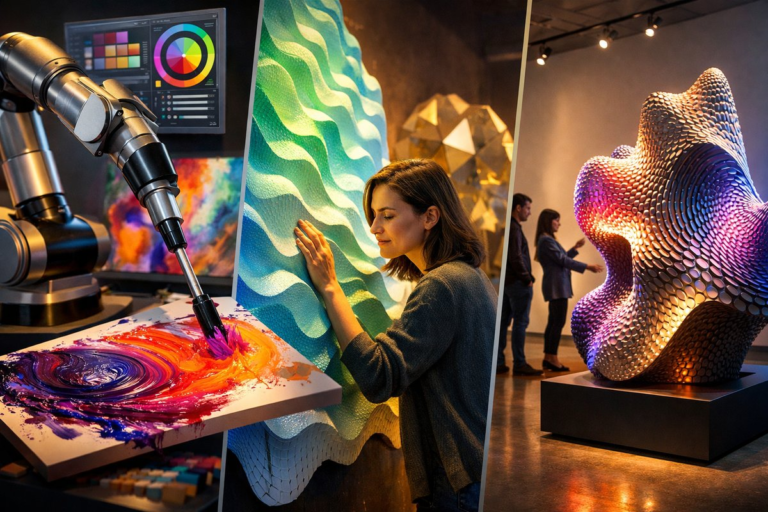
A new wave of art and design is emerging at the intersection of artificial intelligence and physical materials. From AI-driven pigment mixing to haptic feedback sculptures, creators are redefining how we experience texture, form, and interactivity in gallery spaces and public installations.
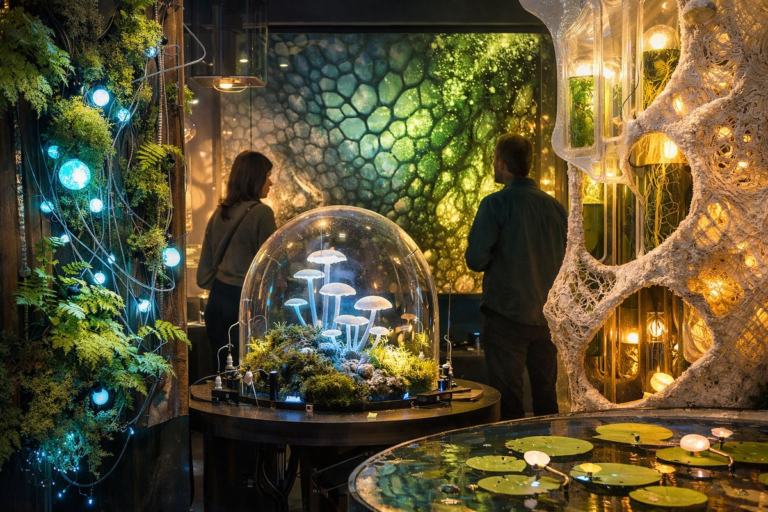
At a recent biodesign showcase, artists and engineers revealed installations that blend living organisms, sensor networks, and sustainable materials into immersive visual experiences. These works challenge our definitions of canvas and code, inviting audiences to witness art that grows, adapts, and sometimes even heals itself.
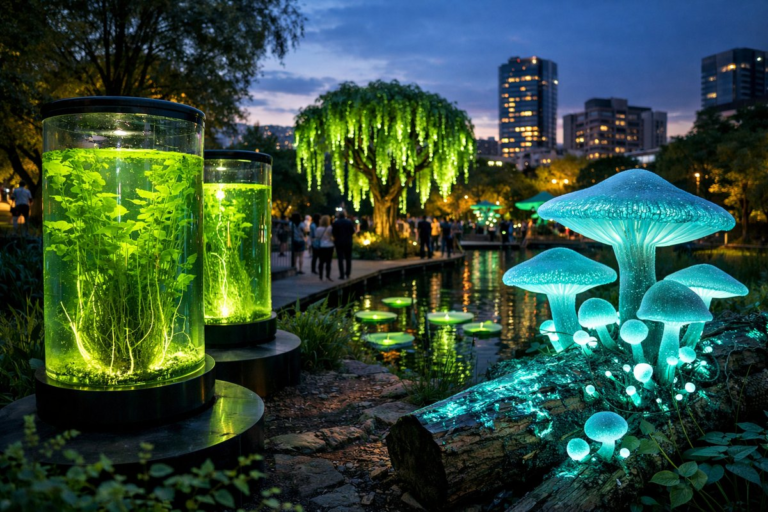
A new wave of artists is collaborating with biologists to cultivate living light sources for public installations. From algae-filled planters to genetically engineered fungal sculptures, urban spaces are being transformed into glowing ecosystems that challenge assumptions about art, nature, and technology.
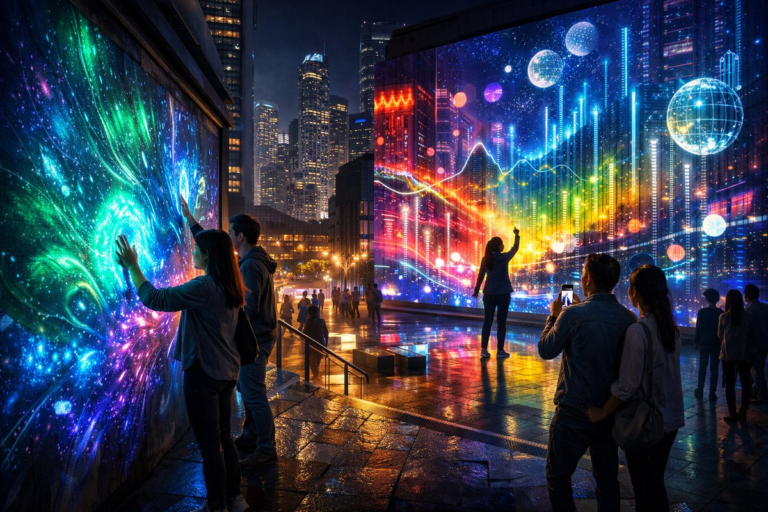
Cityscapes are morphing into living laboratories as artists fuse adaptive materials and responsive technologies to redefine public and gallery environments. Bioluminescent paints that pulse with human touch and projection-mapped murals synced to real-time data invite viewers to move from spectator to co-creator.
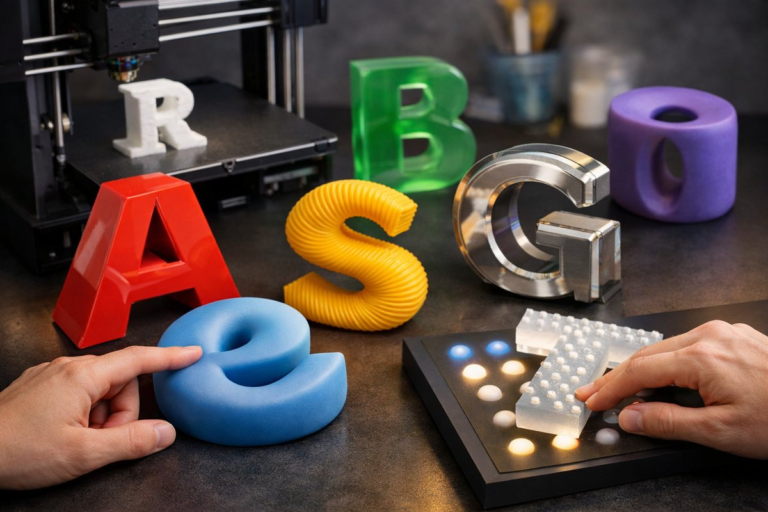
A new wave of artists and designers is transforming letterforms from two-dimensional symbols into fully three-dimensional, touchable sculptures. By blending 3D printing, silicone casting, and interactive feedback, haptic typography invites viewers to feel language as well as read it.
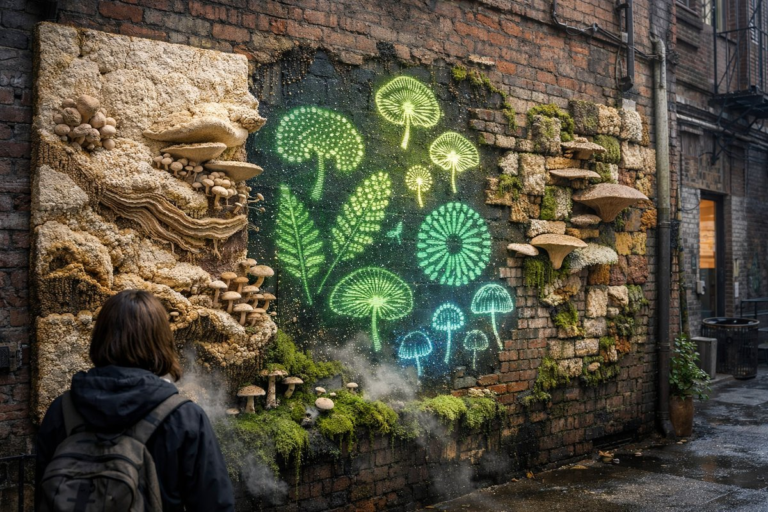
Emerging at the intersection of biotechnology and street art, mycelium-based installations are transforming city walls into living mosaics. From humidity-responsive fungal panels to glowing spore prints, artists and designers are pioneering sustainable expressions that grow, adapt, and decompose on demand.
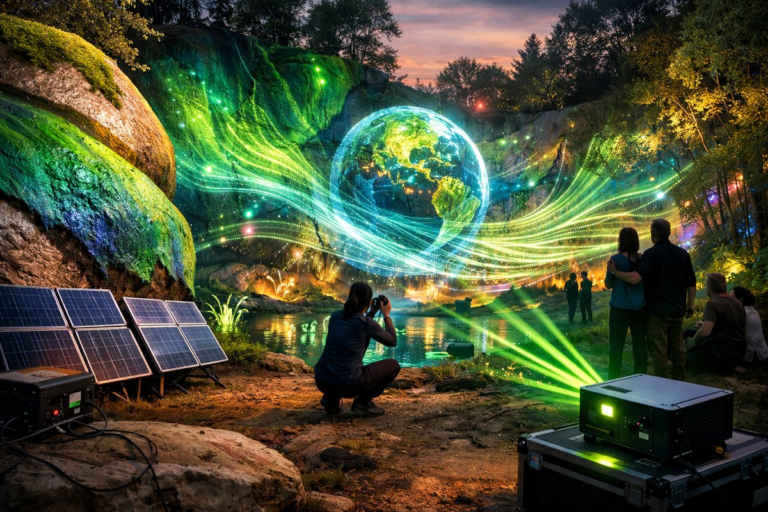
Artists and designers are merging eco-friendly materials with advanced projection mapping to create dynamic, site-responsive installations that speak to environmental awareness and community engagement. From algae-based inks that shift hues with humidity to laser projection systems powered by portable solar arrays, this article explores how creativity and sustainability converge in living lightscapes.
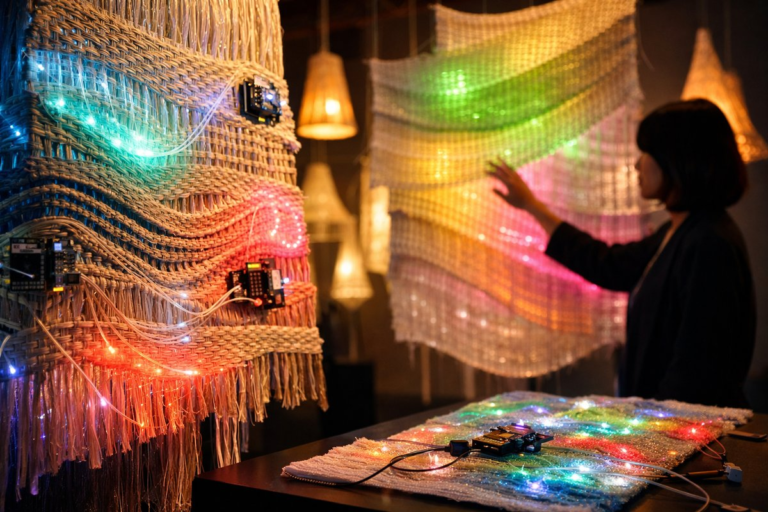
A new wave of artists is blending centuries-old weaving techniques with cutting-edge illumination and microcontrollers. Recent exhibitions showcase fiber optic textiles that shift color, respond to motion, and explore sustainable materials, signaling a luminous frontier in experimental design.

Frieze New York's latest edition unveiled a new wave of artworks built from living cells, bioluminescent algae, and self-assembling mycelium. Sensor-driven fabrics and recycled biopolymers are forging a deeper dialogue between nature, technology, and human emotion.