Location
Mount Vernon, WA 98274

Location
Mount Vernon, WA 98274
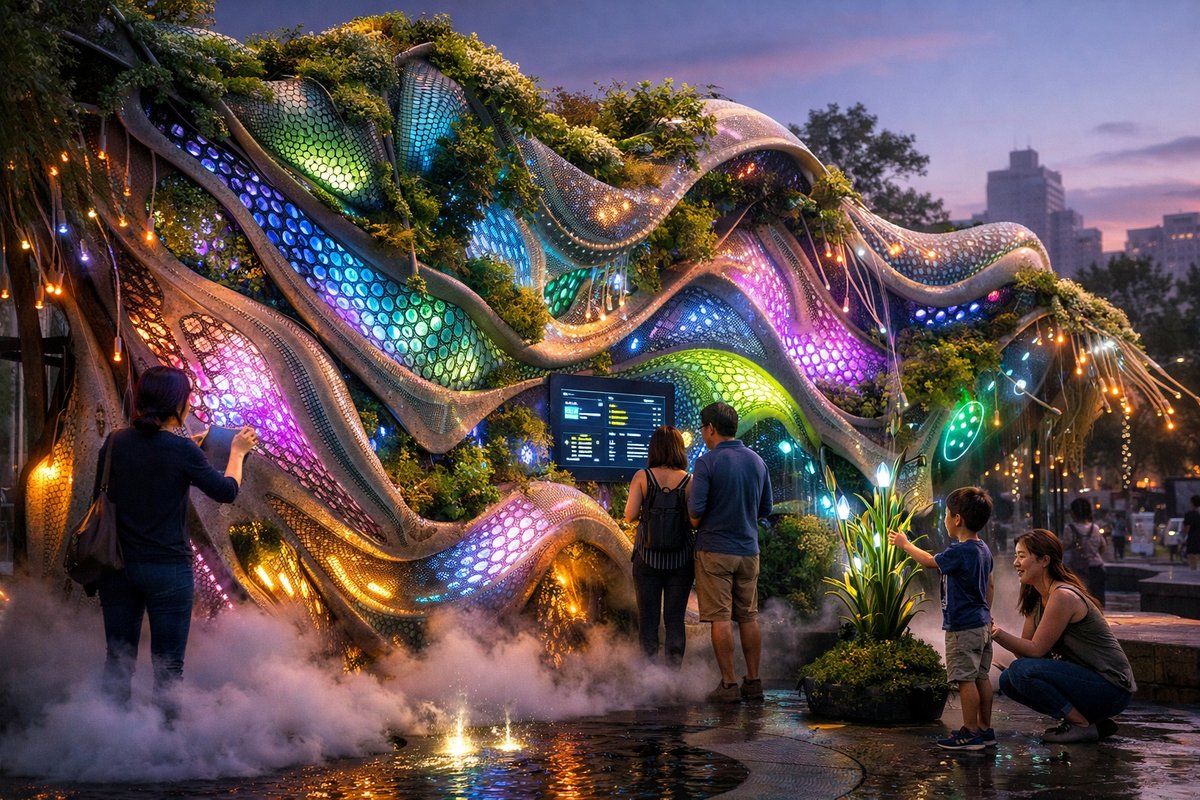
A new wave of public art is merging biology, sensor networks, and generative design to create installations that breathe, pulse, and evolve with their surroundings. These living tapestries respond to environmental data in real time, challenging traditional notions of permanence and inviting communities to engage with art as a dynamic, ecological partner.
In the heart of several world cities, public plazas and transit hubs are no longer just backdrops for static sculptures and murals. Instead, they have become laboratories for bio-adaptive art installations-works that integrate living organisms, environmental sensors, and responsive materials into an ever-changing visual tapestry. These projects bridge art, science, and sustainability to invite audiences into immersive experiences that unfold unpredictably, influenced by rainfall, air quality, human presence, and even microbial activity.
At a waterfront park in Rotterdam, a sprawling green wall called “Rhythms of the Tide” uses moss cultures embedded in modular panels. Each panel contains moisture sensors and tiny actuators that adjust spacing, creating subtle ripples across the surface as humidity levels shift. Passersby see patterns ebb and flow, a living resonance with the river beyond. Nearby benches are fitted with pressure-sensitive carpets that send data to the wall’s control system, triggering color-shifting algae displayed behind translucent resin sheets.
By combining living organisms with digital controls, these installations redefine the relationship between viewer and artwork. A collective at the local art institute describes their mission as fostering “dialogues between city dwellers and the ecosystems around them.” Instead of static images, they offer environments that feel alive. Visitors report unexpected moments of wonder: a panel brightening at dawn when dew condenses on its surface, or a corridor of bioluminescent fungi glowing faintly after dusk.
Ecological sensitivity drives many of these bio-adaptive commissions. Art foundations and municipal agencies are prioritizing projects with minimal energy footprints and maximal biodiversity benefits. Designers are sourcing upcycled electronics, reclaimed plastics, and low-power microcontrollers. One installation tucked under a highway overpass repurposed old streetlight poles as sensor hubs, powering them with small solar panels. The result is a nocturnal symphony: LEDs bathe creeping ivy in soft hues that intensify when air pollution spikes, drawing attention to the hidden consequences of traffic emissions.
Behind the scenes, the technical frameworks borrow from precision agriculture and smart building systems. Soil moisture probes, gas sensors, and microclimate stations feed data into open-source software that applies generative algorithms. These algorithms convert raw numbers into visual commands for actuators, lights, or responsive inks. In some cases, machine learning models analyze weeks of environmental patterns to predict upcoming fluctuations, enabling the installation to “anticipate” events like heatwaves or heavy rain.
The interplay of art and technology extends beyond passive observation. Workshops led by community groups teach participants how to program red, green, and blue LEDs and create their own mini-installations on recycled signage. Digital tutorials demystify the wiring of development boards and the calibration of humidity sensors. By lowering entry barriers, these collectives hope to inspire the next generation of ecological designers and civic technologists.
Not all bio-adaptive art lives on grand scales. Independent designers are creating desktop ecosystems that respond to ambient sound. Tiny aquaponic vignettes hold fish and aquatic plants in glass terrariums equipped with water-quality monitors. When noise levels rise above a threshold-say, during a lively video call-embedded LEDs cast a soothing blue glow, prompting the user to lower their voice or take a break. These smaller demos offer proof-of-concept for how living art might integrate into homes and offices.
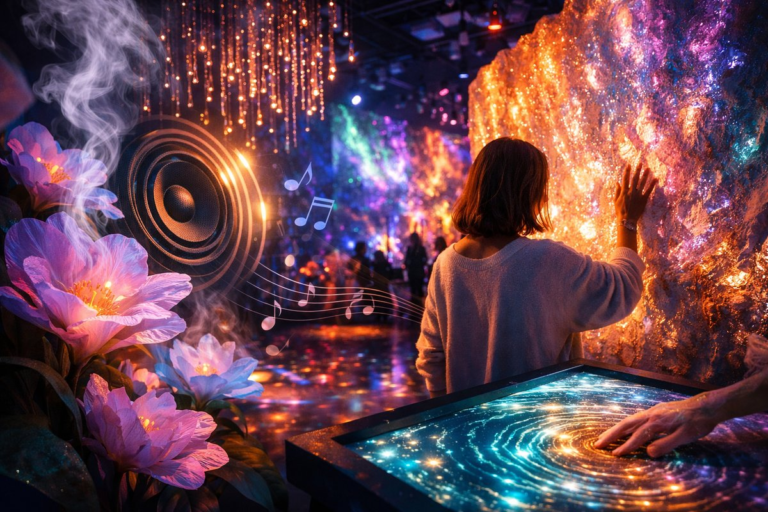
Exhibition programs at design biennales are embracing this cross-disciplinary surge. A pavilion at a recent event in Milan featured porcelain tiles laced with seeds; visitors stepped on them, breaking the surface and scattering spores that sprouted into grasses over weeks. Nearby, a “sound garden” used air-movement sensors to transform passing voices into wind-chime melodies played through hidden speakers. Curators emphasize that such works are not mere gimmicks but experiments in forging deeper connections between humanity and the environments we shape.
Critics have raised important questions about the ethics and durability of living installations. What happens when organisms die or sensors fail? How do we ensure maintenance doesn’t become a resource-intensive burden? Some artists choose fast-growing or self-seeding species to facilitate regeneration, while software architects build fallback modes-default light patterns that engage in absence of real-time data. Those planning long-term commissions factor in local climate projections and collaborate with horticultural specialists to match plant species with site conditions.
Beyond aesthetics and novelty, bio-adaptive art offers potential environmental benefits. Green walls can improve air quality, reduce urban heat islands, and foster microhabitats for insects and birds. Interactive plantings coax people to reflect on water use and carbon emissions. In one city, an installation documented precipitation data over months, feeding visuals that educated residents about shifting rainfall patterns and water management challenges.
Looking ahead, designers are exploring fully biodegradable materials and living circuits grown from fungal mycelium. Researchers have demonstrated conductive biofilms made from bacteria, hinting at future artworks that repair themselves or decompose harmlessly at end of life. Imagine a mural that dissolves in the rain, leaving only seeds to sprout wildflowers in its place.
The frontier of bio-adaptive art is still taking shape, animated by collaborations between artists, engineers, ecologists, and community organizers. Each project reframes public space as a collaborator, not just a canvas. Visitors become garden tenders, data witnesses, or co-authors of ever-shifting narratives written in light, plant, and code.
For urban planners and cultural commissioners, these works pose stimulating challenges: How do we allocate budgets for living infrastructure? What policies ensure longevity without sacrificing ecological integrity? As bio-adaptive installations gain traction, they present a compelling model for sustainable, participatory art-one that thrives on unpredictability and invites us all to imagine cities not as static backdrops but as ecosystems in dialogue with every breath we take.
In a time when environmental stewardship feels urgent, living tapestries offer a poetic reminder that art can be both witness and actor. By weaving biology and technology, artists are charting new paths for public engagement, revealing that our urban landscapes can pulse with life long after the spotlight moves on.