Location
Mount Vernon, WA 98274

Location
Mount Vernon, WA 98274
Exploring sustainable farming, animal care, and rural innovation.
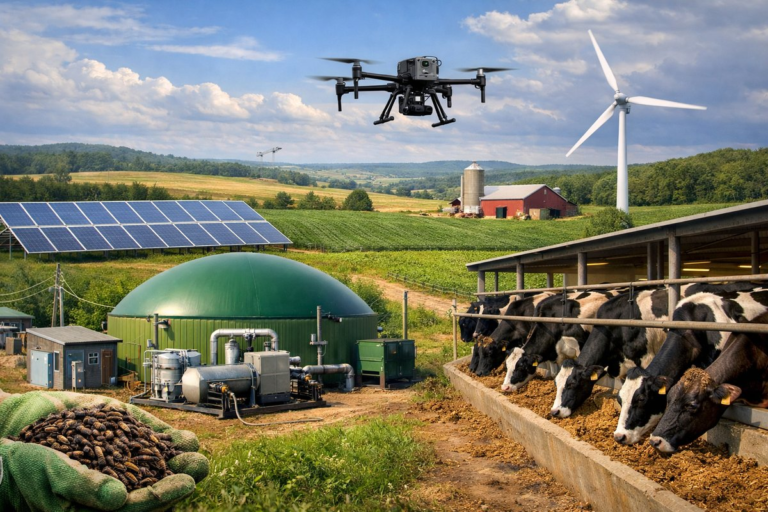
A family-run demonstration farm has launched a groundbreaking pilot that integrates precision monitoring drones, black soldier fly larvae feed, on-farm biogas recovery, and a solar-wind microgrid to cut livestock emissions by over a third. The program aims to prove that regenerative practices and cutting-edge tools can coexist on mid-sized operations without sacrificing profitability or animal welfare.
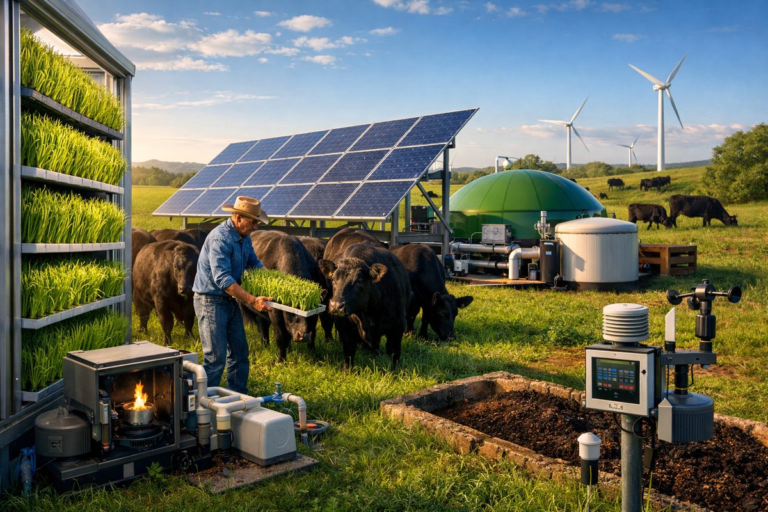
A collective of Midwestern ranchers has launched an integrated pilot blending solar power, IoT sensors, hydroponic fodder and small-scale biogas to improve animal welfare, boost yields and sequester carbon on pasture. Early results suggest a model that could reshape livestock operations worldwide, blending tradition with cutting-edge technology.
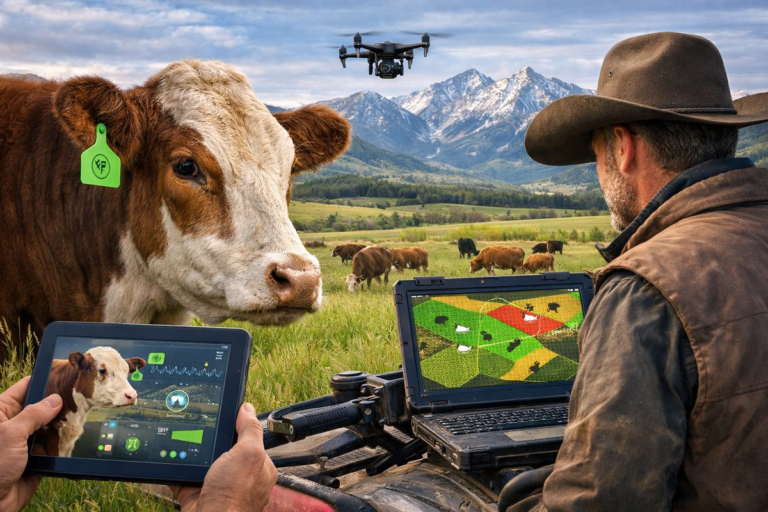
A coalition of ranchers in the Rocky Mountain region has launched a pilot program combining biodegradable RFID ear tags with AI-powered pasture mapping. Early results show gains in animal health, pasture resilience, and traceability, paving the way for a new era of sustainable livestock farming.
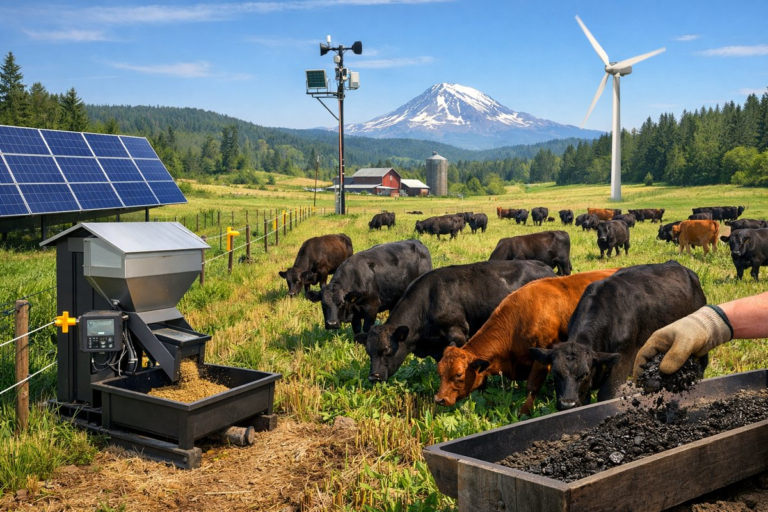
A new pilot project in the Pacific Northwest is combining pasture cropping, automated feeding, and renewable energy to slash greenhouse gases and improve animal welfare on a working cattle ranch. The initiative integrates solar fencing, biochar supplements, and precision sensors to create a blueprint for low-carbon livestock management.
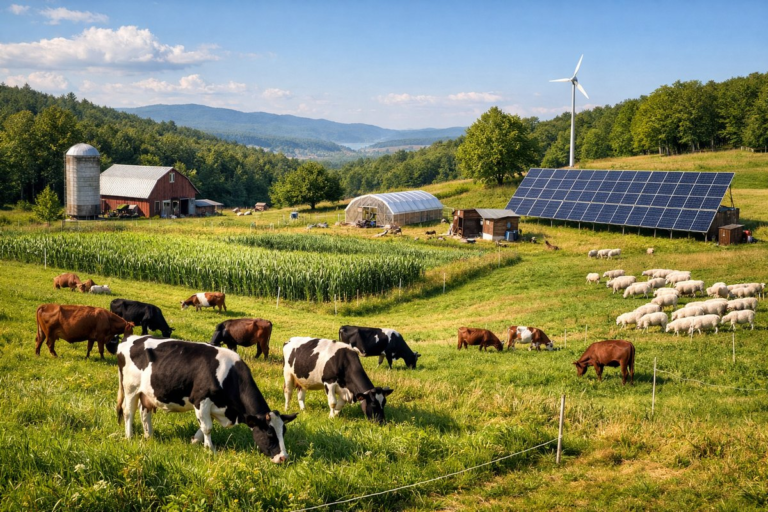
On a rolling hillside in Vermont, a new cooperative farm is proving that livestock health and carbon sequestration can go hand in hand. By combining rotational grazing, pasture cropping, and off-grid solar systems, this initiative is redefining sustainable animal agriculture and rural resilience.
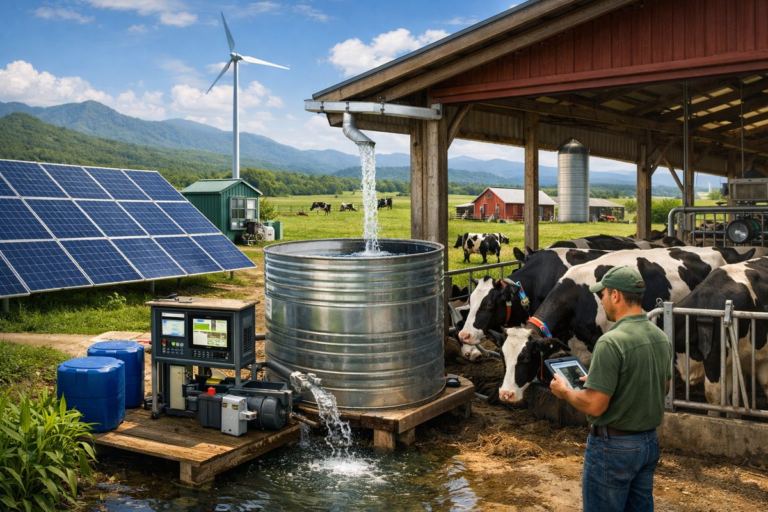
A group of dairy farmers in Vermont's Champlain Valley has unveiled a pilot project that marries solar microgrids, rainwater harvesting and precision livestock technologies. Backed by a USDA grant, this initiative aims to cut energy costs, improve herd welfare and set a model for resilient, low-carbon dairy operations nationwide.
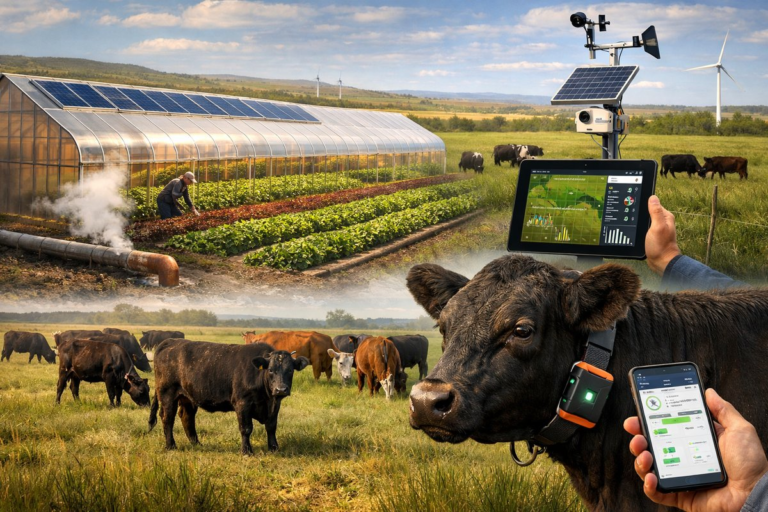
A farmer-owned cooperative in the Great Plains is pioneering an integrated system that combines geothermal greenhouses, IoT-driven pasture monitoring, and wearable livestock trackers. Early results show dramatic cuts in feed costs, improved animal welfare, and a stronger local meat supply chain.
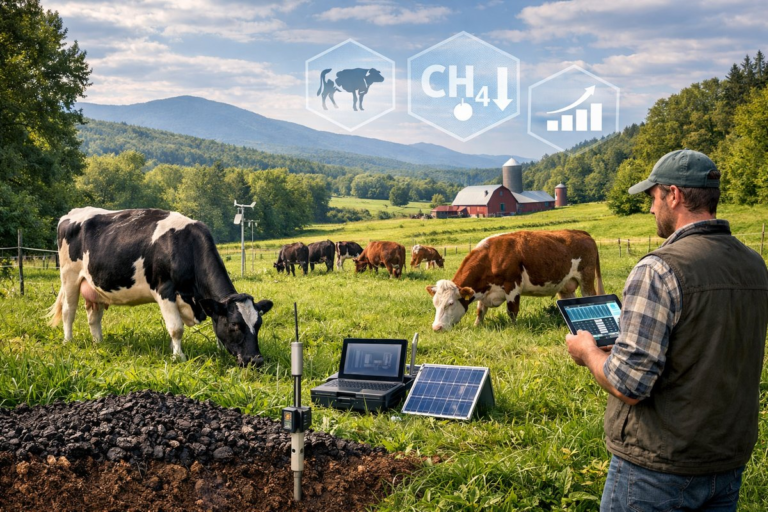
A pilot project in Vermont combines AI-driven grazing patterns with biochar-enriched pasture to cut methane emissions and improve animal health. Early results show a drop in greenhouse gases and stronger weight gains, offering a replicable path for low-impact livestock management.
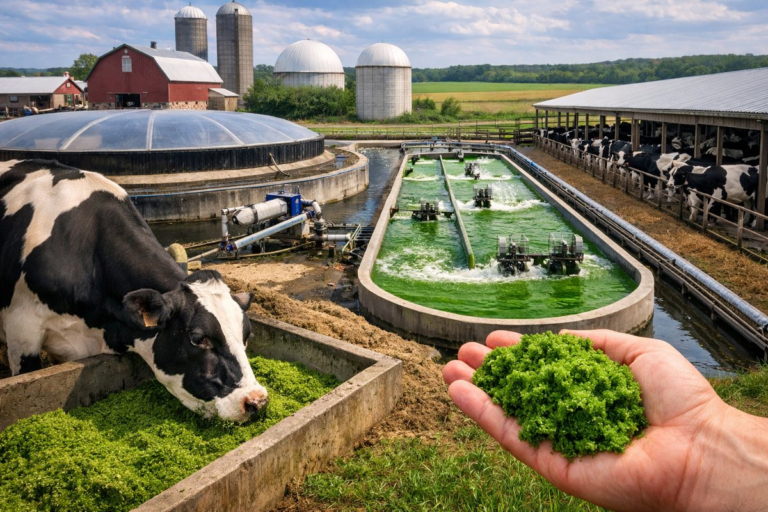
A family-run dairy operation in Wisconsin is pioneering a closed-loop system that recycles parlor wastewater into high-protein algae biomass for cattle feed. Early trials show potential reductions in feed bills and enteric methane emissions, hinting at a scalable model for sustainable livestock farming.
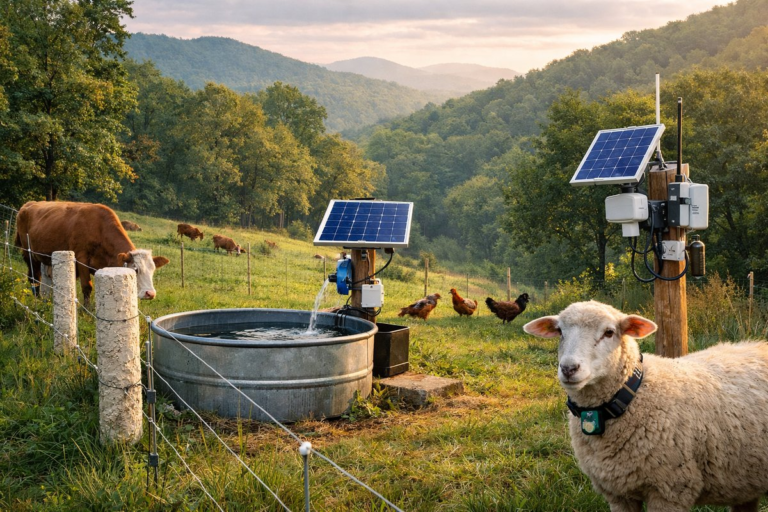
A collaborative trial in the Appalachian foothills is blending mycelium-based fencing, solar-powered water stations and open-source animal sensors to reshape livestock care. Early results point to healthier pastures, reduced inputs and a blueprinted model for small-scale farmers seeking resilience and ecological balance.