Location
Mount Vernon, WA 98274

Location
Mount Vernon, WA 98274
Exploring sustainable farming, animal care, and rural innovation.

A coalition of Midwestern farmers has launched a groundbreaking pilot that weaves trees, sensor networks, and robotics into traditional grazing lands. Early results suggest improvements in soil health, animal comfort, and greenhouse gas reductions, offering a replicable model for sustainable livestock systems.
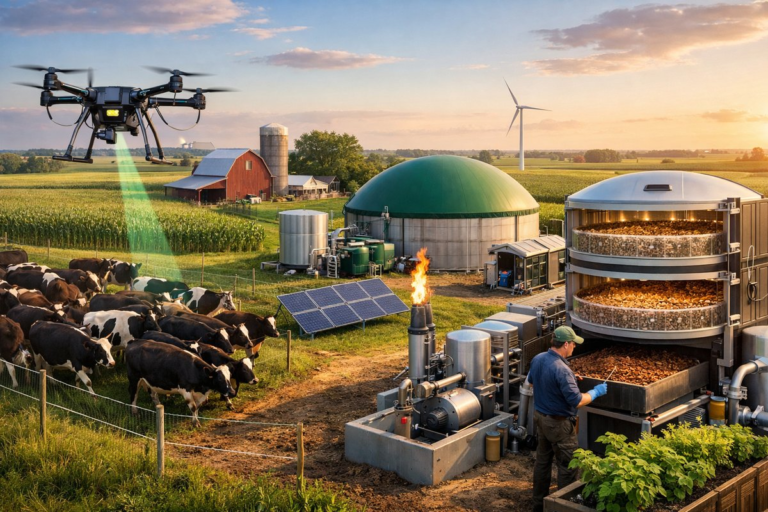
A diversified family ranch in the Corn Belt is piloting an integrated agritech model that pairs drone-guided grazing, on-site insect protein reactors and a mini biogas plant. The modular system aims to shrink methane output, cut feed costs and bolster soil health-a blueprint for sustainable livestock care.
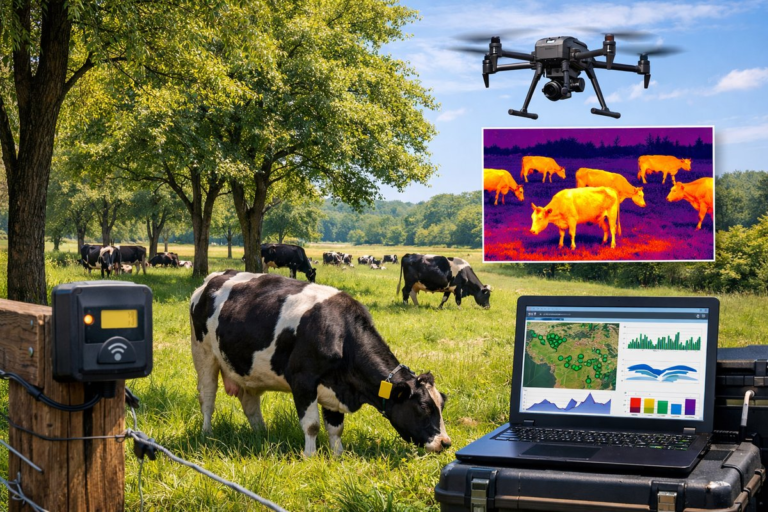
A growing wave of producers is integrating trees into pastures and deploying advanced monitoring systems-from thermal imaging drones to RFID tracking-to enhance animal welfare, sequester carbon, and cut operational costs. Pilot programs backed by conservation agencies demonstrate promising returns on investment and improved herd resilience.
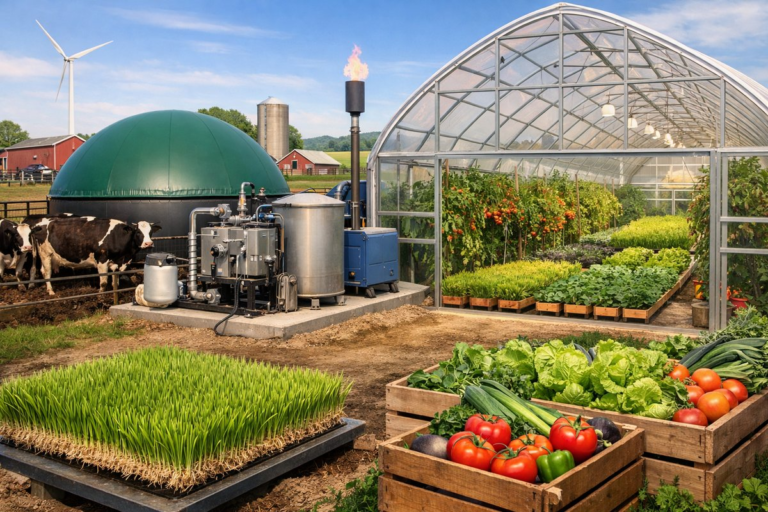
A family-run ranch in Iowa has installed a compact anaerobic digester that turns cow manure into clean biogas, powering a new greenhouse where fodder and vegetables grow year-round. The project cuts methane emissions, reduces energy costs by over 60 percent, and improves livestock nutrition, offering a replicable model for sustainable small-scale farms.
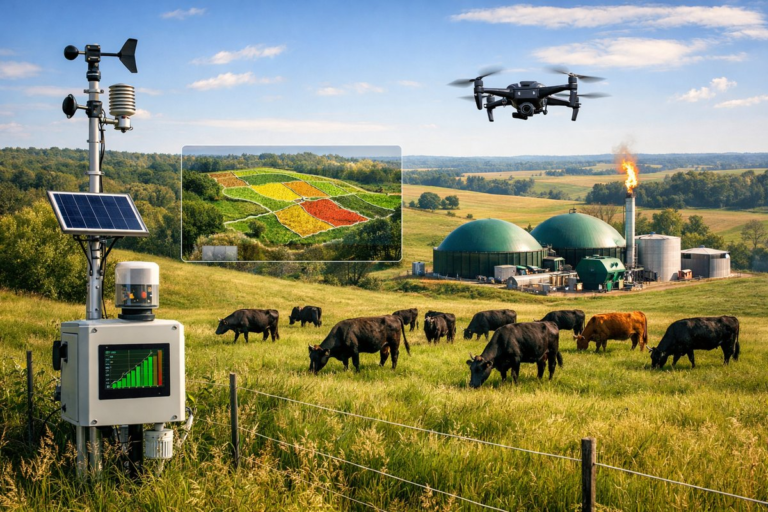
A family-owned ranch outside Des Moines has introduced an integrated approach to livestock care that combines sensor-based methane monitoring, drone-driven pasture mapping and on-site biogas production. The result is a 20 percent drop in enteric emissions, healthier grazing lands and a blueprint for regenerative farming that could ripple across the region.
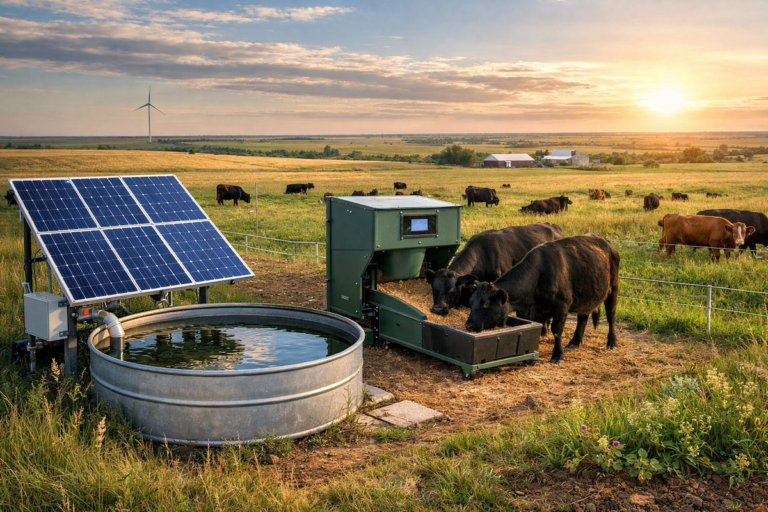
A rural cooperative in the Great Plains is piloting an integrated livestock management model combining solar-powered water systems, sensor-enabled feeders, and regenerative grazing strategies. Early results show boosted soil health, reduced input costs, and stronger herd welfare. Experts say this modular approach could set a blueprint for farm operations worldwide.

A family-run farm in the rolling hills of central Kansas has turned waste into wealth by cultivating black soldier fly larvae to feed its pigs while generating biogas for greenhouse lighting. Their innovative, closed-loop approach offers a roadmap for other livestock operations seeking energy independence and reduced feed costs.
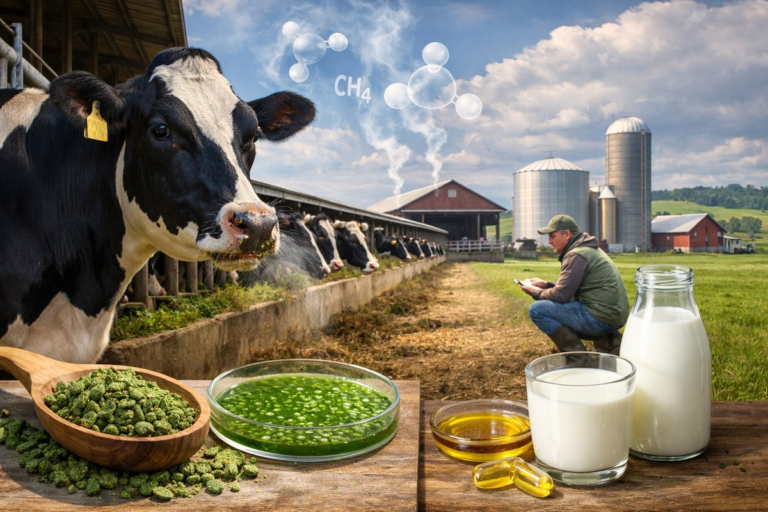
A Mid-Atlantic dairy cooperative is testing microalgae-supplemented feed across 50 farms, aiming to reduce methane emissions while boosting milk yield and quality. Early results indicate a 15 percent drop in enteric methane output, along with higher omega-3 content in milk, pointing to a scalable approach for greener livestock farming.

A Northern California sheep ranch has pioneered an integrated approach to reducing greenhouse gases, combining an on-farm methane digester with drought-tolerant fodder and smart water systems. Early results show a 70 percent cut in net emissions, a blueprint that could reshape regenerative livestock across arid regions.
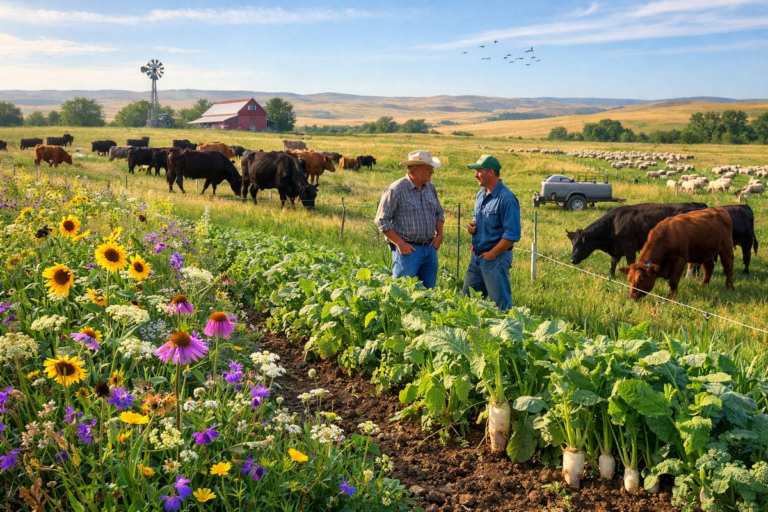
A coalition of ranchers across Nebraska and South Dakota has launched an initiative combining multi-species cover crop seed blends, rotational grazing, and pollinator strips to restore degraded grasslands. Early results show significant improvements in soil health, forage yield, and farm resilience, pointing toward a new model for sustainable livestock management.