Location
Mount Vernon, WA 98274

Location
Mount Vernon, WA 98274
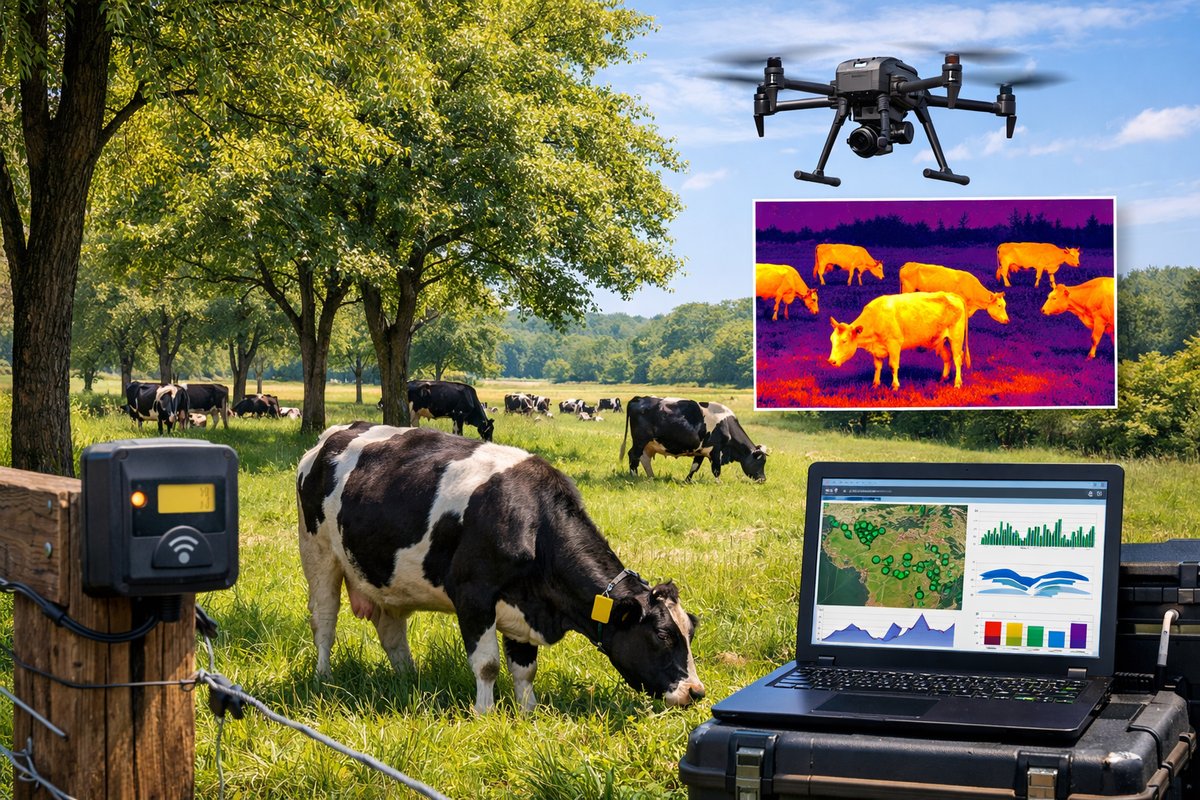
A growing wave of producers is integrating trees into pastures and deploying advanced monitoring systems-from thermal imaging drones to RFID tracking-to enhance animal welfare, sequester carbon, and cut operational costs. Pilot programs backed by conservation agencies demonstrate promising returns on investment and improved herd resilience.
Across North America and beyond, livestock producers are pioneering a blend of agroforestry and digital monitoring to craft a new paradigm in sustainable farming. Silvopasture-the practice of combining trees, forage, and grazing animals-is moving from experimental plots into mainstream operations, buoyed by conservation grants, university research, and equipment advances. Simultaneously, farmers are deploying thermal imaging drones, radio-frequency identification (RFID) ear tags, and portable methane sensors to gain deep insights into animal health, pasture conditions, and greenhouse gas outputs. The result is a modular approach that marries centuries-old silvopasture techniques with cutting-edge technology, generating measurable benefits for soil health, animal welfare, and bottom-line performance.
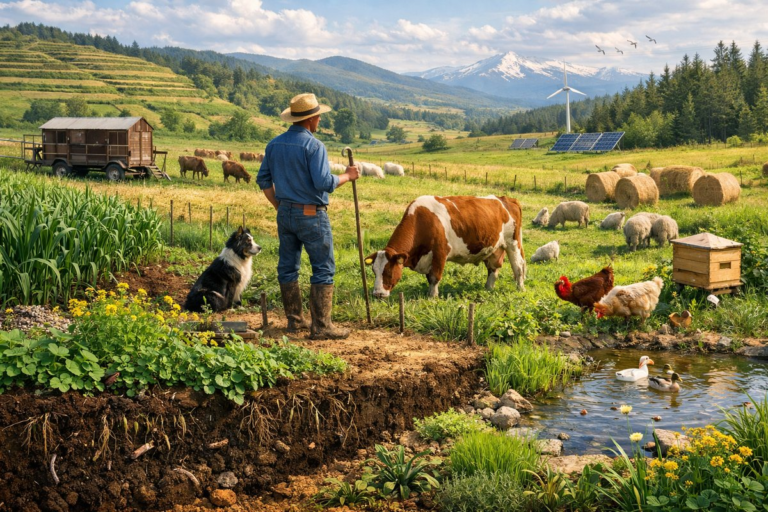
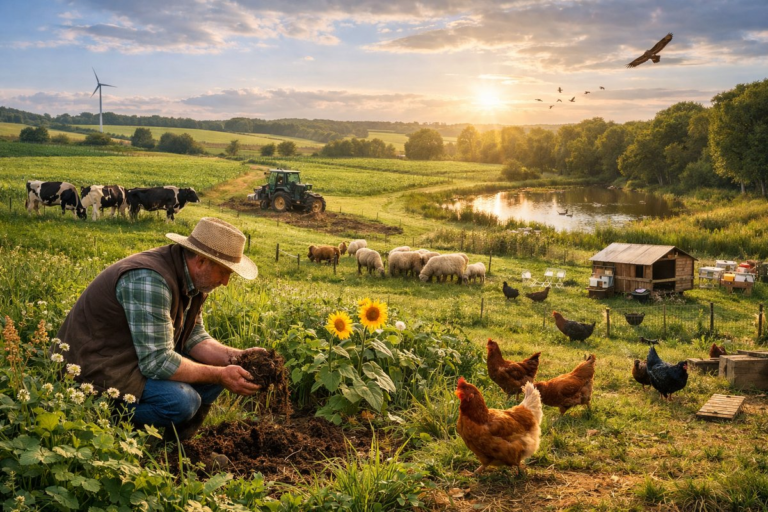
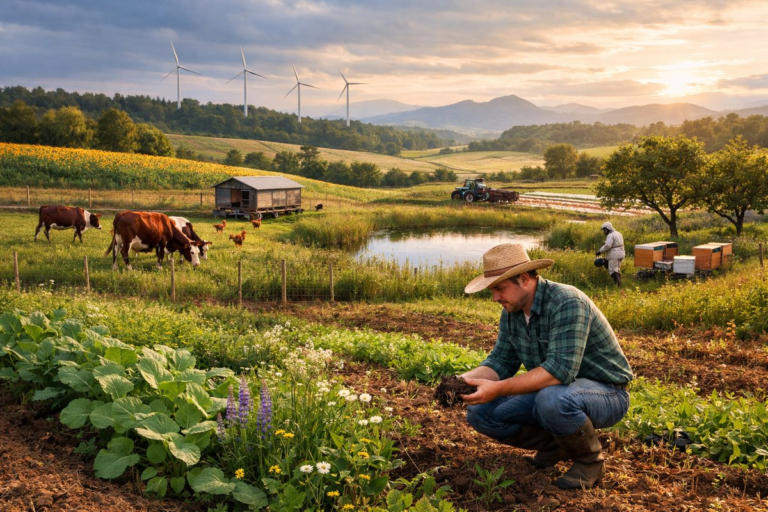
Early adopters report that integrating hardwood and nut-bearing trees into pastures not only provides shade and shelter for cattle, sheep, and goats, but also diversifies forage resources. In a pilot supported by the Natural Resources Conservation Service (NRCS), 60 family farms across the Midwest planted rows of hybrid chestnut, red oak, and nitrogen-fixing shrubs between grazing lanes. Within two grazing seasons, producers observed a 20 percent increase in weight gain per animal and a 40 percent reduction in supplemental feed costs. The deep-rooted trees improved soil structure and water retention, translating into more resilient pastures during summer droughts.
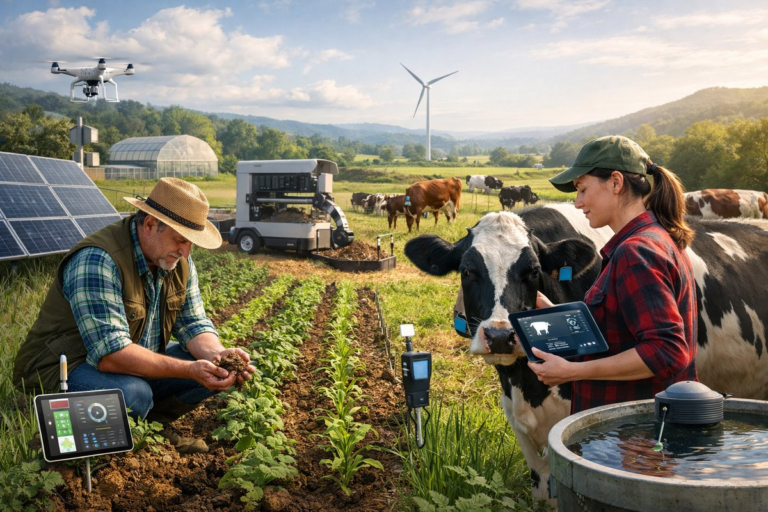
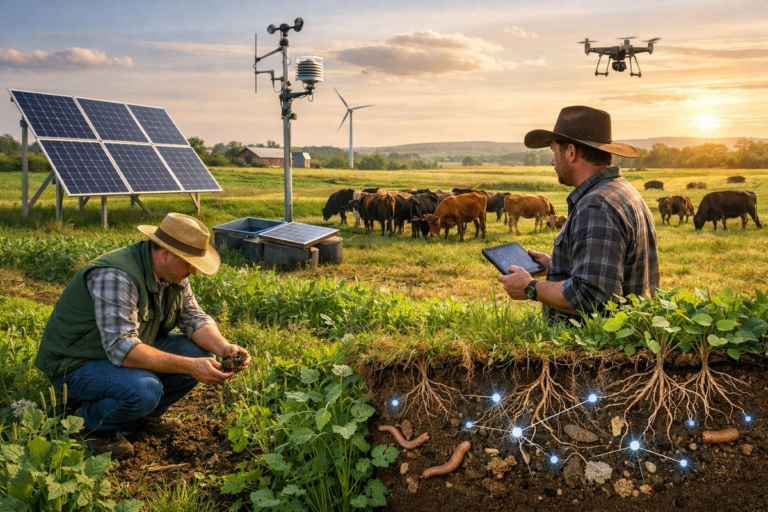
To complement that ecological framework, producers are turning to renewable energy for water distribution and fencing. Solar-powered water pumps now feed troughs without grid power, and electric net fences charged by photovoltaic panels deter wildlife and wandering livestock. Farmers who once spent hours each week hauling water or refueling generators now maintain more grazing acres with fewer labor hours. One ranch in northern California estimates annual diesel savings of nearly 1,500 gallons after installing solar pumps and battery storage for remote water points.
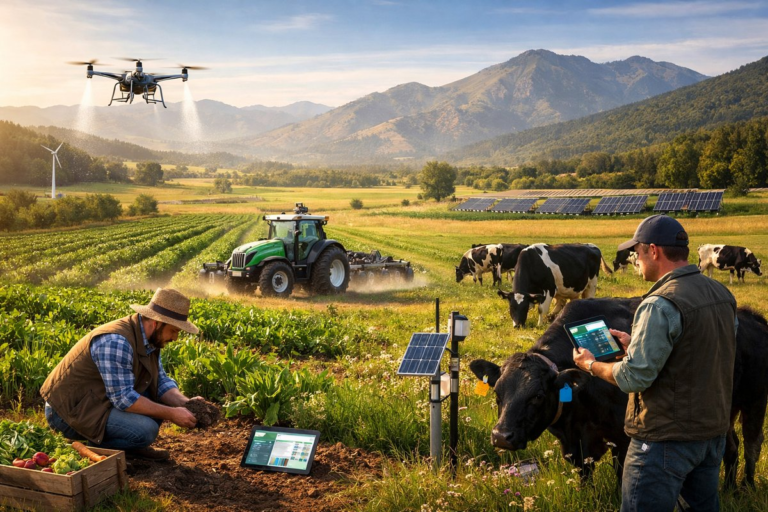
Meanwhile, precision livestock monitoring is reshaping animal care protocols. Thermal imaging drones glide over pastures at dawn, capturing high-resolution heat signatures that reveal early signs of fever, abscesses, or hoof infections. Custom software algorithms flag individual animals deviating from norm al temperature ranges, enabling targeted on-foot inspections rather than roundups of the entire herd. In one trial at a small ruminant operation in Vermont, the technology reduced clinical illness outbreaks by 30 percent and cut veterinary bills by one-third.
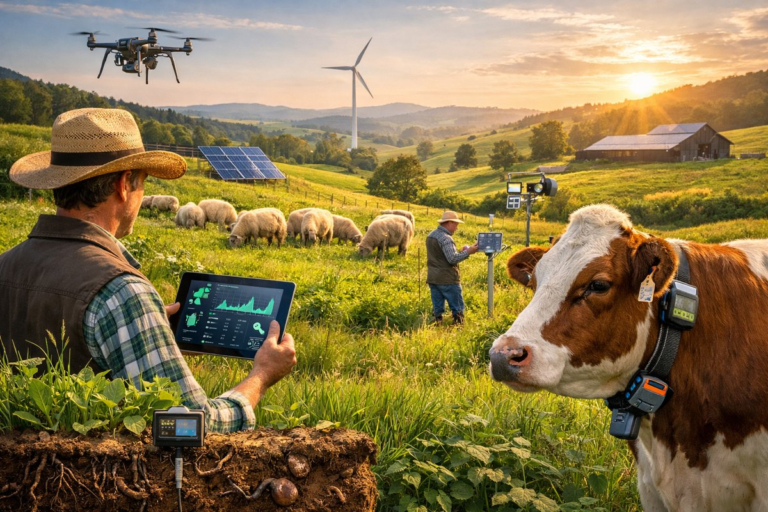
RFID ear tags add another layer of insight by recording grazing patterns, feeding times, and weight changes. Data is wirelessly transmitted to farm management platforms, where producers and advisors can spot trends in real time. If a cow is moving less or skipping feed when the rest of the herd is eating, alerts prompt a health check before minor issues escalate. This proactive stance fosters better animal welfare and lowers mortality risk during critical periods such as calving or extreme weather.
Methane emissions remain a focal point for climate-conscious livestock producers. Portable methane gas detectors allow on-farm measurement of emissions hotspots near feeding areas and loafing pens. Armed with these readings, farmers experiment with targeted interventions-altering feed composition, adjusting stocking density, or installing biogas digesters on-site. One dairy in Pennsylvania now processes manure through a modular anaerobic digester, generating enough biogas to heat its milking parlor and supply backup power. The leftover digestate is used as a nutrient-rich liquid fertilizer, closing nutrient cycles and reducing synthetic input needs.
Feed diversification through agroforestry shrubs is also gaining momentum. Producers interplant fodder shrubs like willow, chicory, and aufylder in silvopasture systems. These deep-rooted perennials provide protein-rich browse during winter months and require minimal mowing or chemical inputs. Research trials indicate that sheep grazing on mixed forage blocks with woody shrubs experience stronger immunity markers and fewer gastrointestinal upsets, thanks to natural plant compounds with antiparasitic properties.
Carbon sequestration potential is a driving force behind many silvopasture projects. Mature trees in pastures capture and store atmospheric carbon in wood, roots, and soil organic matter. When integrated on marginal land that was once tilled or overgrazed, silvopasture helps reverse soil degradation. Recent soil core analyses at demonstration farms revealed a 25 percent increase in organic carbon after five years of silvopasture management compared to conventional grazing. That improvement not only stabilizes soils against erosion and drought, but also offers eligibility for emerging carbon credit markets aimed at rewarding regenerative practices.
Although the benefits are clear, upfront costs and technical know-how remain barriers for many producers. Tree planting equipment, solar arrays, monitoring devices, and digester installments require capital and training. To bridge that gap, cooperatives and conservation districts have organized group purchases, bulk equipment rentals, and hands-on workshops. Peer-to-peer mentorship programs connect veteran silvopasture managers with newcomers, sharing detailed protocols for site selection, tree species mixes, grazing rotations, and data management.
Government support also plays a pivotal role. The Environmental Quality Incentives Program (EQIP) recently opened a dedicated silvopasture funding pool, enabling farmers to offset up to 90 percent of eligible project costs. Simultaneously, research grants from agricultural universities are fueling innovation in low-cost sensor technologies, drone analytics, and custom-designed tree shelters suited for ruminant operations. Extension services are rolling out online decision tools that model economic returns and environmental impacts under various integration scenarios.
As these modular strategies coalesce, a new kind of rural innovation network is emerging. Farmers, technologists, ecologists, and policy-makers are collaborating on open-source platforms that share data, best practices, and blueprint designs for farm infrastructure. From 3D-printed mineral supplements to cloud-based pasture modeling, the future of livestock farming looks simultaneously high-tech and deeply rooted in ecological principles. This synergy offers a path for producers to increase resilience against climate stresses, reduce chemical inputs, and build diversified revenue streams through eco-certified meat and carbon credits.
Cultivating tomorrow’s resilient landscapes hinges on a blend of time-tested agroforestry, renewable energy, and precision monitoring. By weaving trees into grazing systems and employing data-driven animal care, livestock operations can thrive both financially and ecologically. As more farms adopt silvopasture and smart technologies, these modular approaches promise to reshape rural economies, sequester carbon at scale, and enhance animal health in ways that no single tactic could achieve alone.