Location
Mount Vernon, WA 98274

Location
Mount Vernon, WA 98274
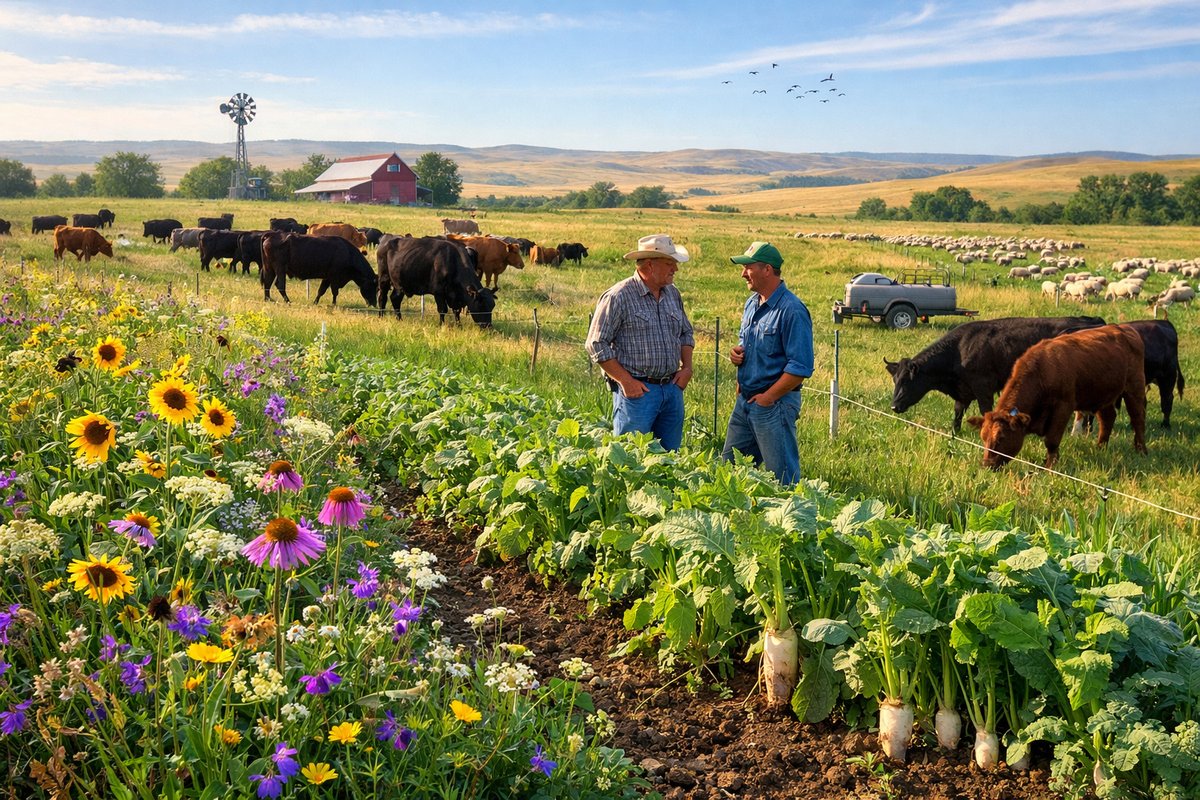
A coalition of ranchers across Nebraska and South Dakota has launched an initiative combining multi-species cover crop seed blends, rotational grazing, and pollinator strips to restore degraded grasslands. Early results show significant improvements in soil health, forage yield, and farm resilience, pointing toward a new model for sustainable livestock management.
On miles of rolling prairie between the Niobrara River and the Badlands, a quiet revolution is underway. More than a dozen ranchers, united as the Heartland Pasture Improvement Cooperative, have begun seeding degraded cattle grazing land with a diverse blend of cover crops. The goal: restore soil life, boost water infiltration, and produce higher-quality forage for livestock without relying on synthetic fertilizers or heavy machinery.
Historically, much of the Northern Plains has suffered from decades of monoculture grazing, drought stress and dwindling organic matter. In response, the cooperative ordered a custom seed mix featuring cereal rye, crimson clover, tillage radish, oats and phacelia. These species, chosen for complementary rooting depths, nitrogen-fixing capacity and pollinator attraction, create an ecosystem in miniature, charting a path from bare soil back to living ground.
The cooperative’s process begins each fall, immediately after harvest. Rather than plow under post-harvest residue, members broadcast the cover crop seeds using grain drills adapted for low-disturbance work. Within days of rain, the rye emerges, anchoring soil and drawing carbon into its roots. By spring, crimson clover nodules are active, biologically fixing atmospheric nitrogen for the plants that follow.
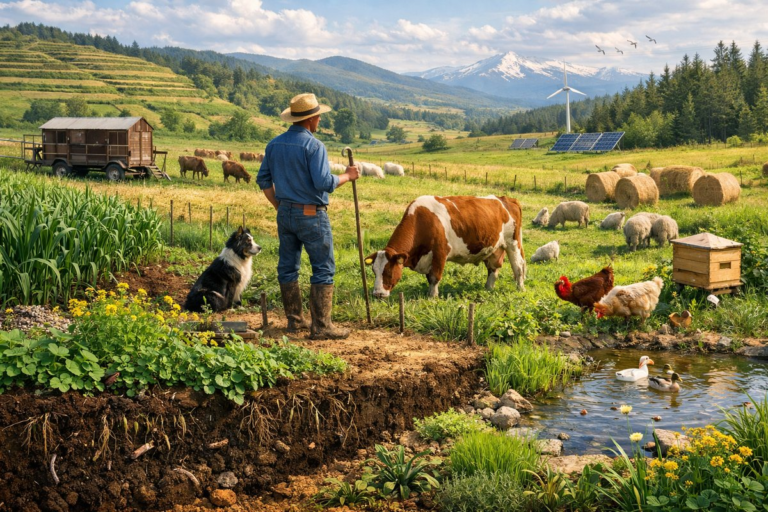
When the first green shoots reach eight inches, the herd moves in. Portable, lightweight electric fencing divides the fields into small paddocks, enabling rotational grazing that mimics buffalo migrations of old. Cattle are held in each cell just long enough to graze down the cover crops and hoof plant matter into the soil. Afterward, they shift to the next paddock, allowing previously grazed ground several weeks to recover.
Soil health specialists from the USDA Natural Resources Conservation Service have been monitoring the project. Preliminary data show a 12 percent average increase in soil organic matter across test plots in under two years-nearly double the regional improvement rate for single-species cover cropping. Moisture infiltration tests reveal that treated fields absorb rainwater 30 percent faster than conventionally managed pastures, a critical advantage in a region where drought can spell economic disaster.
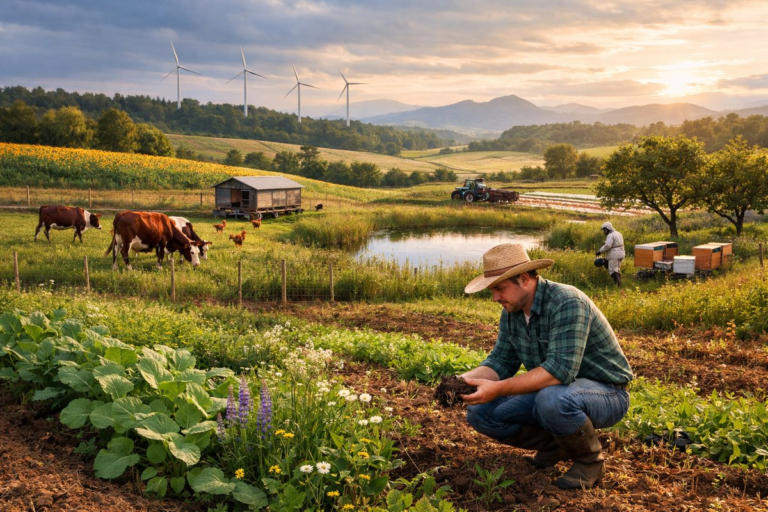
The cooperative didn’t stop with cover crops. Toward stream banks and tree lines, ranchers planted pollinator-friendly wildflower strips-annuals and perennials like sunflowers, black-eyed Susan and native milkweed. Several members set up modular beehive kits on pasture edges, managed by local apiarists. “Bees and butterflies bring that extra biodiversity,” notes Sarah Juarez, an agronomist who advised on flowering species selection. “They enhance soil microbial activity around root zones and improve seedling success rates.”
The introduction of managed honeybee hives also offers a potential secondary revenue stream. Cooperating apiarists plan to harvest honey in late summer, branding it as “Prairie Pollinator Blend” and selling it at farmers markets and online co-ops. Early tastings highlight a light, floral note-an unmistakable signature of legume and brassica cover crops flowering alongside native grasses.
Rancher feedback has been overwhelmingly positive. Mike Davison of Laramie County reports that his Angus-Charolais cross herd gained weight faster on cover crop forage than on traditional brome grass. “We saw a 15 percent boost in average daily gain last winter,” he says. “That cut down our feedlot time and reduced hay expenses by nearly 20 percent.” These economic gains come on top of improved pasture resilience; even during a dry spell in May, Davison’s fields retained more green cover than his neighbors’ grass monocultures.
Financial analysis conducted by University of Nebraska-Lincoln Extension confirms these observations. A cost-benefit model factoring seed, fencing and labor shows a net positive return by year three, especially when factoring in reduced synthetic fertilizer and hay purchase costs. Additionally, some cooperators are exploring nutrient trading programs that pay ranchers for documented improvements in water quality downstream, a nascent market overseen by state conservation agencies.
Challenges remain. Heavy rainfall events have at times washed seed off uneven ground. Cooperative members are experimenting with micro-terracing techniques and cover crop rollers to improve seed-to-soil contact. Occasional fencing breaches by wildlife prompt upgrades to fence posts and tensioning systems. And seasonal timing is critical: a cold snap right after seeding can delay germination and compromise the cocktail effect.
Looking forward, the Heartland Pasture Improvement Cooperative plans to scale up its efforts by opening bulk seed purchasing agreements, sharing equipment through a mobile lending library, and forging partnerships with AgTech startups developing soil microbiome sensors. Members are also engaging with local schools, hosting field days to demonstrate regenerative practices to the next generation of livestock managers.
Beyond the numbers and technical details, this initiative captures a shift in rural stewardship. Ranchers are no longer solely beef producers; they are grassland guardians, carbon sequesters and habitat stewards. By weaving together cover crops, rotational fencing, pollinator habitat and community collaboration, they are writing a new chapter for the Northern Plains-one where working land and living soil rise together.
For livestock operators grappling with erratic weather, volatile feed costs and mounting ecological pressures, the cooperative’s model offers both hope and a roadmap. It underscores the power of small-scale experiments to spark large-scale change when placed in the hands of communities driven by curiosity, resilience and a shared vision of sustainable stewardship.