Location
Mount Vernon, WA 98274

Location
Mount Vernon, WA 98274
A space for quiet awe and curious exploration. Here, we reflect on the living world—its patterns, resilience, and beauty. From forests to fungi, seasons to starlight, nature invites us to notice, remember, and belong.
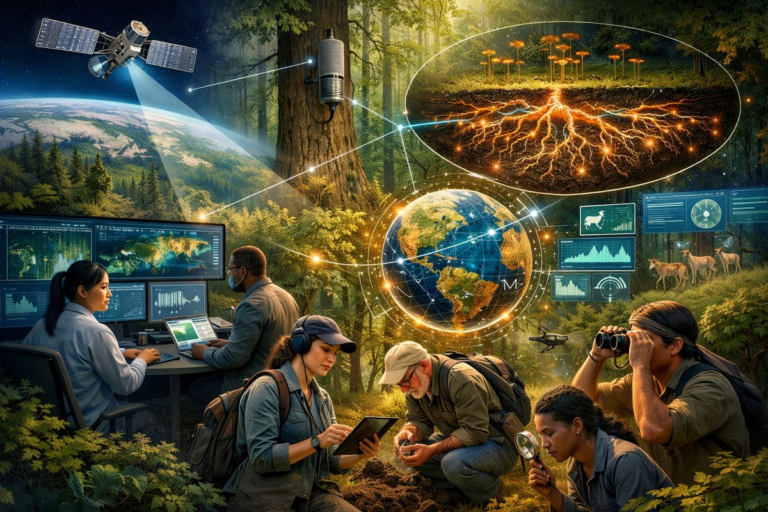
A global alliance of researchers, tech innovators, and citizen scientists has launched an integrated platform merging satellites, acoustic sensors, fungal network mapping, and community observations to track forest resilience. This breakthrough approach aims to deliver real-time insights on ecosystem stressors-from drought and disease to biodiversity loss-while empowering local participants worldwide.
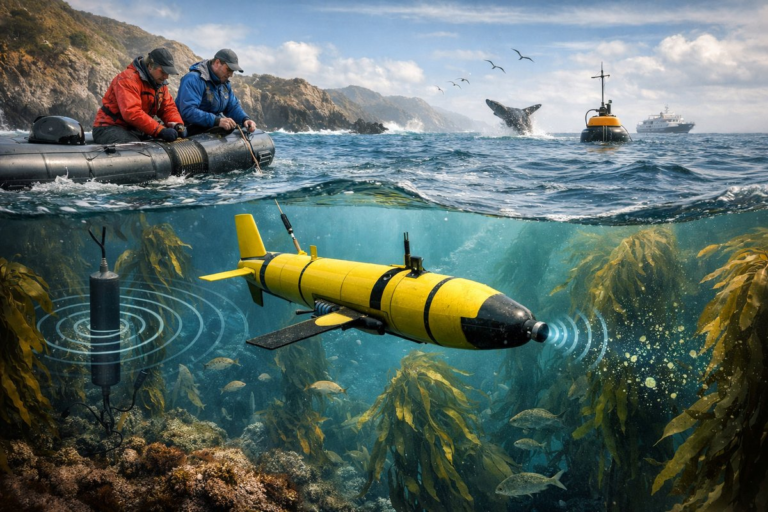
Along windswept shores, researchers are deploying autonomous underwater gliders equipped with hydrophones and eDNA samplers to chart the hidden rhythms of kelp forests. By combining acoustic soundscapes with water-borne genetic traces, this initiative offers a novel window into marine resilience and invites coastal communities to join the quest for ocean stewardship.
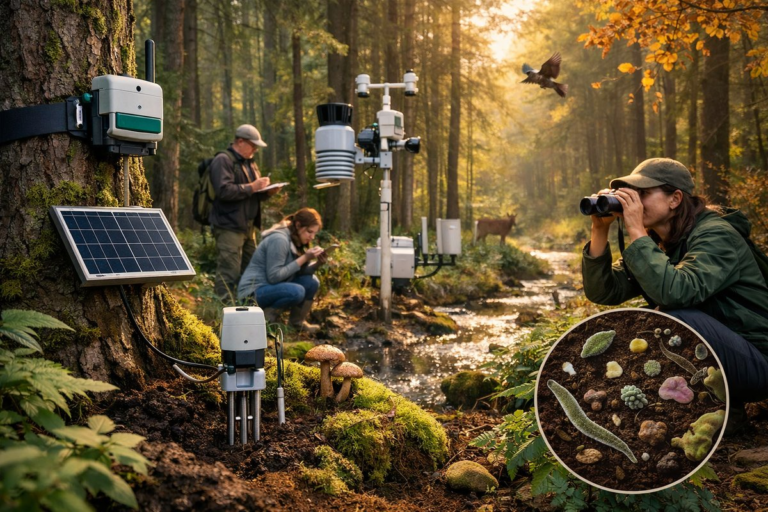
A new wave of environmental monitoring combines tiny wireless sensors, soil probes and community-led observations to capture the hidden rhythms of forests. Early results from pilot sites reveal surprising drivers of tree stress, microbial resilience and seasonal cues-offering practical insights for safeguarding ecosystems under pressure.
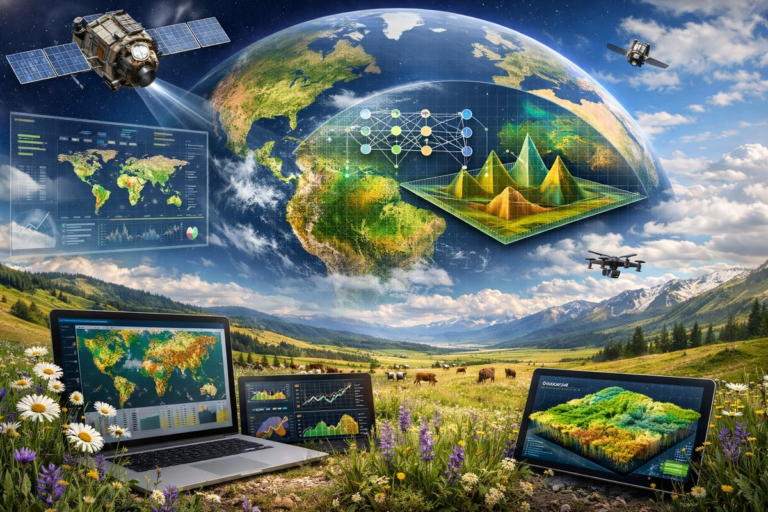
A groundbreaking study harnesses satellite imagery and machine learning to monitor grassland vitality on a global scale, offering new insights into carbon storage and ecosystem resilience. By combining data from multiple Earth observation platforms with advanced algorithms, researchers have developed an open-source mapping tool that tracks seasonal fluctuations and long-term trends in meadows worldwide.
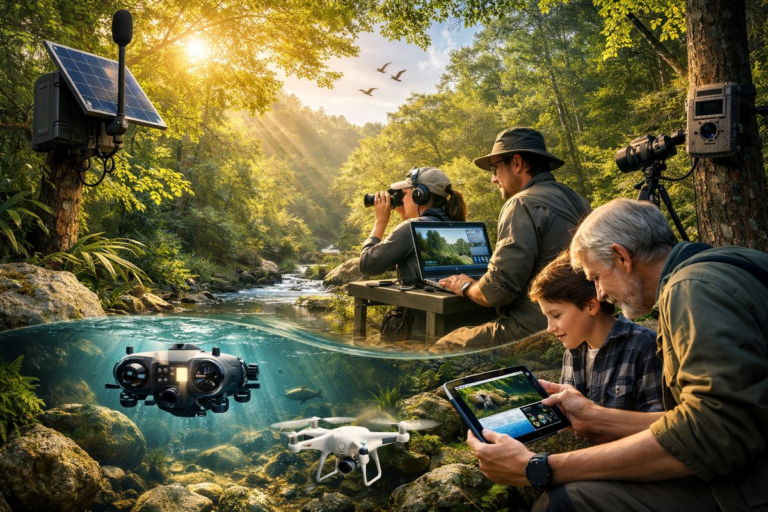
From sunlit canopies to hidden streams, a convergence of acoustic sensors, aquatic drones, and community-driven observation is reshaping how we witness nature's unfolding rhythms. An emerging tapestry of technology and curiosity is guiding researchers and everyday explorers alike toward deeper insight into biodiversity, climate resilience, and the poetry of place.
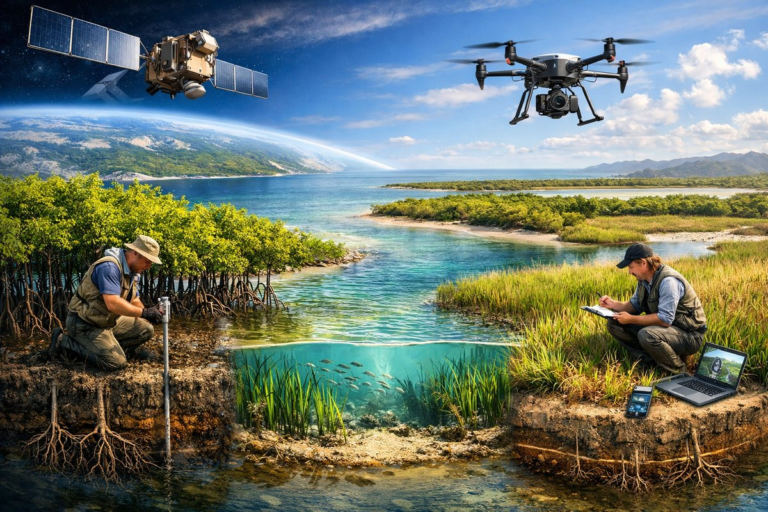
A pioneering collaboration of satellite imagery and drone-based surveys is transforming our understanding of blue carbon ecosystems along coastlines. High-resolution data and on-the-ground validation are now converging to reveal carbon stocks in mangroves, seagrasses, and salt marshes with unprecedented clarity.
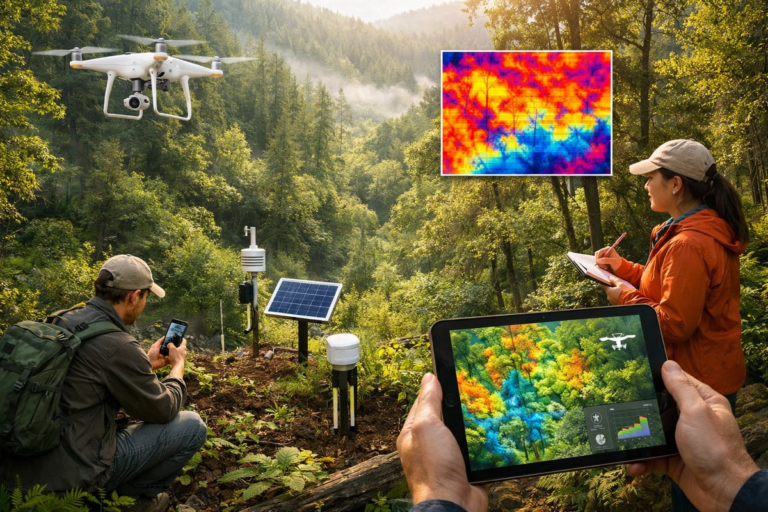
A new wave of low-impact monitoring tools is revealing subtle temperature, humidity, and moisture patterns within forests. By combining drones, ground sensors, and citizen reports, researchers are charting microclimate mosaics to guide restoration and resilience efforts.
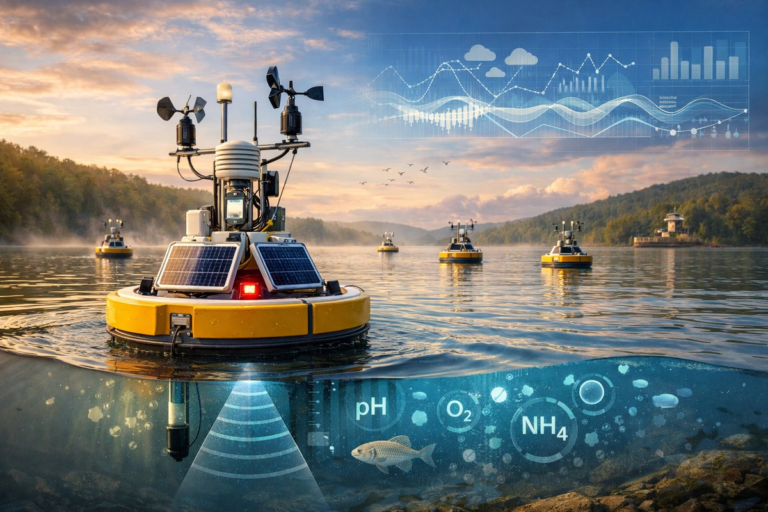
A fleet of autonomous sensor buoys is now drifting across an inland lake, continuously measuring water chemistry, acoustic signals, and meteorological data. By combining real-time sensor readings with citizen science and AI-driven analytics, researchers hope to illuminate subtle shifts in freshwater ecosystem dynamics and guide restoration efforts.
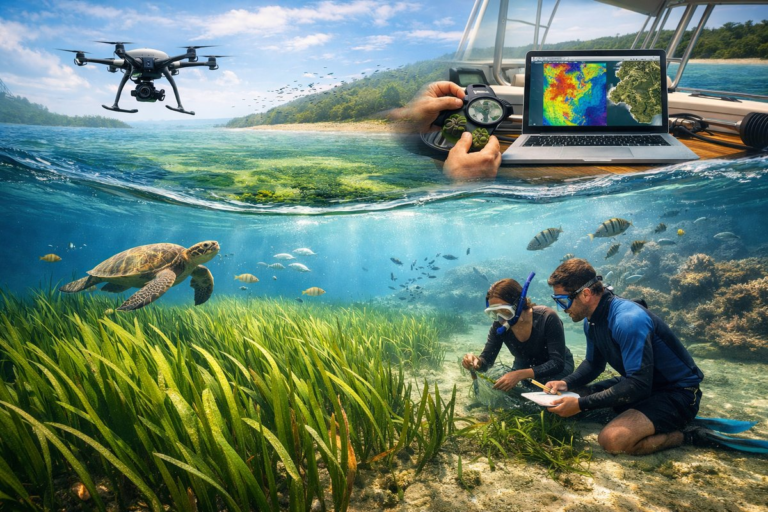
Vast underwater meadows of seagrass are quietly anchoring coastlines, capturing carbon, and supporting marine biodiversity. Recent advances in drone mapping, hyperspectral imaging, and citizen science are unveiling how these submerged grasslands recover after storms and how communities can help them thrive.
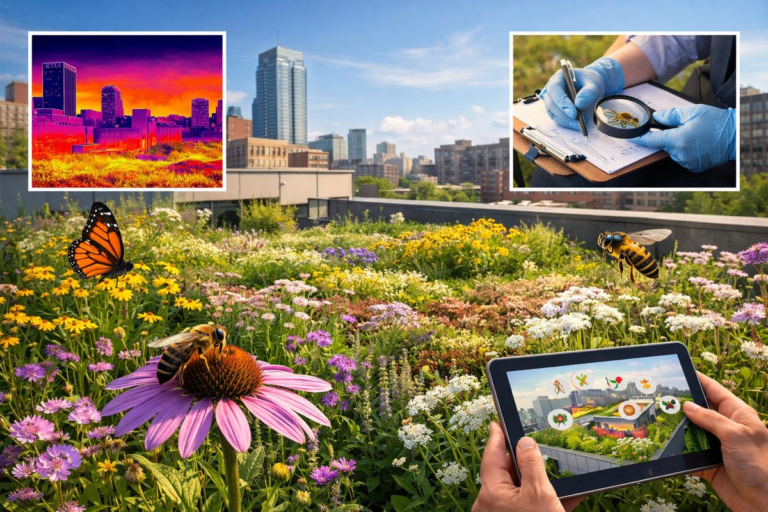
A recent multi-city study reveals that green roofs-once seen as mere architectural accents-now host diverse pollinator communities, offering small-scale refuges under scorching heat islands. Combining thermal imaging, citizen science, and rooftop habitat designs, researchers are mapping how these elevated oases sustain bees, butterflies, and hoverflies, hinting at new strategies for urban biodiversity and climate resilience.