Location
Mount Vernon, WA 98274

Location
Mount Vernon, WA 98274
A space for quiet awe and curious exploration. Here, we reflect on the living world—its patterns, resilience, and beauty. From forests to fungi, seasons to starlight, nature invites us to notice, remember, and belong.
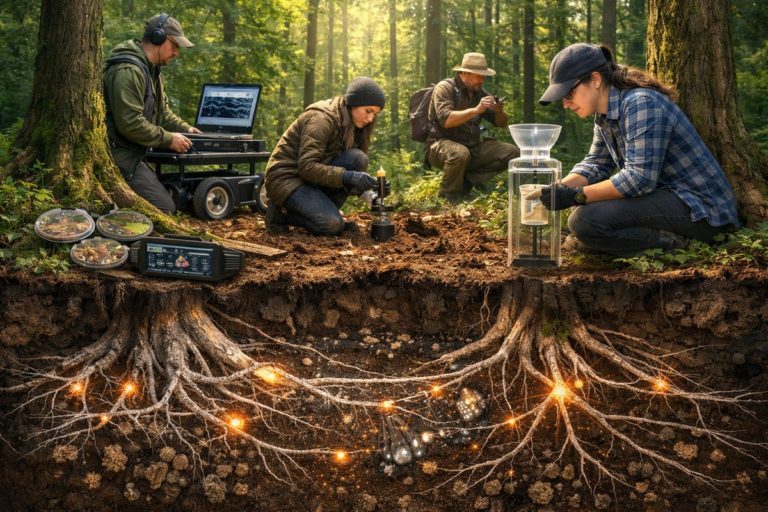
A new collaboration between researchers and citizen scientists is revealing the hidden fungal highways beneath the forest floor. By combining ground-penetrating radar, DNA sampling, and DIY spore traps, the project is tracking how mycelial networks support soil health, tree growth, and carbon storage under changing climates.
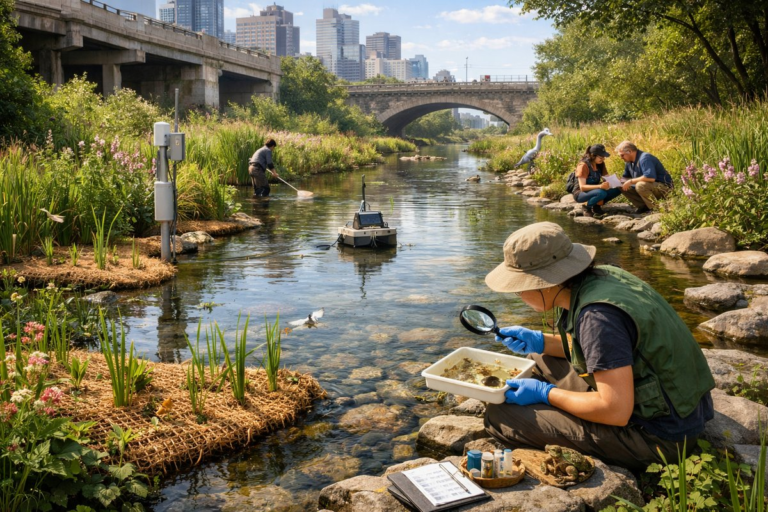
Once overlooked and buried beneath concrete, an urban tributary is now humming with life thanks to an innovative blend of living wetlands and volunteer-led monitoring. Sensors, seed mats, and macroinvertebrate surveys are revealing a richer ecosystem and granting residents a renewed sense of connection to their city's hidden waterways.
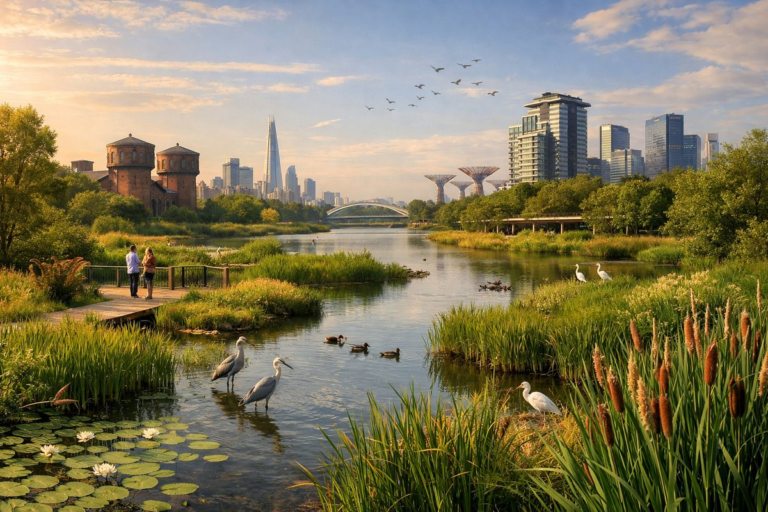
Engineered marshes and revived waterways are reshaping cityscapes worldwide, offering flood protection, carbon capture, and sanctuaries for wildlife. From London's repurposed reservoirs to Singapore's landscaped streams, urban wetlands demonstrate nature's power to adapt and heal.
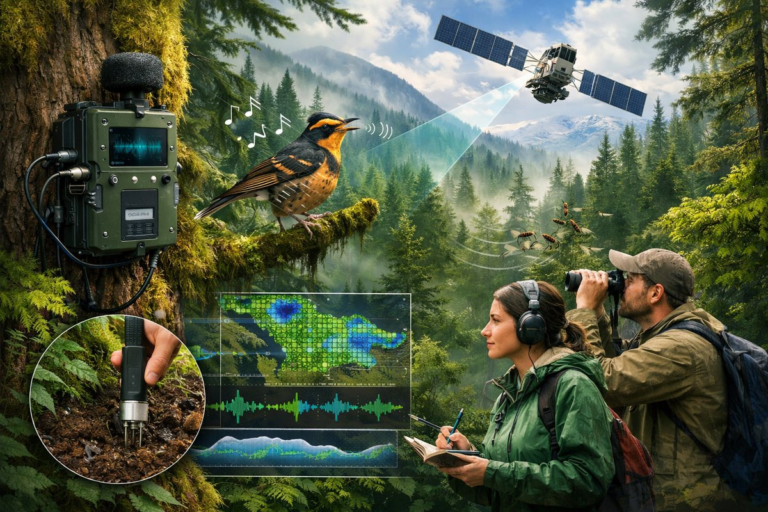
A new study combines audio recorders, soil moisture satellites, and citizen science to map the hidden rhythms of a Pacific Northwest rainforest. By tuning into bird calls, insect choruses, and canopy moisture, researchers are detecting early warnings of drought stress and guiding conservation efforts toward stronger forest resilience.
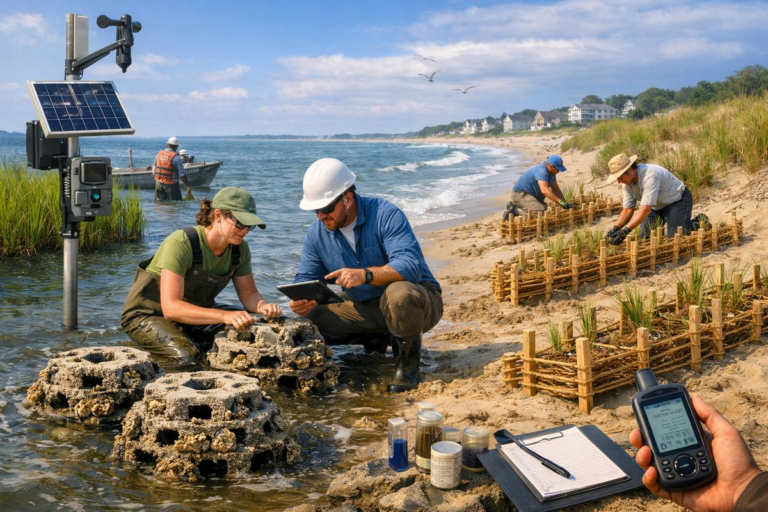
A pioneering collaboration between engineers and ecologists is deploying modular oyster reef units and biodegradable dune frames to safeguard vulnerable shorelines. Early trials show that combining living infrastructure with community science tools could transform how coastal habitats adapt to rising seas and storms.
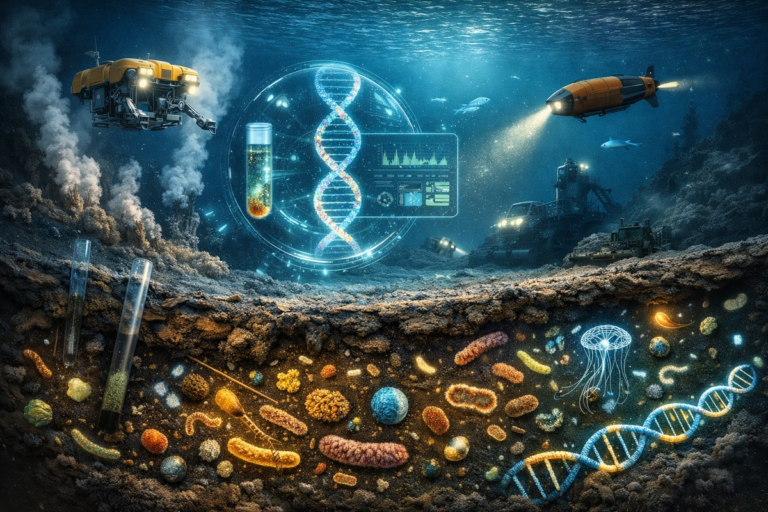
Beneath crushing pressures and eternal darkness, deep-sea sediments cradle a staggering diversity of microbial life-tiny sentinels that encode eons of adaptation. As mining interests and climate shifts threaten these hidden realms, researchers deploy innovative tools like environmental DNA analysis and underwater drones to map, safeguard, and learn from this vast microbial gene library.
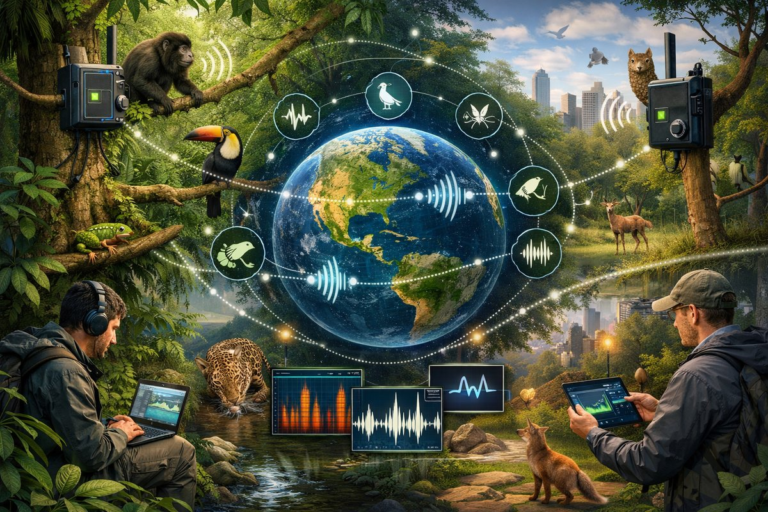
A network of autonomous audio recorders armed with machine learning is transforming the way scientists monitor biodiversity. From remote rainforests to urban parks, researchers are tapping into the natural chorus to track species, detect threats, and map ecological change in real time.

Far beneath the polar ice sheets, isolated lakes harbor microbial communities that influence global carbon cycles and offer clues to Earth's climate resilience. Recent expeditions employing underwater drones and remote sensing are decoding these hidden ecosystems, revealing their potential to modulate greenhouse gas flows. Researchers hope that understanding these frigid habitats could unlock new insights for tackling climate change above the ice.
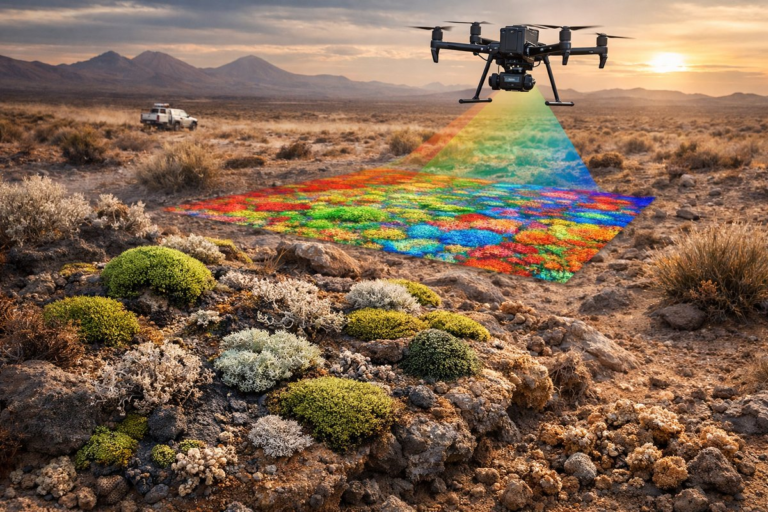
A groundbreaking study deploying hyperspectral drone imaging has revealed the hidden world of biological soil crusts in arid landscapes. These cryptic communities-composed of cyanobacteria, lichens, and mosses-play a pivotal role in carbon and nitrogen fixation, dust suppression, and ecosystem resilience.
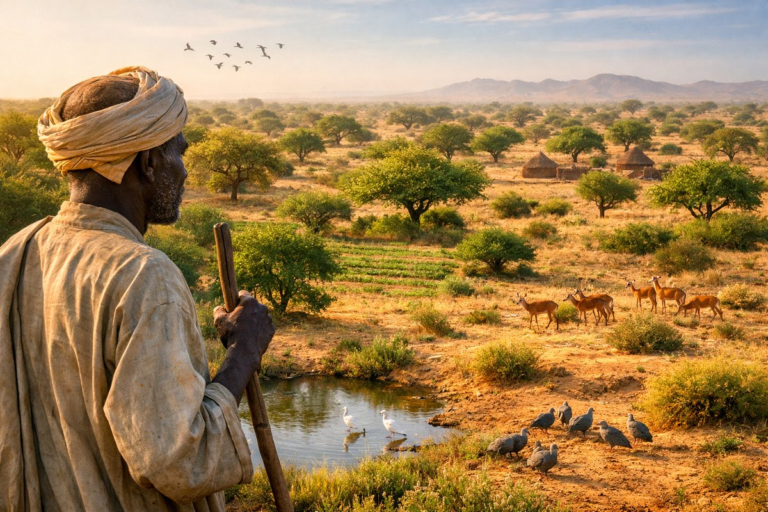
Across decades of drought and uncertainty, communities in the Sahel have quietly reclaimed tens of thousands of hectares of degraded land through a simple practice known as farmer-managed natural regeneration. Recent data reveal this grassroots movement has boosted tree cover, revitalized soil health and contributed to a resurgence of local wildlife-offering a blueprint for sustainable restoration in arid regions worldwide.