Location
Mount Vernon, WA 98274

Location
Mount Vernon, WA 98274
A space for quiet awe and curious exploration. Here, we reflect on the living world—its patterns, resilience, and beauty. From forests to fungi, seasons to starlight, nature invites us to notice, remember, and belong.
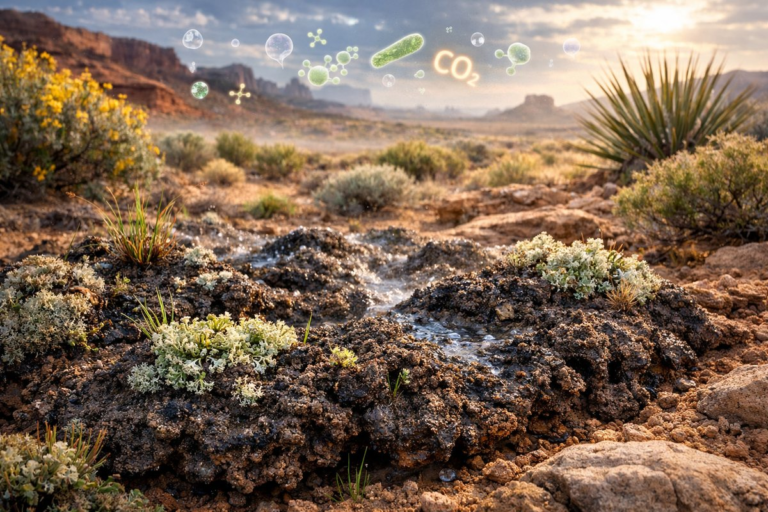
A groundbreaking study reveals that desert soils harbor diverse microbial communities-cryptobiotic crusts-that capture carbon, retain moisture and support fragile ecosystems. Researchers say these living blankets could reshape carbon budgets, guide restoration of degraded lands and call for urgent protection of desert landscapes.
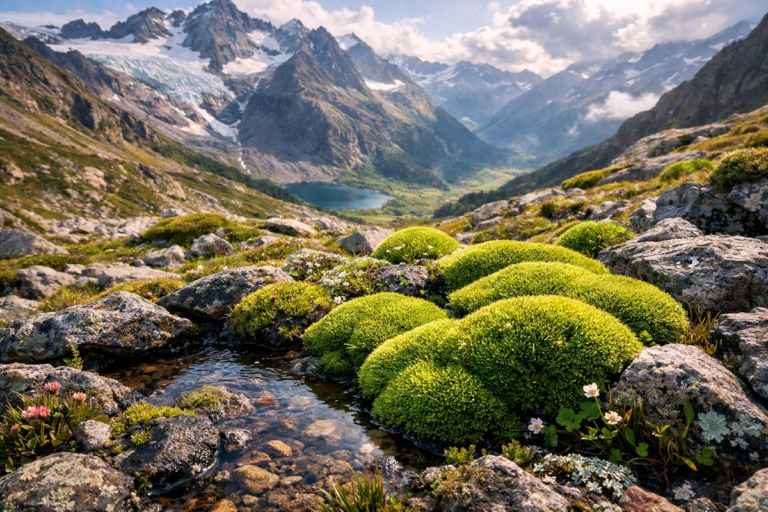
High on mountain slopes, tiny carpets of alpine moss are emerging as unsung champions of climate resilience. A new multicountry study reveals their vital roles in water regulation, carbon storage, and biodiversity support-offering fresh pathways for conservation and community-led restoration efforts.
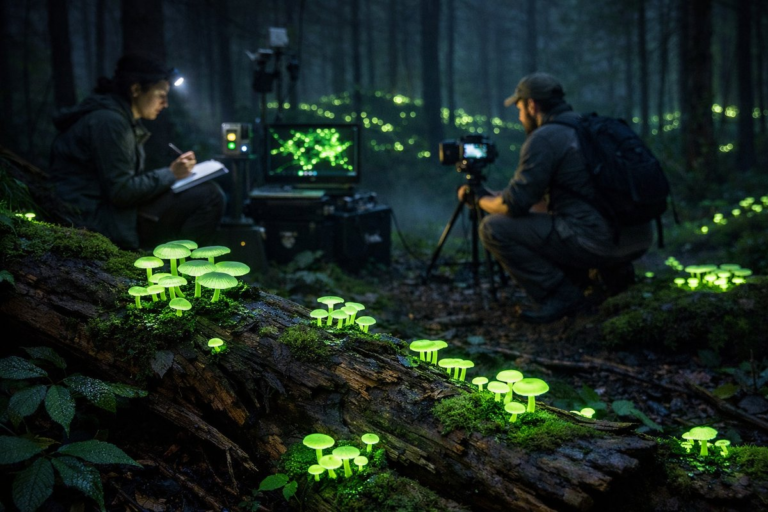
In a groundbreaking study, scientists have unveiled how bioluminescent fungi-nature's own living lanterns-are revealing hidden patterns of forest moisture, carbon cycling, and habitat connectivity. As low-light sensors and citizen scientists map these glowing networks, a new frontier in environmental monitoring emerges, blending wonder with rigorous data to guide conservation.

A wave of field trials across reclaimed farmland is revealing how biochar-charred plant remains-can boost soil resilience, lock away carbon and revitalize crop yields. As researchers fine-tune application methods and community groups launch small-scale kilns, this ancient practice is resurfacing as a modern climate tool.
A groundbreaking analysis using satellite data and field surveys shows seagrass meadows worldwide are more resilient and biodiverse than previously thought. These underwater grasslands are not only vital fish nurseries but also powerful carbon sinks, offering a natural solution in the fight against climate change.
A new study reveals that restored urban wetlands are doing more than beautify inner-city landscapes-they're filtering pollutants, supporting surprising biodiversity, and buffering communities against extreme weather. Researchers and local volunteers are teaming up to transform overlooked marsh patches into thriving ecological lifelines.

Recent research reveals how fungal networks beneath forests act as lifelines for trees facing extreme drought. From underground highways of nutrients to citizen science projects mapping mushroom colonies, the hidden world of mycorrhizal fungi offers new hope for conservation and climate adaptation.
Recent research reveals an intricate communication network beneath forest floors, where fungal threads adapt to shifting rainfall patterns and deliver crucial nutrients to trees. Citizen scientists and researchers are now mapping these symbiotic pathways, uncovering new insights into how ecosystems respond to climate extremes.
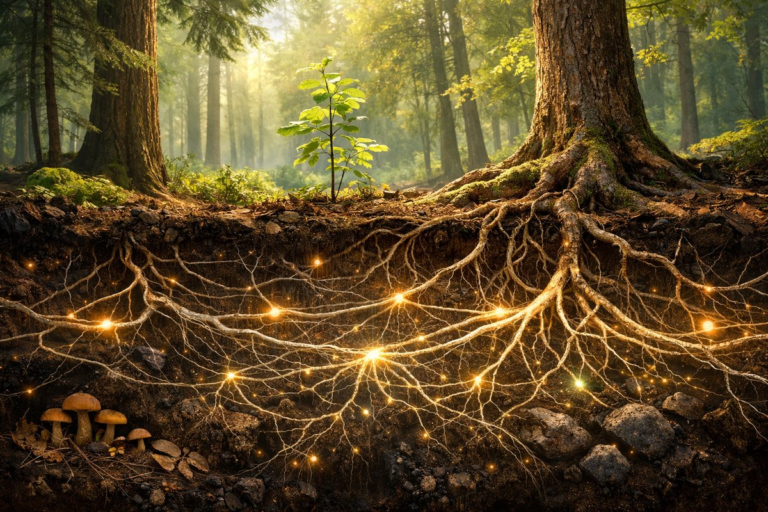
Deep beneath the forest floor, vast fungal networks connect trees in a subtle symphony of nutrient exchange and communication. Recent research reveals that these mycelial highways boost forest resilience in the face of climate stress, offering new insights into ecosystem recovery and carbon cycling.
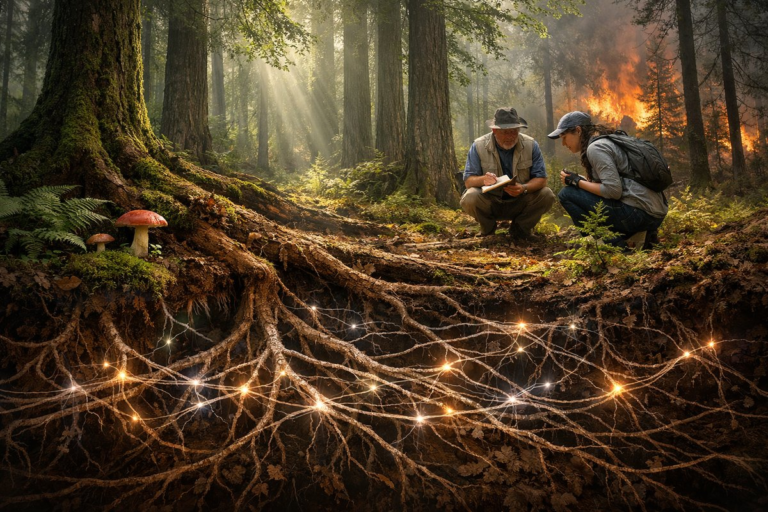
Beneath the towering canopy of old-growth woodlands, a hidden network of fungal threads knits tree roots together in an ancient alliance. New research reveals how these mycorrhizal connections boost forest resilience against drought, pests, and fire-and how community scientists can join the effort to protect these vital ecosystems.