Location
Mount Vernon, WA 98274

Location
Mount Vernon, WA 98274
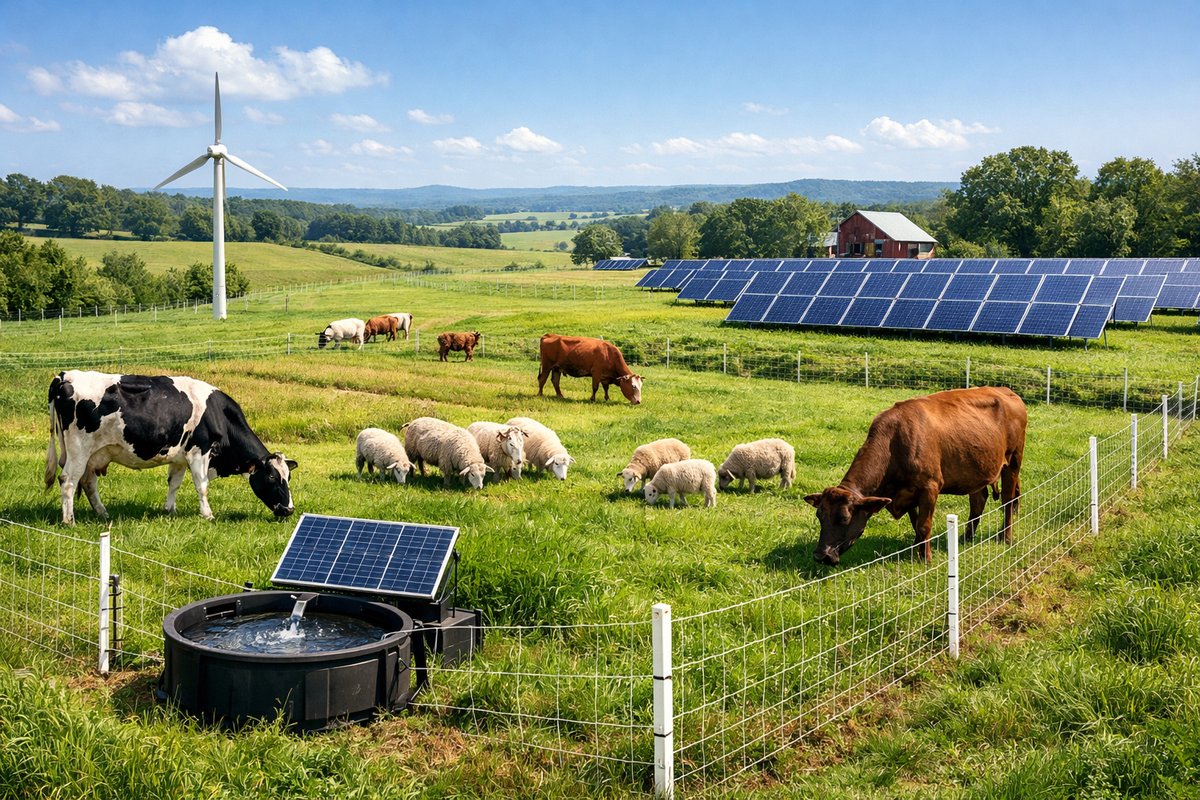
A growing number of livestock farmers are adopting integrated grazing practices combined with renewable energy solutions to enhance sustainability, animal welfare, and productivity. This article explores how rotational grazing, solar-powered water systems, and eco-friendly fencing technologies are reshaping rural livestock management.
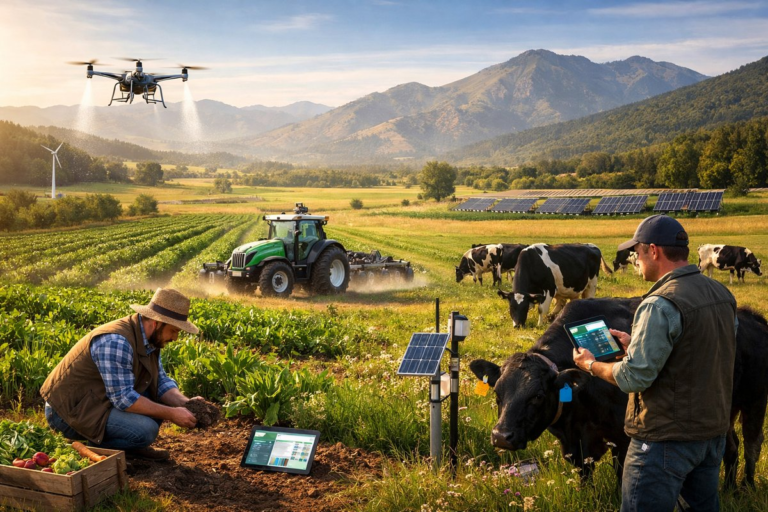
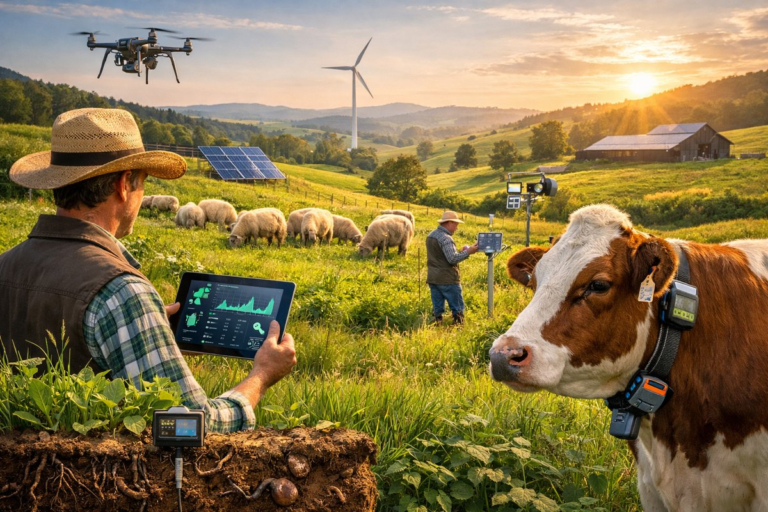
Sustainable livestock farming is entering a transformative phase as innovative practices and renewable technologies converge to create more resilient and environmentally responsible operations. Across diverse rural landscapes, farmers are embracing rotational grazing, solar-powered infrastructure, and advanced fencing materials to improve animal health, reduce environmental impact, and optimize resource use. This shift reflects a broader commitment to stewardship and long-term viability in animal agriculture.
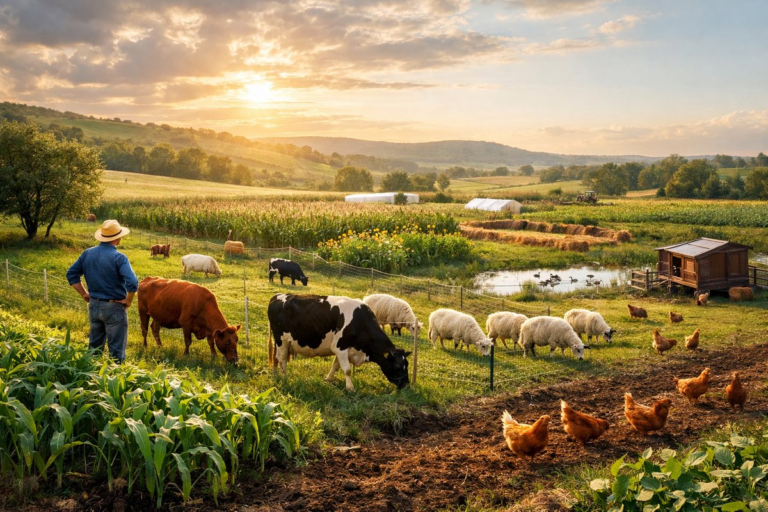
Rotational grazing, a practice where livestock are systematically moved between pasture sections, is gaining traction for its ability to mimic natural herd movements and promote pasture regeneration. By allowing grasslands time to recover, rotational grazing enhances soil health, increases biodiversity, and reduces erosion. Farmers report improved weight gains and animal well-being, as livestock have access to fresh, nutrient-rich forage regularly. This approach also minimizes overgrazing and lowers the need for supplemental feed, contributing to cost savings and a smaller carbon footprint.
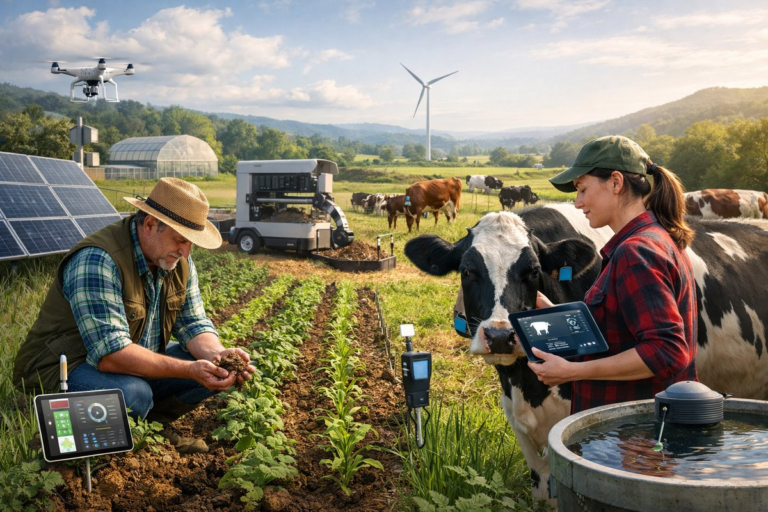
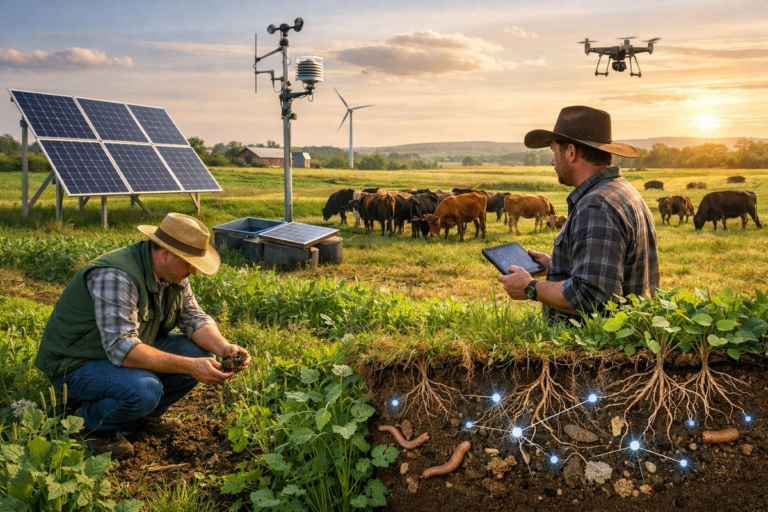
Complementing grazing strategies, many farms are integrating solar-powered water pumping and distribution systems. These setups provide reliable access to clean water for livestock without reliance on fossil fuels or grid electricity. Solar pumps, paired with storage tanks and automated watering troughs, ensure animals remain hydrated even in remote or off-grid locations. The use of renewable energy reduces greenhouse gas emissions and operational costs, aligning with sustainability goals.
Fencing technology is also evolving to support sustainable livestock management. Eco-friendly fencing materials, such as recycled plastic posts and biodegradable netting, offer durable alternatives to traditional wood or metal. Electric fencing systems powered by solar energy provide flexible, low-impact boundaries that protect animals and encourage efficient pasture rotation. These innovations reduce waste and environmental disturbance while enhancing farm biosecurity.
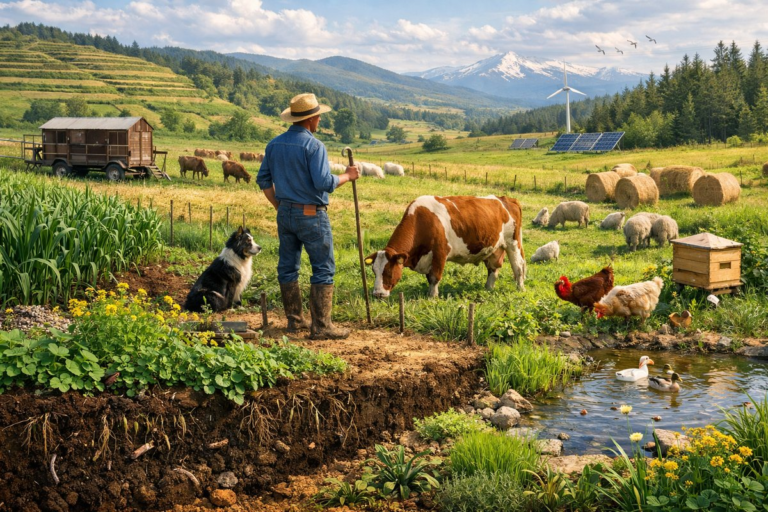
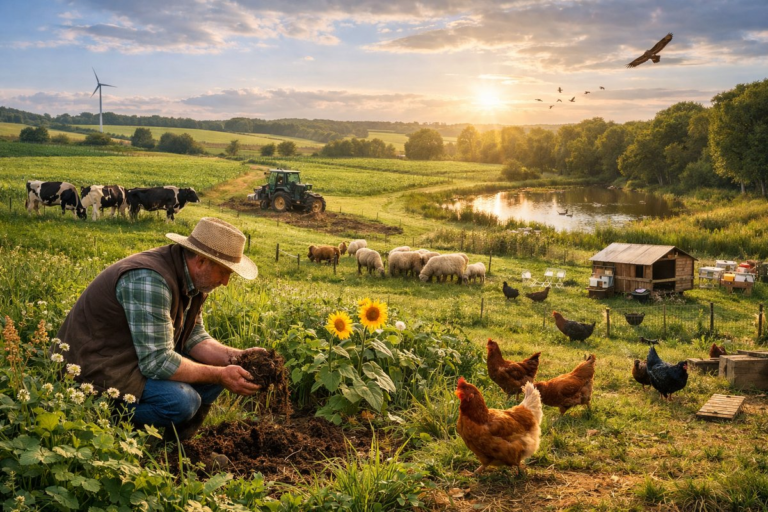
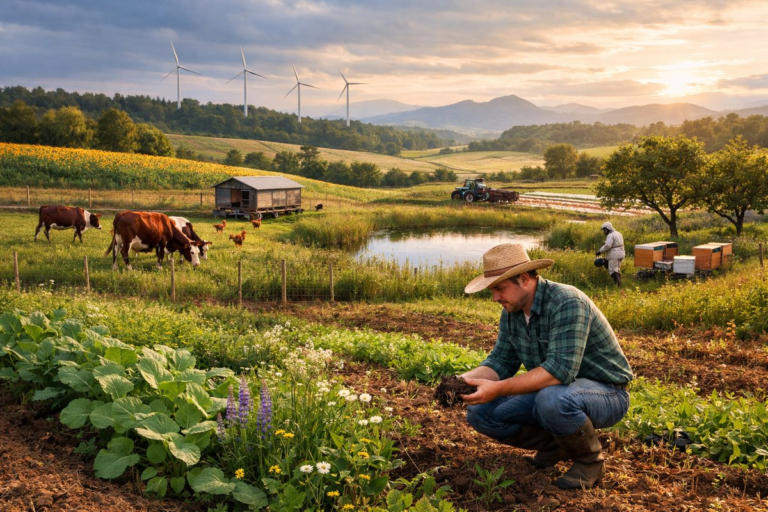
Beyond these core practices, some farmers are experimenting with integrated agroecological methods, combining livestock with tree planting and cover cropping to create multifunctional landscapes. These systems sequester carbon, improve water retention, and offer shade and shelter for animals, further boosting welfare and ecosystem health.
Challenges remain, including upfront investment costs and the need for education on best practices. However, growing networks of farmers, extension services, and technology providers are facilitating knowledge sharing and access to resources. Government incentives and sustainability certification programs also support adoption.
As consumer demand for ethically produced and environmentally sound meat and dairy products increases, these sustainable livestock farming innovations position rural producers to meet market expectations while safeguarding natural resources. The convergence of traditional wisdom and modern technology is shaping a future where livestock farming contributes positively to climate resilience, biodiversity, and rural livelihoods.
This emerging paradigm encourages curiosity and continuous learning, inviting farmers and communities to explore adaptive strategies tailored to their unique environments. By prioritizing animal welfare, ecological balance, and renewable energy, sustainable livestock farming exemplifies a thoughtful approach to food production that honors both people and planet.