Location
Mount Vernon, WA 98274

Location
Mount Vernon, WA 98274
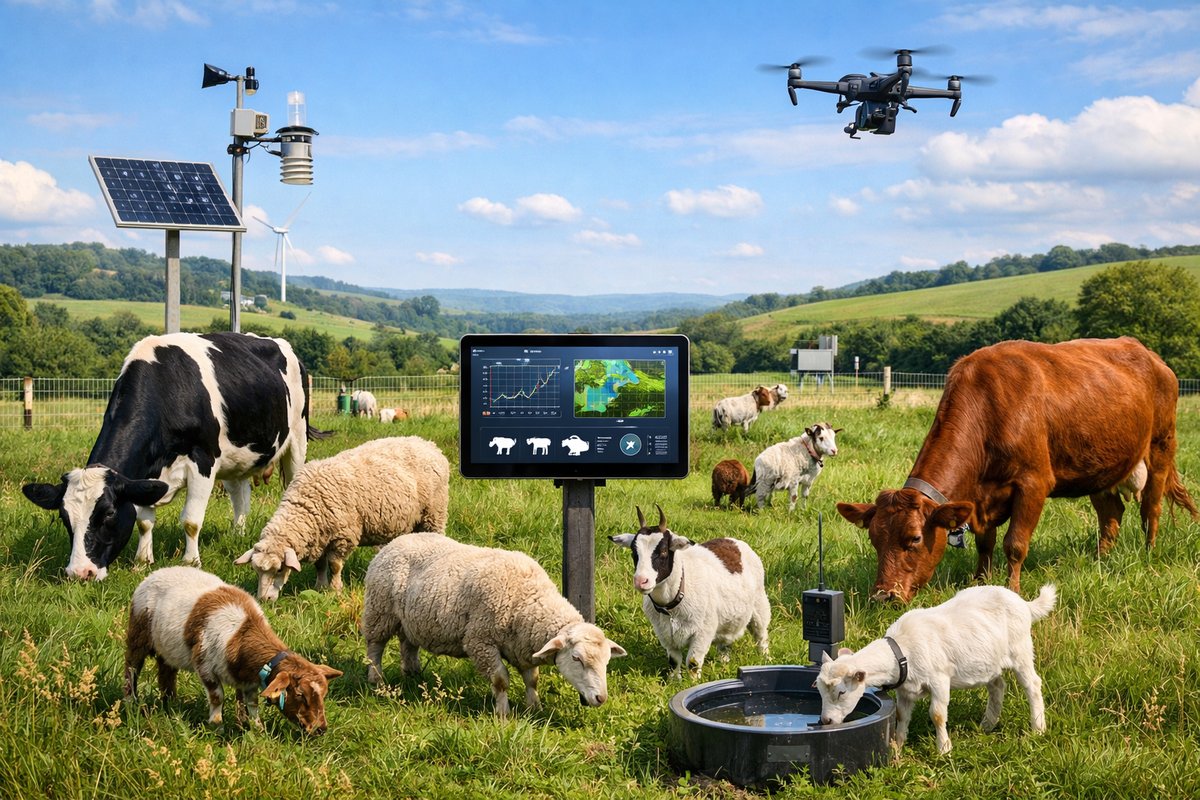
Livestock farming is undergoing a quiet revolution as farmers integrate mixed-species grazing strategies with advanced monitoring technologies. This fusion not only enhances pasture health and animal welfare but also offers promising pathways toward resilient, climate-friendly agriculture.
Livestock farming has long been a cornerstone of rural economies and food systems worldwide. Yet, as environmental concerns intensify and consumer demand shifts toward sustainably produced animal products, farmers are exploring innovative approaches to balance productivity with ecosystem stewardship. Among these, mixed-species grazing combined with smart monitoring technologies is emerging as a compelling strategy that redefines traditional livestock management.
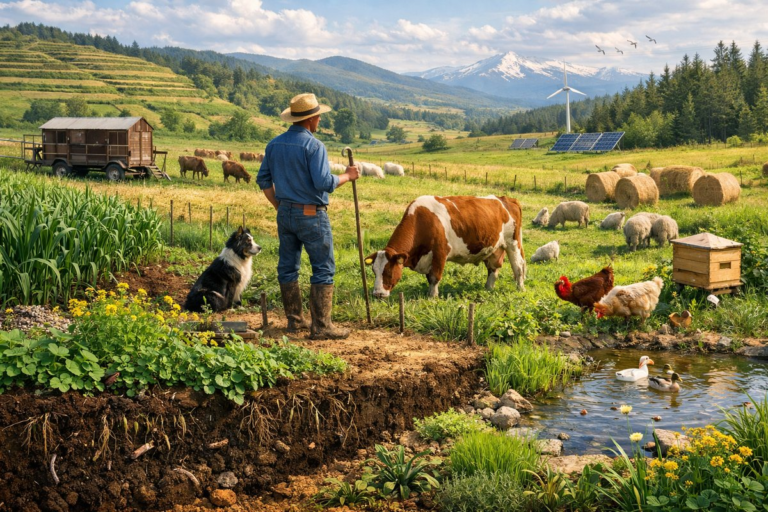
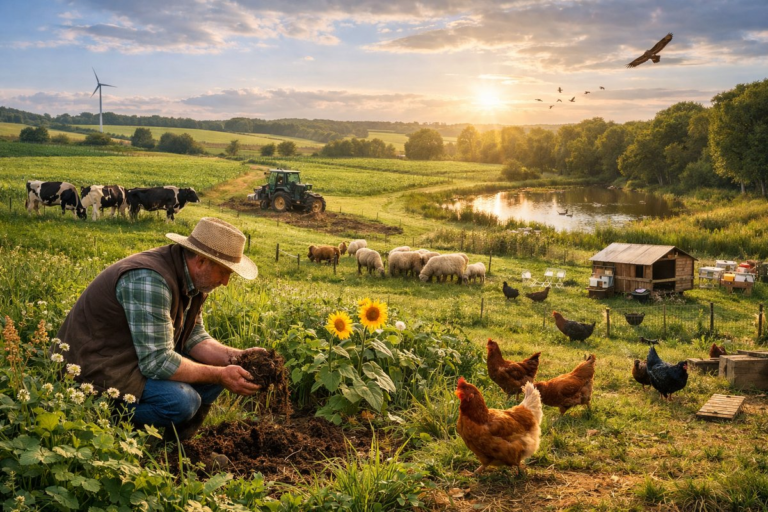
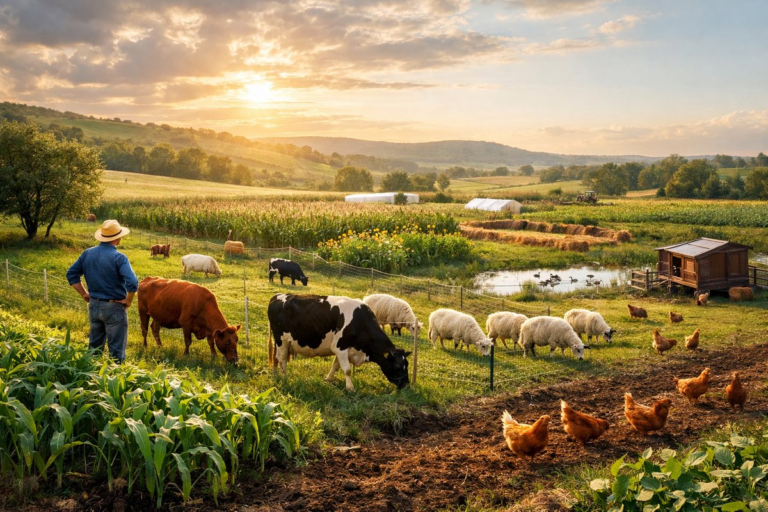
Mixed-species grazing involves the coordinated grazing of different animal species-such as cattle, sheep, and goats-on the same pasture. This approach leverages the distinct feeding habits and behaviors of each species to optimize forage utilization and improve pasture biodiversity. For example, while cattle prefer grasses, goats tend to browse shrubs and broadleaf plants, and sheep often graze closer to the ground. By allowing these species to graze sequentially or simultaneously, farmers can reduce overgrazing, control invasive weeds, and promote more even nutrient distribution across the land.
Recent studies highlight that mixed-species grazing can lead to healthier soils with enhanced organic matter and microbial activity. This is crucial for carbon sequestration efforts and soil resilience against droughts and erosion. Moreover, diversified grazing reduces parasite loads naturally, as many parasites are species-specific, decreasing the need for chemical interventions and supporting animal welfare.
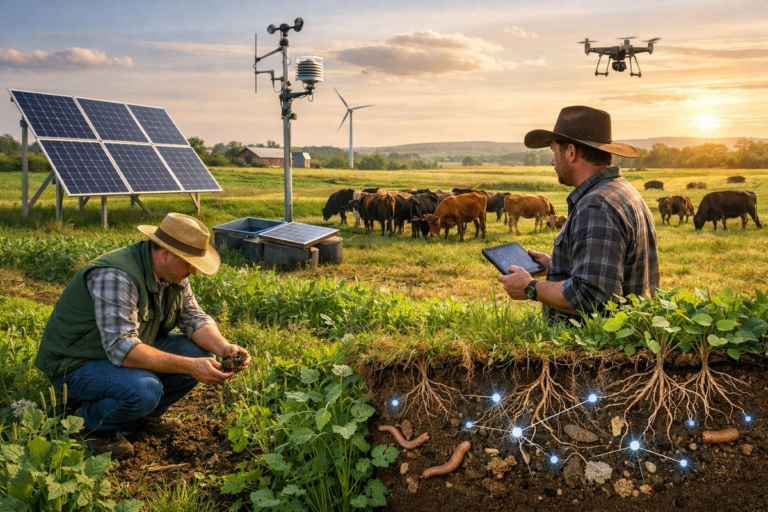
However, managing mixed-species grazing requires careful planning and monitoring to ensure optimal outcomes. This is where smart monitoring technologies come into play. Advances in sensor technology, GPS tracking, and data analytics now enable farmers to monitor animal health, grazing patterns, and pasture conditions in near real-time.
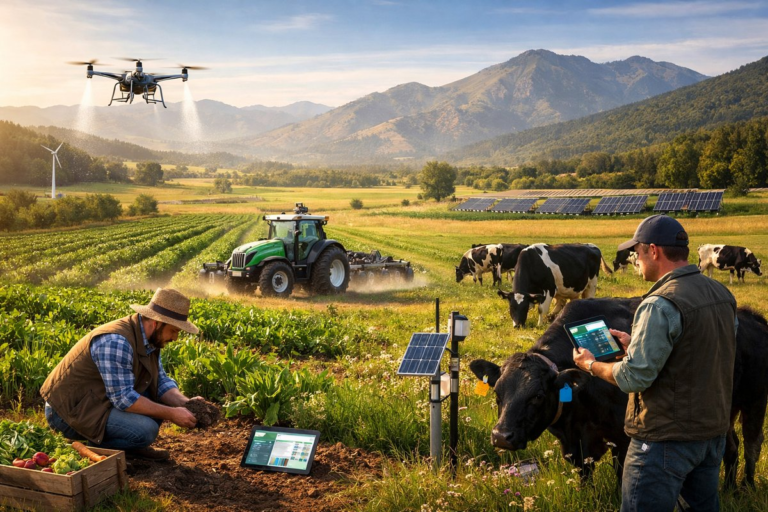
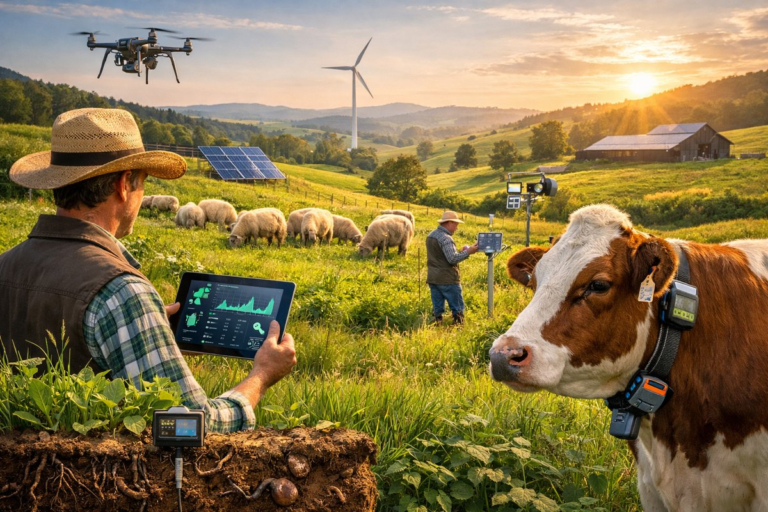
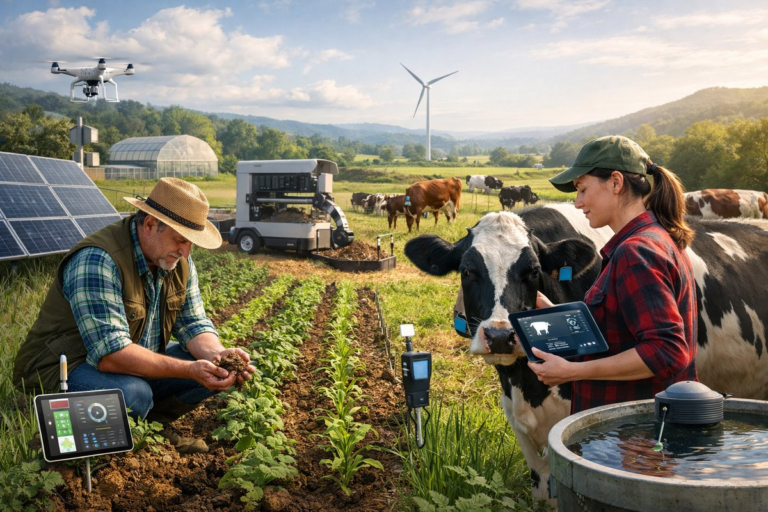
Wearable devices fitted on animals can track vital signs such as heart rate, rumination, and movement, providing early warnings of illness or stress. Coupled with GPS collars, these devices help farmers understand how different species utilize the pasture landscape, identifying areas of overuse or underuse. Drones equipped with multispectral cameras offer aerial insights into vegetation health and soil moisture, allowing for precise adjustments in grazing rotations and supplemental feeding.
The integration of these technologies supports a more adaptive management style. Instead of fixed schedules, farmers can respond dynamically to changing environmental conditions and animal needs, enhancing both productivity and sustainability. Additionally, data collected over time can inform breeding decisions, pasture improvement strategies, and carbon accounting efforts, aligning livestock operations with emerging environmental certification standards.
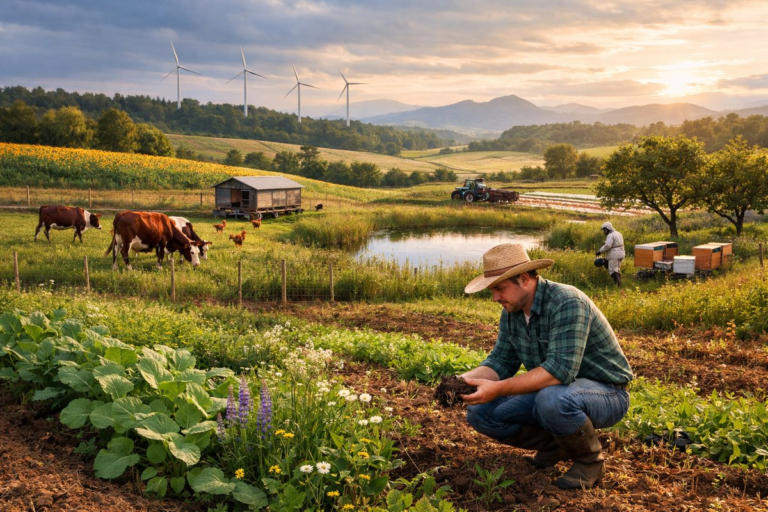
Beyond the ecological benefits, mixed-species grazing paired with smart monitoring can also bolster farm resilience and economic viability. Diversifying species spreads risk, as market fluctuations or disease outbreaks affecting one species may not impact others equally. Improved pasture health reduces input costs for feed and fertilizers, while healthier animals often translate into better product quality and market premiums.
Several rural communities have begun adopting these integrated approaches, often supported by cooperative networks and extension services. By sharing data and best practices, farmers collectively enhance regional sustainability and innovation capacity. Some initiatives also incorporate renewable energy sources, such as solar-powered monitoring stations and electric fencing, further reducing the carbon footprint of livestock operations.
While challenges remain-such as upfront costs for technology adoption, the need for farmer training, and adapting practices to local ecological contexts-the momentum toward combining traditional grazing knowledge with modern technology is unmistakable. This synergy offers a hopeful vision for livestock farming that honors animal welfare, nurtures the land, and meets the demands of a changing world.
As consumers increasingly seek transparency and sustainability in their food choices, farms embracing these innovative methods are well-positioned to tell compelling stories of stewardship and innovation. Ultimately, the future of livestock farming may rest on this blend of age-old wisdom and cutting-edge tools, cultivating landscapes that are vibrant, productive, and resilient for generations to come.