Location
Mount Vernon, WA 98274

Location
Mount Vernon, WA 98274
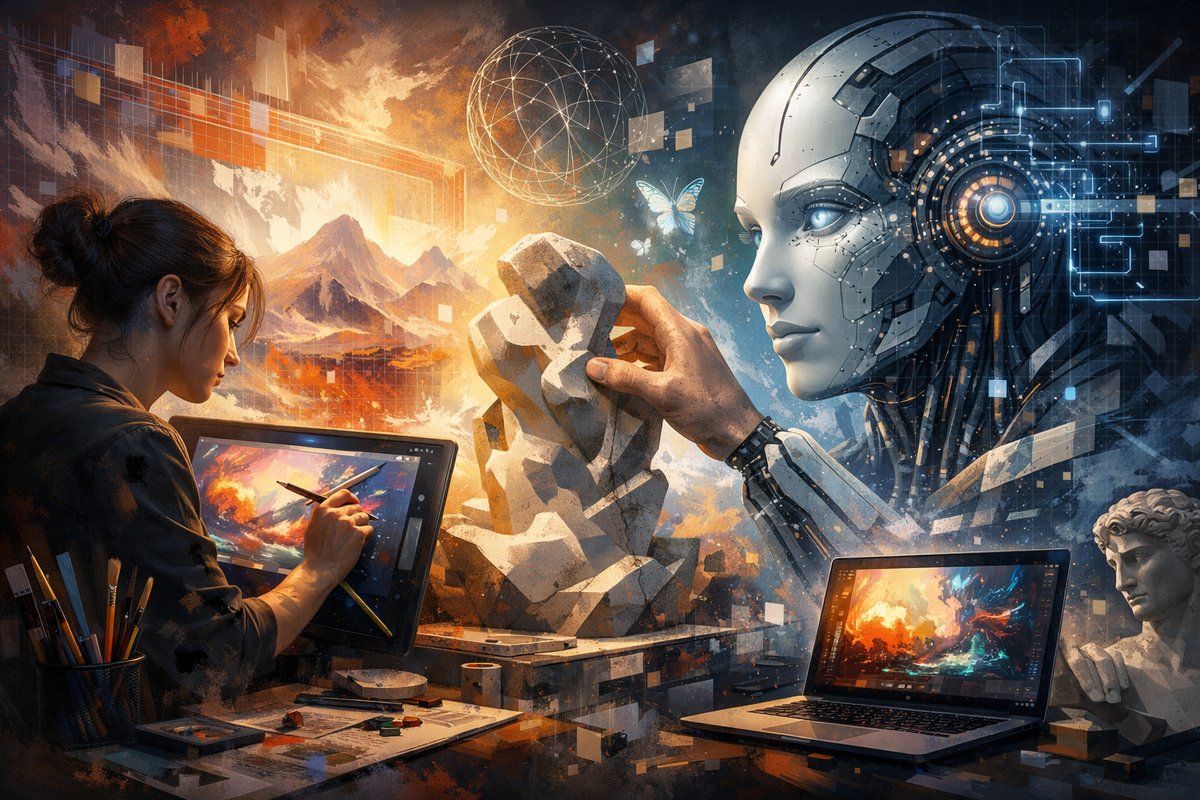
As artificial intelligence reshapes creative processes, artists and designers explore new frontiers where human intuition meets machine learning. This convergence is expanding the boundaries of visual expression, raising questions about authorship, originality, and the future of art itself.
In recent years, the art and design world has witnessed a profound transformation fueled by advances in artificial intelligence (AI). This shift is not merely technological but philosophical, challenging long-held assumptions about creativity, originality, and the role of the artist. AI-driven tools have begun to permeate studios, galleries, and design firms, enabling creators to experiment with forms and concepts that were previously unimaginable.
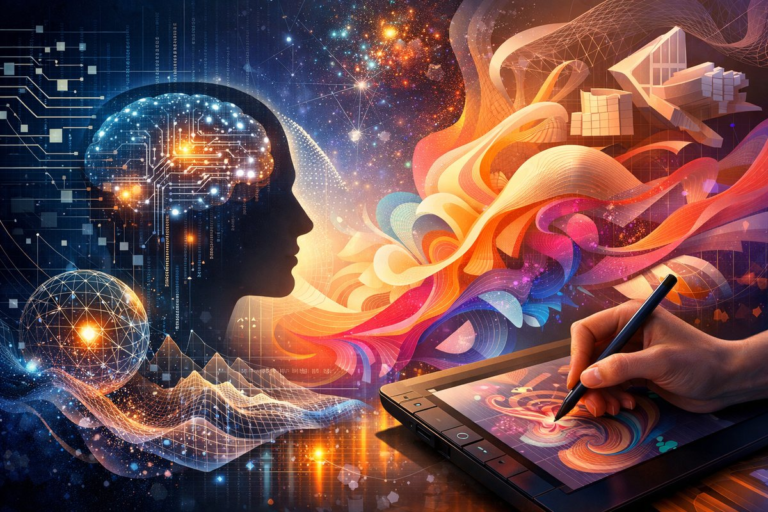
At its core, creativity has often been seen as a distinctly human trait-an expression of emotion, experience, and intuition. Yet AI systems, trained on vast datasets of images, styles, and cultural artifacts, now generate artworks that evoke emotional responses and provoke reflection. This collaboration between human and machine has birthed a new hybrid form of creative practice, where algorithms serve as both assistant and co-creator.
One striking example is the use of generative adversarial networks (GANs) in producing visual art. GANs operate through two neural networks contesting with each other, creating images that can range from hyper-realistic portraits to abstract compositions. Artists harness this technology to explore concepts of identity, memory, and transformation, using AI-generated outputs as starting points for further refinement or as standalone pieces challenging the definition of authorship.
Design disciplines have also embraced AI’s potential, particularly in areas such as architecture, fashion, and product design. Parametric design software empowered by machine learning algorithms allows creators to optimize forms for aesthetics, functionality, and sustainability. For instance, architects can generate structures responsive to environmental conditions and material constraints, pushing beyond traditional limitations. Similarly, fashion designers use AI to predict trends, customize patterns, and create innovative textiles that blend technology with tactile experience.
This technological infusion raises critical ethical and philosophical questions. If a machine generates an artwork, who owns the copyright? How do we value creativity when algorithms can mimic styles and generate new works autonomously? These concerns prompt ongoing debates within the art community and legal frameworks, underscoring the importance of transparency and attribution in AI-assisted creation.
Moreover, the use of AI in visual expression invites reflection on accessibility and inclusivity. By lowering technical barriers, AI tools can democratize creativity, enabling individuals without formal training to participate in artistic production. This expansion challenges traditional gatekeeping in the art world and encourages diverse voices and perspectives to emerge.
However, it is essential to remain mindful of potential biases embedded in AI datasets that may perpetuate stereotypes or exclude marginalized groups. Ethical AI development must prioritize equitable representation and cultural sensitivity, ensuring that the technology serves as a tool for empowerment rather than reinforcement of systemic inequities.
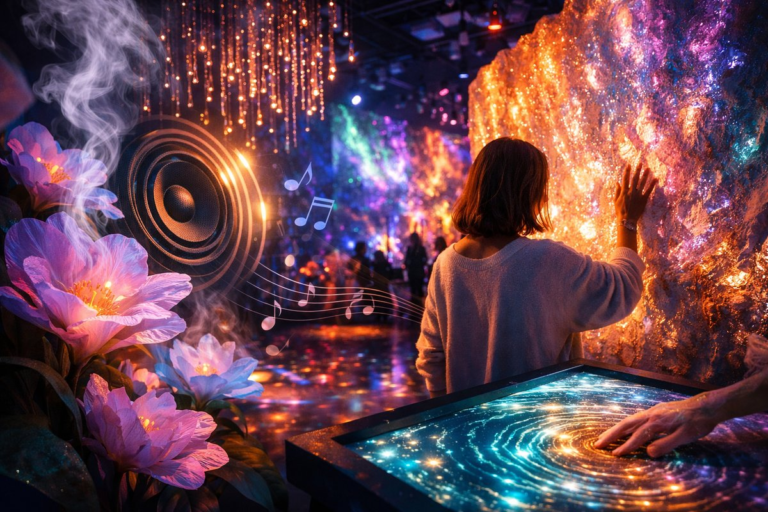
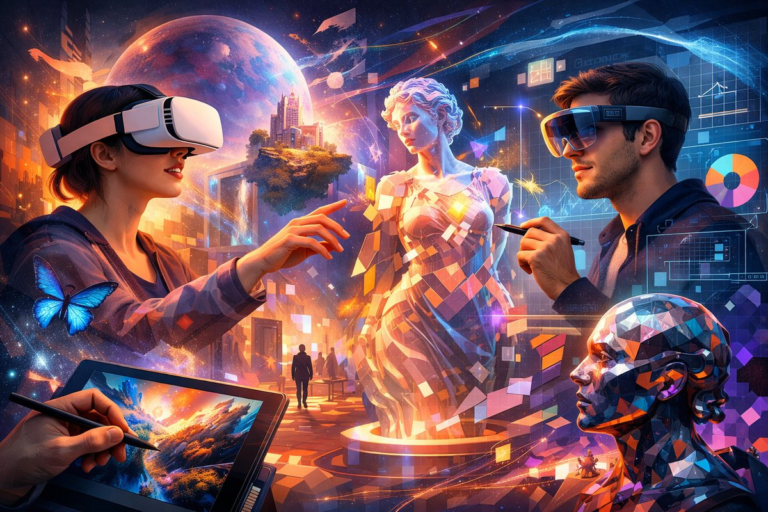
Looking forward, the integration of AI with other emerging technologies such as augmented reality (AR), virtual reality (VR), and biofeedback promises even richer multisensory artistic experiences. Interactive installations that respond to viewers’ emotions or biometric data create immersive environments where art becomes a dynamic conversation rather than a static object.
In this evolving landscape, the relationship between artist, machine, and audience is being continuously redefined. AI does not replace human creativity; rather, it expands the palette with which artists can experiment, offering new modes of expression that blend intuition and computation. The future of art and design lies in this fertile intersection, inviting curiosity, ethical reflection, and boundless exploration.