Location
Mount Vernon, WA 98274

Location
Mount Vernon, WA 98274
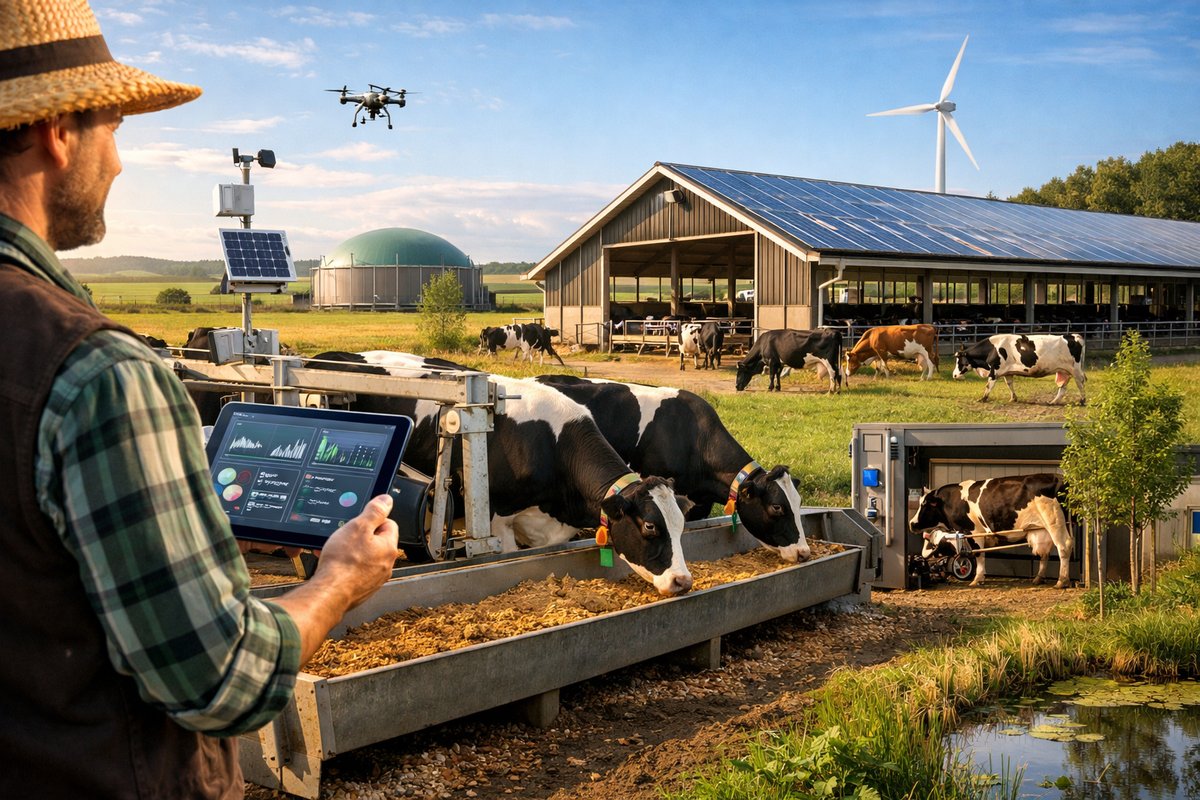
As sustainable farming practices evolve, livestock producers are integrating innovative approaches that blend age-old wisdom with cutting-edge technology. From precision feeding systems to eco-friendly infrastructure, these advances are reshaping animal care and rural livelihoods while prioritizing environmental stewardship.
Sustainable livestock farming is undergoing a transformative phase, where traditional knowledge meets modern innovation to create systems that are both productive and ecologically responsible. This evolution is driven by a growing awareness of the environmental impact of conventional farming methods and a desire to foster resilient rural communities. Across diverse regions, farmers are adopting practices that enhance animal welfare, reduce resource consumption, and promote biodiversity, all while maintaining economic viability.
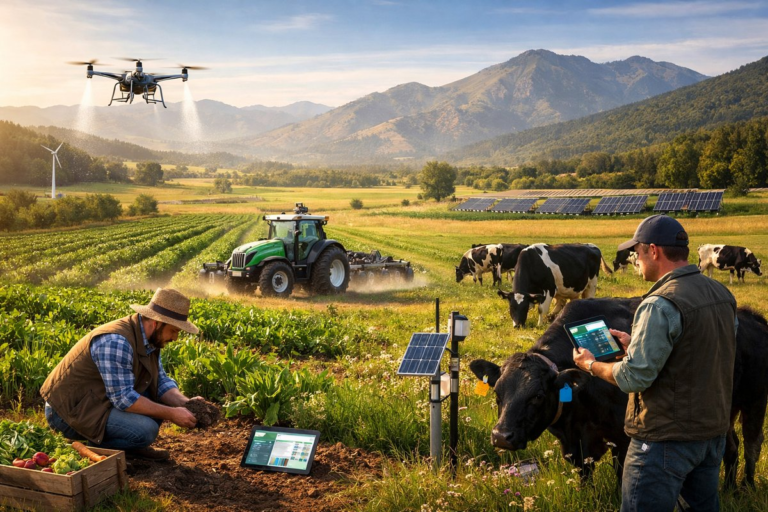
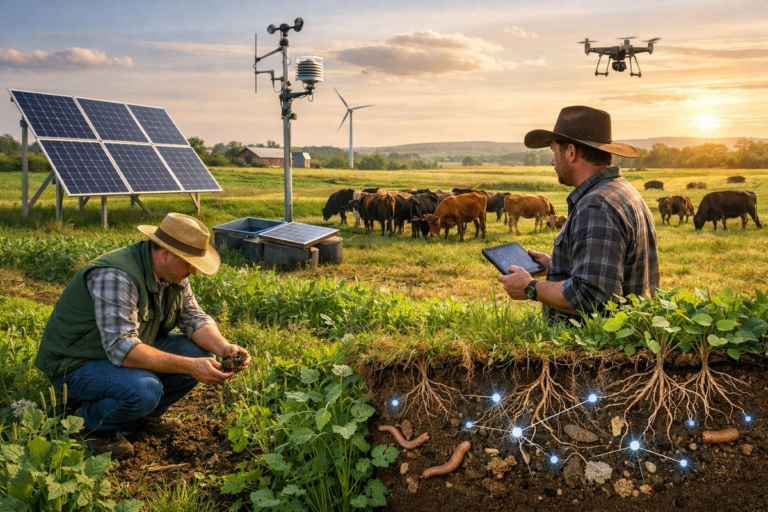
One of the most significant shifts in livestock management is the adoption of precision feeding technologies. These systems utilize sensors and data analytics to tailor nutrition to the specific needs of individual animals or groups, optimizing feed efficiency and reducing waste. By closely monitoring factors such as weight gain, activity levels, and health indicators, farmers can adjust rations in real time, ensuring animals receive balanced diets that support growth and wellbeing without excess resource use. This approach not only minimizes feed costs but also lowers the environmental footprint by reducing methane emissions associated with overfeeding.
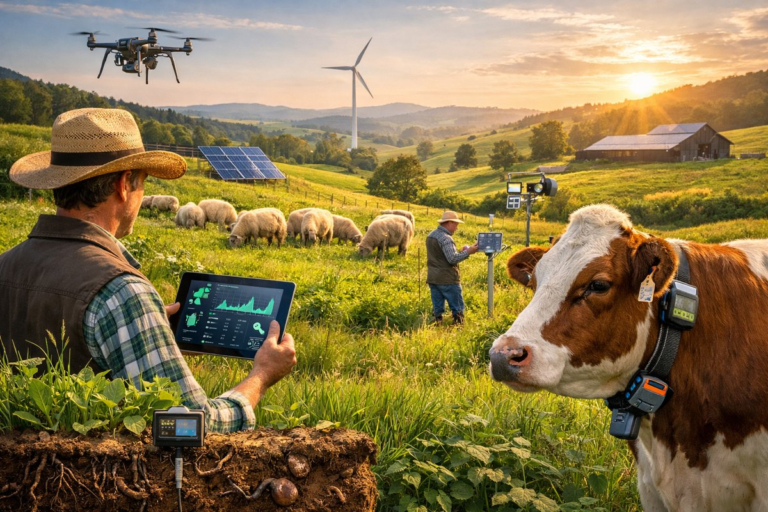
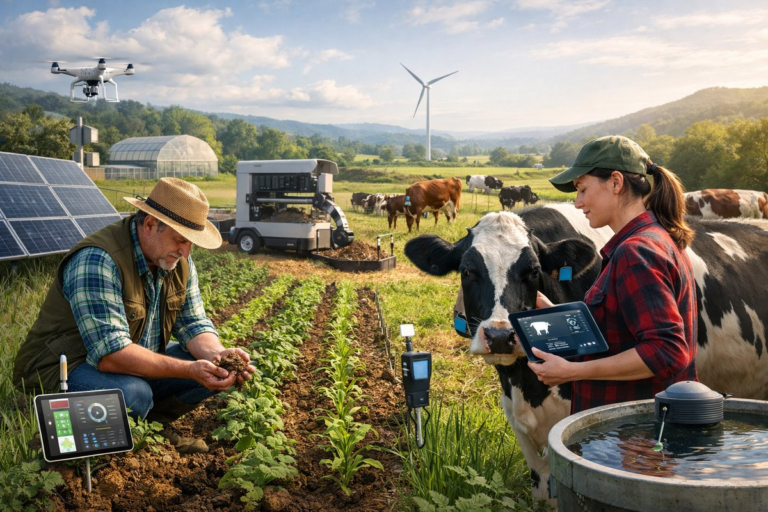
Complementing precision feeding, advances in remote monitoring and smart infrastructure are enhancing animal care and farm management. Wireless sensor networks track environmental conditions like temperature, humidity, and air quality within barns and pastures, alerting farmers to potential stressors or disease risks. Automated ventilation and lighting systems respond dynamically to these inputs, creating optimal living conditions that improve comfort and reduce illness. Additionally, wearable devices attached to livestock provide continuous health data, enabling early detection of issues such as lameness or infections. This proactive approach supports animal welfare and reduces reliance on antibiotics, aligning with sustainable and ethical farming principles.
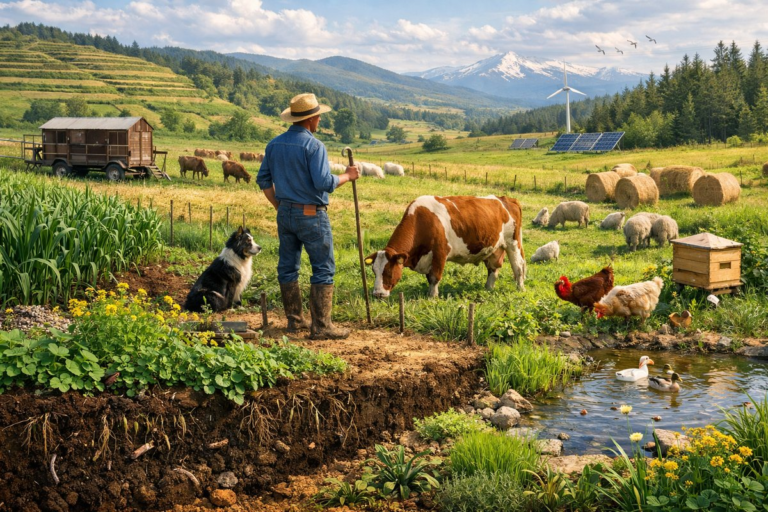
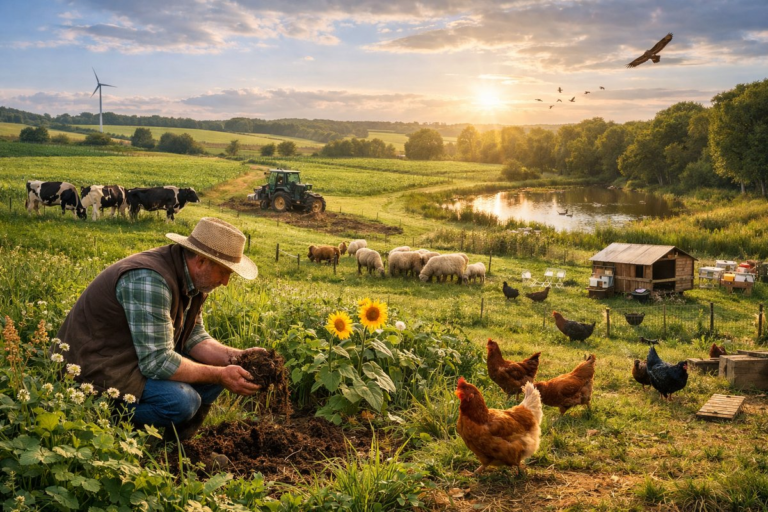
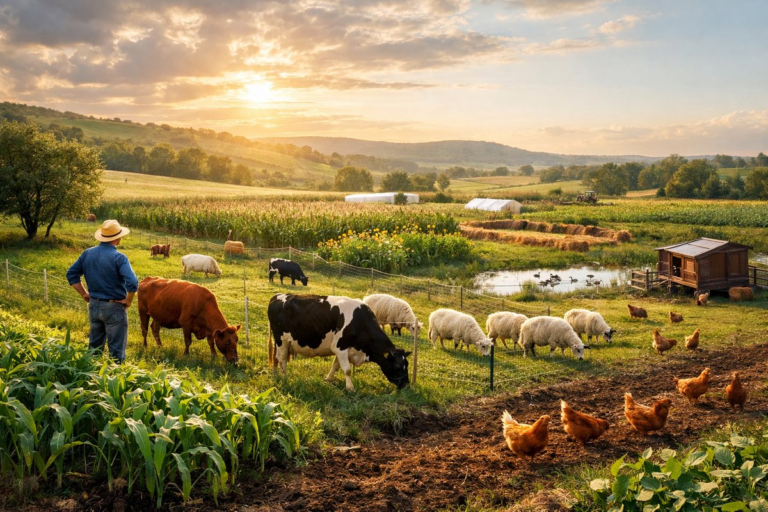
Sustainable livestock operations are also embracing innovative grazing strategies that promote soil health and biodiversity. Rotational and adaptive grazing techniques allow pastures to recover and flourish, enhancing carbon sequestration and water retention. Some farms integrate multi-species grazing, where complementary animals such as cattle, sheep, and goats share the land, naturally controlling weeds and parasites while diversifying farm outputs. These practices contribute to ecosystem resilience and reduce dependence on chemical inputs.
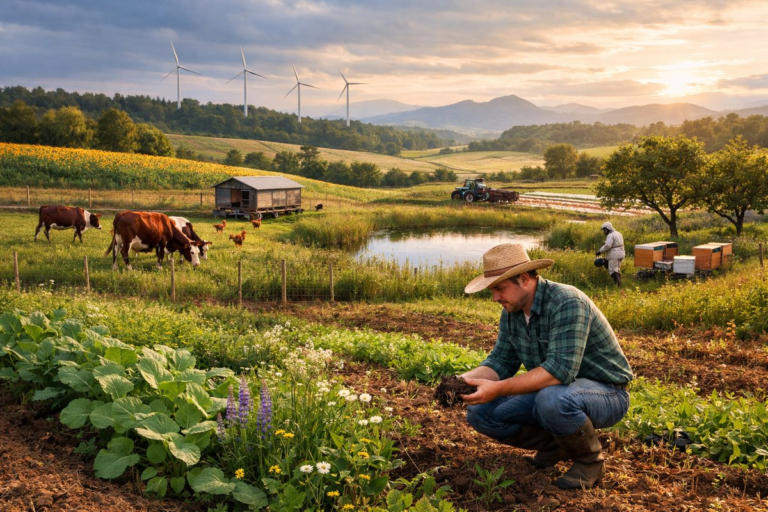
Renewable energy integration is another hallmark of modern sustainable farms. Solar panels, wind turbines, and biogas digesters are increasingly common, powering farm equipment, heating water, and managing waste sustainably. Biogas systems, in particular, convert manure into renewable energy and nutrient-rich fertilizer, closing nutrient loops and mitigating greenhouse gas emissions. This circular approach exemplifies how technology can harmonize with natural processes to create efficient, low-impact farming systems.
Community collaboration and knowledge sharing play a crucial role in advancing sustainable livestock farming. Cooperative models enable small and mid-sized farms to pool resources, access shared technology, and market products collectively. Educational initiatives and extension services provide farmers with up-to-date information on best practices and emerging innovations. This social dimension fosters resilience and empowers farmers to adapt to changing environmental and economic conditions.
Despite these promising developments, challenges remain. Initial investment costs for technology and infrastructure can be prohibitive, especially for smaller operations. There is also a learning curve associated with adopting new tools and methods, requiring training and ongoing support. Moreover, balancing technological efficiency with the preservation of traditional farming values and animal-centric care requires thoughtful integration.
Looking ahead, the future of sustainable livestock farming will likely be characterized by increasingly sophisticated data-driven management systems, deeper integration of renewable energy, and enhanced collaboration across sectors. Innovations such as blockchain for supply chain transparency and genetic selection for resilience to climate stressors are on the horizon. At the heart of these advances is a commitment to stewardship-caring for animals, land, and communities in ways that honor ecological limits and social equity.
By weaving together the wisdom of past practices with the promise of new technologies, sustainable livestock farmers are charting a path toward a more harmonious and productive agricultural future. This journey underscores the importance of curiosity, adaptability, and empathy in crafting farming systems that nourish people and the planet alike.