Location
Mount Vernon, WA 98274

Location
Mount Vernon, WA 98274

As digital permanence saturates much of today's creative output, a fascinating counter-movement is flourishing in the art and design world: a celebration of impermanence and transient beauty. This exploration delves into how artists and designers are crafting works that intentionally embrace change, decay, and fleeting moments, inviting audiences into a dynamic, evolving relationship with visual expression.
In an era dominated by digital images that are endlessly replicable and permanent, a growing number of artists and designers are turning toward ephemerality – the quality of lasting for only a short time – as a fundamental element of their creative practice. This embrace of impermanence challenges traditional notions of art as a static, unchanging object and invites viewers to engage with works as living, temporal experiences.
The concept of ephemeral art is not entirely new; practices such as sand mandalas in Tibetan Buddhism or ice sculptures have long highlighted the beauty of transient creations. However, contemporary practitioners are expanding these ideas with innovative materials, technology, and philosophies that underscore the significance of temporality in a hyper-connected, fast-paced world.
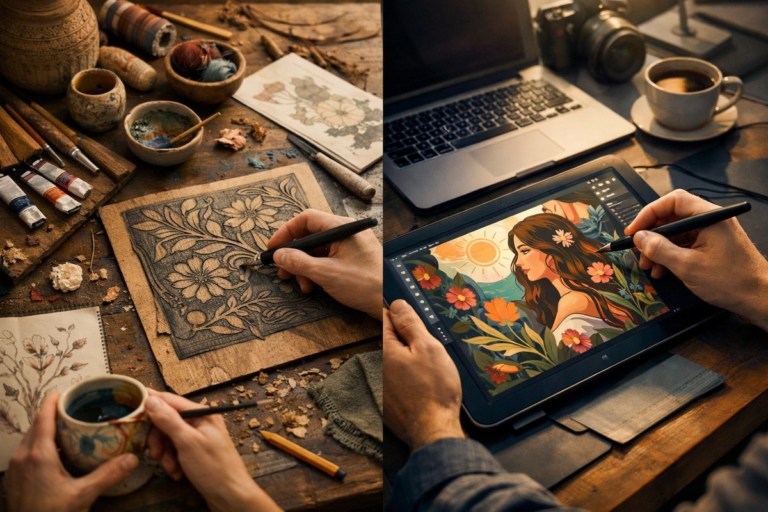
One prominent avenue in this movement is the use of biodegradable and natural materials that change form, color, or texture over time. Artists working with plant-based inks, ephemeral pigments, or organic textiles create pieces that evolve as environmental conditions shift. For example, installations incorporating living plants or fungi not only produce aesthetically striking visuals but also provoke reflection on cycles of growth, decay, and renewal. Such works can prompt deeper ecological awareness, emphasizing sustainability and our intertwined relationship with nature.
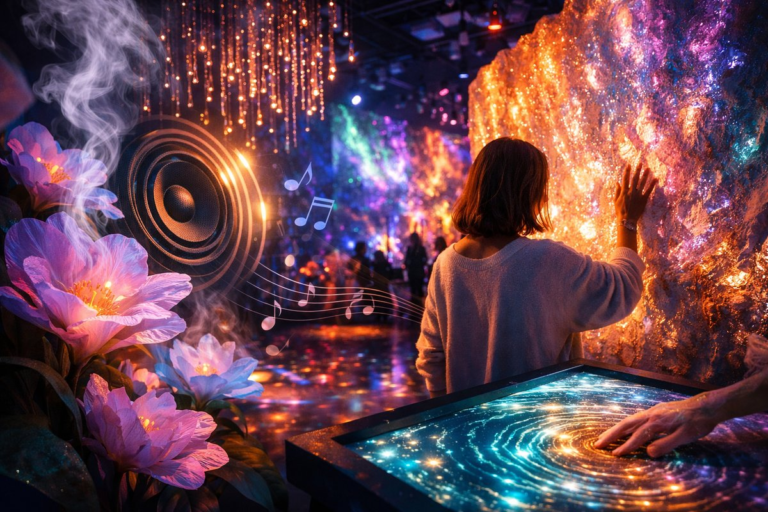
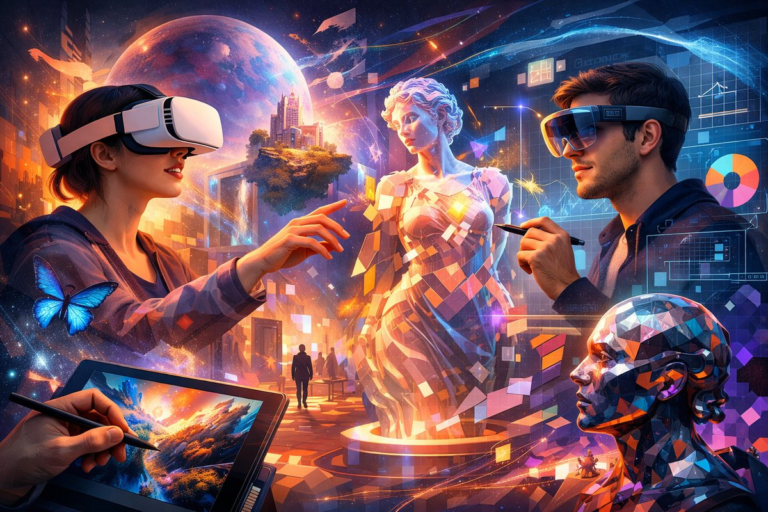
Beyond natural materials, some visual designers employ digital technologies to craft artworks that literally vanish or transform. Augmented reality (AR) and virtual reality (VR) enable creators to produce visuals that exist only momentarily through viewers’ devices, dissolving as quickly as they appear. These immersive experiences underscore how digital art can explore impermanence in ways impossible for traditional media, turning the act of viewing into a participatory, time-sensitive event.
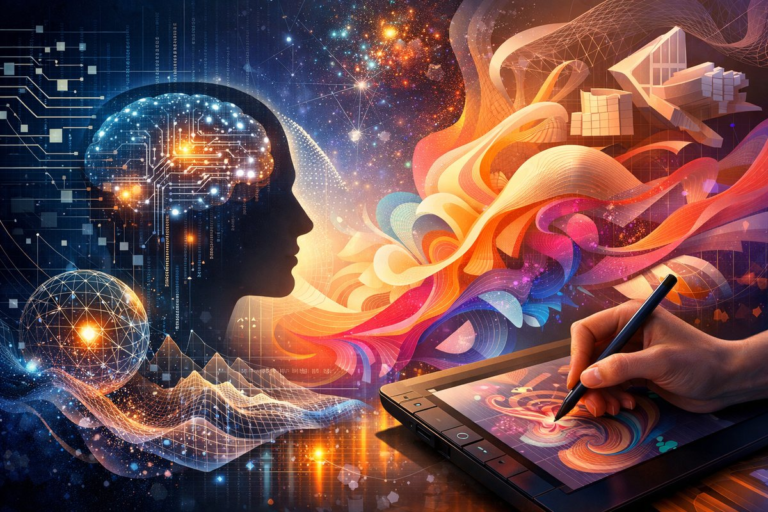
Moreover, generative algorithms and artificial intelligence increasingly contribute to ephemeral art by producing ever-changing patterns and forms. These systems generate visuals in real-time, ensuring no two moments are identical. Such artworks live in a state of constant flux, inviting audiences to embrace unpredictability and the beauty of continuous transformation.
The philosophical underpinnings of this trend resonate with ideas from Eastern aesthetics, such as the Japanese concept of wabi-sabi, which finds beauty in imperfection, transience, and the natural aging process. By integrating these sensibilities, contemporary visual art fosters a mindful appreciation for the present moment and the inherent impermanence of all things.
The emotional impact of ephemeral art is profound. Knowing a work will not last forever heightens the viewer’s attention and emotional engagement. It calls for presence, encourages reflection on the fleeting nature of experience, and can evoke a poignant sense of loss or wonder. This dynamic relationship between creation and destruction challenges the collector’s mindset and the commodification of art, suggesting instead that value lies in experience rather than ownership.
In public spaces, ephemeral art offers novel opportunities for community interaction and social commentary. Temporary murals made with washable paints, projection mapping onto buildings, or interactive light installations engage passersby in moments of shared creativity and dialogue. These projects often highlight themes of social change, environmental urgency, or cultural memory, leaving intangible but lasting impressions.
The sustainability implications of ephemeral art are especially significant amid growing concerns about waste and environmental degradation. By prioritizing materials and methods that minimize ecological footprint, artists contribute to a more responsible creative economy. This ethos aligns with broader movements toward slow design and mindful consumption, encouraging audiences to rethink how they value and interact with art objects.
Despite its advantages, ephemeral art also presents challenges. Its transient nature complicates documentation, preservation, and exhibition within traditional gallery systems. Curators and institutions must adapt by developing new strategies for archiving, storytelling, and audience engagement that honor temporality without sacrificing accessibility. Digital archives, video documentation, and interactive platforms play crucial roles in extending the life and reach of these fleeting works.
Education and community-building around ephemeral practices are likewise vital. Workshops, artist talks, and participatory events that focus on the processes of creating impermanent art cultivate appreciation and inspire new generations of creators to explore temporality as a creative tool.
Ultimately, the rise of ephemeral art and design reflects a deeper cultural shift. In a world saturated with information and mass production, the choice to create impermanent, evolving works offers a counterbalance-a way to slow down, appreciate change, and reconnect with the rhythms of nature and human experience. It invites us to embrace uncertainty and the beauty of the moment, redefining what it means to create, perceive, and value visual expression today.
This ongoing exploration promises to reshape not only artistic techniques and materials but also our fundamental relationship with art itself, making impermanence a powerful lens for understanding creativity in the contemporary age.