Location
Mount Vernon, WA 98274

Location
Mount Vernon, WA 98274
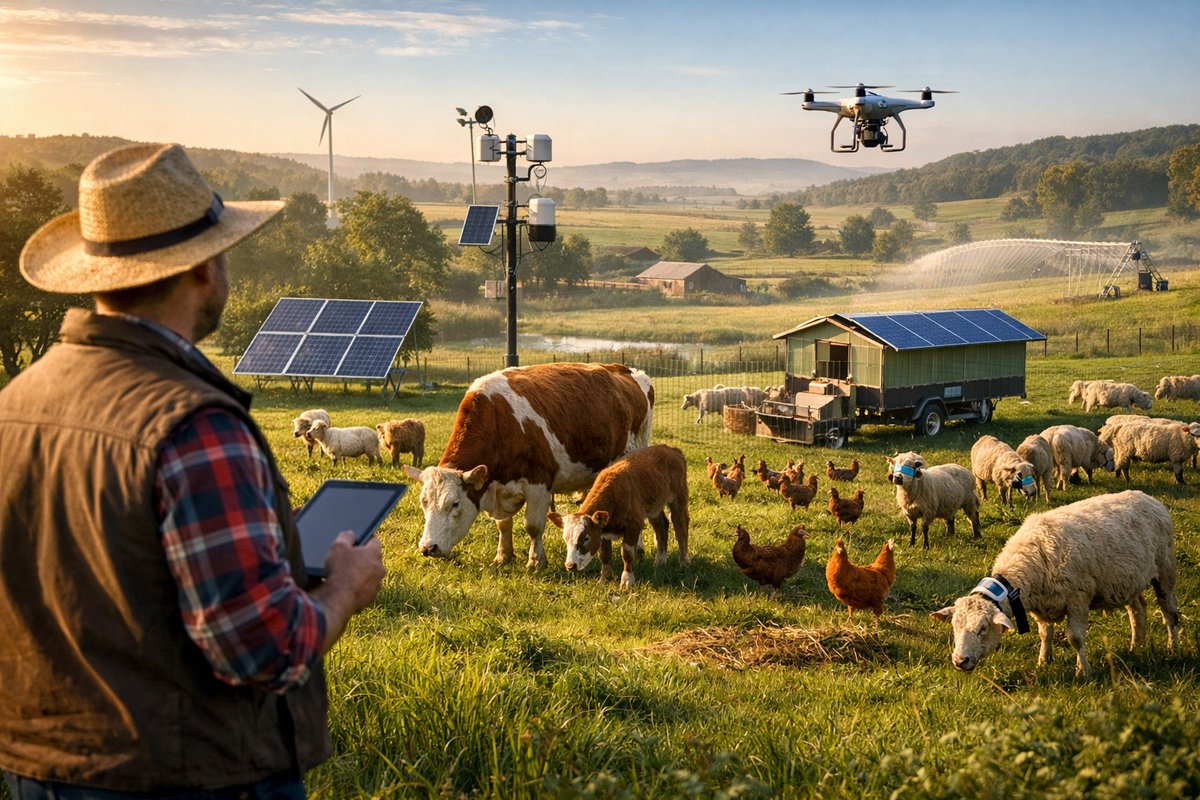
As the agricultural sector faces mounting environmental and ethical challenges, farmers are pioneering new approaches to livestock care that blend time-honored techniques with innovative, sustainable technologies. This evolving landscape fosters healthier animals, improved land stewardship, and resilient rural communities.
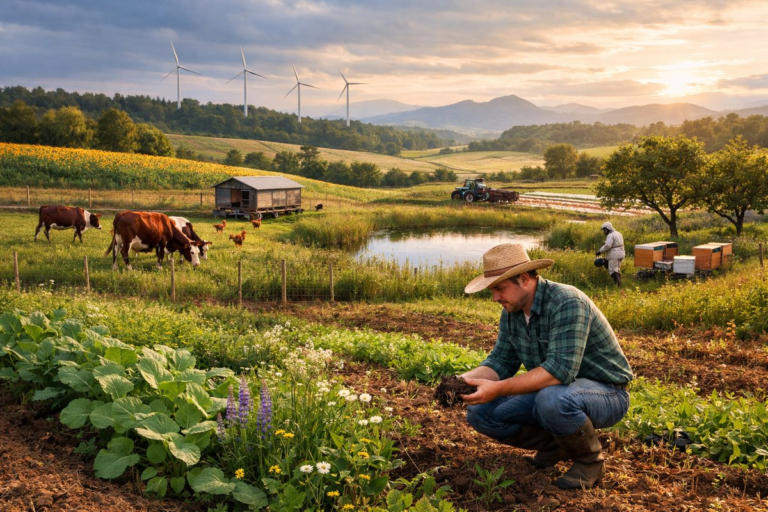
Livestock farming stands at a crossroads where sustainability and animal welfare converge, demanding fresh strategies that honor both ecological integrity and the well-being of farm animals. Across diverse regions, farmers and researchers are collaborating to reimagine how animals are raised, cared for, and integrated into regenerative systems that restore soil health and biodiversity.
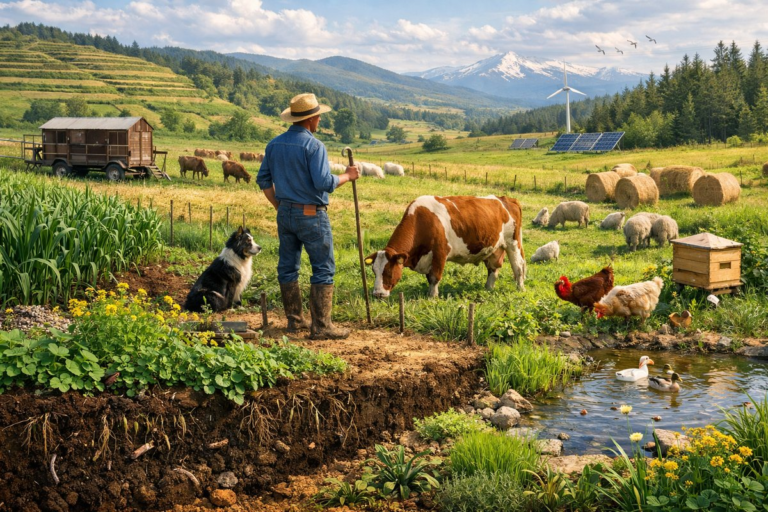
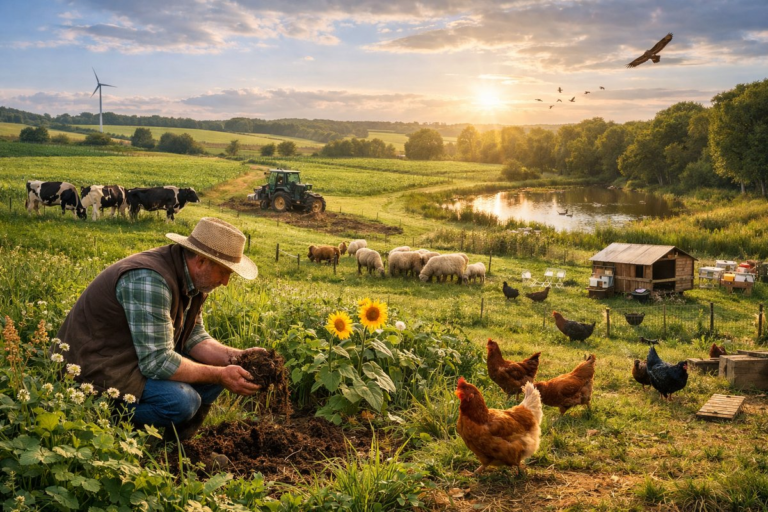
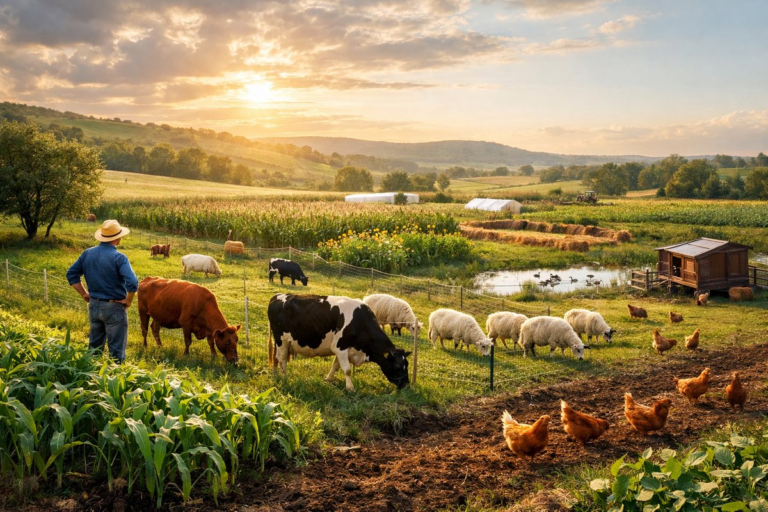
One emerging approach emphasizes holistic management, a practice that draws from indigenous knowledge and modern science to optimize grazing patterns. By rotating livestock thoughtfully, farmers allow pastures to recover, boosting soil carbon sequestration and enhancing forage quality. This method reduces the need for synthetic inputs and mitigates erosion, while promoting natural nutrient cycling.
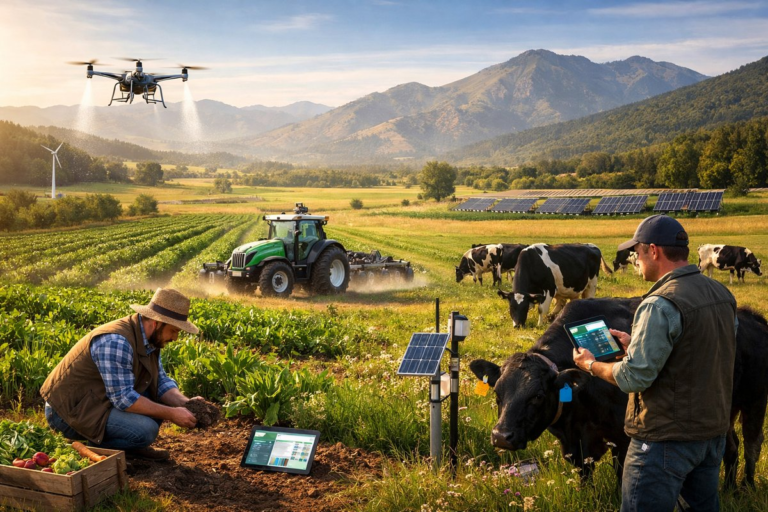
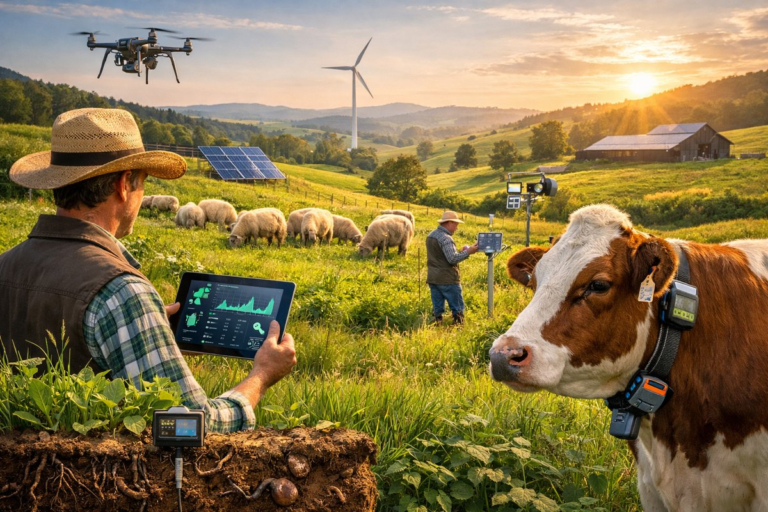
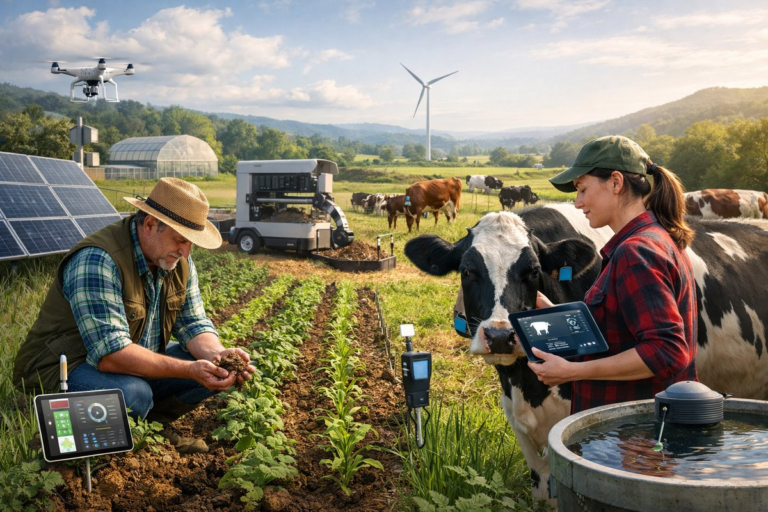
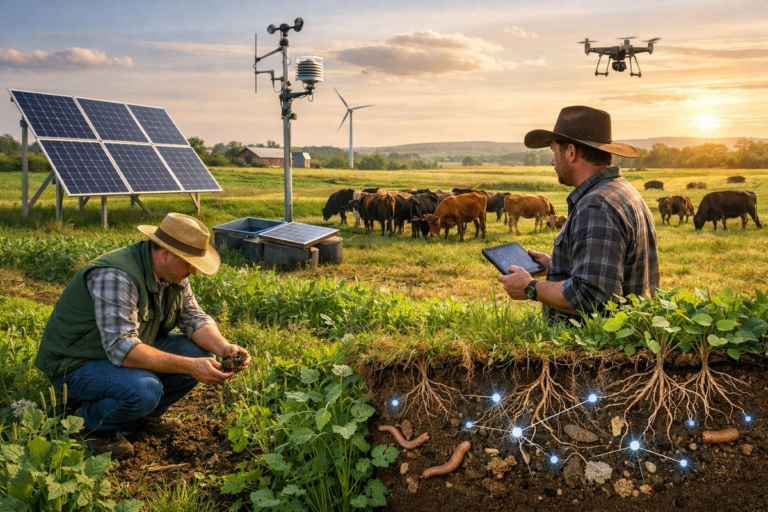
Complementing these grazing strategies, advances in precision agriculture are enabling real-time monitoring of animal health and environmental conditions. Sensors placed in pastures or on animals can track movement, temperature, and hydration, alerting farmers to early signs of illness or stress. This data-driven vigilance not only improves individual animal care but also reduces antibiotic reliance by facilitating timely, targeted interventions.
Sustainability in livestock farming also extends to feed innovations. Researchers are exploring alternative protein sources such as insect meal and algae supplements that lower the carbon footprint of animal diets. These novel feeds can enhance digestive efficiency and reduce methane emissions, addressing one of the sector’s most significant environmental impacts.
Animal welfare remains central to these transformations. Many farms are adopting low-stress handling techniques and redesigning facilities to mimic natural habitats, which can improve behavioral health and productivity. Enriched environments with ample space, shade, and social opportunities help animals express natural behaviors, reducing stress-induced illnesses.
Energy efficiency and renewable power integration are further hallmarks of progressive livestock operations. Solar panels and biogas digesters convert waste into usable energy, reducing fossil fuel dependence and generating additional revenue streams. These systems exemplify circular economy principles, turning byproducts into resources and minimizing environmental footprints.
Community engagement and knowledge sharing are vital to scaling these innovations. Farmer cooperatives and extension programs facilitate the exchange of best practices and foster collective problem-solving. Such networks empower rural communities to build resilient food systems that support economic viability alongside ecological health.
Despite promising advances, challenges remain. Transitioning to sustainable livestock systems requires upfront investment, technical expertise, and supportive policies. Ensuring equitable access to resources and markets is critical to avoid marginalizing small-scale farmers. Moreover, ongoing research is needed to refine practices and quantify long-term benefits for climate mitigation and biodiversity.
Ultimately, the future of livestock farming lies in harmonizing tradition with technology, respecting animal sentience while stewarding the land responsibly. This integrated vision nurtures thriving ecosystems, nourishes communities, and contributes to a more sustainable global food system.