Location
Mount Vernon, WA 98274

Location
Mount Vernon, WA 98274
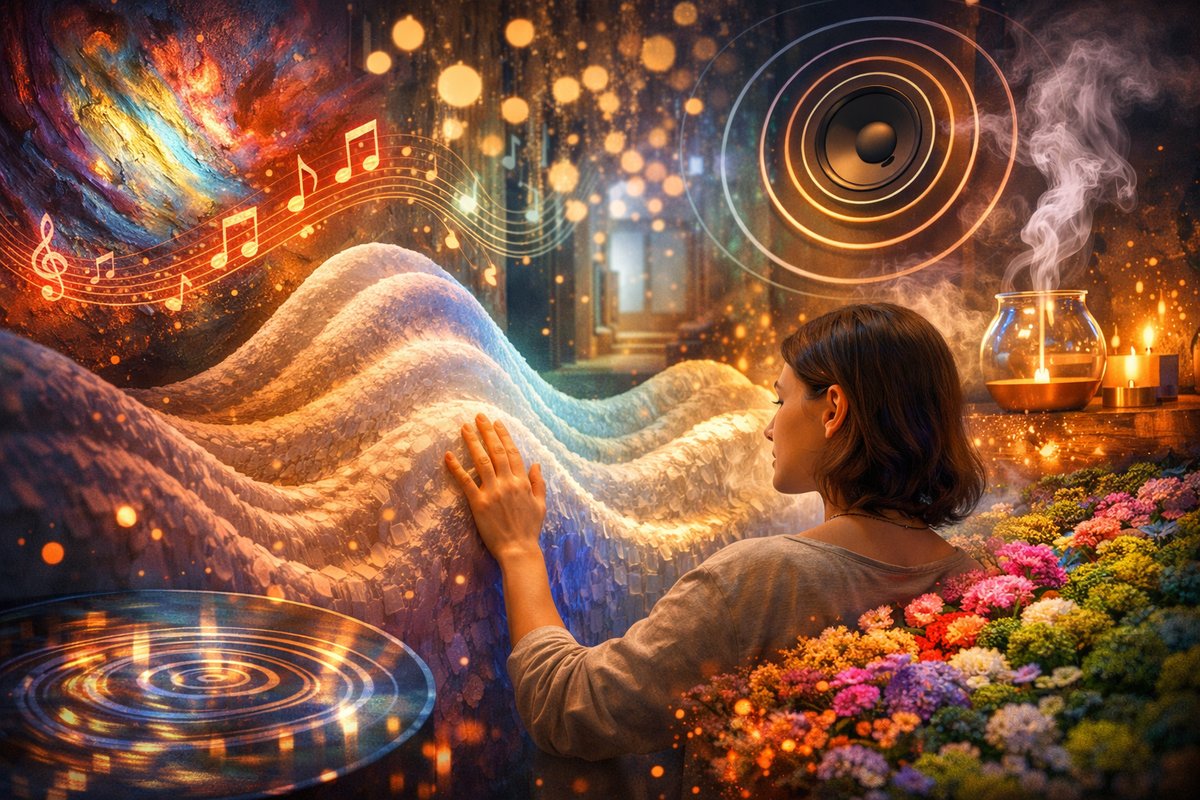
Visual art and design are evolving beyond sight to embrace multisensory experiences that challenge conventional boundaries. By integrating touch, sound, and even scent, contemporary creators are crafting immersive environments that invite deeper emotional engagement and redefine what it means to experience art.
In recent years, the world of visual art and design has witnessed a profound shift toward multisensory exploration, reshaping how audiences interact with creative works. Moving beyond the traditional confines of the canvas or screen, artists and designers are weaving tactile, auditory, and olfactory elements into their pieces, creating rich, immersive environments that invite participation rather than passive observation. This evolution reflects a growing desire to engage audiences on multiple sensory levels, fostering emotional resonance and expanding the very definition of visual expression.
Historically, art has prioritized the visual sense, with painting, sculpture, and photography dominating creative practice. Yet the emergence of technology-driven media, combined with a heightened cultural interest in experiential engagement, has opened new avenues for creators to challenge this paradigm. Installations that respond to touch or movement, soundscapes that complement visual motifs, and even scents designed to evoke memories or moods are becoming integral to contemporary artistic language.
One prominent example comes from immersive exhibitions where visitors navigate spaces that change dynamically through their presence. Pressure-sensitive floors might alter projected visuals, while hidden speakers produce soundscapes reacting to movement patterns. Such interactivity encourages a dialogue between the artwork and the observer, transforming the latter into a participant. This shift not only democratizes the experience but also heightens emotional impact by personalizing each encounter.
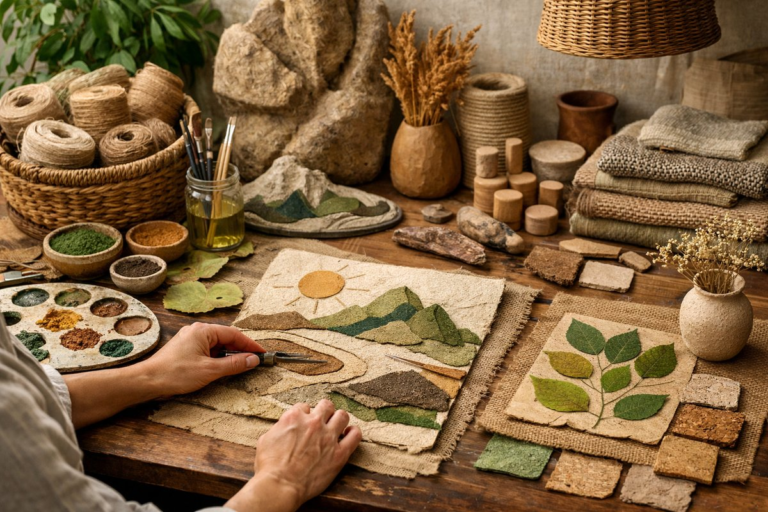
The integration of tactile elements is equally transformative. Artists working with textured materials or interactive surfaces invite audiences to explore through touch, disrupting the conventional ‘look but don’t touch’ ethos. This tactile engagement can deepen understanding and foster empathy, particularly when themes address social issues or personal narratives. By bridging the gap between viewer and object, tactile design dismantles barriers and cultivates intimacy.
Moreover, sound design is proving a powerful complement to visual art, capable of directing attention, setting mood, and evoking memories. The use of ambient sounds, spoken word, or music within installations enriches storytelling and stimulates neurological pathways linked to emotion and memory. For instance, a visual piece depicting a forest may incorporate subtle rustling leaves and bird calls, immersing the audience in a multisensory narrative that transcends visual aesthetics.
Olfactory elements, while less common, are gaining traction as potent emotional triggers. The scent of rain, wood, or spices can evoke vivid memories and moods, creating an immersive context that anchors visual work in lived experience. This sensory layering is particularly effective in installations exploring themes of identity, place, or history, where scent bridges personal and collective memory.
This multisensory turn aligns with broader cultural trends emphasizing mindfulness, emotional intelligence, and holistic wellbeing. As audiences seek deeper connections and authentic experiences, art that engages multiple senses offers pathways for reflection, empathy, and healing. It also challenges designers and artists to reconsider materials, spatial dynamics, and narrative structures in innovative ways.
The rise of accessible technologies such as augmented reality (AR), haptic feedback devices, and spatial audio systems further fuels this creative expansion. AR overlays allow artists to blend digital content with physical environments, crafting hybrid realities that respond to user input. Haptic devices enable nuanced tactile feedback, enriching digital artworks with a tangible dimension. Meanwhile, advances in spatial audio create immersive sound fields that envelop audiences, enhancing the illusion of presence.
Sustainability considerations are increasingly influencing material choices and design strategies within this movement. Artists are exploring eco-friendly mediums and repurposed objects to minimize environmental impact, reflecting a values-driven approach that resonates with contemporary audiences. This conscious practice not only reduces waste but also embeds ethical narratives within the work, adding conceptual depth.
Educational institutions and cultural organizations are embracing multisensory art to foster inclusive engagement. By catering to diverse sensory preferences and abilities, these practices democratize access and encourage broader participation. For example, tactile maps and audio descriptions enhance experiences for visually impaired visitors, while scent and sound create layered narratives accessible across sensory modalities.
Looking ahead, the fusion of multisensory design with emerging technologies promises to further redefine artistic boundaries. Artificial intelligence could tailor sensory experiences to individual emotional states, while biofeedback integration might allow artworks to respond to viewers’ physiological signals in real time. These possibilities open exciting frontiers for personalized and empathic art encounters.
Ultimately, the expanding role of multisensory design in visual art signals a paradigm shift-from static observation to dynamic, embodied experience. By inviting audiences to see, hear, touch, and even smell their way through creative worlds, artists and designers cultivate profound emotional connections and challenge us to reconsider how we define and relate to art itself. This holistic approach honors the complexity of human perception and offers fertile ground for innovation, empathy, and wonder.