Location
Mount Vernon, WA 98274

Location
Mount Vernon, WA 98274
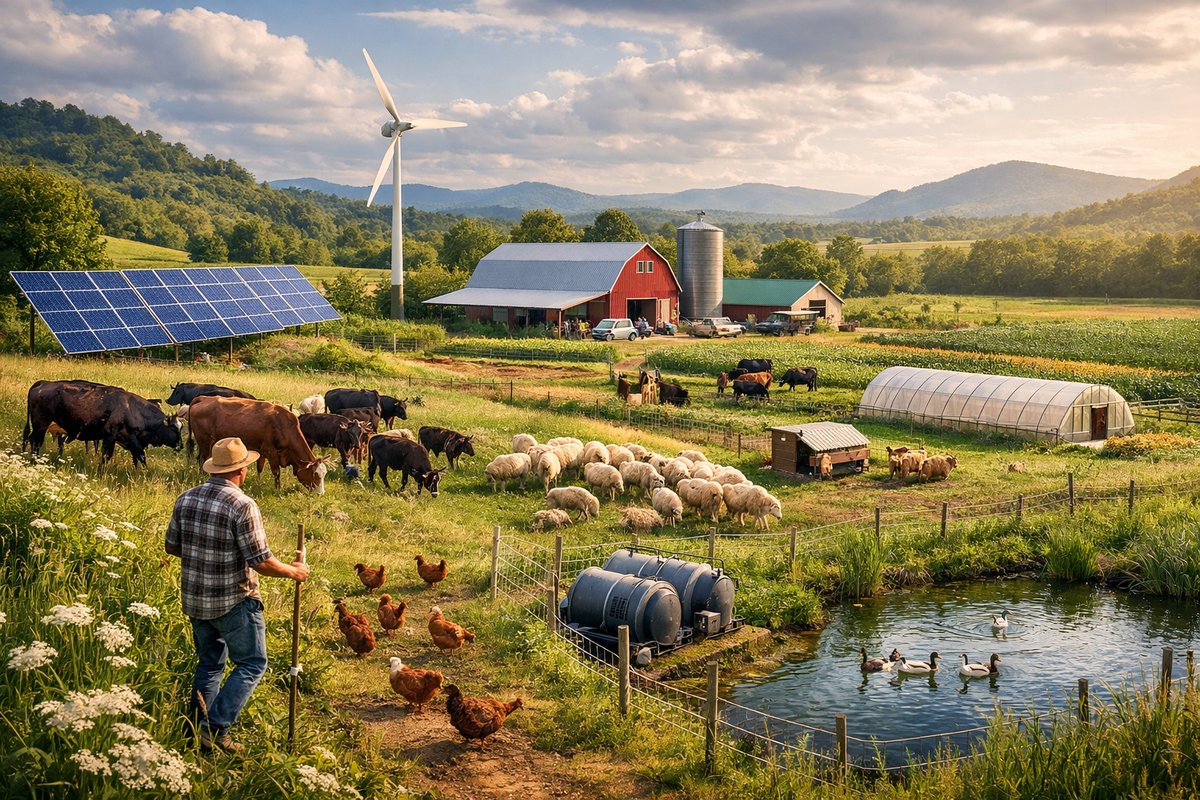
As climate challenges intensify, farmers are pioneering resilient methods that blend ecological stewardship with animal welfare. From regenerative grazing to renewable energy integration, these evolving practices offer a blueprint for sustainable rural livelihoods.
In recent years, the agricultural sector has witnessed a profound shift toward sustainability, driven by mounting environmental pressures and a growing awareness of the interconnectedness between soil health, animal welfare, and rural economies. Farmers and livestock managers are increasingly adopting innovative strategies that not only enhance productivity but also nurture ecosystems and promote long-term resilience.
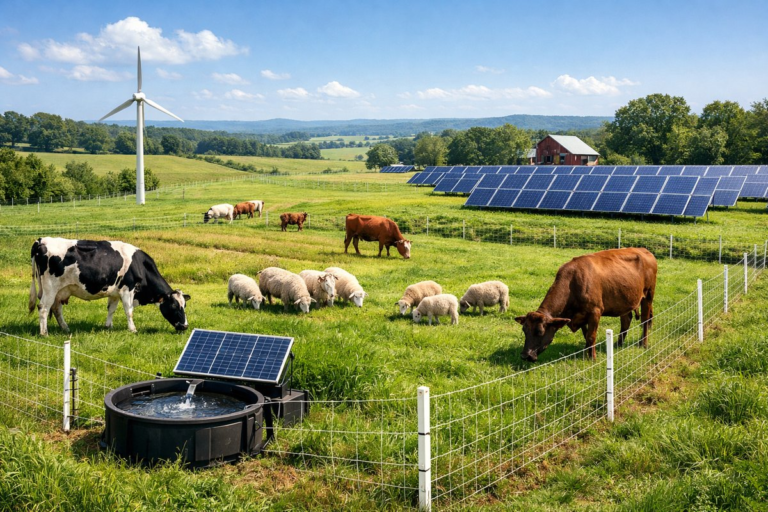
One of the most transformative approaches gaining momentum is regenerative grazing. Unlike conventional methods that often rely on continuous grazing in fixed areas, regenerative grazing involves carefully planned rotational or mob grazing techniques. This practice mimics natural herd movements, allowing pastures to recover, improving soil organic matter, and boosting biodiversity. By fostering healthier grasslands, farmers can sequester carbon more effectively, mitigate erosion, and create habitats for beneficial insects and wildlife.
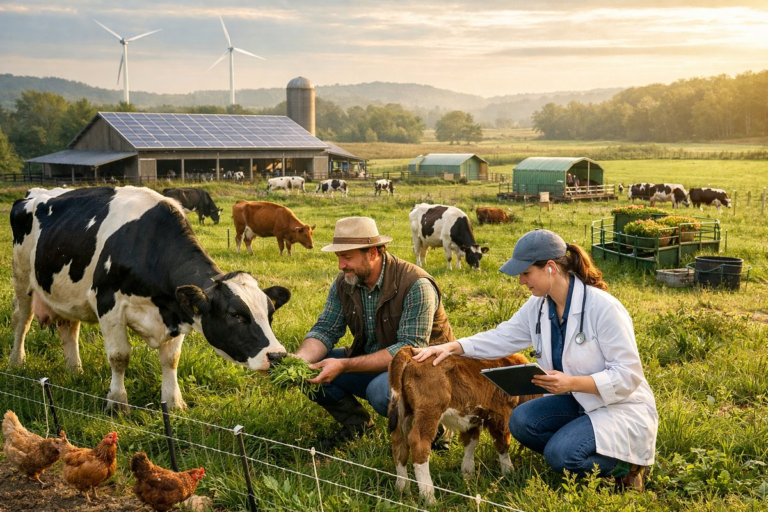
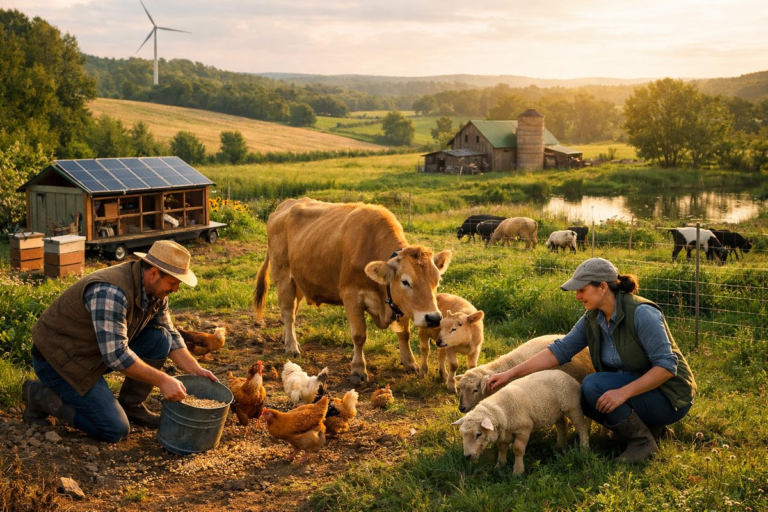
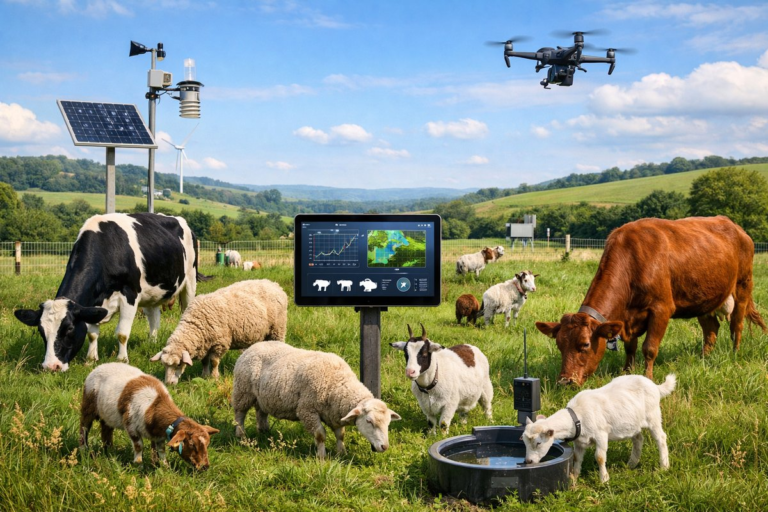
Animal welfare is central to these sustainable systems. Emphasizing low-stress handling, adequate space, and natural behaviors leads to healthier livestock and better-quality products. For example, integrating mixed-species grazing – where cattle, sheep, and goats graze complementary vegetation – reduces parasite loads and improves pasture utilization. This synergy decreases the need for chemical interventions and supports a balanced ecosystem.
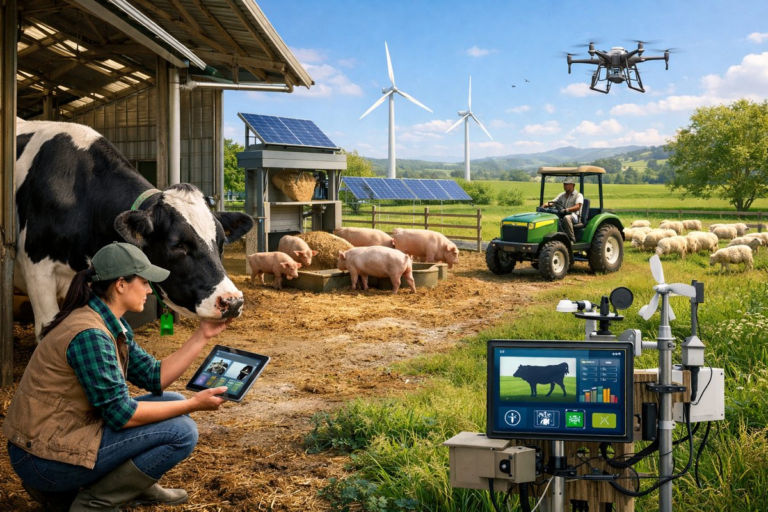
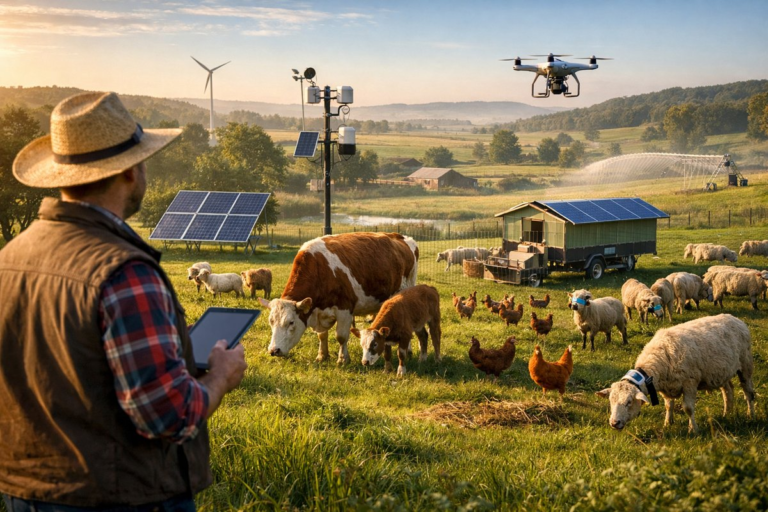
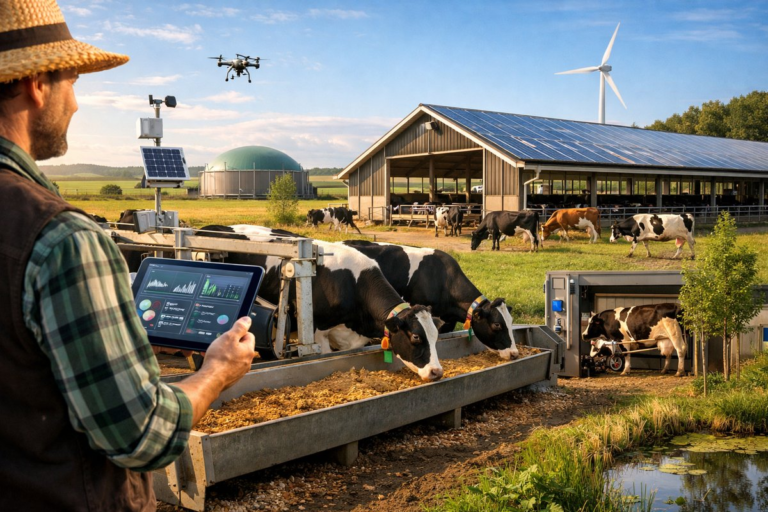
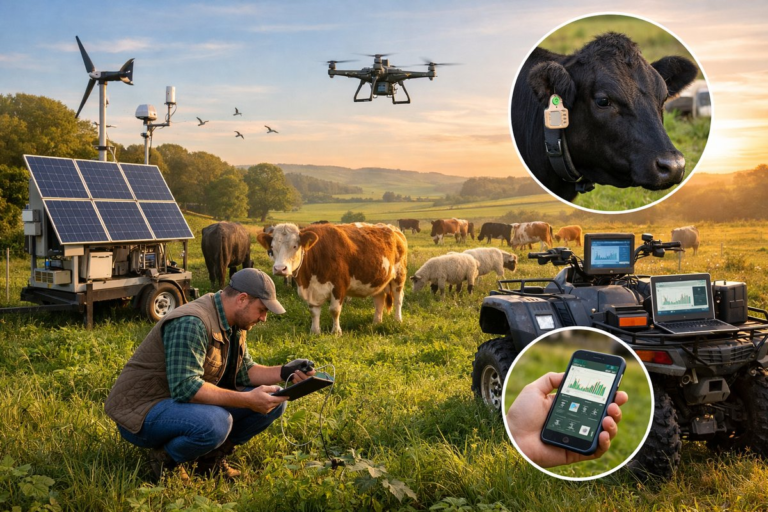
Technology also plays a pivotal role in modern sustainable farming. Precision agriculture tools, such as GPS-enabled pasture mapping and soil moisture sensors, enable farmers to monitor land conditions in real time and make informed decisions. Smart collars and wearable devices for livestock track health indicators and movement patterns, allowing early detection of illness or distress. These data-driven insights help optimize resource use, reduce waste, and enhance animal care.
Renewable energy integration is another frontier in sustainable farm operations. Solar panels installed on barn roofs or over pasture areas provide clean power for water pumps, electric fencing, and lighting. Some farms are experimenting with biogas digesters that convert manure into usable energy, reducing greenhouse gas emissions and generating heat or electricity for on-site needs.
Water management remains a critical challenge, especially in regions facing drought or irregular rainfall. Innovative solutions such as rainwater harvesting systems, contour swales, and managed wetlands help capture and retain water, supporting both crops and livestock. These practices contribute to landscape resilience and reduce dependence on external water sources.
Community engagement and knowledge sharing are vital components of this sustainable transition. Farmer cooperatives and local extension services facilitate workshops on best practices, enabling peer learning and collective problem-solving. Embracing indigenous knowledge alongside scientific research enriches the understanding of land stewardship and animal husbandry.
Despite these promising developments, challenges persist. Initial costs for new technologies or infrastructure can be prohibitive, and navigating regulatory frameworks requires support. Moreover, climate unpredictability demands flexible management strategies and ongoing adaptation. However, the growing body of evidence underscores that sustainable farming and livestock care not only protect the environment but also enhance farm viability and food security.
Looking ahead, the fusion of traditional wisdom with cutting-edge innovation offers a hopeful path. By valuing soil vitality, animal well-being, and ecosystem health as interconnected priorities, farmers are cultivating systems that are productive, ethical, and regenerative. This holistic approach is essential for meeting the needs of current and future generations while honoring the land that sustains them.