Location
Mount Vernon, WA 98274

Location
Mount Vernon, WA 98274
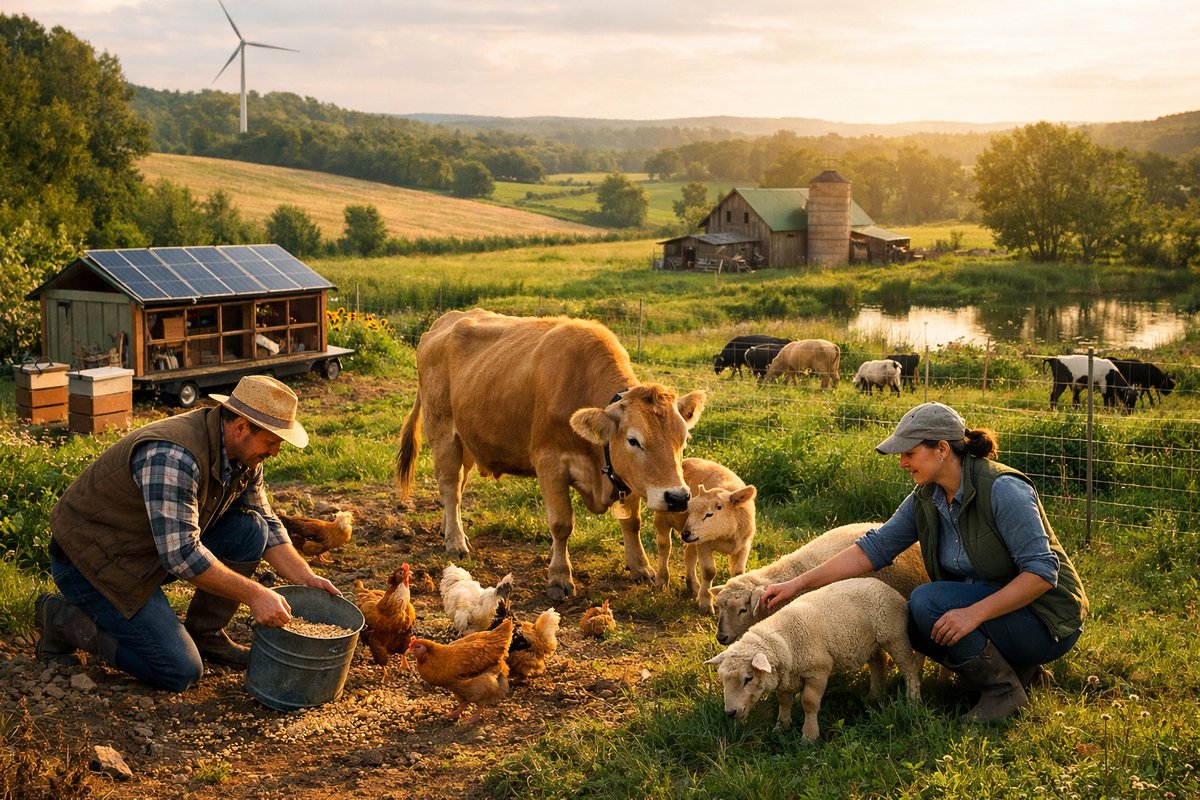
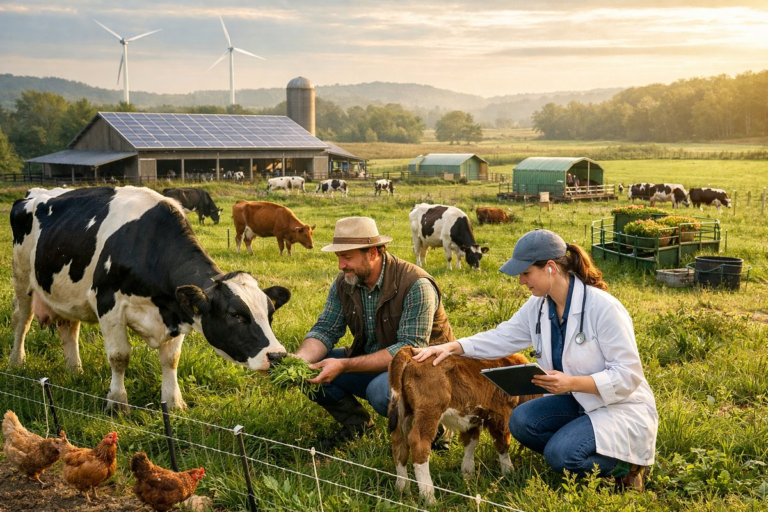
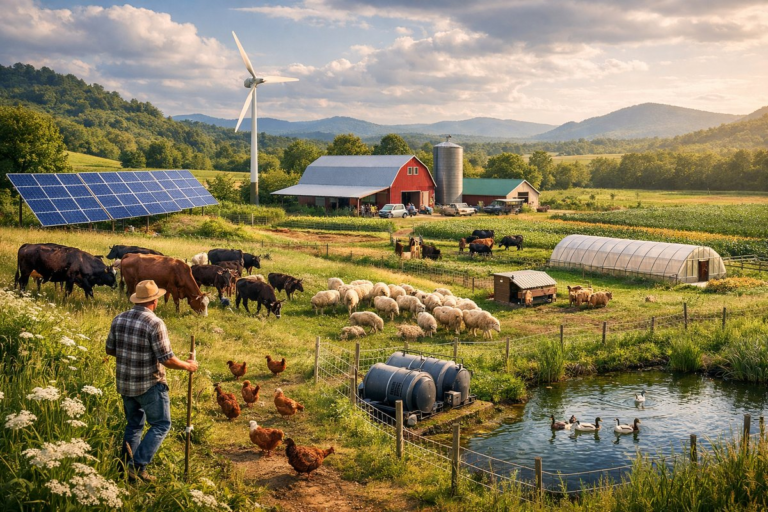
Across rural landscapes, small-scale farmers are pioneering sustainable livestock methods that balance ecological health, animal welfare, and economic viability. By blending time-tested techniques with emerging innovations, these farms are reshaping the future of animal care and rural stewardship.
In recent years, a quiet revolution has been unfolding on small farms and ranches worldwide. Faced with mounting environmental challenges and shifting consumer expectations, farmers are rethinking how livestock is raised-not merely as a source of income but as a vital component of resilient ecosystems. This movement toward sustainable livestock practices reflects a holistic approach that values animal welfare, soil health, biodiversity, and community well-being.
At the heart of this transformation is an emphasis on regenerative grazing techniques. Unlike conventional methods that often rely on continuous, intensive grazing, regenerative approaches prioritize rotational grazing patterns that mimic natural herd movements. By moving animals frequently across pastures, farmers encourage grasses and native plants to recover and flourish. This not only improves forage quality but also enhances soil organic matter, boosts carbon sequestration, and reduces erosion.
One notable practice gaining traction is mob grazing, where large groups of livestock are concentrated in a small area for a short period before being moved. This method simulates the behavior of wild herbivores and stimulates plant growth through trampling and nutrient deposition. Farmers report improved pasture productivity and healthier animals, alongside reduced reliance on chemical fertilizers.
Complementing grazing innovations, many farms are integrating agroforestry elements-such as planting trees and shrubs within pastures-to provide shade, shelter, and additional fodder. These woody perennials create microclimates that protect animals from heat stress, enhance biodiversity by offering habitat for beneficial insects and birds, and contribute to soil stabilization.
Animal welfare remains a cornerstone of sustainable livestock farming. Small-scale producers are increasingly adopting low-stress handling techniques and prioritizing natural behaviors. For example, some farms incorporate rotational access to water and mineral sources, ensuring animals can meet their nutritional needs without undue competition or stress. Others invest in comfortable housing or shelters that allow for natural movement and social interactions.
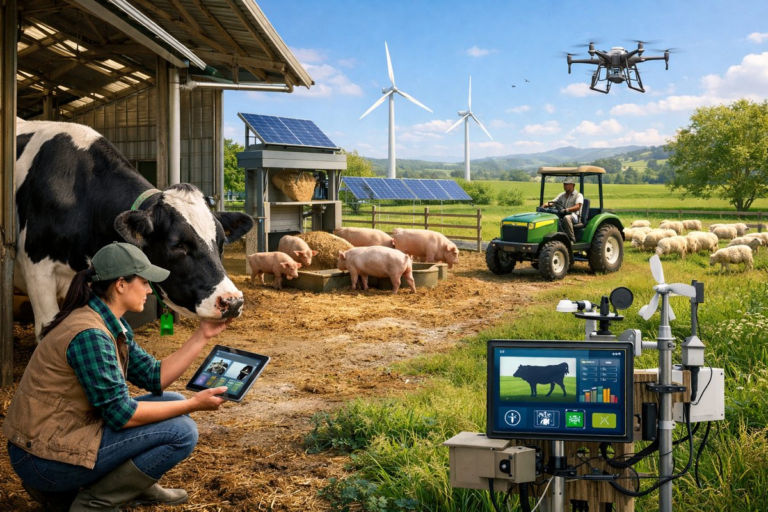
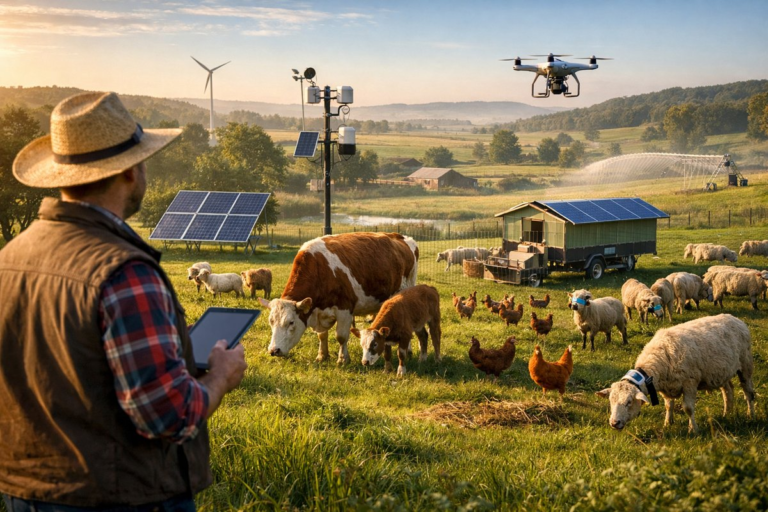
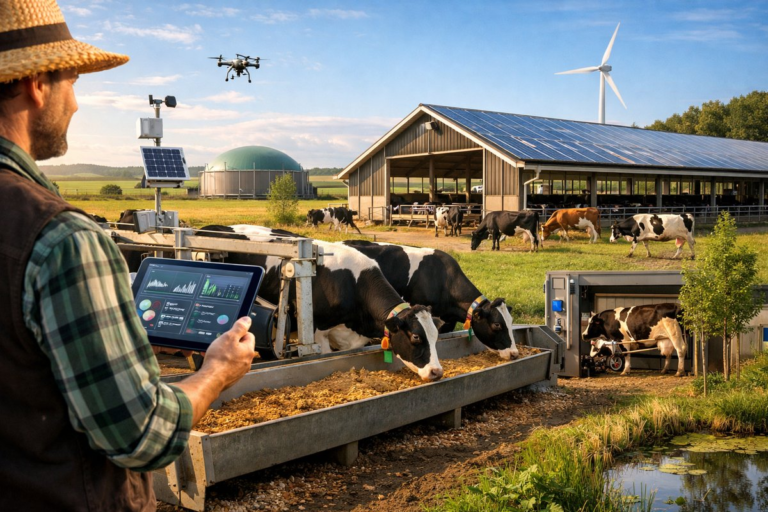
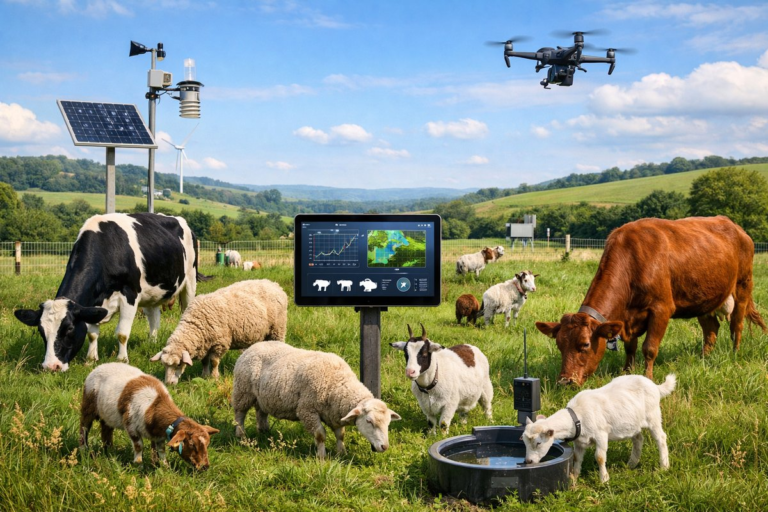
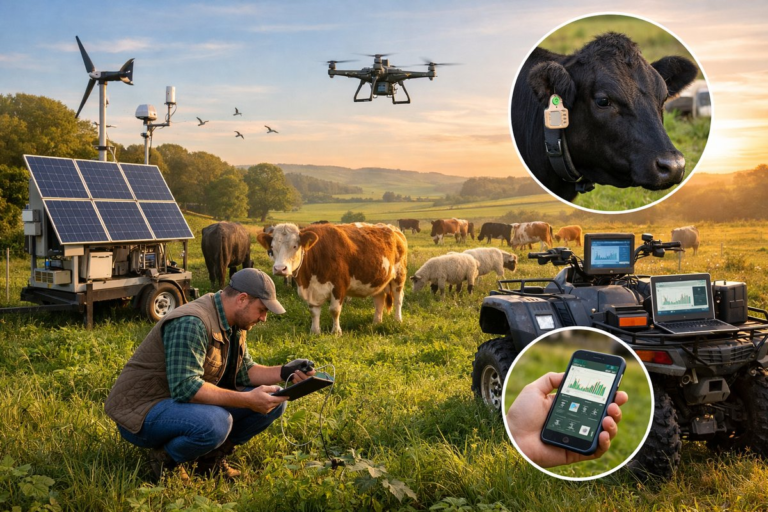
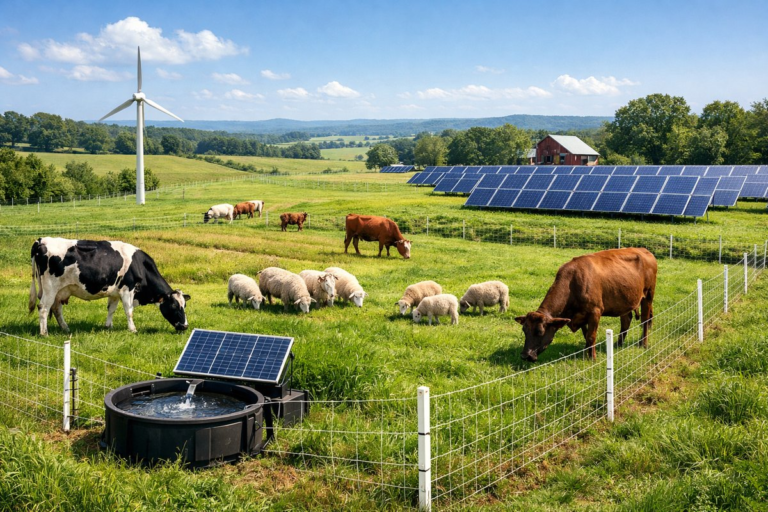
Technology is also playing a role, though often in ways that complement rather than replace traditional knowledge. Portable solar-powered electric fencing enables flexible pasture management without heavy infrastructure. Remote sensors and mobile apps help farmers monitor animal health indicators such as temperature and activity, facilitating early intervention when needed. These tools empower farmers to make informed decisions while maintaining close, empathetic relationships with their animals.
Sustainability extends beyond the farm gate. Many producers are exploring direct marketing channels like farmers’ markets, community-supported agriculture (CSA), and farm-to-table partnerships. These connections foster transparency and trust, allowing consumers to appreciate the care and stewardship behind their food. Moreover, diversified income streams-from value-added products like artisanal cheeses to agritourism experiences-enhance farm resilience.
Challenges remain, particularly regarding access to resources, knowledge sharing, and navigating regulatory frameworks. However, collaborative networks and extension services are growing, providing platforms for farmers to exchange ideas and innovations. Educational initiatives increasingly emphasize interdisciplinary approaches that integrate ecology, animal science, and socioeconomics.
Ultimately, the evolving landscape of sustainable livestock farming embodies a deeper respect for interconnectedness-between animals, land, and people. By blending traditional wisdom with thoughtful innovation, small farms are not only sustaining livelihoods but also nurturing ecosystems that can thrive for generations to come.