Location
Mount Vernon, WA 98274

Location
Mount Vernon, WA 98274
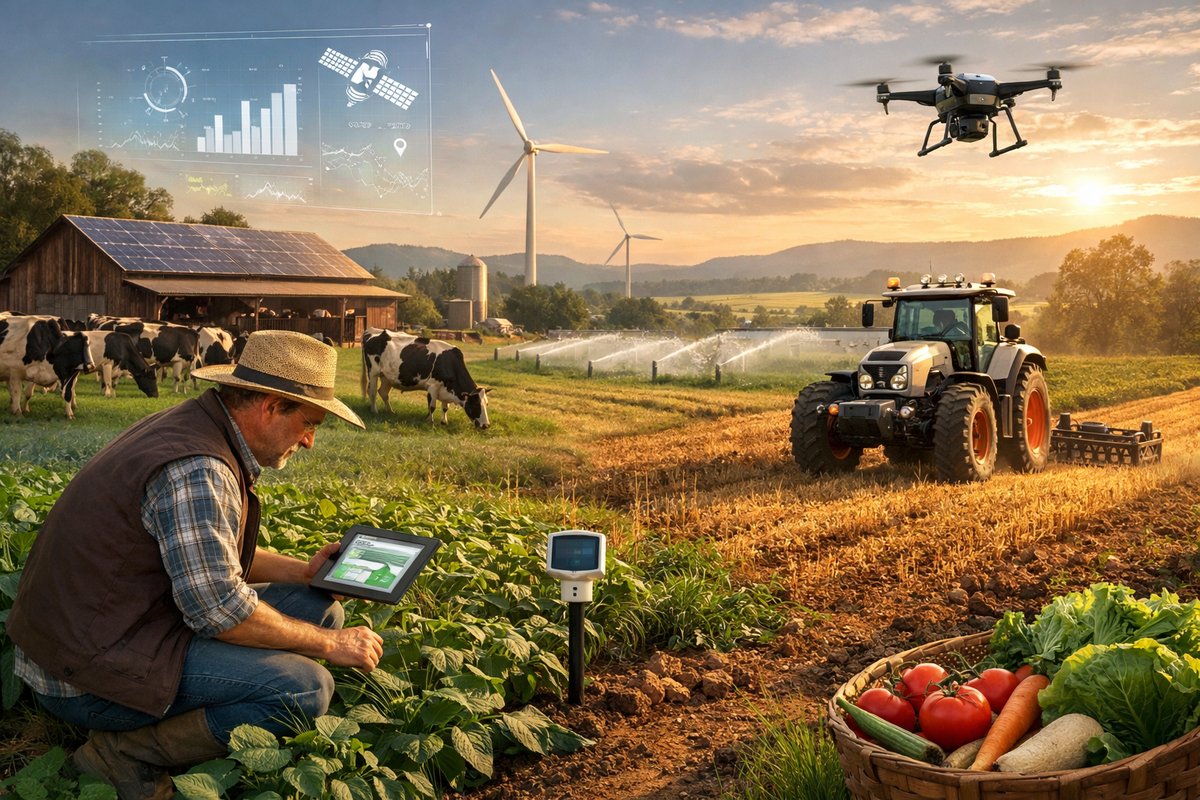
Across diverse rural landscapes, farmers are embracing regenerative practices and smart technologies to enhance sustainability in livestock care and crop production. This evolving synergy between tradition and innovation is reshaping how farms balance productivity with ecological stewardship and animal welfare.
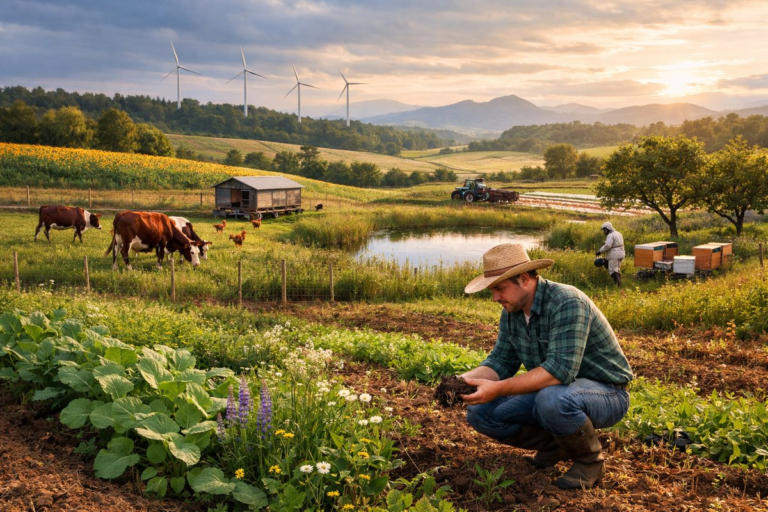
In recent years, a quiet revolution has been unfolding in the agricultural sector as more farmers adopt regenerative farming methods paired with cutting-edge technology to create resilient, sustainable farm and livestock systems. This shift reflects a growing awareness that long-term productivity depends not just on maximizing yields, but on nurturing soil health, biodiversity, and animal welfare.
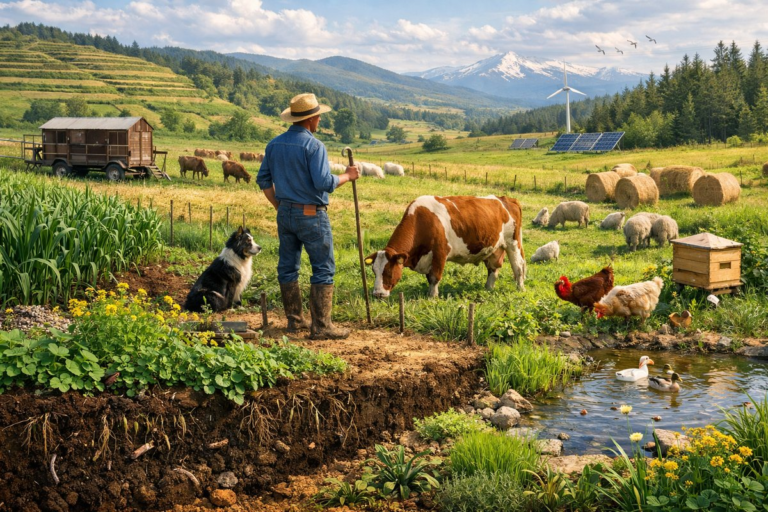
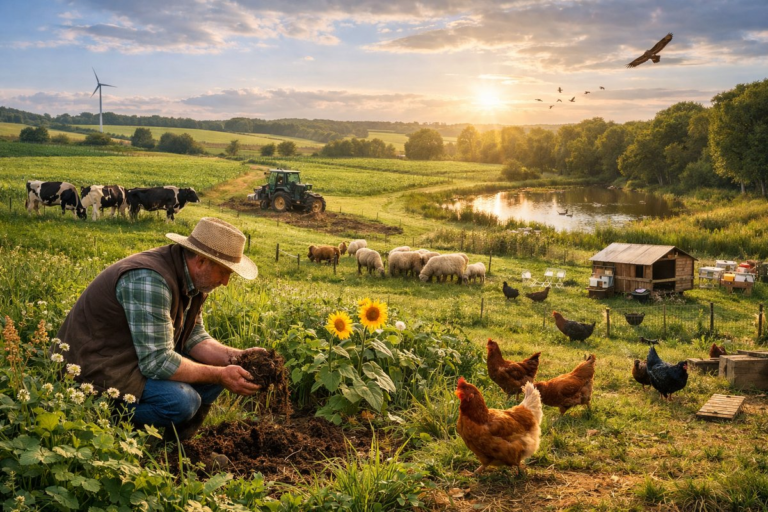
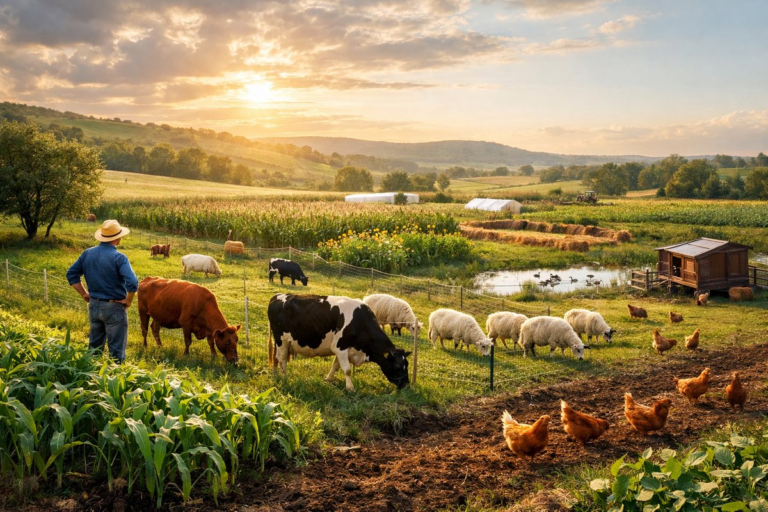
Regenerative agriculture, which emphasizes restoring soil vitality through minimal disturbance, cover cropping, and diverse planting, has become a cornerstone for many small to mid-sized farms. These methods improve water retention, reduce erosion, and enhance carbon sequestration, directly addressing climate change challenges. When integrated with rotational grazing and holistic livestock management, regenerative practices foster healthier pastures and animals, reducing reliance on chemical inputs and antibiotics.
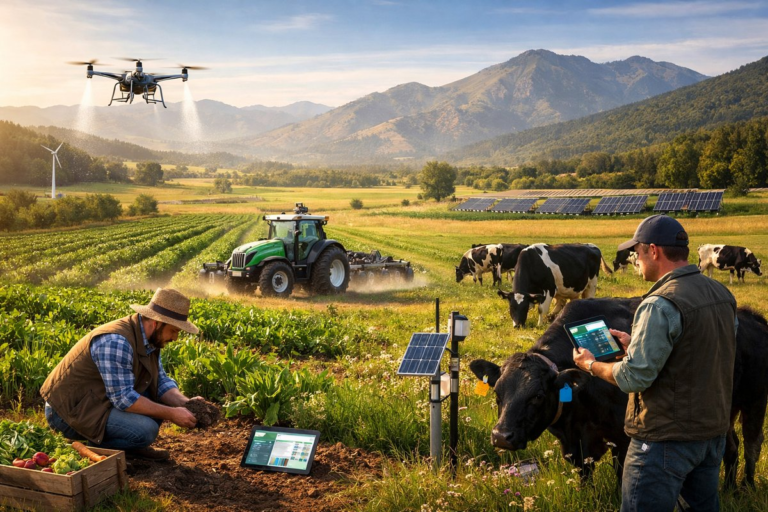
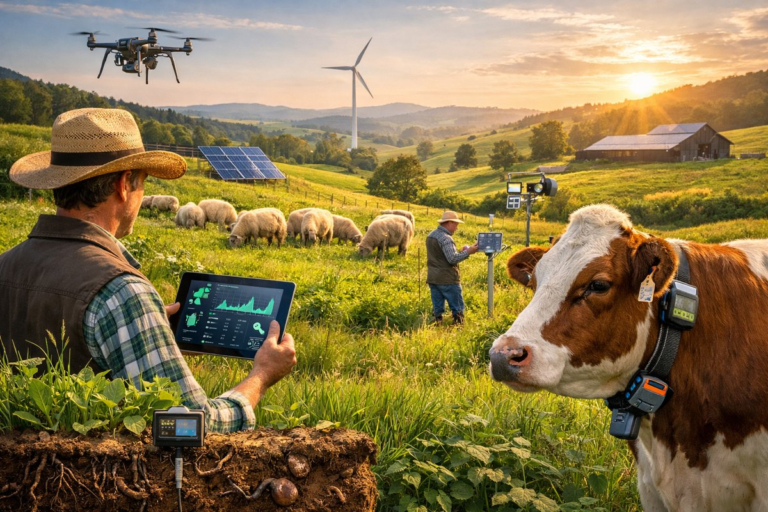
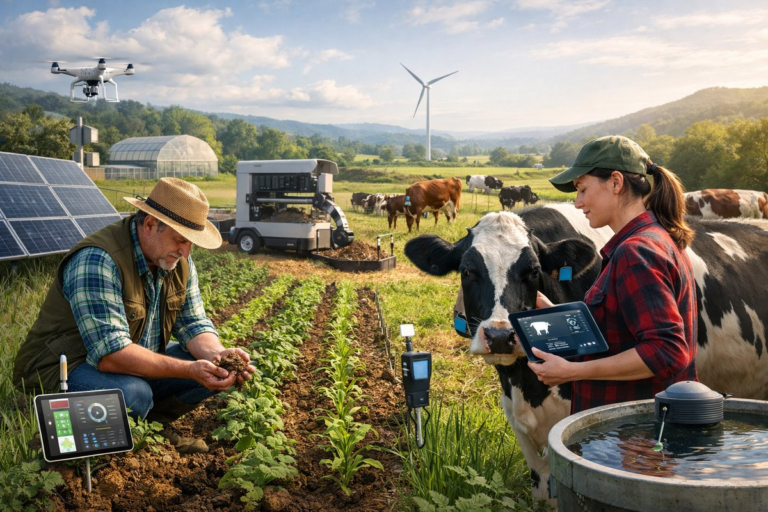
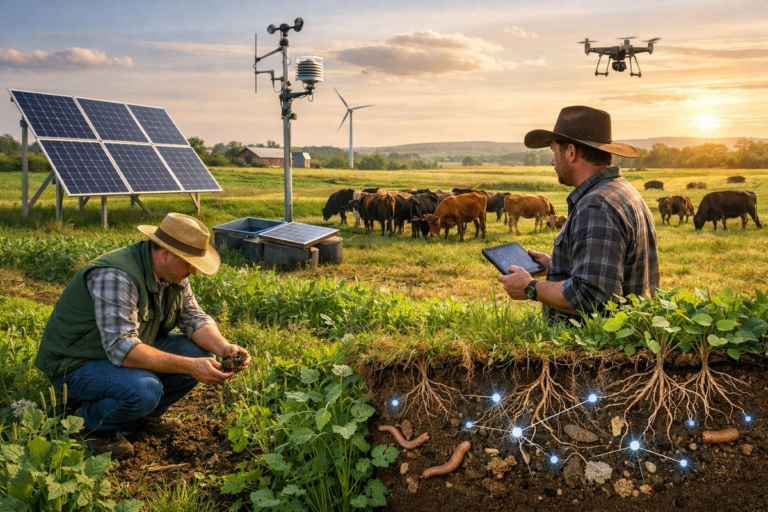
One transformative aspect of this new paradigm is the use of technology to monitor and optimize farm operations without compromising ecological principles. Precision agriculture tools such as soil moisture sensors, drone surveillance, and GPS-guided equipment enable farmers to apply water, fertilizers, and feed more efficiently. In livestock care, wearable health monitors and automated feeding systems provide real-time data on animal well-being, allowing early detection of illness and more personalized nutrition plans.
These innovations are particularly impactful in regions facing unpredictable weather patterns and resource constraints. For example, smart irrigation systems powered by weather forecasts help conserve water during droughts, while solar-powered electric fencing supports rotational grazing without expanding infrastructure footprints. Such technology not only enhances sustainability but also improves labor efficiency, freeing farmers to focus on strategic decision-making and animal husbandry.
Beyond technology and regenerative methods, a cultural shift is underway as farmers increasingly prioritize animal welfare and ethical stewardship. This includes providing livestock with natural foraging opportunities, shelter that respects behavioral needs, and minimizing stress through gentle handling techniques. These practices contribute to healthier animals, better-quality products, and stronger connections between farmers and their communities.
Education and collaboration are vital to sustaining this momentum. Farmer networks and cooperative extension programs facilitate knowledge exchange on best practices and emerging tools. Additionally, consumer interest in sustainably produced meat, dairy, and crops is encouraging market incentives for farms adopting these approaches.
Despite these advances, challenges remain. Transitioning to regenerative systems requires upfront investment and a willingness to experiment with new methods. Access to technology can be limited by cost or connectivity in rural areas. Furthermore, balancing productivity goals with ecological constraints demands continuous learning and adaptation.
Nevertheless, the convergence of regenerative agriculture and smart technology offers a hopeful blueprint for the future of farming. By harmonizing natural processes with innovation, farms can enhance resilience against environmental pressures, improve animal health, and contribute to a more sustainable food system. This integrated approach not only benefits the land and livestock but also supports the livelihoods and well-being of farming communities worldwide.