Location
Mount Vernon, WA 98274

Location
Mount Vernon, WA 98274
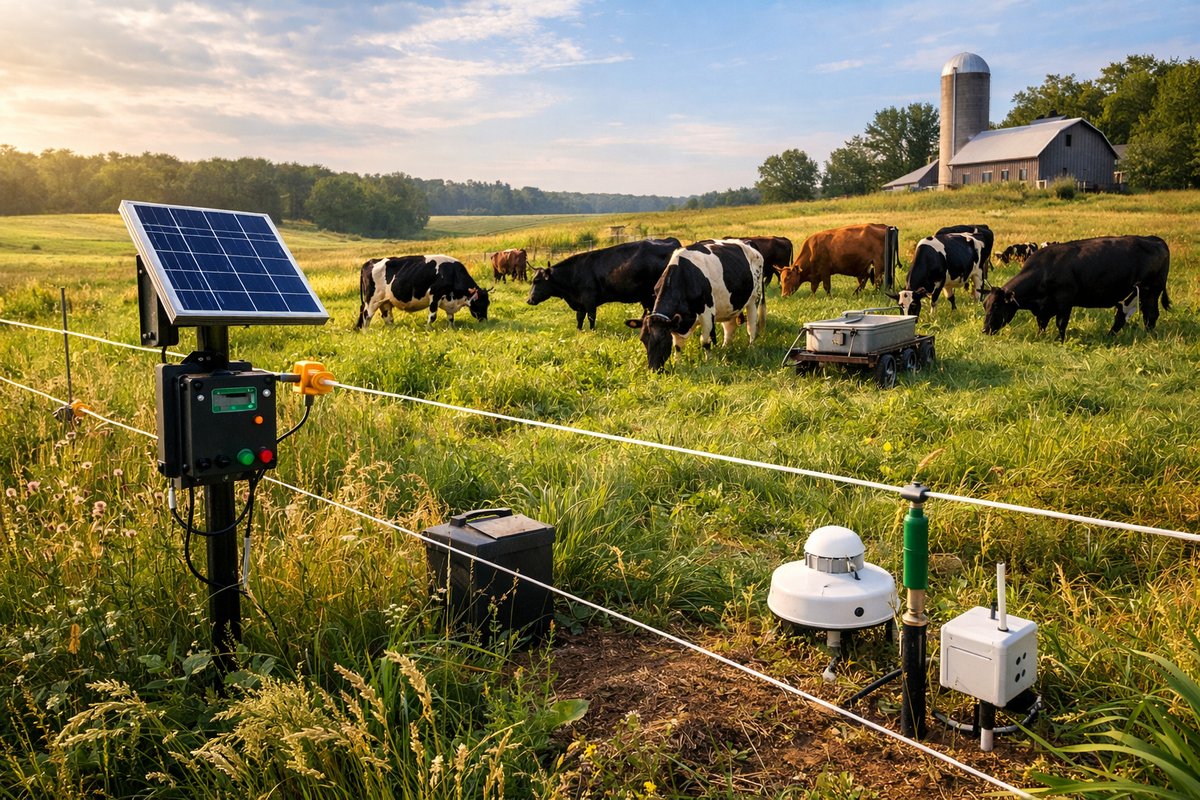
A coalition of Midwest family farms has launched an innovative pilot combining solar-powered electric fencing, IoT pasture sensors, and rotational grazing plans to boost soil health and animal welfare. Early data points to improved forage diversity, greater carbon sequestration and calmer herds.
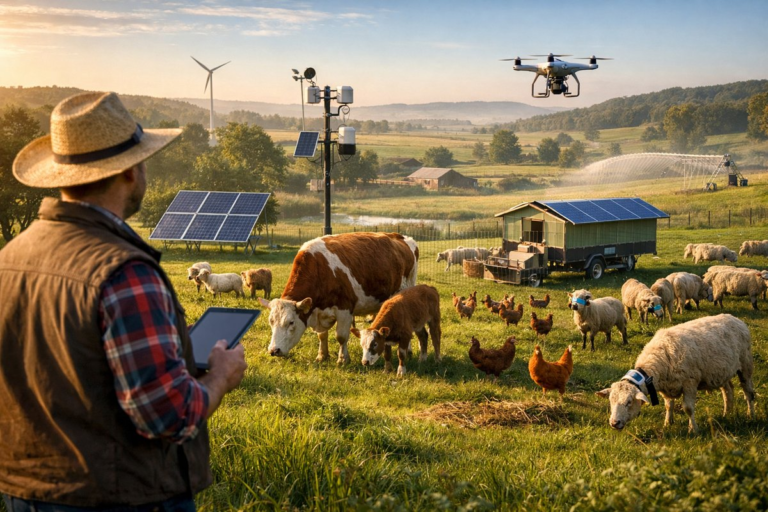
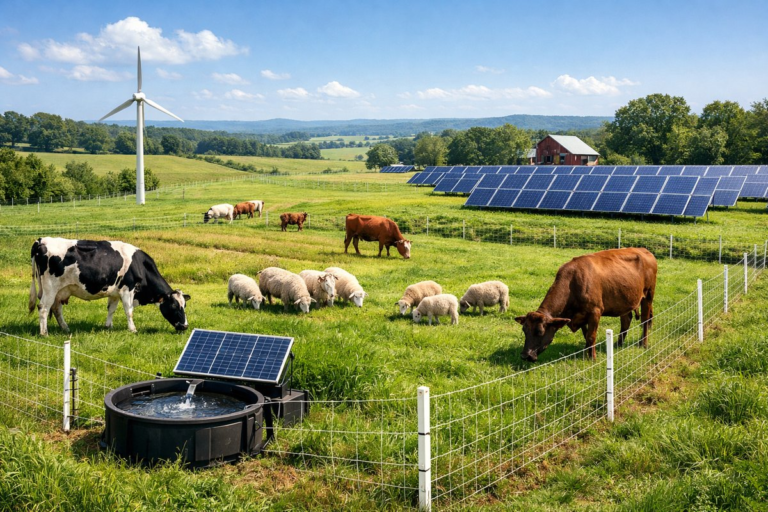
A new rural collaboration is underway across rolling pastures and fields in the Midwest, where a handful of family-run farms have teamed up to test a suite of smart tools designed to advance regenerative livestock management. This pilot initiative blends solar-powered electric fencing, Internet of Things (IoT) pasture monitors, rotational grazing mapping software and a blockchain-based traceability platform. The goal is to help farmers optimize animal welfare, revitalize soil health and bolster transparency from grass to market.
For participating ranchers like the Johnsons near central Iowa, the concept of combining century-old grazing traditions with emerging technologies has been a leap of faith. “We’ve always moved cattle to fresh pasture every few days,” explains third-generation rancher Elena Johnson. “Now we can map exactly where they’ve been, measure soil moisture and know in real time when to shift them again. It’s precision, but still nature led.”
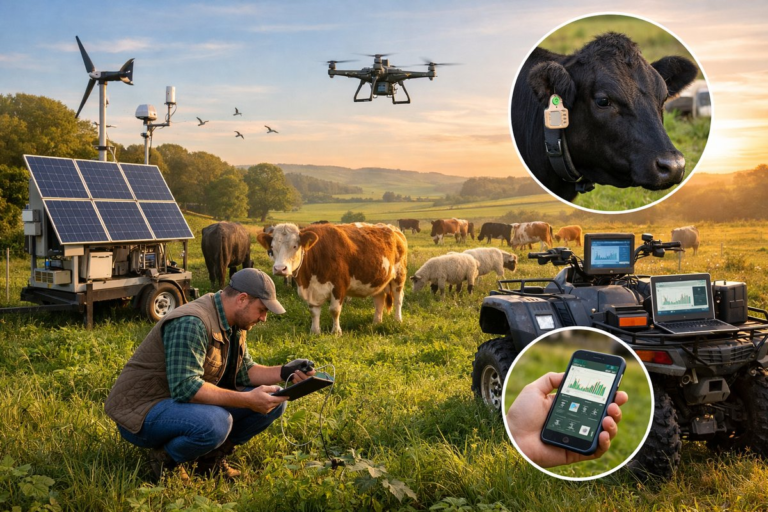
At the heart of the project are custom solar-charged electric fence units that clip onto portable posts. Each fence segment, powered by fold-out solar panels, delivers controlled pulses to encourage cattle to graze evenly. Field trials show up to 40 percent greater forage utilization compared with fixed, permanent fencing. When linked to GPS collars on individual animals, the system automatically adjusts fence boundary assignments, allowing for micro-paddock adjustments based on herd size and pasture recovery rates.
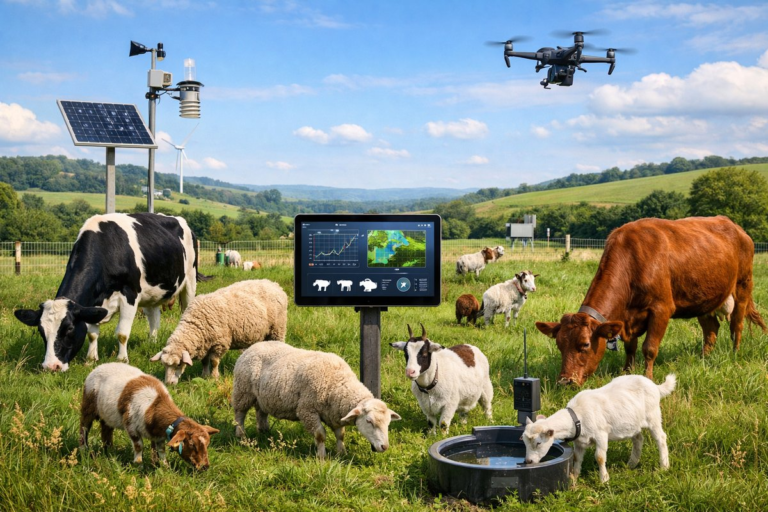
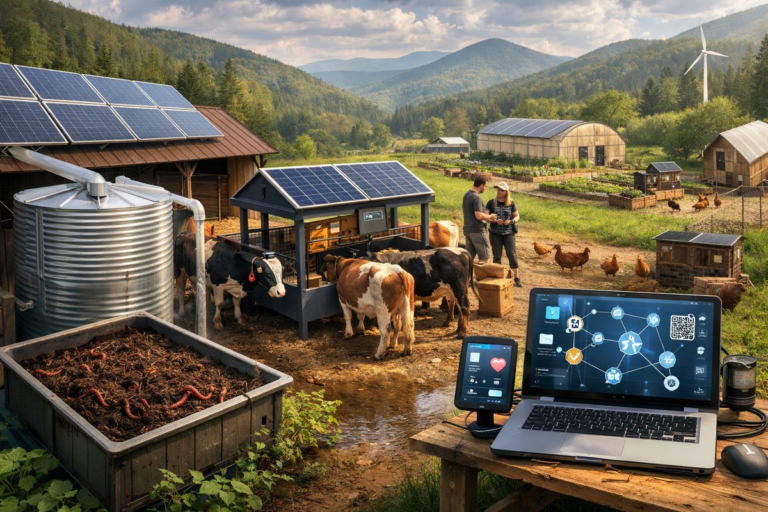
To monitor soil and pasture conditions, each farm installed a network of low-power, battery-backed IoT sensors. These devices relay data on soil moisture, ambient temperature, and sunlight exposure every 30 minutes. Farm co-ordinator Marcus Lee shares early results: “We’re seeing that some remnant native grasses respond quickly to rest periods, while other spots need extra moisture. With this data, we can tailor seeding mixes, reduce overgrazing and keep the ground covered.”
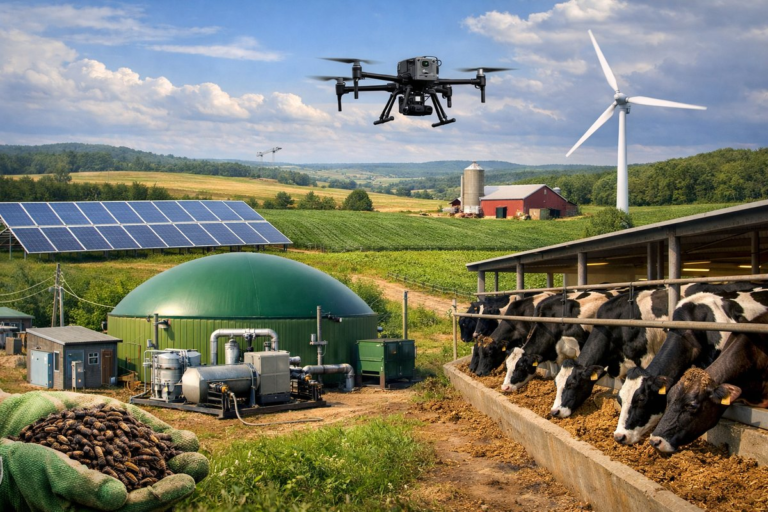
Mapping all this information is a specially designed rotational grazing planning tool, accessible via both desktop and mobile apps. Farmers upload aerial drone imagery alongside sensor feeds, then use simple drawing tools to carve pasture blocks. The software recommends rest intervals based on regrowth rates and weather forecasts, helping farmers balance forage availability with livestock nutritional needs.
This level of planning contrasts sharply with traditional grazing practices, where estimates often rely on visual inspection and gut instinct. “That still has its place,” says former county extension officer Dr. Anita Patel. “But adding data-driven insights reduces guesswork, lowers feed costs and can dramatically improve soil organic matter over time.”
Another innovation in the pilot is the use of blockchain to record livestock movements and feeding regimes. Consumers increasingly demand to know not only that meat is pasture-raised, but exactly which paddocks the animals grazed and when. Each animal carries a tamper-proof digital record updated at every fence shift, every supplemental feed, and every health check. At harvest, that ledger can be shared with distributors and buyers to verify welfare standards and environmental claims.
Early environmental assessments are promising: participating farms report an average soil organic matter increase of 0.3 percent in just one season. Carbon uptake has ticked upward as perennial grasses reestablish in formerly compacted areas. “We’re still in year one, but the trend line looks good,” says Lee. “If we keep this pace, we could sequester an extra ton of CO₂ per acre annually by year three.”
Animal welfare indicators are also improving. Herds exhibit calmer behavior thanks to predictable paddock rotations and fresh shade structures placed at sensor-recommended intervals. “Less stress means better weight gains and fewer medical interventions,” notes Dr. Patel. “It’s a win-win for the animals and the bottom line.”
Participating farmers have found that sharing tools and data delivers economies of scale. Instead of each farm purchasing its own full-stack solution, the cooperative pools resources-solar fence units and sensor hubs rotate between properties. Software licenses are shared under a group subscription discount. Each member contributes feedback on usability, and the development team iterates rapidly on firmware updates and new feature requests.
Beyond the immediate benefits, the pilot is sparking broader rural innovation. Local electricians and metal fabricators are adapting fence posts, while a community-run maker space in a repurposed barn hosts workshops on sensor assembly. Nearby vocational schools have integrated regenerative livestock modules into their curricula. Younger farmers, who might have otherwise left for urban tech roles, see an opportunity to merge their digital skills with their agricultural roots.
Sustainability advocates are watching closely. By demonstrating that regenerative livestock systems can be both data-driven and economically viable, this model could influence state and federal agricultural policy. Grants for carbon credit programs are often inaccessible to small-scale ranchers; a standardized data record through blockchain could simplify verification and unlock new revenue streams.
Consumer-facing brands have taken note as well. Local butchers and farm-to-table restaurants are lining up to secure “smart-pasture-certified” beef cuts. Transparent paddock histories, complete with sensor-verified forage quality and GPS-tracked animal movements, offer a premium narrative that resonates with eco-conscious diners.
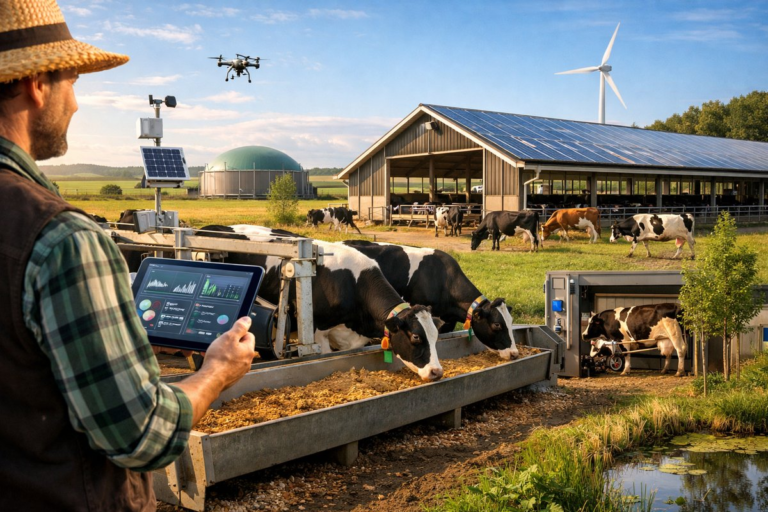
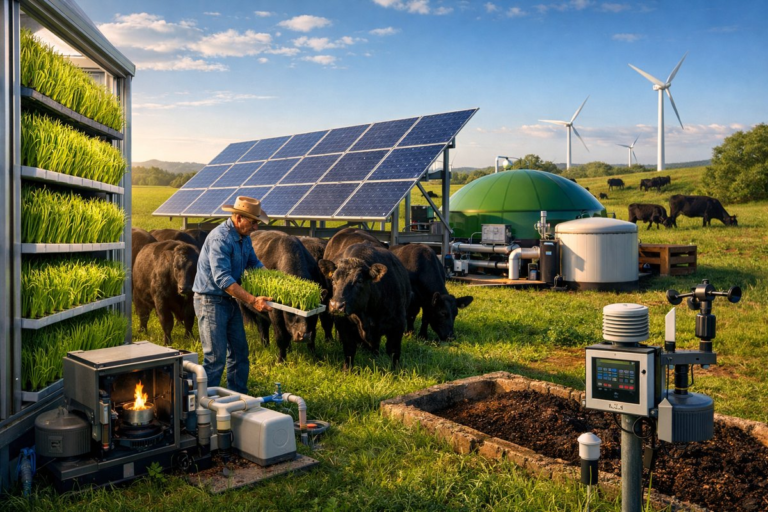
What’s next for the pilot? Later this year, researchers plan to introduce automated water trough monitors that use ultrasonic sensors to track hydration levels and water temperature. In winter months, solar-powered tank heaters will kick in remotely to prevent freezing, ensuring uninterrupted access to clean water. There are also plans to test mobile milking units for small-scale dairy operations, complete with on-demand cooling and remote cleaning cycles triggered by sensor feedback.
Despite the enthusiasm, challenges remain. Initial investment costs can be steep without grant support. Reliable cellular or satellite connectivity is still spotty in some rural corners. And there’s a learning curve for farmers less familiar with digital interfaces. To address these barriers, the cooperative offers on-farm training sessions, 24/7 tech support hotlines, and an online forum where members troubleshoot in real time.
Still, the pilot stands as a testament to what happens when tradition meets technology in pursuit of sustainability. “We wanted to prove that family farms don’t have to choose between profitable operations and environmental stewardship,” reflects Johnson. “With the right tools, we can have both-and build a legacy for the next generation.”
As the season ends and the herds move into winter housing, the project coordinators will compile a comprehensive report. That data will shape plans for wider rollout, refine best practices and inform potential policy changes. If the positive trends continue, this Heartland collaboration could serve as a blueprint for regenerative livestock management across the country-and even beyond.
Across the gently rolling hills and open pastures, a new chapter in sustainable livestock farming is being written, one data point and one green blade of grass at a time. The story of this rural pilot affirms that innovation doesn’t always happen in glass towers-it can sprout in the furrows and fields where farmers have labored for generations.
Where tradition once reigned alone, it now walks hand in hand with technology, forging a path toward resilient, transparent and regenerative livestock systems.