Location
Mount Vernon, WA 98274

Location
Mount Vernon, WA 98274
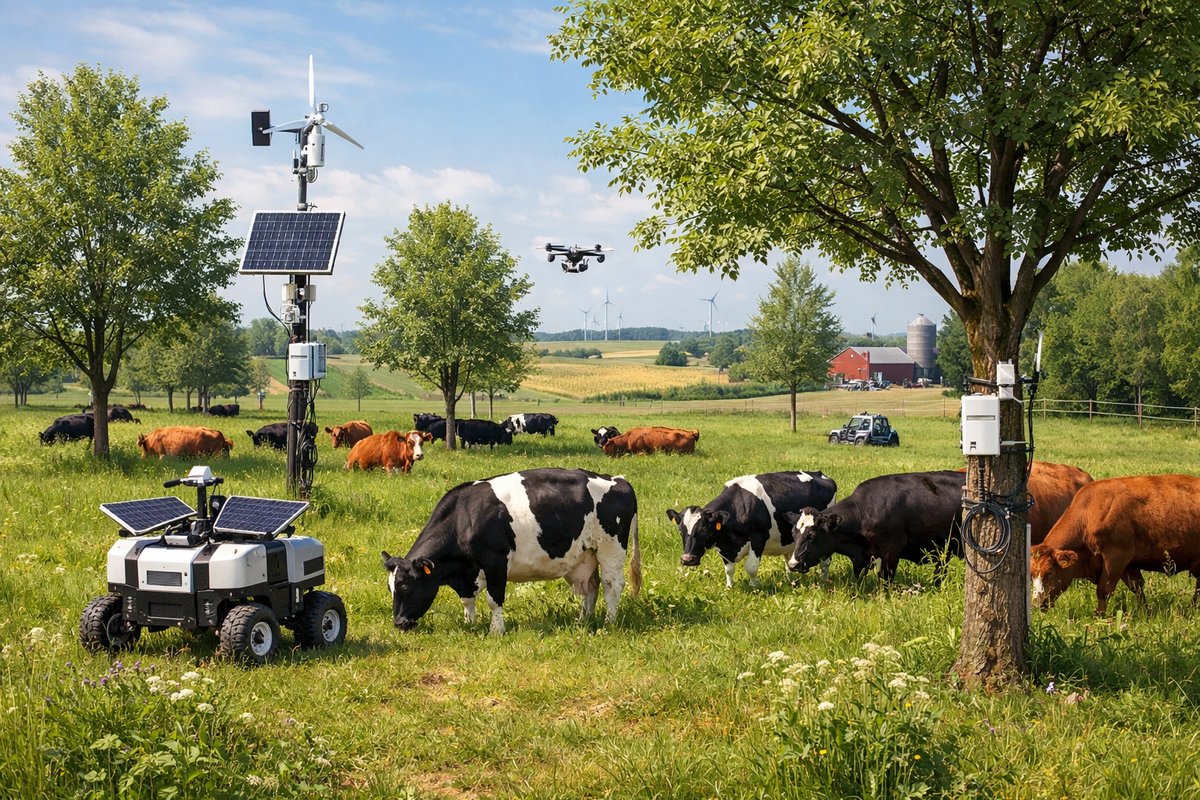
A coalition of Midwestern farmers has launched a groundbreaking pilot that weaves trees, sensor networks, and robotics into traditional grazing lands. Early results suggest improvements in soil health, animal comfort, and greenhouse gas reductions, offering a replicable model for sustainable livestock systems.
In a bold move to reinvigorate pasture ecosystems and streamline animal welfare, a group of family farms across the Upper Midwest has embarked on a large-scale agroforestry pilot. Underlying the initiative is a simple premise: bring trees, technology, and grazing animals into a harmonious rotation that builds soil carbon, improves forage quality, and enhances livestock well-being. Over the next three grazing seasons, researchers and farmers will track a matrix of environmental and animal health metrics to quantify gains in productivity and sustainability.
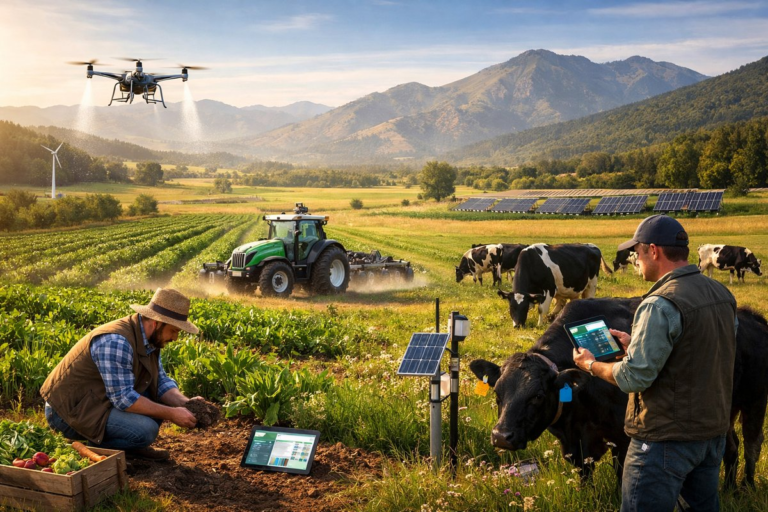
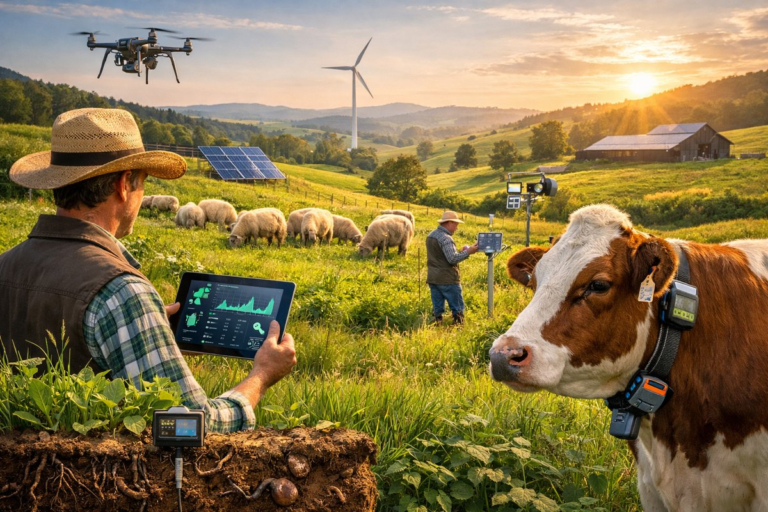
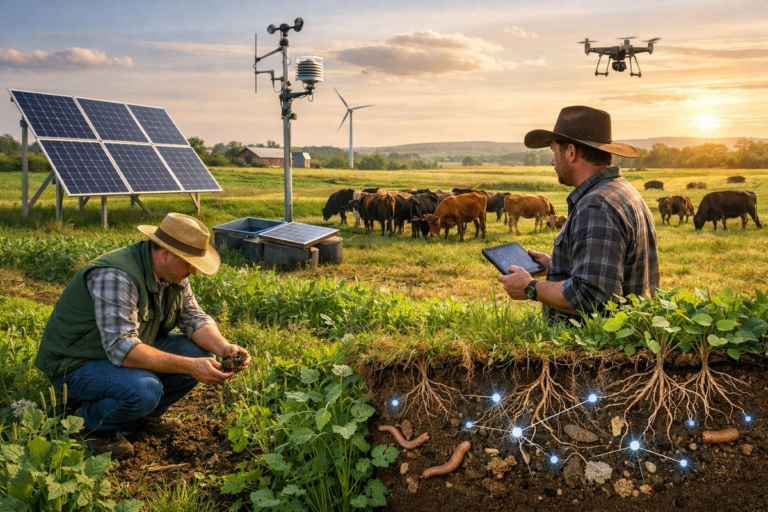
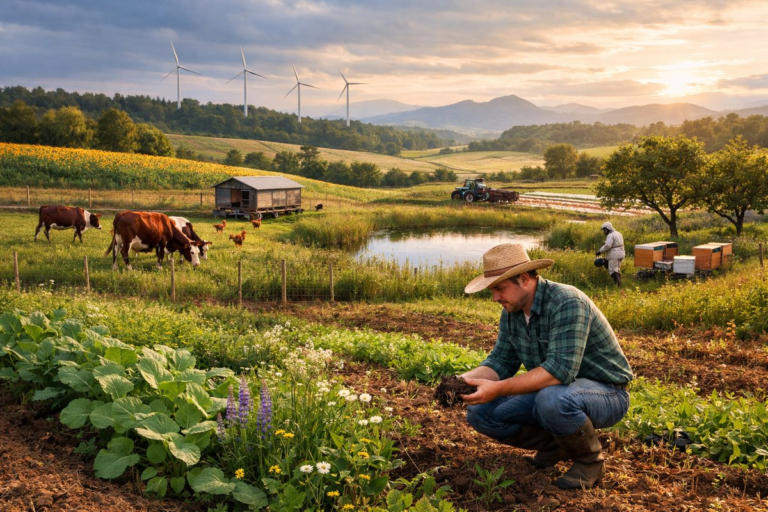
Farmers have long relied on open pastures for cattle and sheep, but decades of continuous grazing have depleted soil structure and exposed herds to extreme weather. The new model-silvopasture-intersperses rows of nitrogen-fixing trees like black locust and honey locust with forage strips. These tree alleys cast dappled shade that reduces heat stress in animals and drop leaves that naturally mulch the ground. An array of soil moisture and temperature sensors placed at multiple depths under tree canopies and open forage tracks how ground conditions respond to shade, root uptake, and carbon inputs.
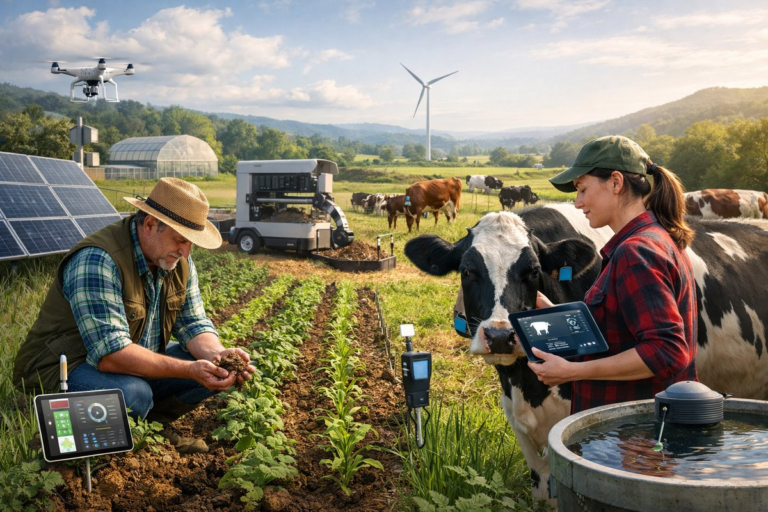
Daily data flows from solar-powered sensor hubs to a central dashboard, offering live insights on soil moisture fluctuations after rain events and identifying dry pockets needing supplemental irrigation. Farm managers receive automated alerts when moisture dips below thresholds, triggering mobile watering units equipped with solar pumps to supply troughs along fence lines. This precision approach prevents overwatering and cuts electricity use by running pumps only when needed.
Complementing the underground network, an autonomous agricultural drone visits each silvopasture block at dawn and dusk. Fitted with multispectral cameras, it scans tree health, forage biomass, and early signs of invasive weeds. Imagery is layered against soil data to pinpoint microzones where forage regrowth is sluggish. Instead of broadcasting seed and fertilizer broadly, farmers can now direct drone-assisted spot seeding of legume mixes exactly where yields lag, reducing input costs and minimizing fertilizer runoff.
Animal comfort also lies at the heart of the pilot. Early trials with biochar-enriched straw bedding in mobile shelter units have cut ammonia emissions by nearly 40 percent compared to traditional straw alone. Biochar pellets mixed into bedding act like a sponge for excess moisture and odors. As bedding ages, microbial activity converts animal waste into stable carbon compounds, capturing methane that would otherwise vent into the atmosphere. At the end of each cycle, spent bedding is integrated back into pastures as a soil amendment, completing a circular nutrient loop.
Electric fencing has been reimagined as another layer of flexibility. Modular fence posts with rechargeable power cells and high-tensile wire can be relocated in minutes to partition paddocks, guiding livestock through rotational grazing corridors. These systems encourage uniform forage utilization, preventing overgrazing near water sources and allowing rest periods for regrowth. By syncing fence movements with the sensor and drone data, herds move on a schedule optimized for plant recovery rather than fixed calendar dates.
The pilot program is not just about hardware. A mobile app connects participating farmers to a shared analytics platform and a peer network. Weekly webinars allow farmers to compare data trends, discuss grazing patterns, and troubleshoot technology hiccups. Experienced agronomists drop into the chat to interpret complex data overlays, translating numbers into practical advice-for instance, adjusting tree spacing or tweaking seeding rates for optimal legume establishment.
During a recent site visit, researchers measured soil organic matter gains of 0.3 percent in the first nine months under silvopasture, compared to a 0.1 percent gain in adjacent control plots. Though incremental, this difference represents a meaningful uptick in carbon sequestered per acre each year. Paired with a 15-percent reduction in supplemental feed costs and marked improvements in body condition scores, the pilot is already showing how integrating woody perennials can complement grazing enterprises.
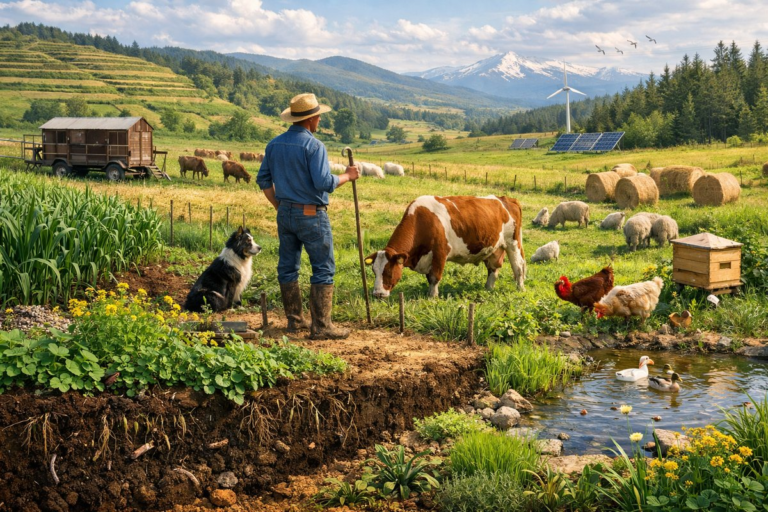
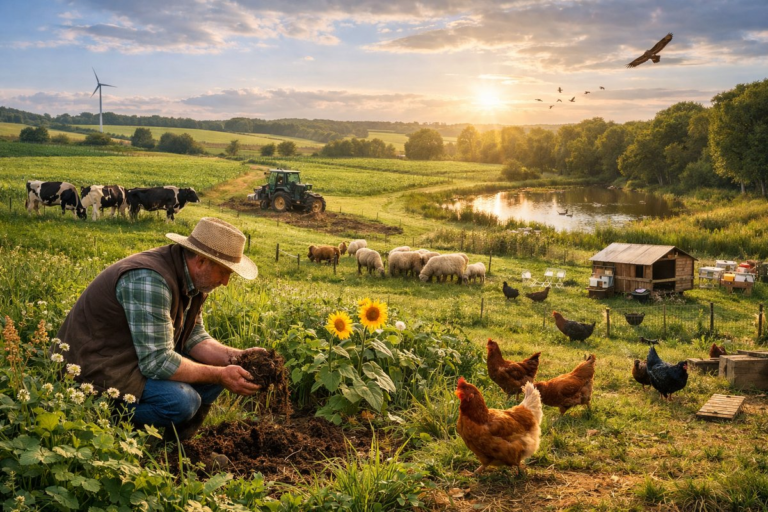
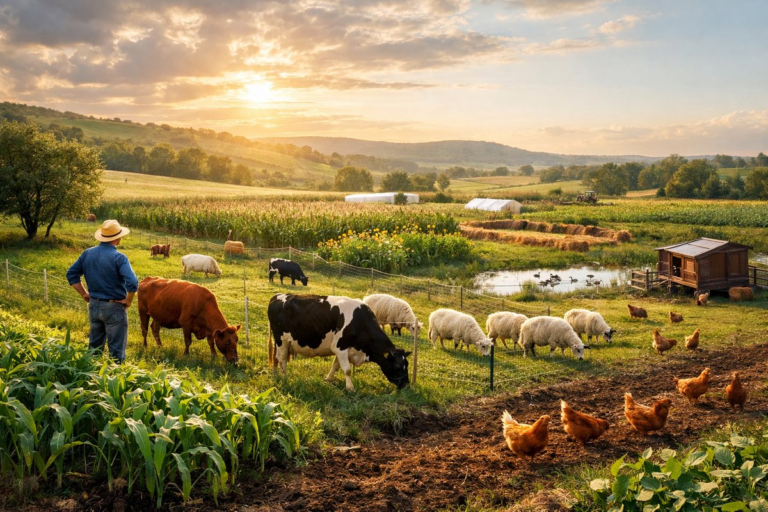
Farmers report that shaded grazing corridors lead to calmer livestock during hot spells. Cattle linger longer under tree cover, grazing steadily instead of crowding shaded water troughs. Sheep have been observed nibbling on low branches and fallen leaves, supplementing their diet with tree protein and micronutrients. Animal welfare assessments show fewer heat-induced stress markers in herds with access to tree cover, a promising sign for both productivity and humane livestock care.
University partners are also analyzing greenhouse gas fluxes across the trial plots. Early results suggest that soil carbon gains combined with methane capture in biochar bedding may offset over 20 percent of enteric methane emissions from beef cattle under this system. While researchers caution that these figures will fluctuate with herd size, forage mix, and seasonal conditions, the integrated pilot presents a tangible pathway toward carbon-balanced grazing.
Innovation doesn’t come cheap, and upfront investments in sensor networks, drones, and fencing hardware can total tens of thousands of dollars per farm. To ease the burden, the coalition has pooled grant funding from state agriculture departments and sustainability foundations, subsidizing up to 50 percent of equipment costs. Participating farmers, in turn, agree to share anonymized data and open-source best practices for wider adoption.
Looking ahead, the coalition plans to expand beyond cattle and sheep to include goat herds in scrubland regions, where drought-tolerant shrub species can replace tree alleys. Researchers are also developing AI models that anticipate pasture needs weeks in advance, recommending preemptive actions like forage overseeding before forage deficits arise. By weaving digital innovation into time-tested silvopasture methods, the project aims to build resilient, diversified farms that benefit people, animals, and the planet.
With an eye on scalability, the coalition is drafting a comprehensive guidebook and interactive decision-support tool, designed to help small-scale and large-scale operations tailor the system to local soils, climates, and herd types. A public launch is slated for next season, when an online portal will allow farmers to input local data and receive a customized silvopasture blueprint.
While challenges remain-integration of new technologies, upfront capital, and training needs-the early successes of this pilot illustrate a compelling vision: modern livestock producers can harness the synergy of trees, sensors, and rotational grazing to revitalize soil health, improve animal welfare, and carve a path toward net-zero carbon footprints. By combining age-old agroforestry wisdom with cutting-edge agtech, these farmers are cultivating a greener future for grazing lands.