Location
Mount Vernon, WA 98274

Location
Mount Vernon, WA 98274
A playground for curiosity, precision, and awe. From the quantum to the cosmic, the cellular to the societal, this category explores the forces and patterns that shape our world. Whether you’re decoding light, mapping ecosystems, or pondering consciousness, Science invites you to think deeply and discover boldly.
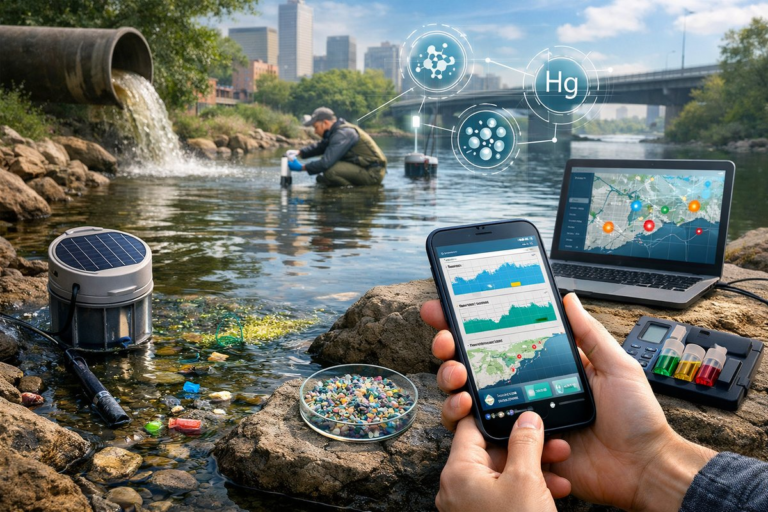
A growing network of low-cost, citizen-deployed sensors is revealing unexpected spikes in contaminants across city streams and rivers. By harnessing open data platforms and simple hardware, communities are pinpointing microplastic clumps, heavy-metal leaks, and seasonal bacterial blooms in real time.
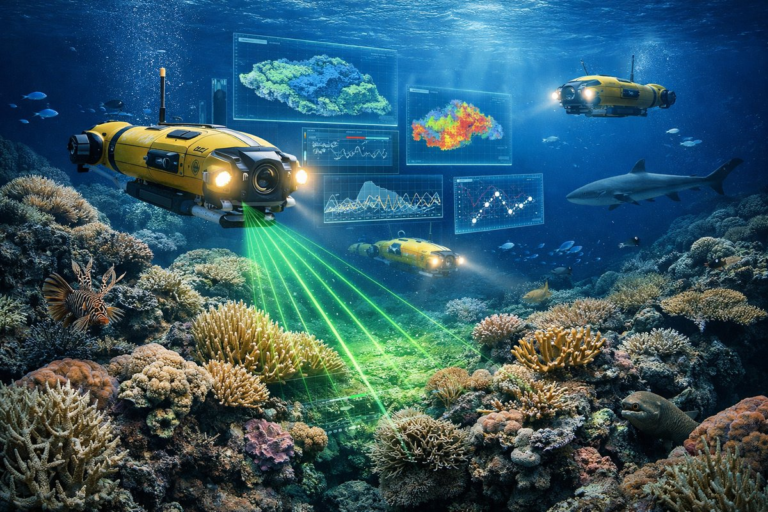
A fleet of autonomous underwater vehicles, guided by advanced artificial intelligence, has mapped coral ecosystems with unprecedented detail. Researchers are now decoding subtle patterns of reef health, nocturnal predator hotspots, and early bleaching signals-opening a new chapter in marine conservation.
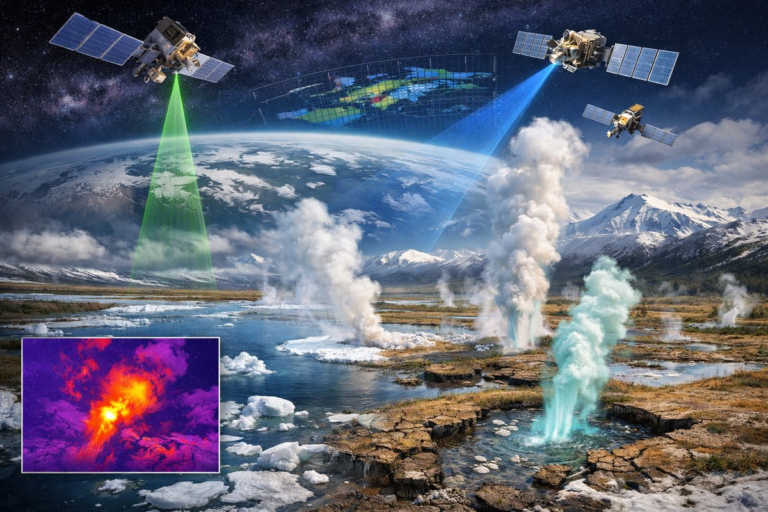
A novel study tapping into data from a network of earth-observing satellites has identified previously undetected methane "super-emitters" erupting from the Arctic's thawing permafrost. These concentrated plumes of greenhouse gas not only challenge existing climate projections but also reveal the critical need for continuous, high-resolution monitoring in vulnerable polar regions.
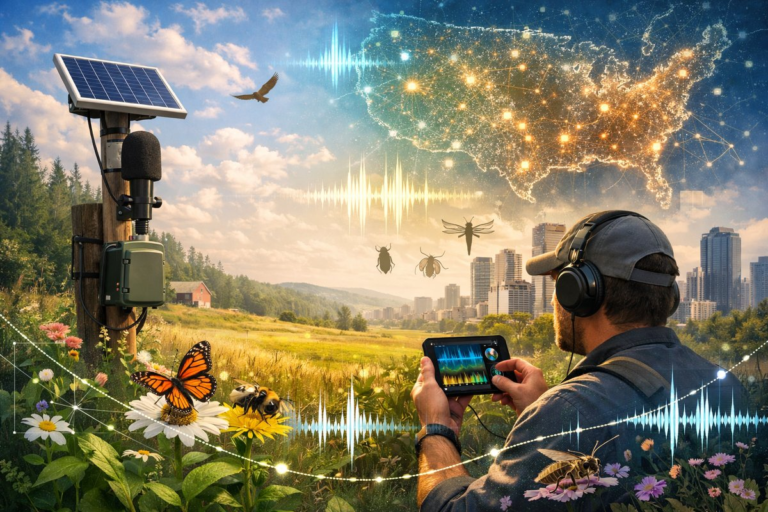
A new citizen-powered acoustic monitoring network is shedding light on the rapid decline of insect populations across urban and rural landscapes. Leveraging low-cost audio sensors and AI classification tools, researchers are mapping biodiversity loss in unprecedented detail.
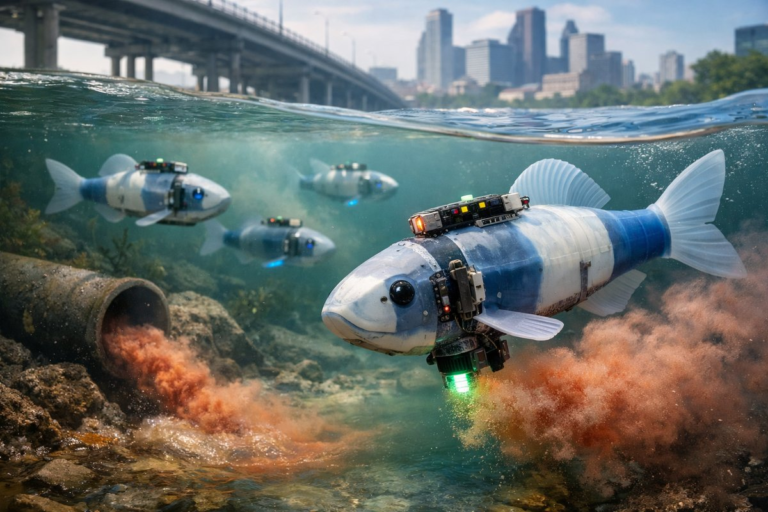
A fleet of soft robotic fish equipped with chemical and optical sensors is probing urban estuaries to chart pollutant plumes in real time. By combining flexible silicone actuators, microcontroller-based control systems, and machine learning for data analysis, researchers are opening a new chapter in noninvasive environmental monitoring.
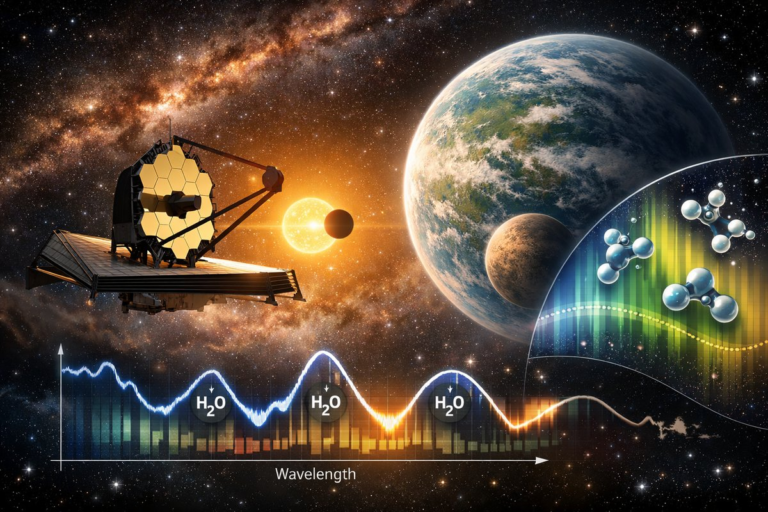
A recent survey using next-generation infrared space telescopes has detected clear signatures of water vapor in the atmospheres of several distant exoplanets, marking a milestone in our search for habitable worlds. By combining transit spectroscopy with advanced data analysis, scientists are charting chemical fingerprints that hint at weather patterns, cloud dynamics, and the potential for life beyond Earth.
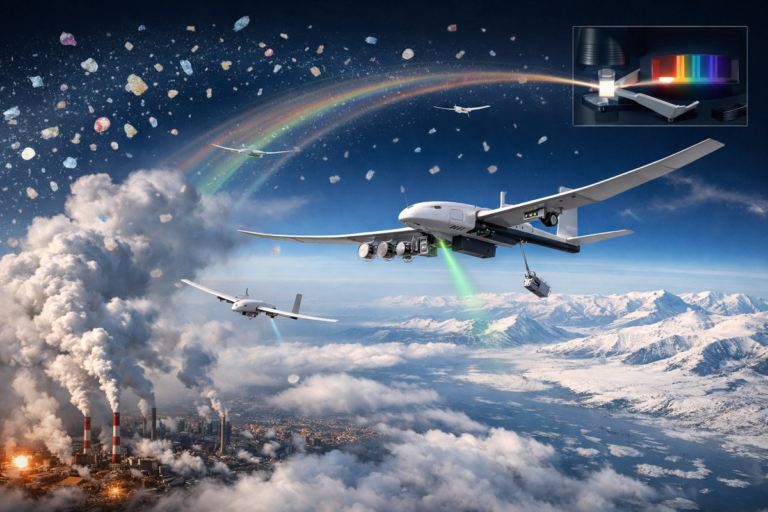
A fleet of stratospheric drones has traced the invisible journey of microplastics from industrial regions to polar skies. Cutting-edge sampling and spectroscopy reveal surprising concentrations aloft, raising new questions about global pollutant cycles and ecosystem vulnerability.
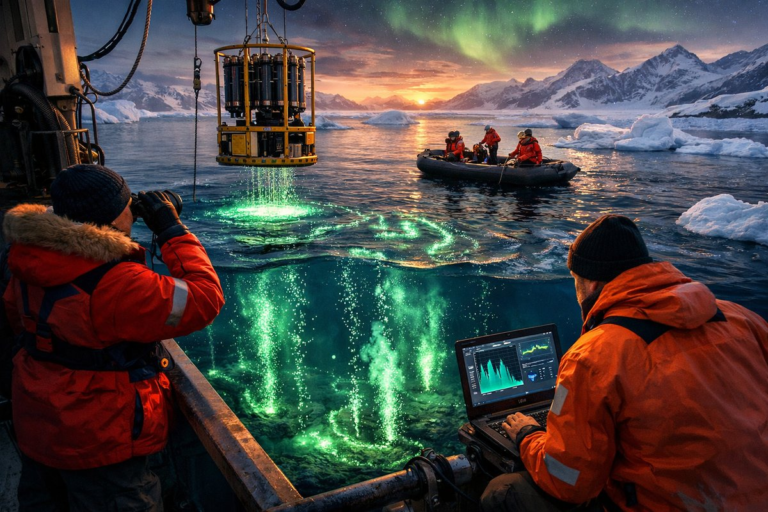
An international team of researchers has unleashed genetically engineered, light-emitting bacteria across Arctic continental shelves to trace methane seepage patterns in real time. Early findings reveal dynamic fluxes that could revise our understanding of greenhouse gas release and marine ecosystem resilience.
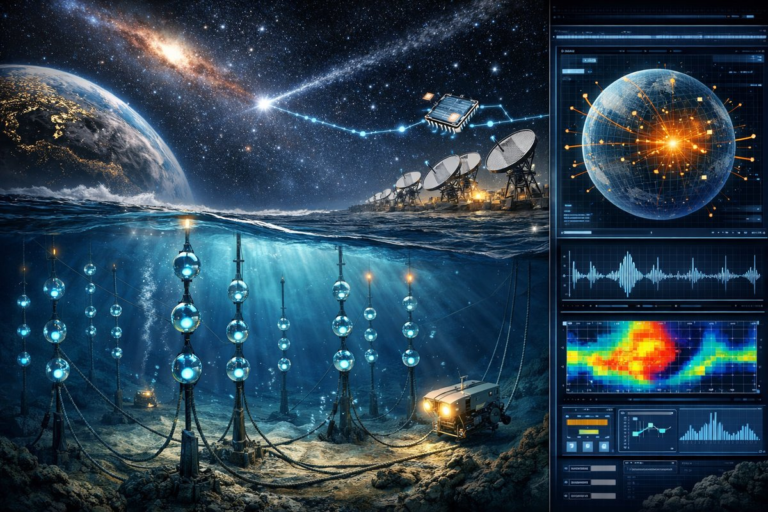
An international collaboration has unveiled the first directional mapping of extragalactic neutrinos using a novel array of deep-sea detectors. Harnessing cutting-edge photomultiplier sensors, undersea cables, and AI-driven analysis, researchers are unlocking new clues about the universe's most elusive particles.
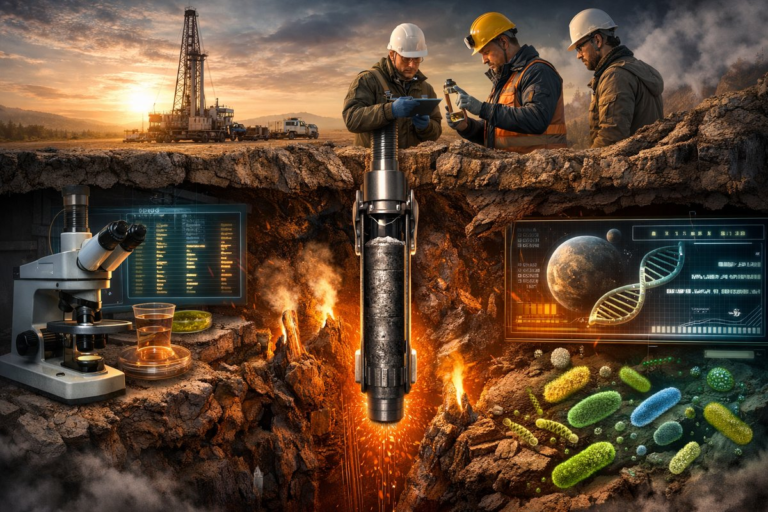
A recent deep drilling expedition has revealed thriving microbial communities far beneath Earth's surface, reshaping our understanding of the planet's hidden biosphere. Cutting-edge sampling techniques and genomic analysis are uncovering how life endures under extreme heat and pressure-and what that might mean for searching for life on other worlds.