Location
Mount Vernon, WA 98274

Location
Mount Vernon, WA 98274
A playground for curiosity, precision, and awe. From the quantum to the cosmic, the cellular to the societal, this category explores the forces and patterns that shape our world. Whether you’re decoding light, mapping ecosystems, or pondering consciousness, Science invites you to think deeply and discover boldly.
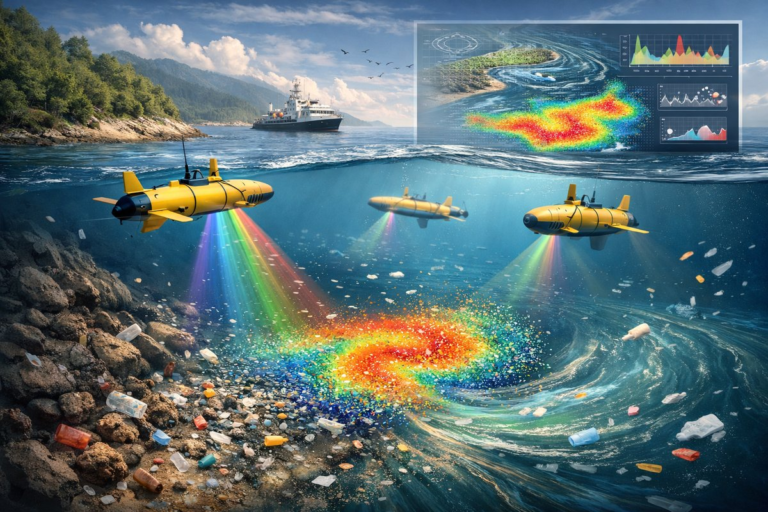
A fleet of AI-equipped underwater gliders has mapped swirling concentrations of microplastics near river estuaries, revealing hidden pollution patterns. By integrating hyperspectral sensing, machine learning algorithms and ocean current models, researchers are charting a new path toward more precise monitoring of plastic contaminants in our waterways.
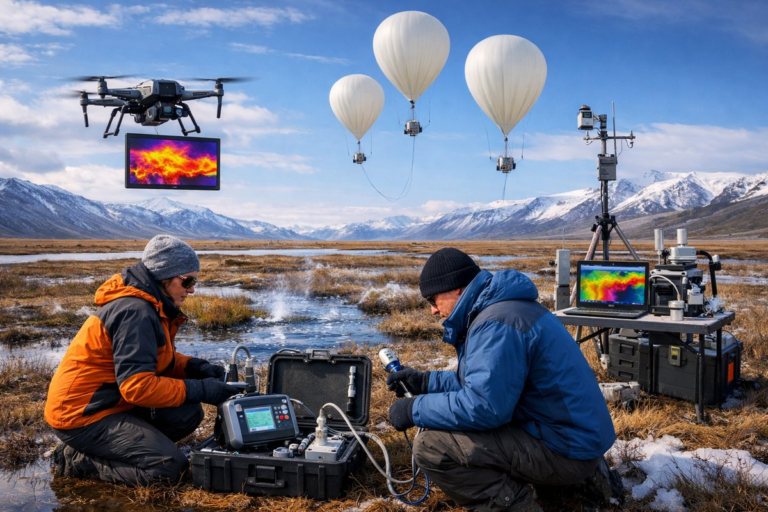
A collaborative expedition is deploying a trio of high-altitude balloons, thermal imaging drones, and portable gas analyzers across remote Arctic tundra to map seasonal methane leaks. Early data reveal surprising methane hotspots tied to rapid permafrost thaw, offering fresh insights for climate models and policy responses.
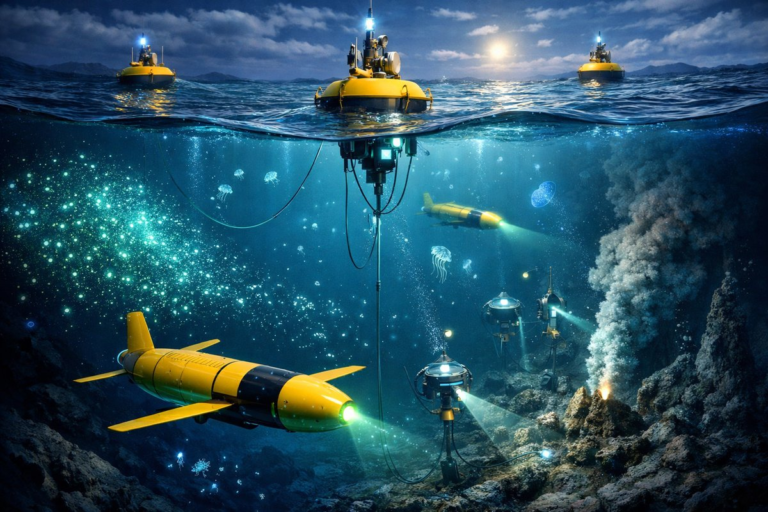
A cutting-edge network of bioluminescent sensor buoys and underwater gliders is transforming our understanding of life in the ocean's darkest realms. By harnessing natural light emissions and advanced optical detectors, scientists are mapping plankton blooms, tracking nutrient flows, and revealing ecological shifts on a global scale.
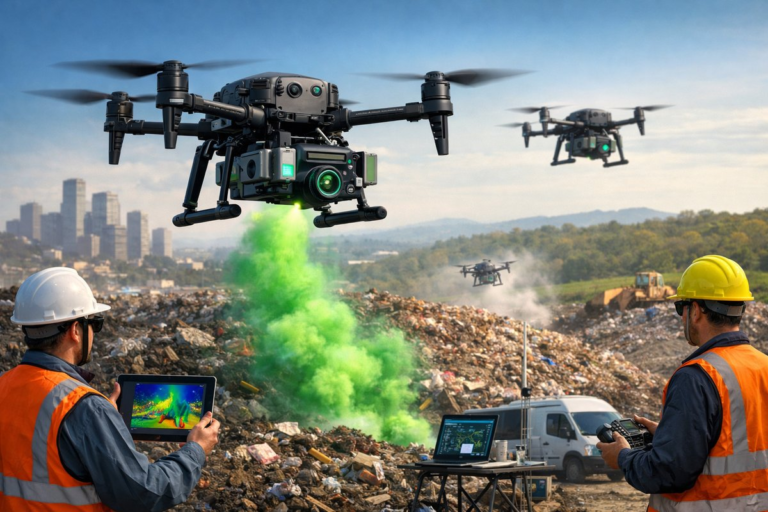
A new fleet of AI-guided drones equipped with compact spectrometers is uncovering previously undetected methane leaks at urban and rural landfill facilities. Early trials show this approach could transform how regulators, waste operators, and scientists monitor greenhouse gas emissions.
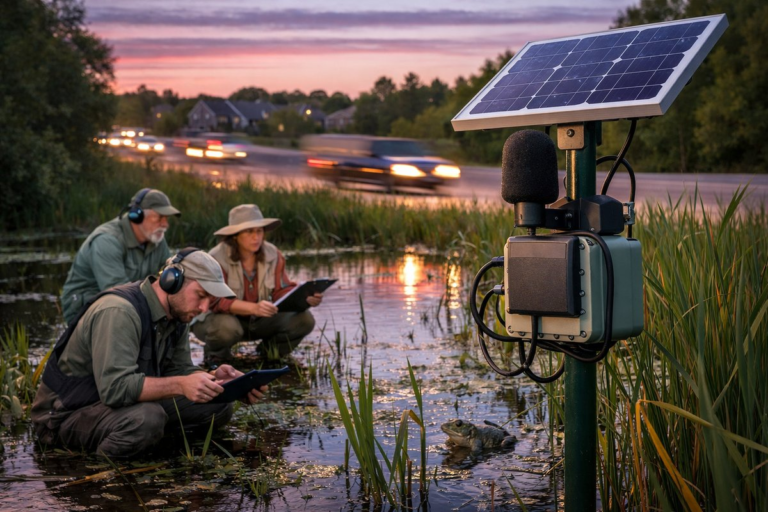
A team of ecologists and citizen scientists deployed a network of solar-powered acoustic sensors across suburban wetlands to record amphibian calls. Their findings show that elevated traffic noise can suppress breeding choruses by up to 30 percent, with implications for road planning and wildlife conservation.
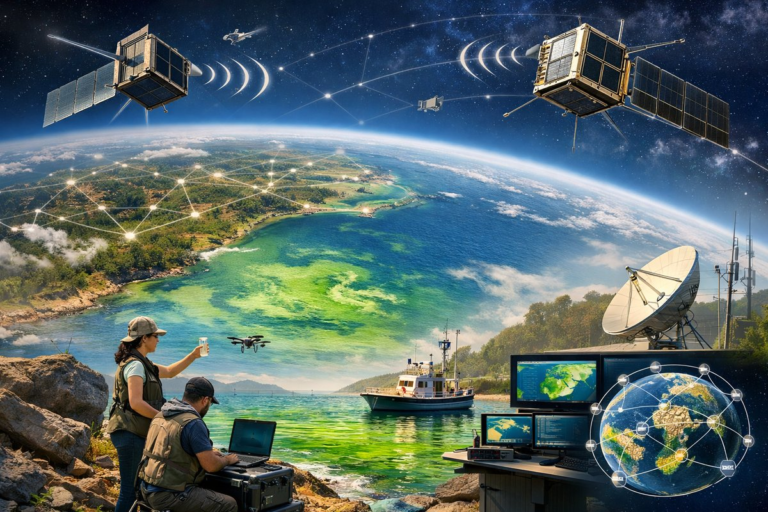
An international network of DIY nanosatellites is transforming how communities monitor harmful algal blooms along coastlines. Built on open-source hardware and powered by citizen scientists, these pint-sized observers offer unprecedented data to protect marine ecosystems and public health.
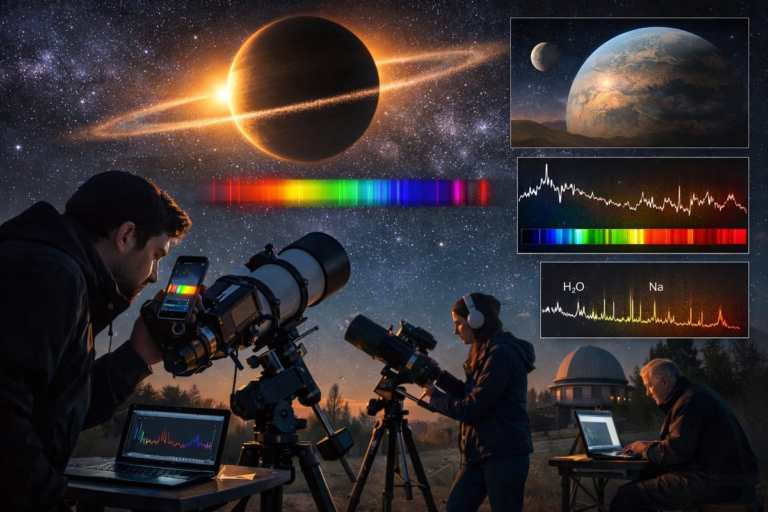
An emerging network of amateur and university astronomers is using handheld spectrographs attached to backyard telescopes to capture the fingerprints of water vapor and other molecules in distant exoplanet atmospheres. Their open-source data pipeline and smartphone-linked telescopes are broadening access to cutting-edge transit spectroscopy.
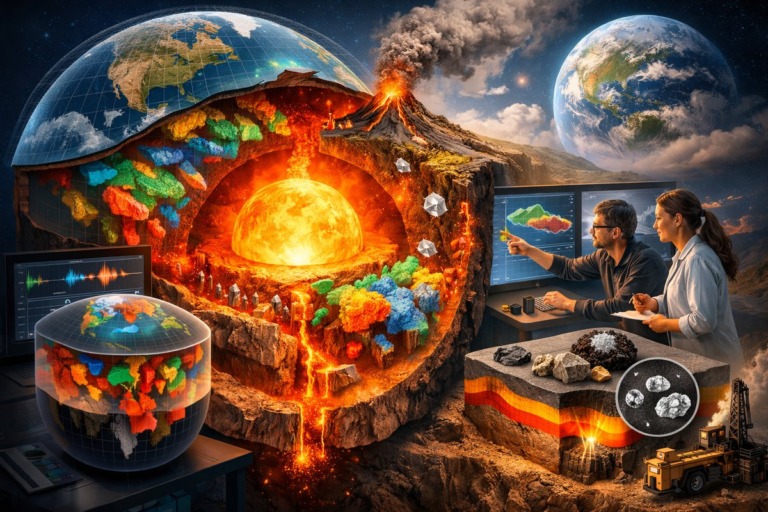
A multinational research team has combined seismic tomography and petrological modeling to produce the first comprehensive three-dimensional map of carbon stored in Earth's mantle. This breakthrough offers fresh insight into the planet's deep carbon cycle, with implications for volcanic activity, climate models, and resource exploration.
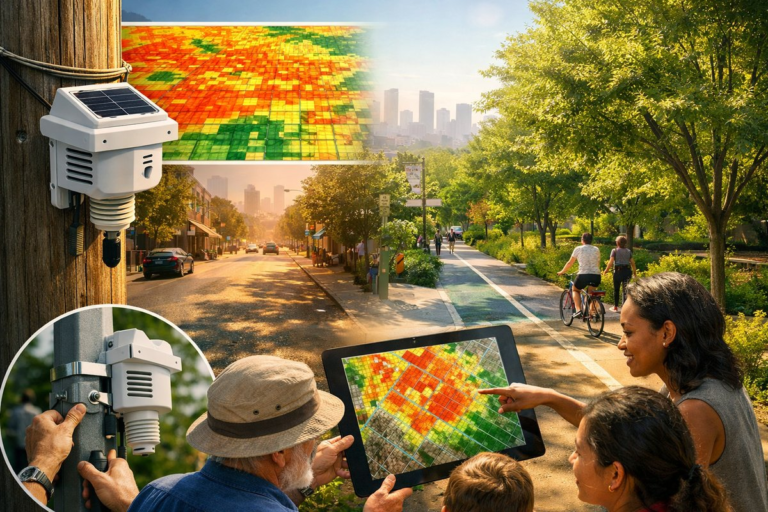
A new network of low-cost sensors installed by residents across multiple neighborhoods is generating high-resolution maps of urban heat patterns. The project's findings are revealing temperature swings of up to five degrees within the same city block and empowering communities to demand greener, cooler streets.
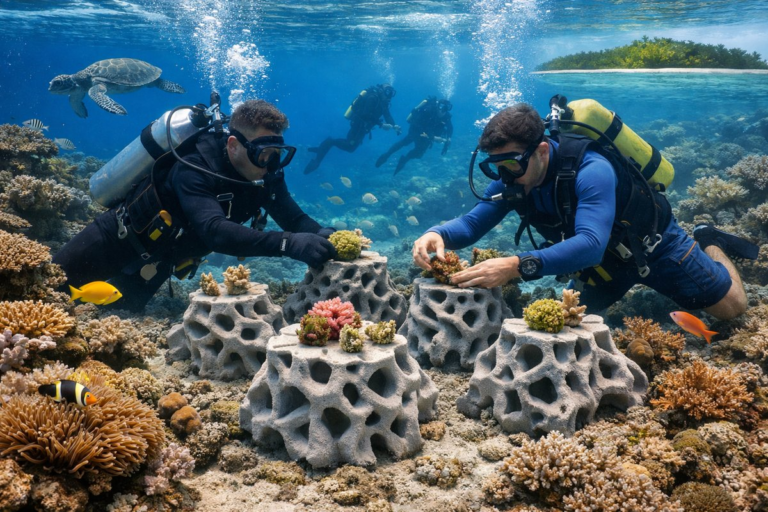
Facing unprecedented rates of coral bleaching, scientists have unveiled a pioneering approach that uses biomimetic 3D-printed reef modules to accelerate coral settlement and biodiversity recovery. Early field trials in a tropical atoll show promising recruitment rates and community engagement in a scalable restoration strategy.