Location
Mount Vernon, WA 98274

Location
Mount Vernon, WA 98274
A playground for curiosity, precision, and awe. From the quantum to the cosmic, the cellular to the societal, this category explores the forces and patterns that shape our world. Whether you’re decoding light, mapping ecosystems, or pondering consciousness, Science invites you to think deeply and discover boldly.
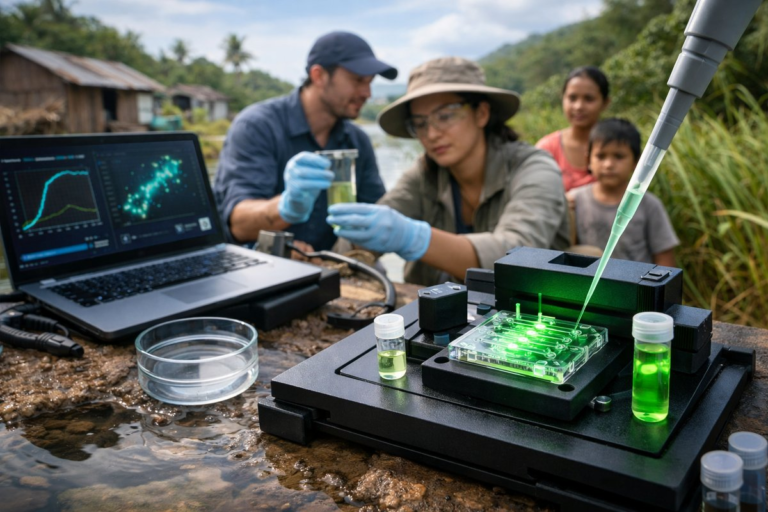
A team of researchers has unveiled a low-cost, 3D-printed microfluidic device that detects waterborne pathogens in under 30 minutes using CRISPR-based fluorescence. Field trials in remote communities demonstrated lab-level accuracy, promising real-time water monitoring for public health and citizen science.

A breakthrough multicolor microscopy platform now captures live synaptic dynamics in mammalian brain tissue with unprecedented speed and resolution. This real-time imaging method promises to reshape our understanding of neural circuits, disease mechanisms, and the very essence of thought.
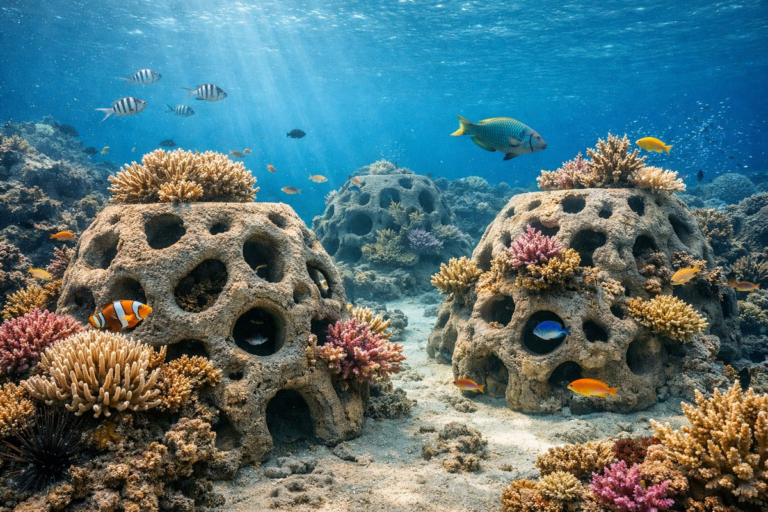
A pioneering project has deployed 3D-printed reef modules off a threatened coastline, combining materials science and marine biology to accelerate coral recovery. Field trials reveal that these synthetic skeletons not only survive harsh ocean conditions but also attract diverse marine life, pointing to a scalable model for reef conservation worldwide.
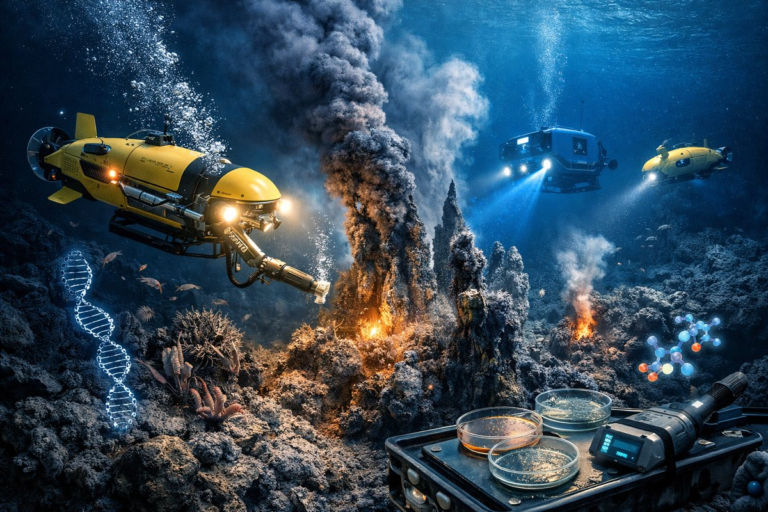
A fleet of underwater robots has mapped hydrothermal vents in unprecedented detail, combining environmental DNA sampling and in situ chemical sensing to reveal novel microbial communities. Early findings hint at new antibiotic compounds and deepen our understanding of life's resilience in extreme environments.
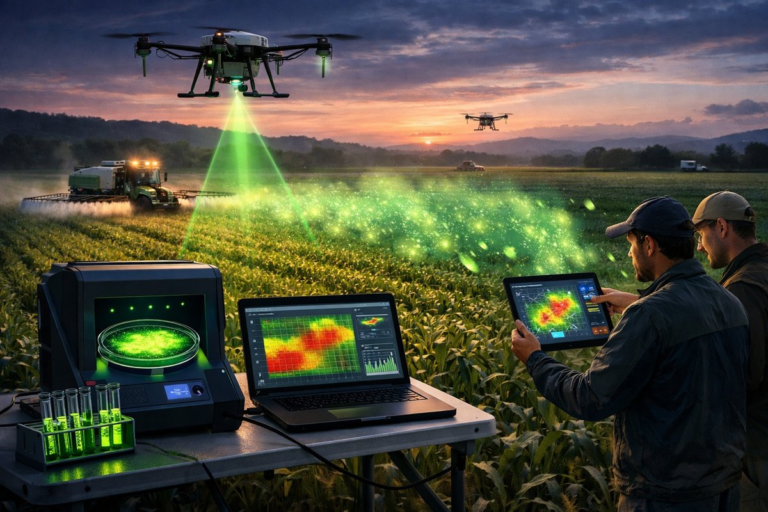
A novel hybrid system combining engineered bioluminescent bacteria with AI-powered drone surveillance is offering farmers and researchers real-time maps of pesticide drift at unprecedented resolution. Field trials demonstrate how portable fluorescence detectors and predictive models can guide targeted interventions, reducing environmental impact while safeguarding crop yields.
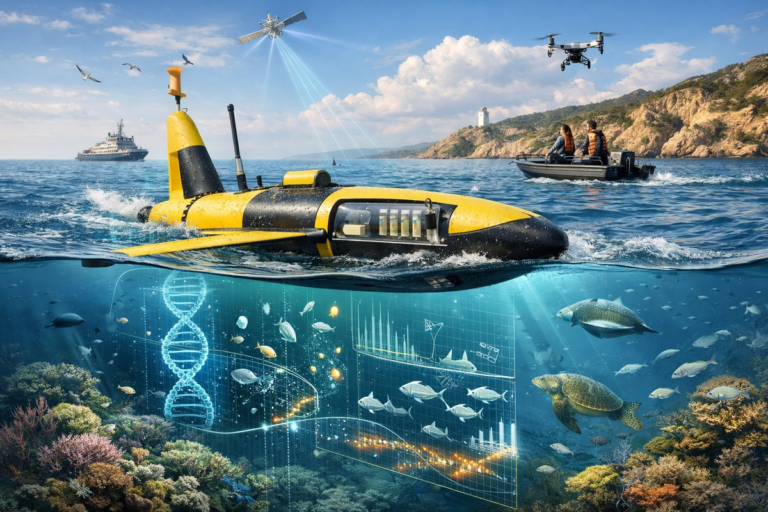
A new generation of autonomous ocean gliders equipped with acoustic sensors, environmental DNA samplers, and microplastic detectors is transforming how scientists map coastal biodiversity. By blending real-time AI analysis with citizen-driven data collection, researchers are uncovering hidden patterns that could reshape conservation strategies.
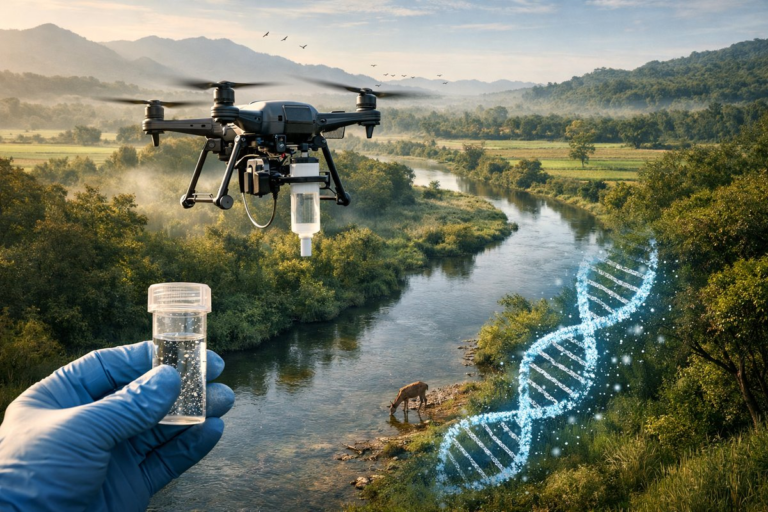
A new study employs autonomous drones equipped with environmental DNA samplers to track subtle shifts in species composition across river systems. This scalable approach uncovers biodiversity changes linked to land use and climate variation, offering conservationists a powerful new monitoring tool.
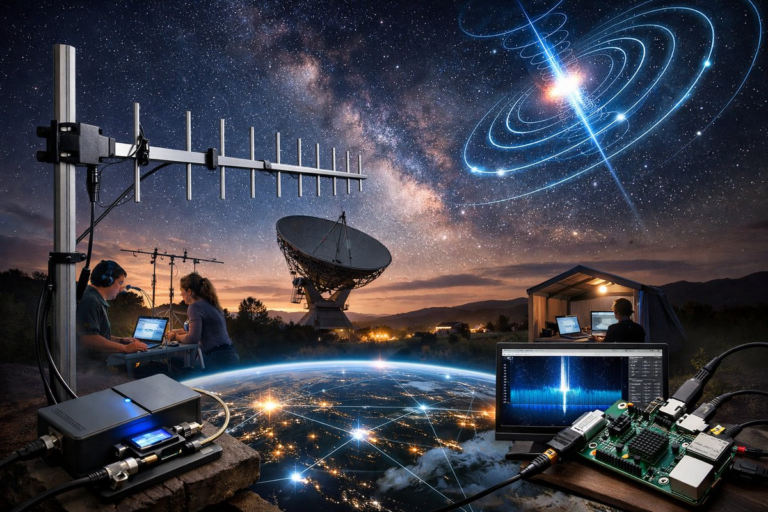
An international collaboration of amateur and professional astronomers has deployed a distributed network of low-cost radio telescopes to track and analyze fast radio bursts (FRBs). Using software-defined radio dongles, home-built Yagi-Uda antennas, and single-board computers, volunteers have helped pinpoint a repeating FRB source, shedding light on one of astronomy's greatest mysteries.
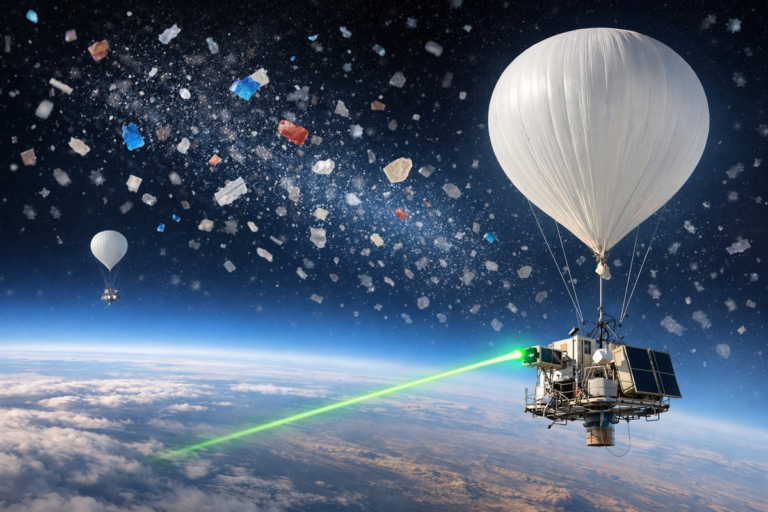
A recent international study reveals the surprising presence of microplastic particles high in the stratosphere, prompting questions about long-range transport, climate impacts, and human health. Using high-altitude balloons and laser-based sensors, scientists have mapped airborne plastic fragments up to 20 kilometers above ground, highlighting a new frontier in environmental monitoring.
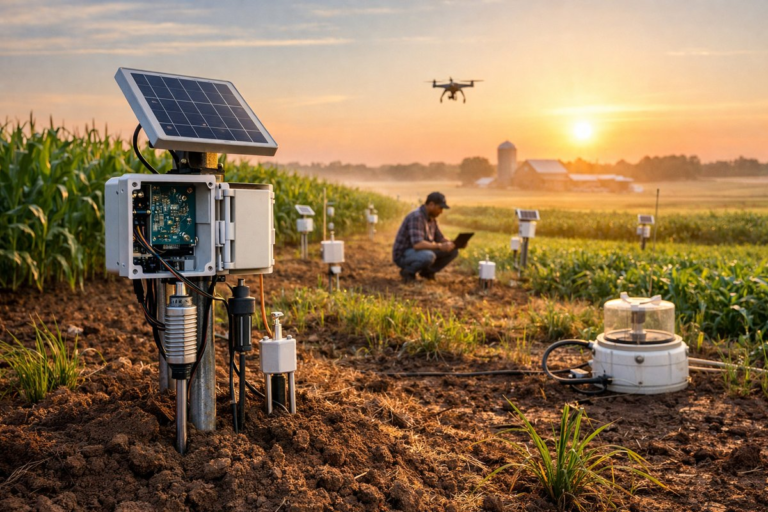
An open-source array of AI-linked soil sensors is transforming how farmers and researchers monitor carbon sequestration and water usage. Field trials in three Midwestern counties demonstrate unprecedented spatial resolution in soil data, promising smarter agricultural practices and new pathways for carbon credit markets.