Location
Mount Vernon, WA 98274

Location
Mount Vernon, WA 98274
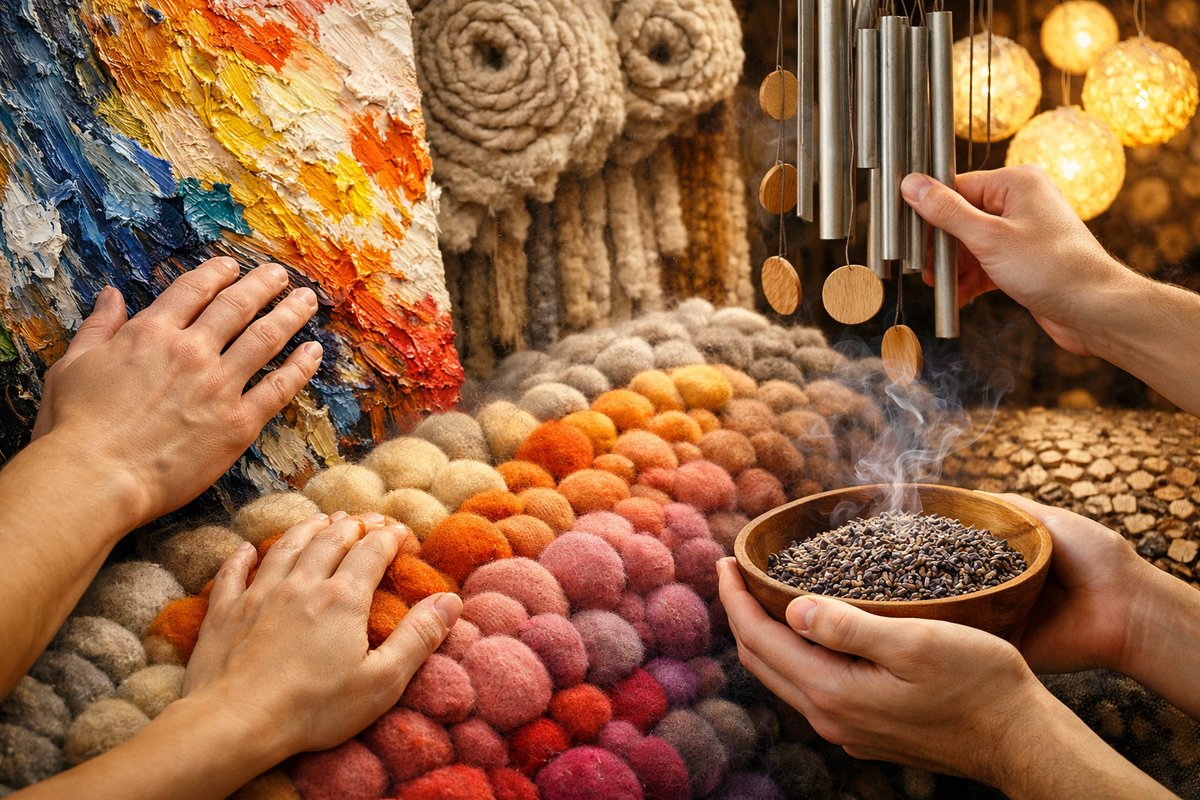
As digital and interactive media dominate much of today's art landscape, a new wave of creators is turning back to the physicality of materials and the sensory experience of texture. This renaissance of tactile art challenges viewers to engage with artworks through touch, sound, and even scent, reasserting the power of materiality in a visually saturated world.
In a world increasingly defined by screens and virtual experiences, a fascinating countercurrent is emerging within the art and design community: a renewed focus on tactile, sensory-rich artwork that emphasizes the physical properties of materials. This movement goes beyond mere visual appeal to explore how texture, weight, temperature, and even smell can deepen our emotional connection to art.
Historically, art has always involved materiality-from the roughness of cave paintings to the smoothness of Renaissance marble sculptures. Yet, as digital and interactive art forms expanded, the sensory experience was often limited to sight and sound, mediated through electronic devices. Now, contemporary artists and designers are consciously reclaiming the haptic dimension, inviting audiences to touch, feel, and interact with their creations in ways that stimulate multiple senses simultaneously.
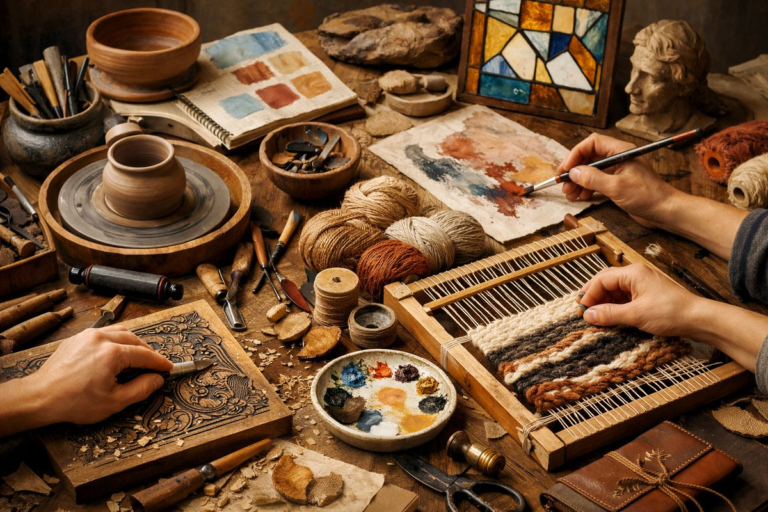
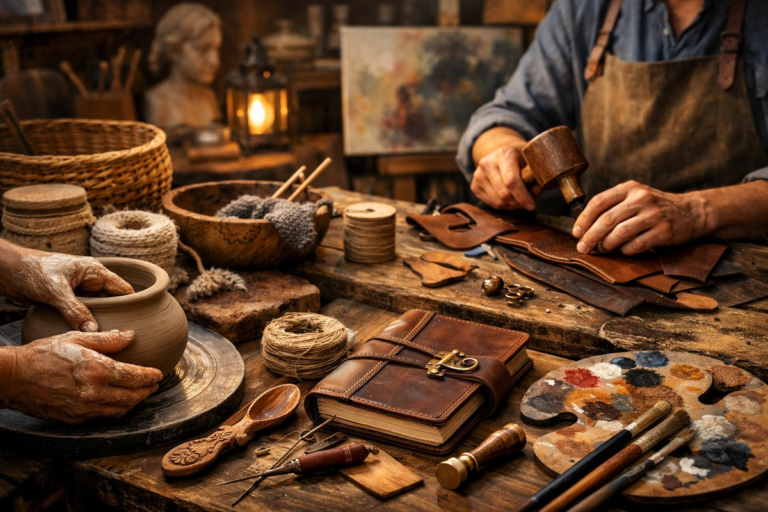
This tactile resurgence is visible across numerous disciplines. In sculpture, artists experiment with unconventional materials such as reclaimed wood, industrial metals, fabric, and organic matter, combining these elements to create works that invite touch and provoke curiosity. Textile arts, traditionally marginalized as craft, are gaining new respect as creators use fibers to produce intricate installations that play with softness, density, and movement. Even printmakers and painters are incorporating mixed media, layering textured gels, sand, or other granular substances to give their canvases a palpable depth.
Sensory design principles borrowed from architecture and product design have also influenced contemporary visual art. Artists integrate temperature-sensitive materials that change feel or color with heat, or use materials that respond to humidity and pressure. Such responsive textures engage viewers beyond the visual realm, creating immersive environments where the audience’s presence alters the artwork itself. These experiments challenge the passive viewing model and advocate for art as a living dialogue.
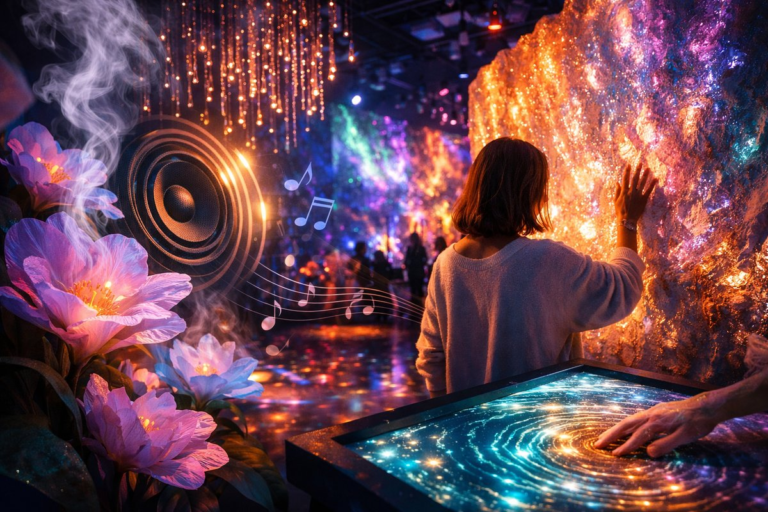
One compelling example is the rise of multisensory exhibitions that incorporate scent diffusers, soundscapes, and tactile installations, inviting visitors to experience art holistically. This aligns with the growing recognition of neuroaesthetics-the study of how art affects the brain-highlighting how engaging multiple senses can deepen emotional resonance and memory retention. Museums and galleries are increasingly embracing this approach to make art more accessible and inclusive, especially for individuals with visual impairments.
Sustainability also plays a crucial role in this tactile art renaissance. Many artists prioritize eco-friendly, biodegradable, or recycled materials to craft their works, reflecting a conscientious philosophy that honors the planet as much as the viewer. This choice not only reduces environmental impact but also adds layers of meaning to the work, connecting materiality with ethical responsibility.
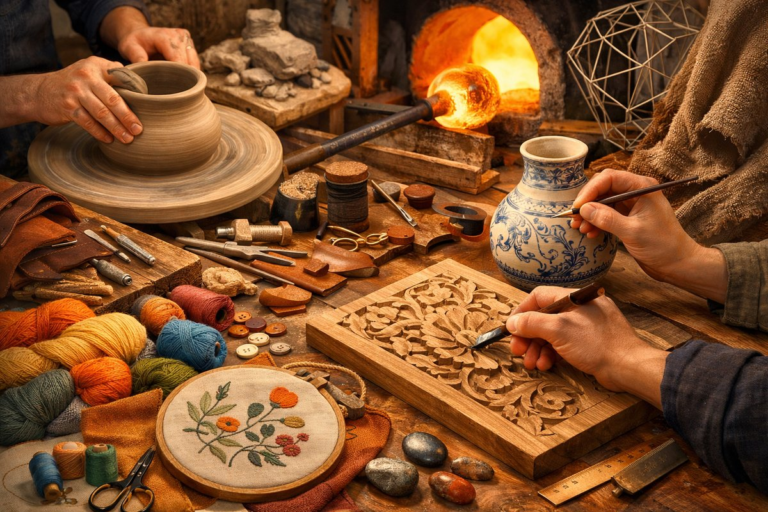
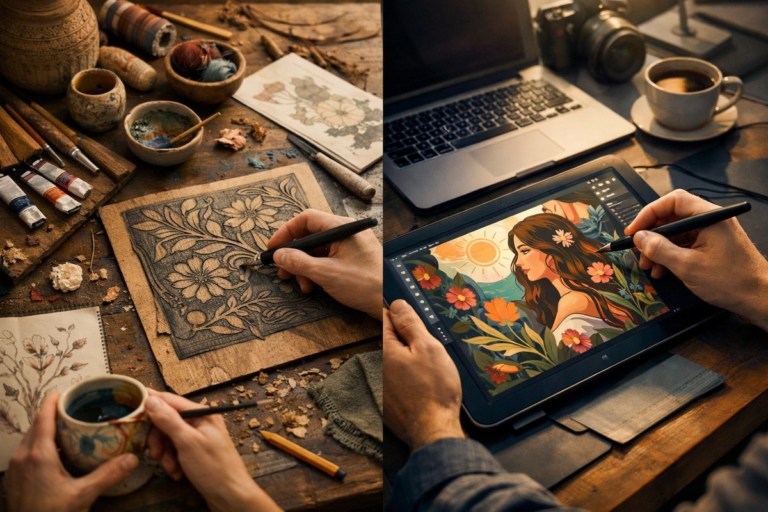
The intersection of craftsmanship and technology is another fertile ground for innovation. Digital fabrication techniques, such as 3D printing and laser cutting, allow artists to manipulate texture and form with precision while still incorporating traditional materials. This synergy expands the possibilities for tactile expression, blending the handmade with the machine-made.
For artists and designers seeking to explore this sensory-rich approach, several practical strategies can help. Experimenting with a variety of materials-natural fibers, metals, ceramics, and unexpected found objects-can reveal surprising textures and interactions. Incorporating temperature- or pressure-responsive substances can add a dynamic dimension. Collaboration with experts in scent or sound design can transform visual pieces into multisensory experiences. Finally, considering the environmental impact of materials and processes ensures that creative exploration aligns with sustainability values.
This tactile turn in art and design not only challenges conventional notions of visual expression but also reconnects us with the fundamental human experience of touch and presence. In a time when digital saturation can overwhelm the senses, the materiality of art offers a grounding, intimate encounter that reawakens curiosity and emotional depth. It reminds us that creativity is not solely an intellectual or visual act but a full-bodied experience, inviting us to feel, sense, and engage with the world more deeply.