Location
Mount Vernon, WA 98274

Location
Mount Vernon, WA 98274
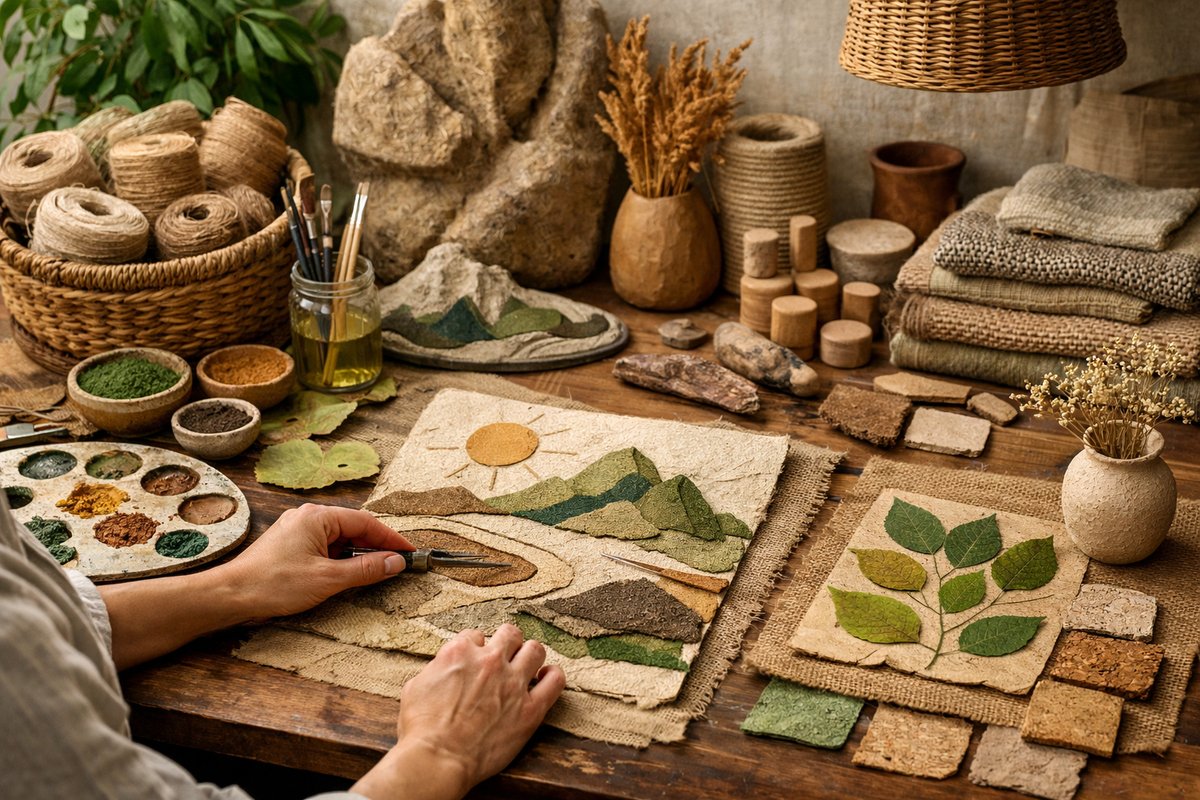
As the art and design world embraces sustainability, creators are reimagining traditional techniques through eco-friendly materials. This movement not only challenges the aesthetic norms but also invites a deeper dialogue on the relationship between creativity and environmental stewardship.
In recent years, a transformative wave has swept through the realms of art and design, one that pivots on the axis of sustainability and material consciousness. Creators across disciplines are increasingly seeking to reconcile their artistic visions with ecological imperatives, leading to an innovative synthesis where traditional craftsmanship meets modern environmental awareness. This convergence invites us to reconsider not just what art looks like, but how it is made and what it communicates about our place in the natural world.
Central to this movement is the resurgence of natural and recycled materials as primary media for artistic expression. Designers and artists are exploring fibers derived from agricultural byproducts, pigments sourced from earth and plant matter, and repurposed industrial remnants transformed into objects of beauty and function. This material alchemy speaks to a desire to reduce waste, lower carbon footprints, and foster a circular economy within creative industries.
One striking example is the revival of textile art utilizing organic cotton, hemp, and bamboo fibers processed with low-impact dyes. These textiles not only offer vibrant colors and textures but also embody a narrative of care and respect for the environment. They challenge the fast-fashion mentality and invite consumers and collectors to value longevity and authenticity.
In parallel, wood and metal artisans are turning to reclaimed sources-salvaged barn wood, discarded ship parts, and scrap metal-to craft furniture, sculptures, and installations that bear the marks of their histories. This practice not only conserves resources but imbues each piece with a layered story that resonates emotionally with audiences. The patina of use and the visible traces of past lives enrich the contemporary work with a sense of continuity and memory.
Technological innovation is also playing a pivotal role. Advances in biodegradable bioplastics and 3D printing with sustainable filaments enable designers to prototype and produce with less environmental impact. These tools open new aesthetic possibilities while foregrounding responsible material stewardship. Artists experimenting with these technologies often blend the precision of digital fabrication with the unpredictability of natural textures, creating hybrid forms that challenge categorical boundaries.
This shift toward sustainability in art and design is not merely a trend but a philosophical inquiry. It questions the historical detachment of creative practice from ecological consequences and urges a redefinition of artistic success that includes environmental and social dimensions. The movement encourages creators to engage deeply with the sourcing, lifecycle, and afterlife of their materials, fostering a holistic approach that honors both creativity and planetary health.
Moreover, this ethos is influencing exhibition and gallery practices. Curators are prioritizing works made with sustainable methods and emphasizing narratives around ecological responsibility. Museums and public art programs are incorporating educational components that invite audiences to reflect on their consumption patterns and the environmental footprints of cultural artifacts.
For emerging artists and designers, this environment offers fertile ground for experimentation and innovation. It opens pathways to collaborate with scientists, farmers, and engineers, blending diverse expertise to conceive new materials and processes. This interdisciplinary approach enriches creative practices and broadens the impact of their work beyond traditional art markets.
The social implications are equally significant. By foregrounding sustainability, artists contribute to broader cultural shifts toward environmental justice and equity. They highlight connections between resource extraction, climate change, and community wellbeing, prompting critical conversations that extend beyond aesthetic appreciation.
In embracing material alchemy through sustainable craft, the art and design community models a future where creativity is harmonized with care for the earth. This paradigm encourages us all to reconsider the origins and destinies of the things we create and cherish, fostering a more mindful and responsible engagement with the world around us.
As this movement gains momentum, it invites collectors, consumers, and institutions to support practices that prioritize transparency, durability, and ethical sourcing. It also challenges us to reflect on our own roles as stewards of culture and environment, inspiring choices that align with a vision of resilience and regeneration.
Ultimately, the fusion of sustainability and artistry is reshaping the visual landscape, enriching it with textures, stories, and philosophies that resonate deeply in a time of global ecological urgency. This reimagined creative practice not only produces objects of beauty but also seeds the cultural imagination with hope and responsibility.