Location
Mount Vernon, WA 98274

Location
Mount Vernon, WA 98274
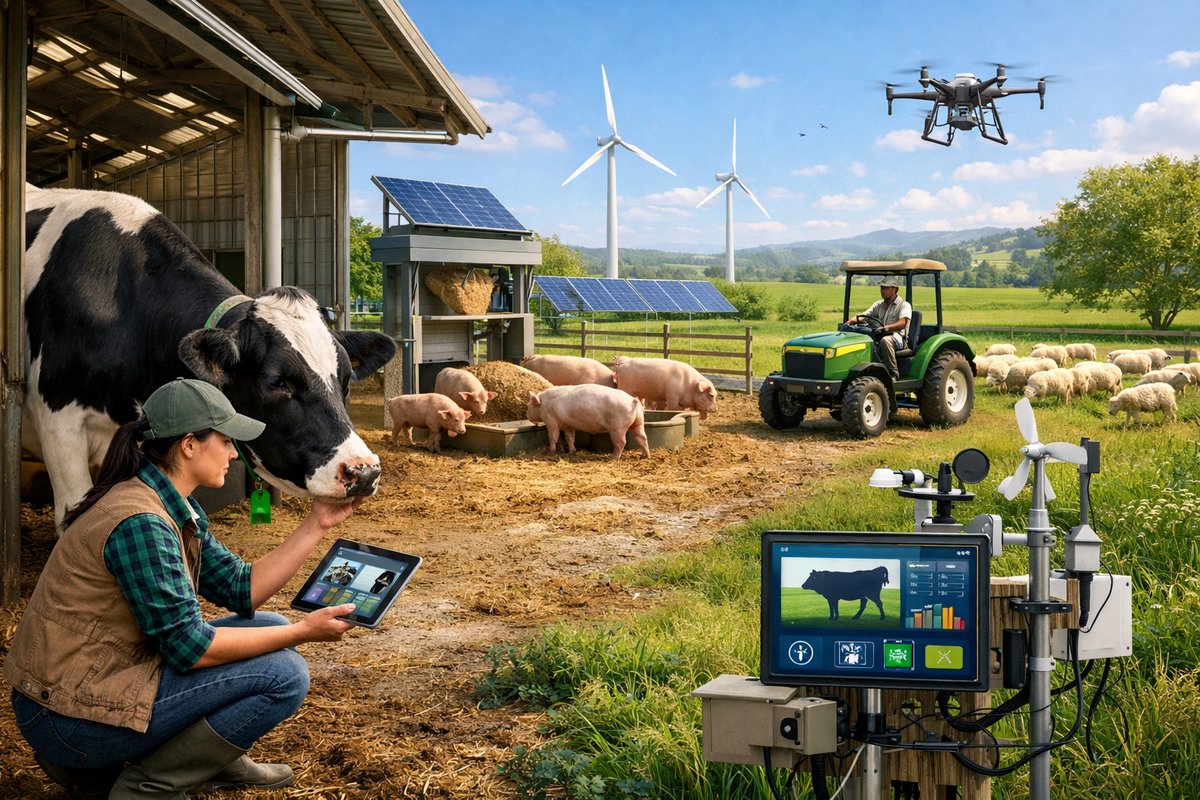
Sustainable farming and livestock care are evolving rapidly with new technologies and practices that prioritize animal welfare, environmental stewardship, and rural innovation. This article explores recent advances in sustainable livestock management, practical tools for animal care, and the growing importance of eco-friendly farming methods.
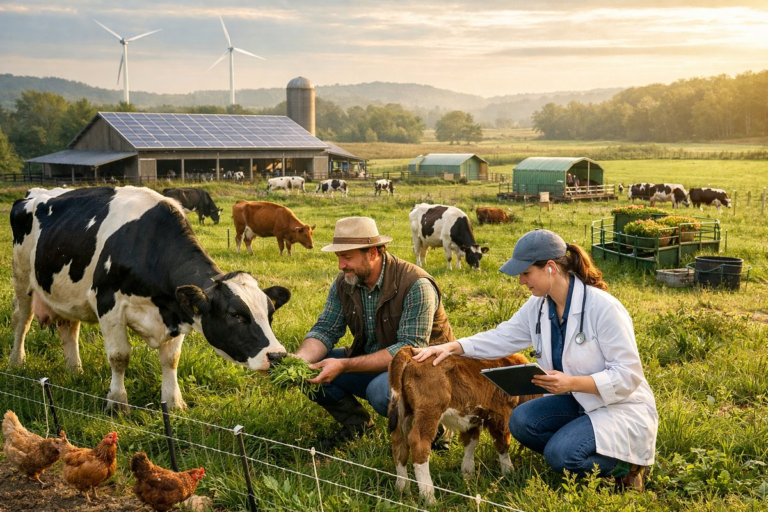
Farm and livestock care have become focal points in the global push toward sustainability and ethical agricultural practices. As climate change pressures intensify and consumers demand transparency and responsibility, farmers are adopting innovative methods that protect animal health, improve productivity, and reduce environmental footprints. This transformation is not only about adopting new tools but also about rethinking traditional approaches to animal husbandry and land stewardship.
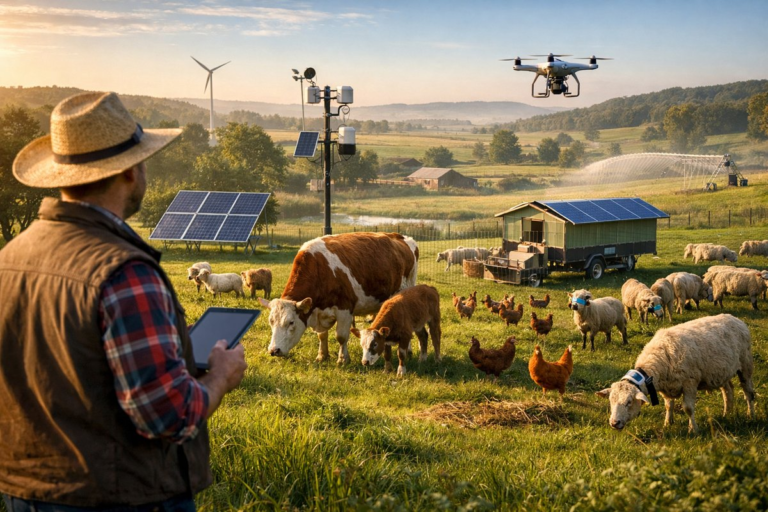
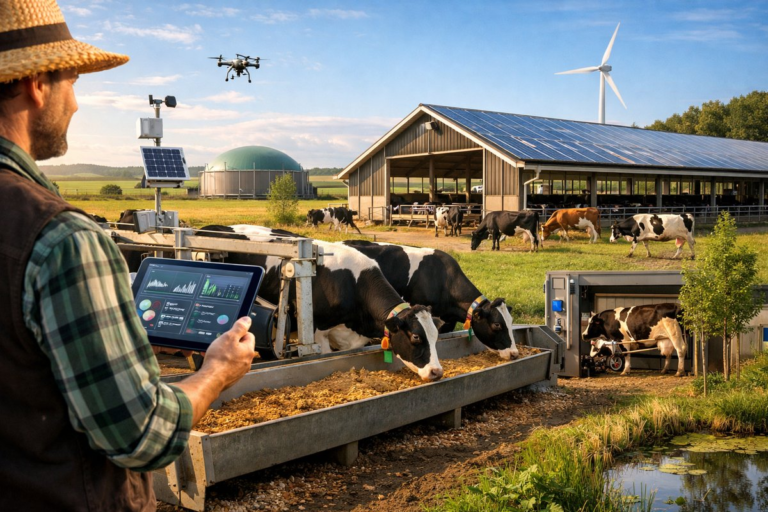
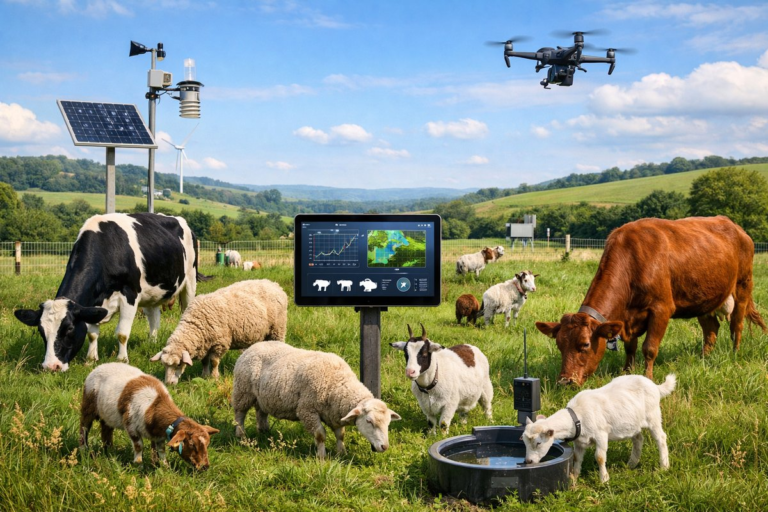
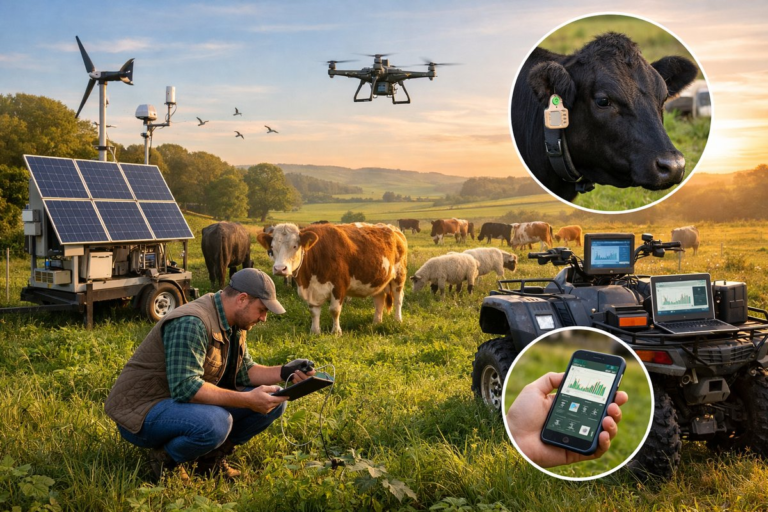
One of the most significant trends in livestock care is the integration of technology to monitor animal health and welfare. Precision livestock farming uses sensors, wearable devices, and automated systems to track vital signs, behavior, and environmental conditions in real time. These technologies enable early detection of illness, stress, or injury, allowing farmers to intervene promptly and reduce the need for antibiotics or other medications. For example, smart collars and ear tags equipped with GPS and biometric sensors can monitor activity levels and feeding patterns, providing valuable data that informs personalized care plans.
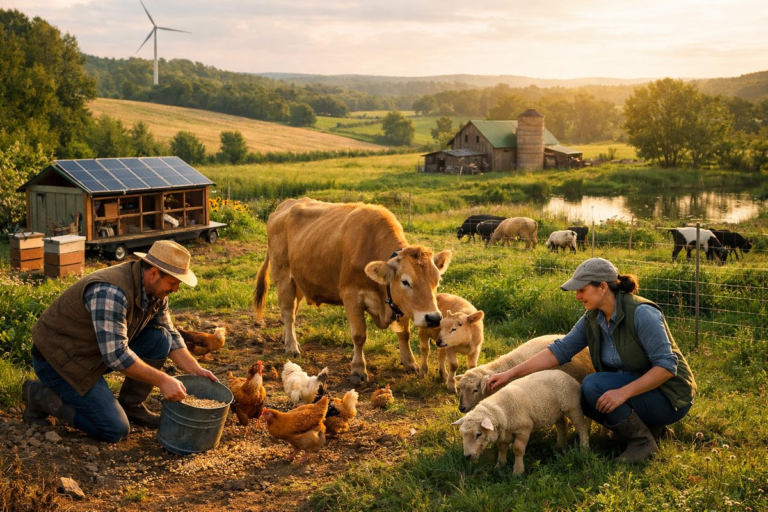
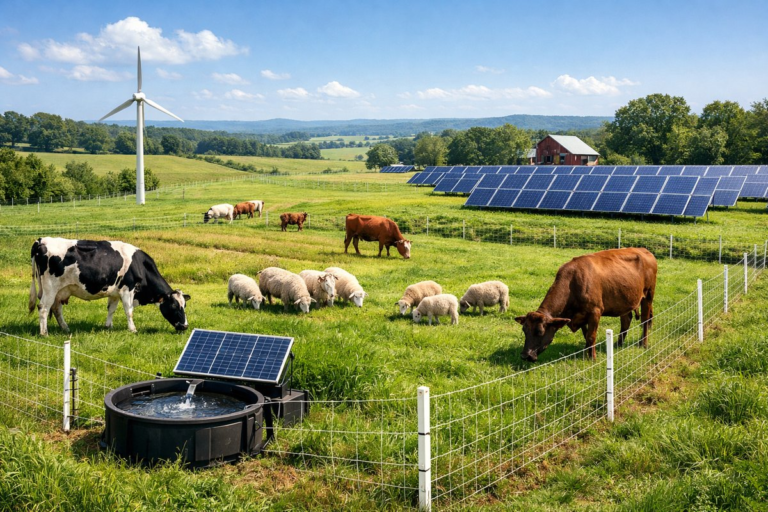
Beyond health monitoring, sustainable livestock farming emphasizes humane treatment and natural living conditions. Practices such as rotational grazing, where animals are moved between pastures to prevent overgrazing and promote soil regeneration, have gained traction. This approach not only improves pasture quality but also enhances carbon sequestration, contributing to climate change mitigation. Additionally, providing animals with ample space, shelter, and enrichment reduces stress and improves overall well-being, which in turn supports better growth and productivity.
Feed quality and sourcing also play a critical role in sustainable livestock care. Farmers are increasingly turning to organic, non-GMO, and locally sourced feed to minimize environmental impacts and avoid harmful additives. Innovations in feed formulations, including the use of insect protein or algae-based supplements, offer promising alternatives that reduce reliance on conventional feed crops, which often require intensive land and water use. These novel feeds can improve nutrient efficiency and lower methane emissions from ruminants, addressing both economic and ecological concerns.
Water management is another crucial aspect of sustainable farming. Efficient irrigation systems and water recycling technologies help conserve this vital resource, especially in regions facing drought or water scarcity. For livestock, ensuring clean, accessible water is essential for health and productivity. Automated watering systems with filtration and temperature control can maintain optimal hydration conditions, reducing disease risks and labor demands.
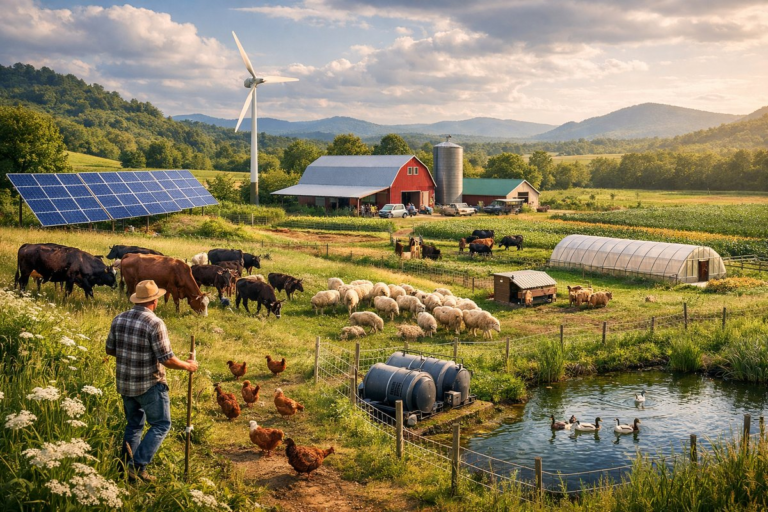
Waste management and manure handling have seen innovative solutions as well. Composting manure not only reduces pollution risks but also produces valuable organic fertilizer that enriches soil health. Some farms are adopting anaerobic digesters that convert animal waste into biogas, providing renewable energy and reducing greenhouse gas emissions. These circular approaches exemplify how livestock care can align with broader sustainability goals.
Community-driven rural innovation is supporting these advancements by fostering knowledge exchange and collaborative problem-solving. Farmer cooperatives, extension services, and digital platforms enable sharing of best practices, access to new technologies, and market opportunities for sustainably raised products. This social dimension strengthens resilience and empowers small-scale farmers to participate in sustainable agriculture transitions.
Despite these promising developments, challenges remain. The upfront costs of technology adoption, need for training, and balancing productivity with sustainability require ongoing attention. Policy frameworks and consumer awareness will also influence how quickly and widely these practices are embraced.
In conclusion, sustainable farm and livestock care is a dynamic field where tradition meets innovation. By integrating technology, ethical animal husbandry, and environmental stewardship, farmers can create resilient systems that benefit animals, ecosystems, and communities. This holistic approach offers a hopeful path forward for agriculture in a changing world.