Location
Mount Vernon, WA 98274

Location
Mount Vernon, WA 98274
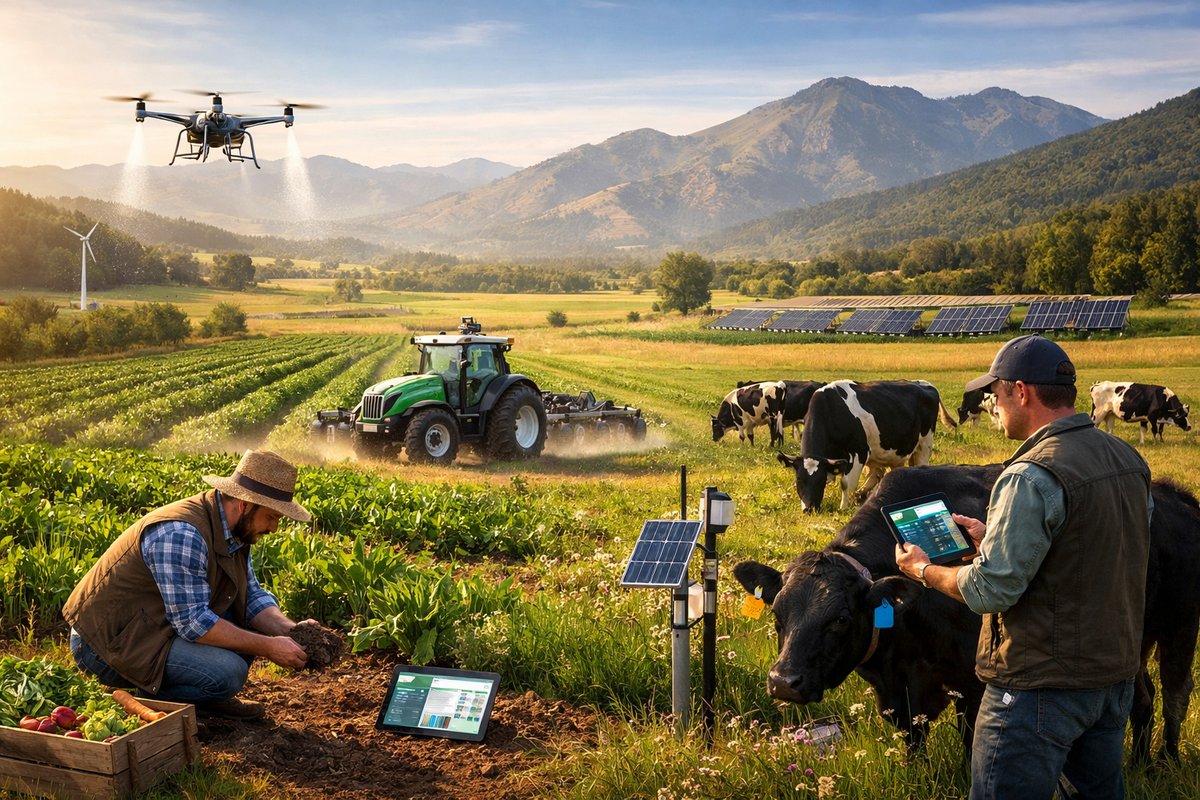
As global challenges intensify, farmers and livestock managers are adopting regenerative methods and precision technologies to foster sustainability and animal welfare. This article explores how these evolving practices not only improve environmental outcomes but also enhance farm resilience and productivity.
In recent years, the agricultural sector has witnessed a significant shift toward sustainability, driven by environmental concerns, economic pressures, and a growing consumer demand for ethically produced food. Central to this transformation are regenerative farming practices and innovative livestock care techniques that prioritize ecosystem health, animal welfare, and long-term viability.
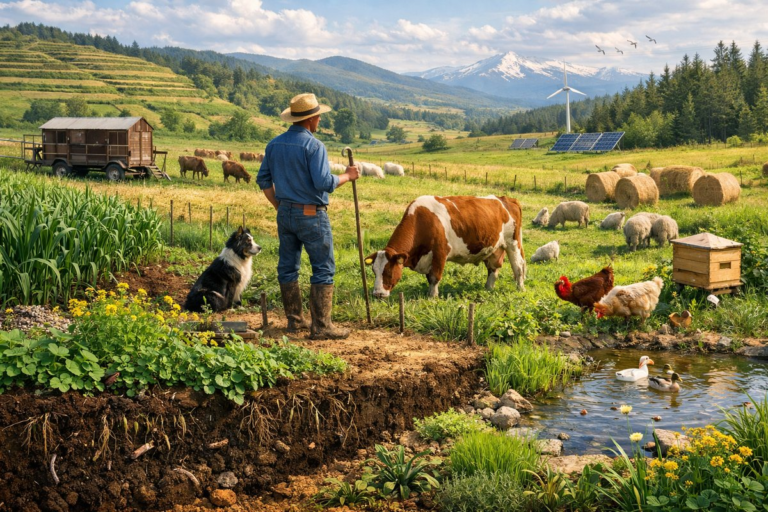
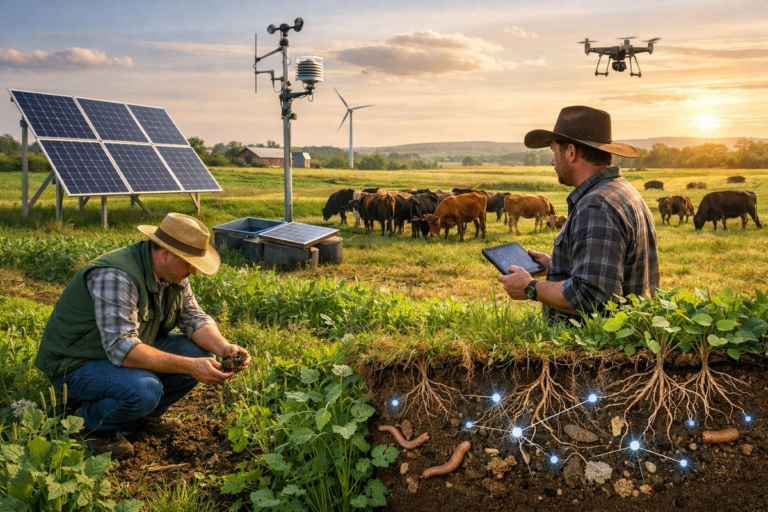
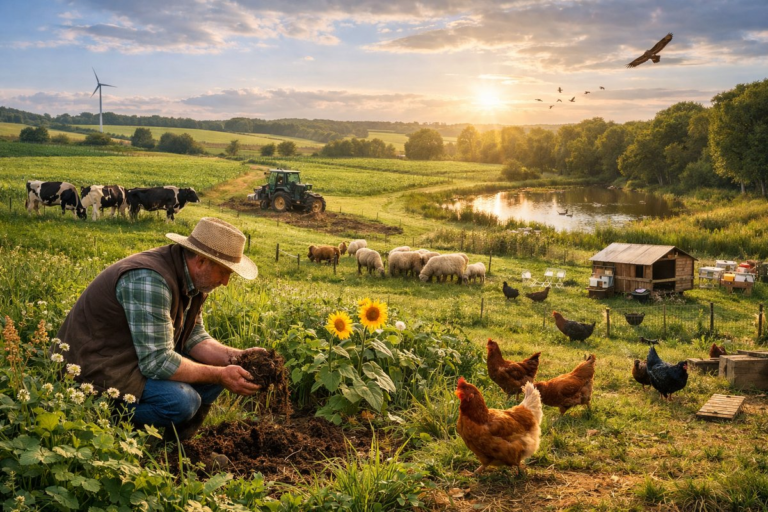
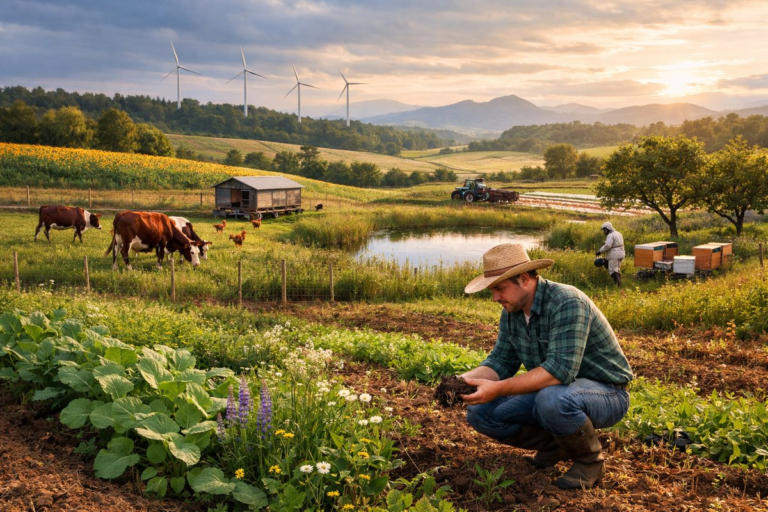
Regenerative agriculture goes beyond traditional sustainable farming by actively restoring soil health, increasing biodiversity, and improving water cycles. Farmers adopting these practices focus on minimal soil disturbance, cover cropping, diversified crop rotations, and integrating livestock into cropping systems. This holistic approach not only sequesters carbon but also enhances soil fertility and resilience against climate extremes.
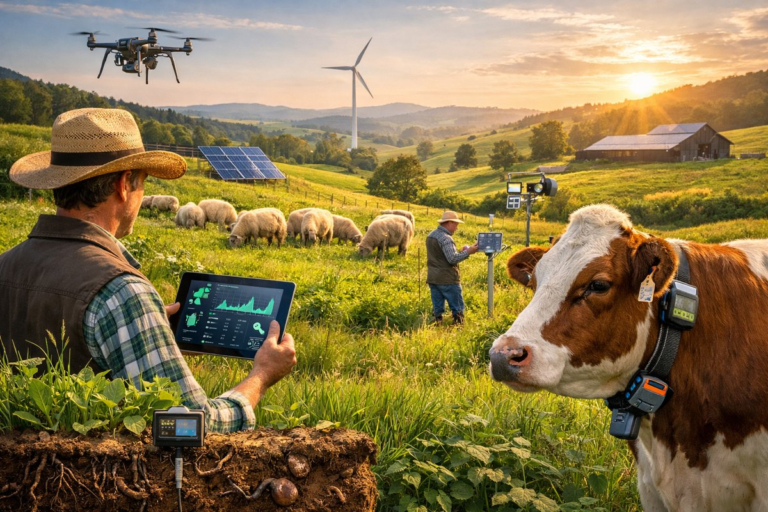
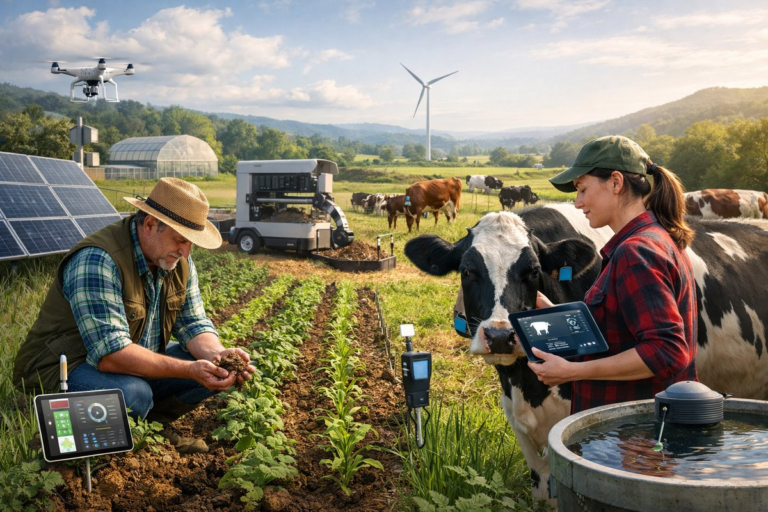
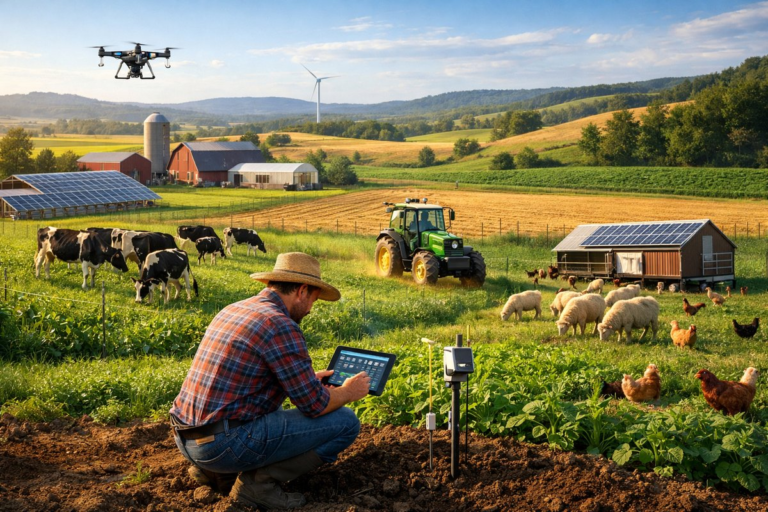
One of the key innovations in livestock management is the integration of precision technology. Sensors, GPS tracking, and automated feeding systems allow farmers to monitor animal health, behavior, and nutrition in real time. This data-driven approach enables early detection of illness, optimized feeding regimens, and reduced waste, ultimately improving animal welfare and farm efficiency.
For example, wearable devices for cattle can track movement patterns and body temperature, alerting farmers to potential health issues before they become critical. Drones are also being employed to monitor pasture conditions, helping to manage grazing patterns that prevent overuse and promote regrowth. Such technologies empower farmers to make informed decisions that balance productivity with ecological stewardship.
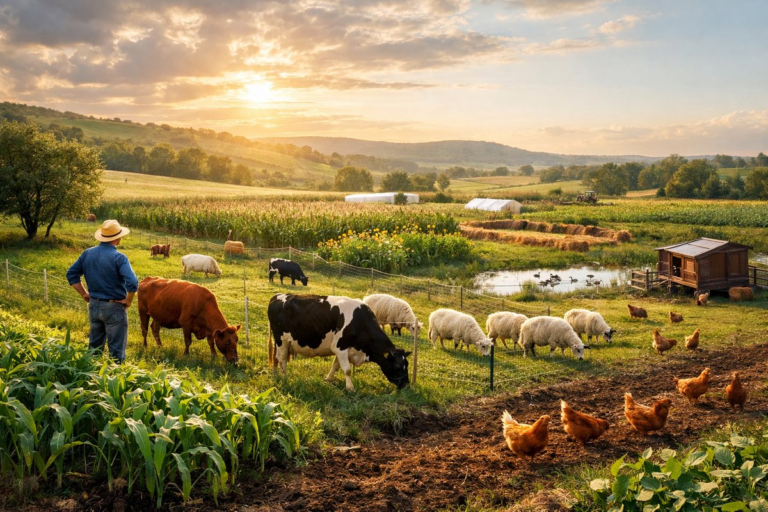
Animal welfare is increasingly recognized as integral to sustainable farming. Practices such as rotational grazing, providing ample shelter, and minimizing stress during handling are becoming standard. These methods not only improve the quality of life for livestock but also enhance product quality, as stress reduction is linked to better meat and dairy characteristics.
Community-supported agriculture and direct-to-consumer models are gaining traction, enabling farmers to share the story of their regenerative practices and animal care with consumers. This transparency fosters trust and encourages more sustainable purchasing decisions, creating a positive feedback loop that supports responsible farming.
Moreover, rural innovation hubs and cooperative networks facilitate knowledge exchange and resource sharing among farmers. These collaborations accelerate the adoption of best practices and new technologies, making sustainable farming more accessible and economically viable.
Despite these advances, challenges remain. Transitioning to regenerative systems requires upfront investment, education, and sometimes a cultural shift within farming communities. Additionally, the integration of technology must be balanced with privacy concerns and the digital divide that can limit access in rural areas.
Looking ahead, the convergence of ecological science, animal welfare ethics, and digital innovation promises a resilient agricultural future. By embracing these multifaceted approaches, farms can contribute meaningfully to climate mitigation, food security, and rural vitality, while honoring the intrinsic value of the animals and ecosystems they steward.