Location
Mount Vernon, WA 98274

Location
Mount Vernon, WA 98274
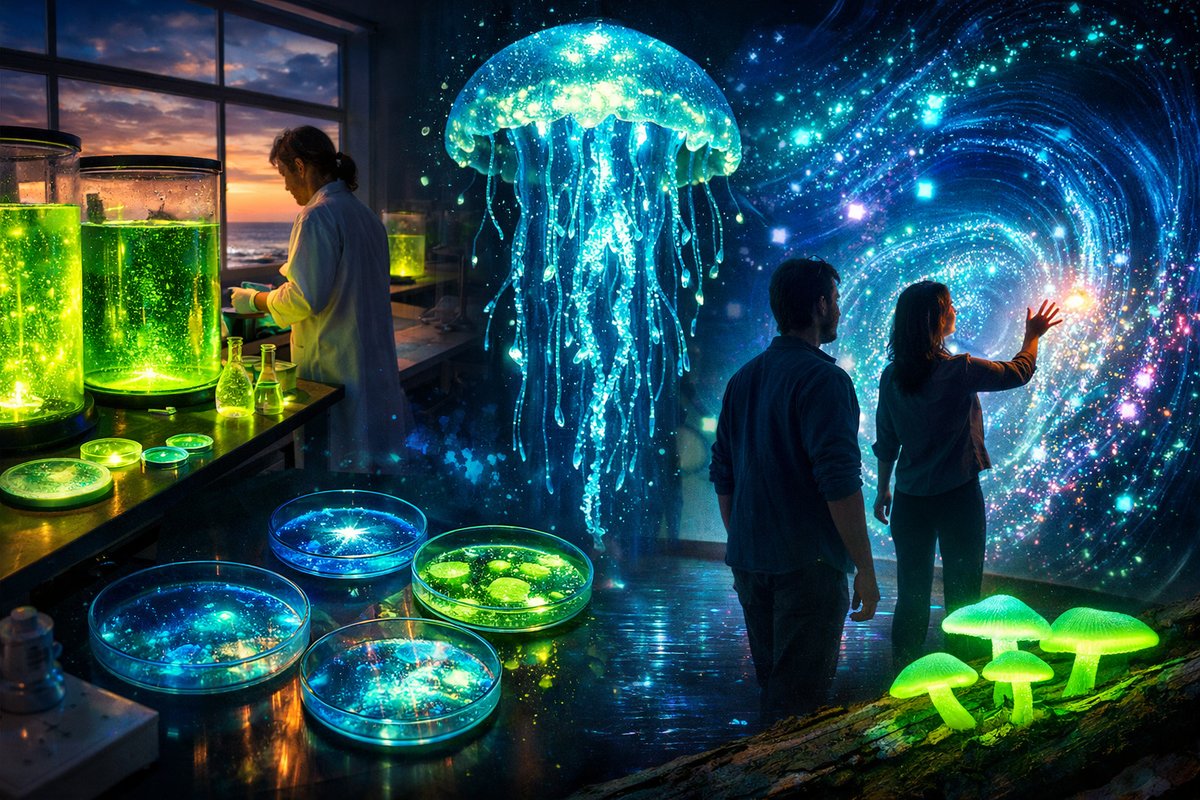
A new wave of artists is turning living organisms and bioengineered materials into glowing masterpieces. From coastal labs cultivating bioluminescent algae to immersive gallery experiences that react to visitors' movements, this trend reshapes how we perceive light and life.
Across docks, in hidden research labs, and within converted gallery warehouses, the subtle shimmer of living organisms is capturing headlines. Bioluminescent art installations are emerging as one of the most intriguing intersections of science, sustainability, and visual storytelling. By harnessing the glow of microorganisms or integrating bioengineered materials, contemporary creators are challenging traditional assumptions about what constitutes a static artwork.
At a recent exhibition along a coastal harbor, attendees navigated a winding corridor lined with transparent chambers of cultured algae. Each chamber pulsed softly when someone approached, responding to sound sensors and shifts in water chemistry. The effect was hypnotic: a living network of light that seemed to breathe in concert with the crowd. As viewers whispered secrets or tapped on acrylic walls, ripples of bioluminescent green and blue emerged like fleeting spirits.
Behind the glow lies rigorous scientific collaboration. Microbial ecologists oversee the health of algal cultures, regularly monitoring nutrient levels and pH balance in custom-built bio-reactors. Artists work alongside these experts, refining color gradients through genetic tweaking or by introducing natural catalysts such as luciferin. The resulting hues range from neon turquoise to soft lavender, offering palettes unseen in traditional pigment-based practices.
One collective sourced nonpathogenic strains of bioluminescent bacteria from intertidal rock pools. After weeks of lab cultivation, they blended the cultures into a gelatin matrix, casting flexible panels that react to humidity and touch. When visitors ran their fingers across the surface, tiny illuminations sprouted like fireflies. This interactive quality fosters an intimate relationship between audience and artwork-illuminating not just the physical medium but also the fragile bond between life and human intervention.
Beyond algae and bacteria, bioengineered materials are pushing boundaries further. Firms specializing in synthetic biology have developed biopolymers that glow under ultraviolet light, eliminating the need for live organisms. These materials can be 3D-printed into complex forms or infused into textiles for adaptive wearables. Designers are already experimenting with luminous fabrics that change intensity based on body heat or ambient sound, promising new possibilities for performance art and fashion.
Sustainability is central to the bioluminescent movement. Traditional lighting installations often rely on energy-intensive LEDs or projectors. In contrast, living installations draw on metabolic processes fueled by minimal nutrients. After a show ends, many projects are designed for composting or re-release into controlled ecosystems, ensuring that materials can cycle back into the environment with negligible waste. Some artists even host public “harvest days,” inviting communities to collect leftover biomass as fertilizer for urban gardens.
Challenges remain, particularly around stability and regulatory approval. Live cultures can be sensitive to temperature fluctuations and microbial contamination. Galleries have had to retrofit HVAC systems to maintain precise humidity and filtration standards. Biosafety boards often require detailed risk assessments, especially when genetic modification is involved. These logistical hurdles have led to a surge in partnerships with biotech firms and academic labs, blurring the lines between research facility and studio.
Yet for many creators, these hurdles are part of the appeal. “Working with living light demands empathy,” says one curator who oversaw a city-wide bioluminescent mural series. “You’re negotiating with a dynamic organism, not just painting on a wall. It’s a constant dialogue.” The result is art that evolves over time-panels might dim midday and flare nocturnally, or change color after a rainstorm when mineral concentrations shift.
In one striking outdoor installation, electrodes embedded in the concrete sent faint electrical pulses into shallow pools of bioluminescent plankton. As evening settled, the plankton responded with concentric rings of luminescence, echoing the rhythm of incoming tides. Passersby paused on footbridges to marvel at the symphony of light, water, and technology-a poetic reminder of our interconnectedness with marine ecosystems.
Museum educators are capitalizing on the trend, creating hands-on workshops where participants mix non-toxic glow pigments into agar gels or build simple circuit boards to trigger light reactions. Elementary school students have designed mini-bioreactors from recycled PET bottles, planting seeds of scientific curiosity alongside artistic exploration.
Critical discourse has also emerged around ethics. Some conservationists question whether bioluminescent art could inadvertently disrupt natural habitats if cultures escape controlled environments. Others debate the moral implications of genetic modification for aesthetic purposes. These conversations have spurred a new wave of manifestoes on responsible bio-art, outlining guidelines for transparency, traceability, and public engagement.
As the line between laboratory and gallery blurs, audiences are confronted with questions about agency and co-creation. When is an installation the artist’s work, and when is it the organism’s? Some theorists argue that bioluminescent art embodies a post-anthropocentric paradigm-one in which humans share authorship with other living entities. Whether celebrated as ecological innovation or critiqued for its novelty, the movement is undeniably reshaping our visual lexicon.
Forecasts for urban design suggest that bioluminescent panels could one day replace streetlights in eco-districts, offering gentle illumination without glare or high energy costs. Trials in a Scandinavian town used algae-filled pavement panels to mark pedestrian pathways. At nightfall, the ground glowed in soft green lines, guiding residents through rain-slick streets while reducing light pollution.
Even brands are exploring limited editions of bioluminescent packaging and point-of-sale displays. Retailers see potential in products that glow organically on shelves, capturing attention more subtly than neon signs. But such commercial applications must still navigate regulatory waters and ensure long-term viability of living materials.
With festivals dedicated solely to bioluminescent art popping up across Europe and North America, the trend shows no signs of fading. From coastlines to corporate lobbies, living light is entering spaces once dominated by static screens and LEDs. Its allure lies not only in its otherworldly glow but in its capacity to make the invisible processes of nature visible and visceral.
Ultimately, bioluminescent installations challenge us to reconceive the very notion of a canvas. They invite a multisensory engagement, blending sight, touch, and ecological awareness. As this living movement evolves, it may well redefine how we illuminate our cities, our stages, and even our imaginations.