Location
Mount Vernon, WA 98274

Location
Mount Vernon, WA 98274
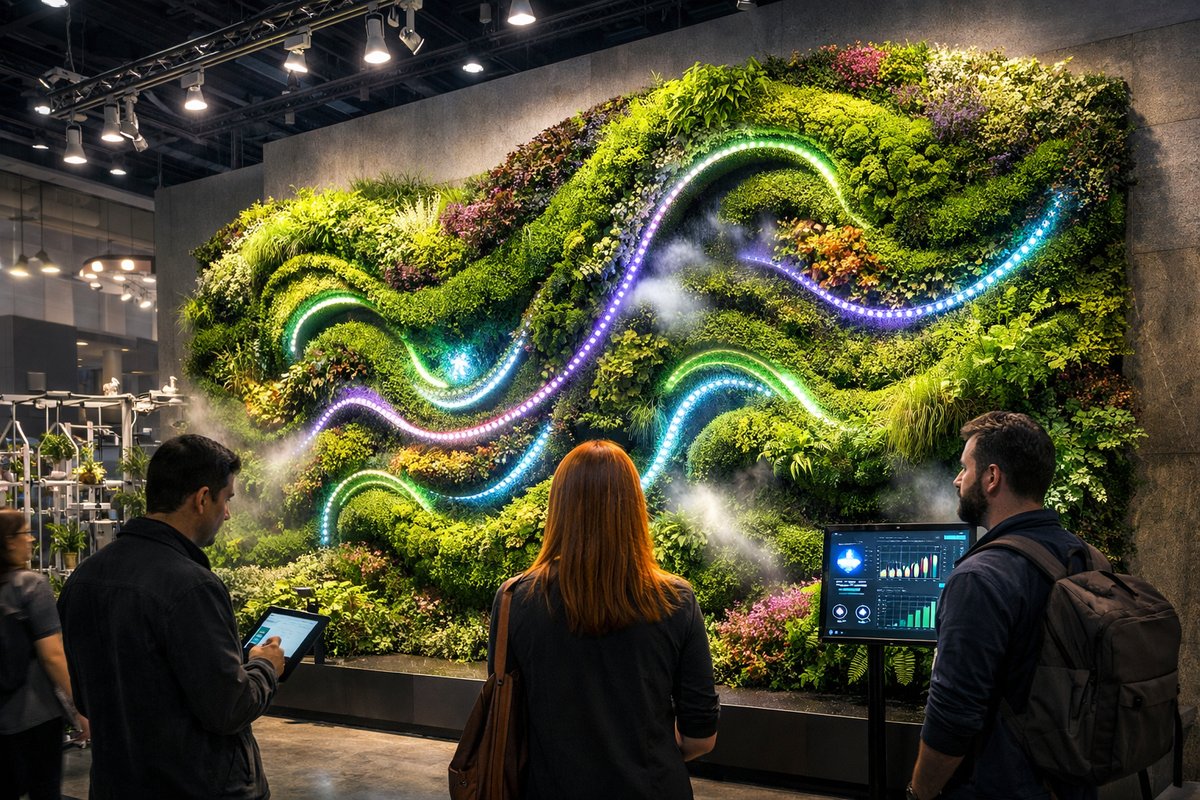
A new wave of living walls at international design expos is merging hydroponics and generative algorithms to create artworks that grow, shift, and respond in real time. These installations blend sustainability, technology, and sensory engagement to challenge our definitions of canvas and sculpture. As artists and engineers collaborate on sources of light, water, and data, the living code behind each wall transforms strangers into caretakers of evolving ecosystems.
At a softly humming pavilion on the fringes of a major design expo, a wall of emerald tendrils undulates in subtle choreography. Visitors lean in, entranced by rhythmic pulses of light cascading through rows of leafy vines. Far from a static botanical display, this is a living canvas driven by code. Water, nutrients, sensors and algorithms converge here to shape a hybrid work of art that grows as it performs.
These hydroponic art walls are emerging as one of the most talked-about trends in visual expression. In recent months, studios from Rotterdam to São Paulo have unveiled installations that feed plants through precision irrigation, track growth patterns via camera arrays, and adjust the display dynamically using generative design software. Each node of the grid can brighten or dim LEDs, open or close valves, and trigger gentle misting. The result is an artwork that never stands still and never looks the same twice.
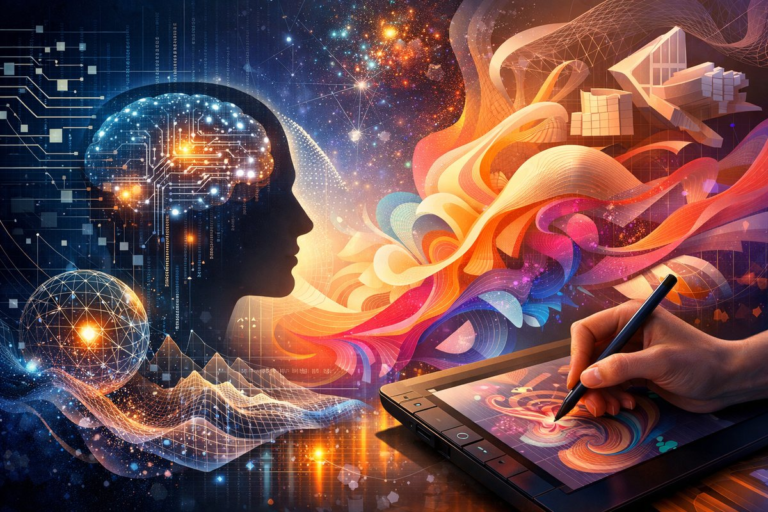
Behind the scenes, a blend of open source controls, custom machine learning scripts, and off-the-shelf sensors orchestrates the show. Environmental data on humidity, temperature, nutrient levels and plant health flow into decision engines written by developers and artists alike. As one curator explained, the artwork is a living feedback loop: cameras spot a cluster of leaves growing too fast in one zone, software throttles water there, then redirects it to a sparse patch across the wall. Visitors get to witness the balance of ecosystems guided by human imagination and computational logic.
This form of expression carries deep sustainability credentials. Traditional gallery pieces rely on inert materials that trace supply chains of mining, fabrication and shipping. Hydroponic walls, in contrast, recycle water through closed circuits, integrate local plant species that thrive in moderate climates, and use full-spectrum LED lighting tuned to optimize photosynthesis while minimizing energy draw. By situating these installations in urban plazas, studios demonstrate how art can double as green infrastructure: a living air filter, humidity stabilizer and pollinator habitat rolled into one.
The aesthetic dimension is equally rich. Collaborations between biologists, software engineers and sculptors have yielded plant palettes that range from feathery ferns and textured mosses to trailing succulents. Each species brings its own palette of form, color and growth rate. The generative software interprets these traits to sculpt undulating wave-like patterns or geometric lattices that appear one moment and dissolve the next. Observers have compared the effect to watching an enormous organism breathing in slow motion.
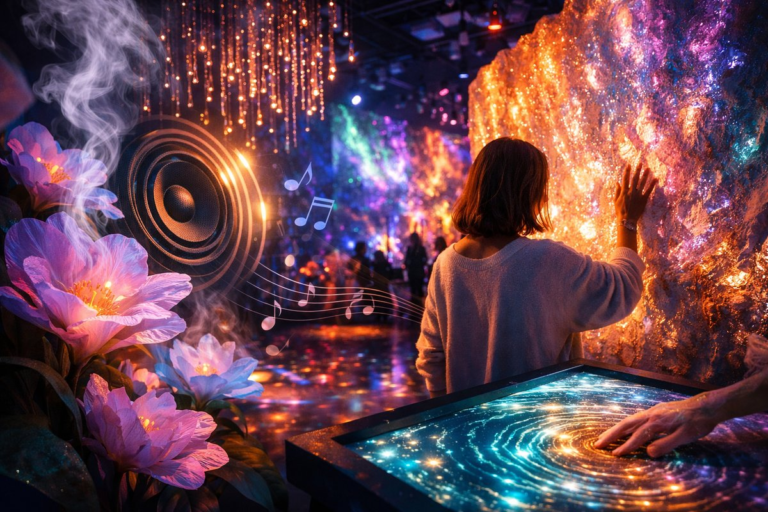
Interactivity pushes the experience further. Touch-sensitive panels invite guests to select moods or playlists that influence light color, water pulse frequency and even nutrient recipe. In some installations, a mobile app lets users draw virtual strokes on a digital mockup; overnight, embedded robotics in the hydroponic grid execute those patterns in real leaves. The boundary between spectator and author blurs as each visitor becomes a caretaker and co-creator, leaving personal imprints on living art.
Early demonstrations of these walls appeared at fringe digital festivals, but recent showings at mainstream design fairs signal wider acceptance. In a coastal pavilion in Rotterdam, one piece invited maritime researchers to introduce coastal species that adapt to salinity, turning the wall into a platform for ecological storytelling. In São Paulo, a version tracked air quality and adjusted its visuals to reflect urban pollution levels, prompting onsite workshops on environmental justice. Each manifestation adapts to regional concerns, proving that living art can be a versatile medium for social and scientific dialogue.
Of course, maintaining a sprawling botanical sculpture comes with challenges. Curators must train in plant care as much as in code debugging. Unforeseen weather changes or minor power blips can stress root zones. Some teams build redundancy through auxiliary pumps, battery backup, and manual override panels. Others embrace unpredictability, framing wilting leaves or overgrowth as part of the narrative arc. Despite the complexities, artists say the reward lies in crafting a truly evolving work that honors both organic life and digital craft.
Looking ahead, designers envision integrating these walls into everyday architecture. Imagine apartment lobbies where residents control the artwork via smartphone taps. Picture office corridors that adjust plant patterns to support circadian rhythms and improve wellbeing. In public transit hubs, living walls could display crowd density data through color shifts in foliage, helping commuters find quieter routes. By anchoring art in the biosphere, these installations could foster deeper connections between people, technology and the living world.
The rise of AI-driven hydroponic art walls signals a shift in how we define artistic material. No longer confined to paint or stone, the medium now encompasses chlorophyll and code, roots and algorithms. Visitors who once walked past blank canvases now linger to contemplate cross-disciplinary creations that pulse with life. As this living code continues to evolve, it reshapes our notion of beauty, sustainability and creative authorship. The next time you encounter a wall that breathes, consider what seeds of innovation took root beneath its surface.