Location
Mount Vernon, WA 98274

Location
Mount Vernon, WA 98274
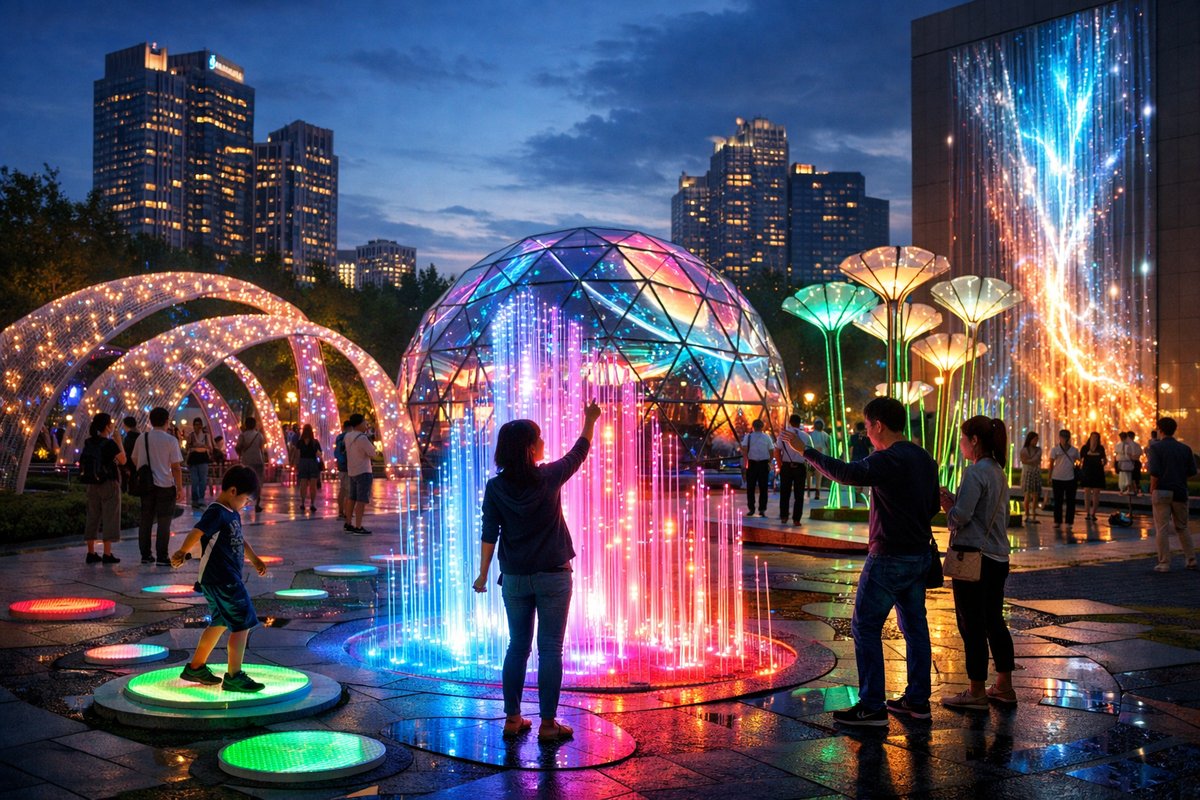
A new generation of public artworks is transforming cityscapes into interactive playgrounds, using motion sensors, LED fibers, and projection mapping to bridge the gap between art and design. These living installations harness sustainable materials and open-source hardware to invite communities into a shared creative experience.
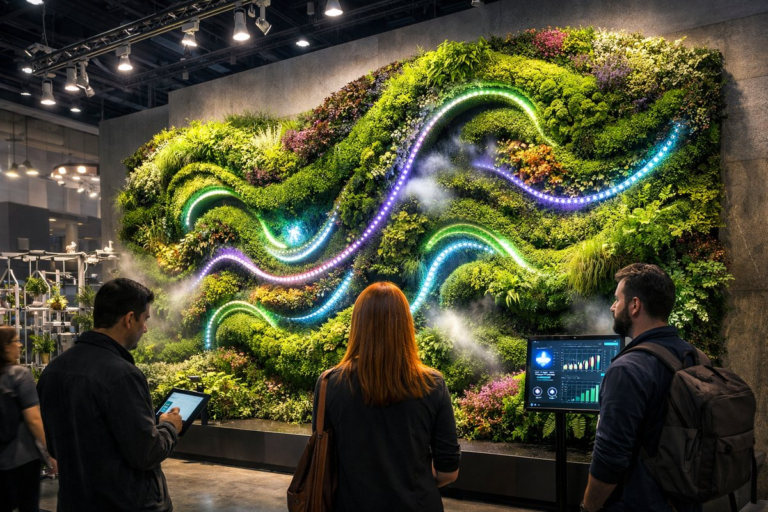
Across plazas, parks, and repurposed industrial spaces, a quiet revolution is reshaping how we experience art. Gone are the days when sculptures sat untouched behind velvet ropes or galleries reserved their treasures for silent contemplation. In their place, artists and designers are weaving together technology and materials-recycled textiles threaded with LED fibers, motion sensors hidden beneath asphalt, projection mapping draped over weathered walls-to create living, breathing installations that respond to every gesture, pulse, and breath of the people who encounter them.
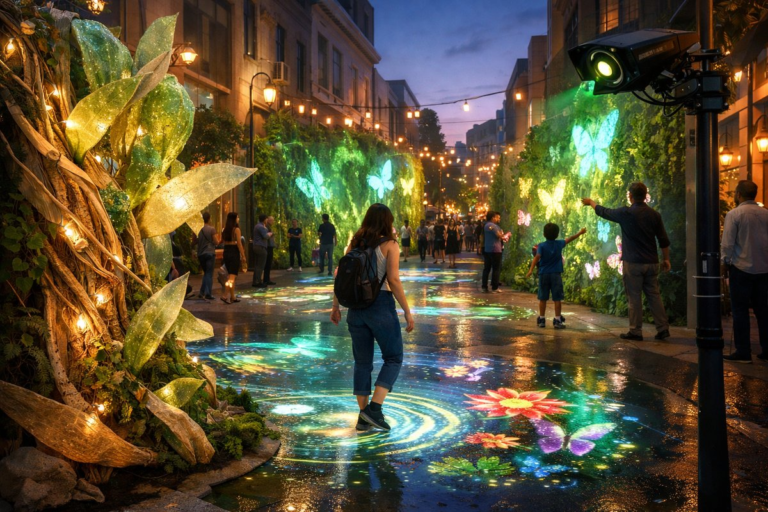
In downtown thoroughfares, one recent project transformed an underused pedestrian corridor into a corridor of light and sound. At nightfall, passersby trigger sequences of color that ripple beneath their feet. Footstep-activated sensors embedded in modular pavers detect each step, sending signals to addressable LED strips sewn into fiber-reinforced fabric panels. As visitors move through the space, gentle waves of emerald and sapphire chase them like digital footprints, dissolving the boundaries between observer and participant.
The lead designer describes the core philosophy behind the work: to foster spontaneous connections. “We wanted to capture the poetry of movement,” they explain. “Every person becomes a co-author of the piece. Their presence, their pace, their curiosity-all of it shapes the visual narrative unfolding before them.” The aesthetic draws on minimalist principles-a nod to concrete architecture of the surrounding city-while the embedded lights and sensors introduce a playful counterpoint that invites exploration.
Sustainability lies at the heart of these experiments. The fabric panels are crafted from reclaimed polyester threads, rescued from discarded banners and tents. The LED strands are low-power, manufactured from recyclable aluminum housings, and run on off-grid power systems. Small solar arrays perched on lampposts recharge batteries by day, ensuring that each evening’s light show leaves no carbon footprint. Even the wiring harnesses use biodegradable insulation derived from plant-based polymers, a nod to material alchemy that honors both innovation and environmental stewardship.
Not every interactive piece relies on light. In a nearby industrial district, an abandoned freight yard now hosts an audio-responsive canopy. A network of suspended modular tiles activates when ambient noise levels rise-conversations, footsteps, and even the distant rumble of traffic coax metal struts into harmonic vibrations. Clustered beneath the tiles, embedded actuators convert sound energy into gentle hums and resonant tones, creating a multisensory tapestry that blurs the line between sculpture and instrument. Visitors discover that by speaking or clapping, they can compose ever-evolving soundscapes that echo off repurposed shipping containers, inviting others to join the performance.
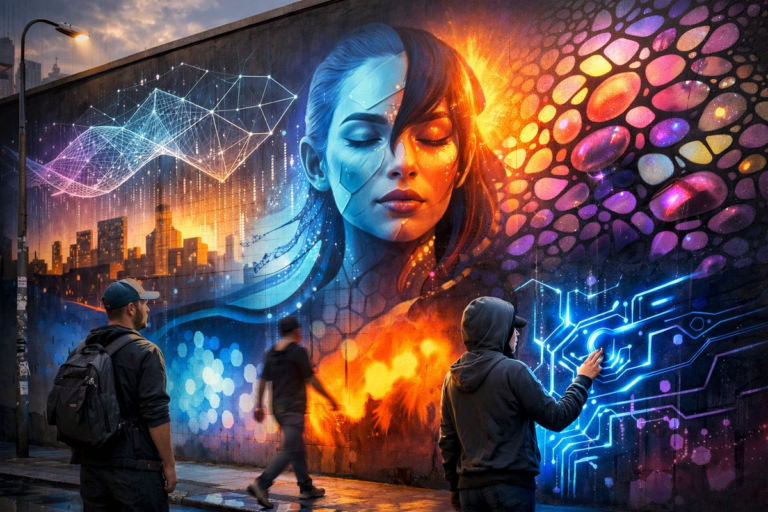
Projection mapping further expands the toolkit of the modern designer. At a waterfront pavilion, a series of weather-resistant projectors cast shifting murals onto corrugated steel walls. By day, the surfaces display archival photographs of native flora; at dusk, a generative program-driven by real-time wind and humidity data-paints geometric blooms that unfurl and recede in cadence with the elements. The installation incorporates open-source environmental sensors, ensuring that every gust, every raindrop, informs the evolving visual spectacle. The result is a living portrait of place, one that pulses with the city’s own natural rhythms.
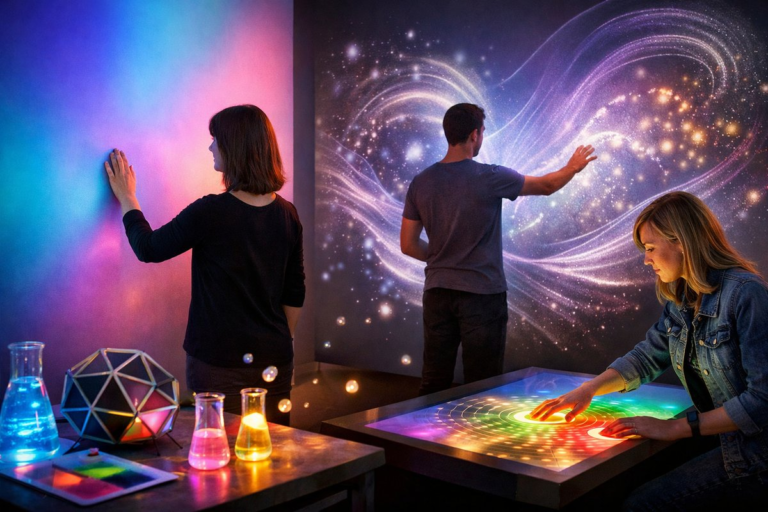
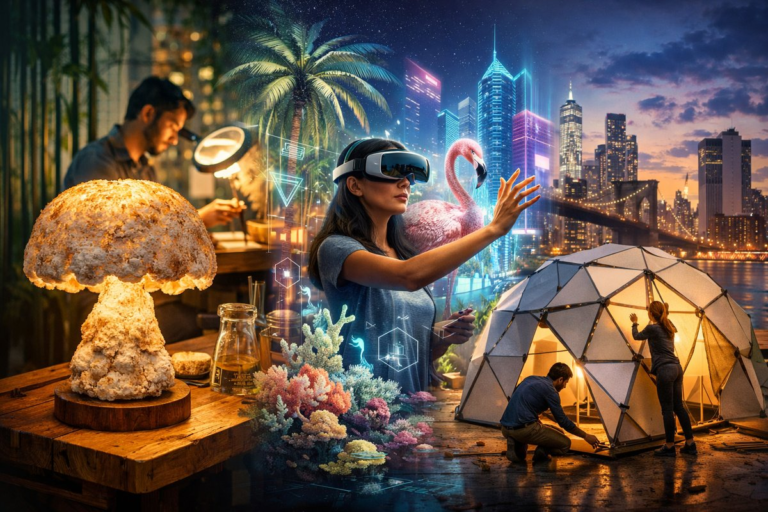
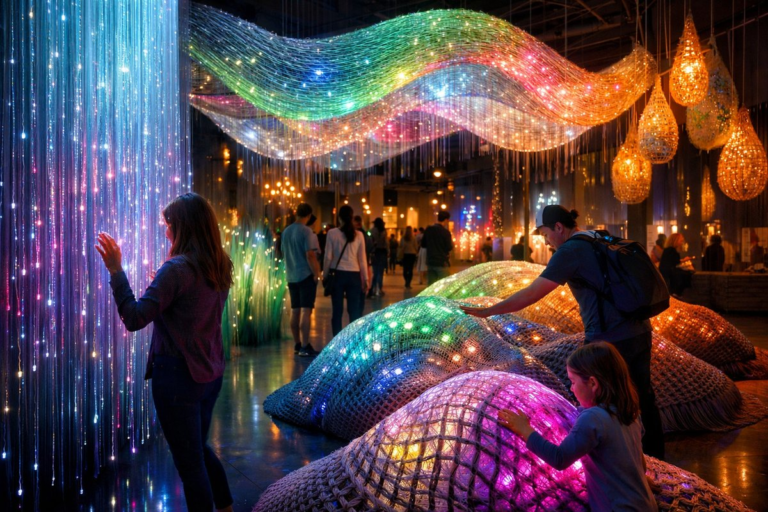
These experiments extend beyond public spaces into galleries and maker labs where prototypes emerge on shared workbenches. Enthusiasts gather for weekend hackathons, building sensor arrays on modular microcontroller boards. They integrate low-latency wireless protocols to synchronize multiple components-LED matrices, interactive projection domes, haptic feedback surfaces-into cohesive ensembles. Among the tools of choice are textile weaving stations that embed fiber optics into cloth, enabling sculptural forms to glow from within. In a single afternoon, novices learn to code basic motion-trigger routines, fashion simple loom-driven circuits, and prototype unified pieces that merge craft with algorithmic logic.
Curators have taken notice. Visitor engagement metrics in experimental design galleries show that interactive works hold attention spans twice as long as static exhibits. Surveys reveal that participants feel a deeper sense of connection-not only to the artwork but to the community that forms around it. Children, especially, delight in the ability to shape visuals with their own bodies, turning exploration into play. For lifelong learners, the open-ended nature of these installations sparks curiosity that extends beyond the museum floor into at-home DIY projects.
One recent community-driven installation exemplifies the social dimension of this trend. Neighbors in a suburban cul-de-sac collaborated on a night-long festival of light and movement, transforming their street into a living canvas. Solar-powered light sculptures sprouted from planters, each equipped with pressure sensors that modulated the intensity and color of overhead LED strips. Podcast stations tucked behind privacy screens invited passersby to record brief reflections, which then played back as auditory triggers for synchronized spotlights. The result was a patchwork of voices, poems, and footsteps that culminated in a collective rhythm-an ephemeral celebration of place and identity.
The accessible price points of modern hardware have fueled this grassroots momentum. Entry-level projection kits, plug-and-play sensor modules, and budget-friendly addressable LED strips can now be found online for less than the cost of a professional paint set. Open-source libraries and instructional tutorials guide beginners through the process of calibrating ultrasonic sensors, customizing color palettes, and integrating mobile-app controls. For artists and designers who once faced steep learning curves or hefty equipment investments, the barrier to entry has never been lower.
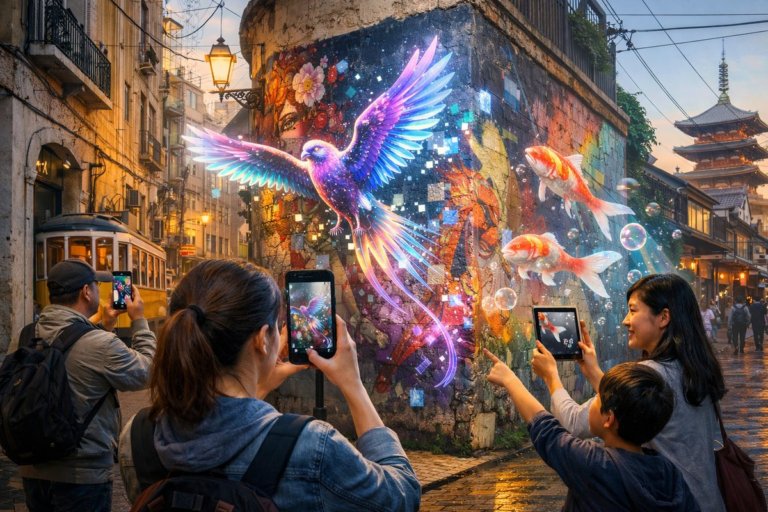
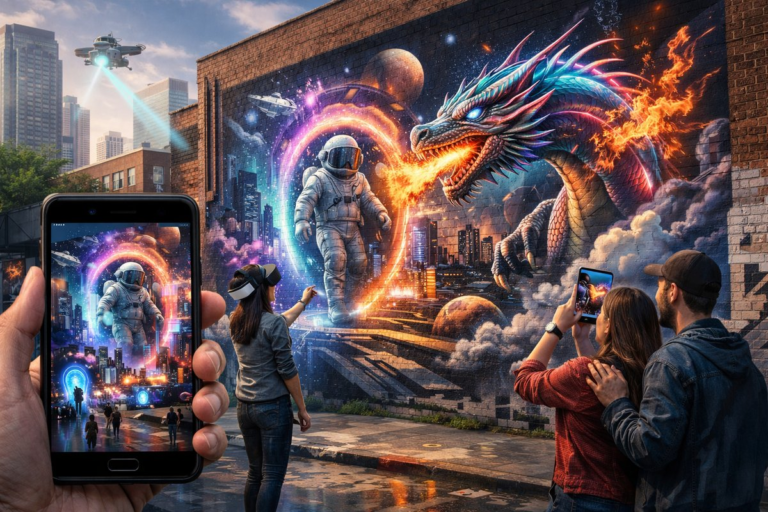
Looking ahead, the intersection of art and design continues to shift with emerging technologies. Augmented reality headsets are already making guest-curated exhibitions that overlay digital sculptures onto gallery floors. Gesture-based interfaces promise to let audiences sculpt holographic forms with a wave of the hand. Generative AI systems are starting to propose color schemes and structural patterns based on environmental data streams. As these tools mature, we can expect new hybrids-sculptures that self-adjust according to pedestrian density, murals that morph in response to social-media sentiment, and wearable art that responds to biometric readings.
What unites these varied explorations is a shared spirit of curiosity and empathy. By inviting audiences to leave the sidelines and become active participants, artists and designers are reimagining the role of public space itself. Whether powered by recycled materials or cutting-edge chips, each installation becomes a living lab of human experience, reflecting back the wonder and unpredictability of our own collective creativity.
For budding practitioners eager to dive in, the toolkit is within reach. Start by experimenting with a small sensor board and an LED strip on a painted cardboard surface. Host a micro-exhibition in your backyard or local community center. Document the process, share code libraries online, and invite others to remix your designs. The true beauty of this moment lies in its openness: a global network of curious minds, each weaving sensors, light, and motion into new expressions of connection. The canvas of the future is alive, and it beckons every one of us to leave our mark.