Location
Mount Vernon, WA 98274

Location
Mount Vernon, WA 98274
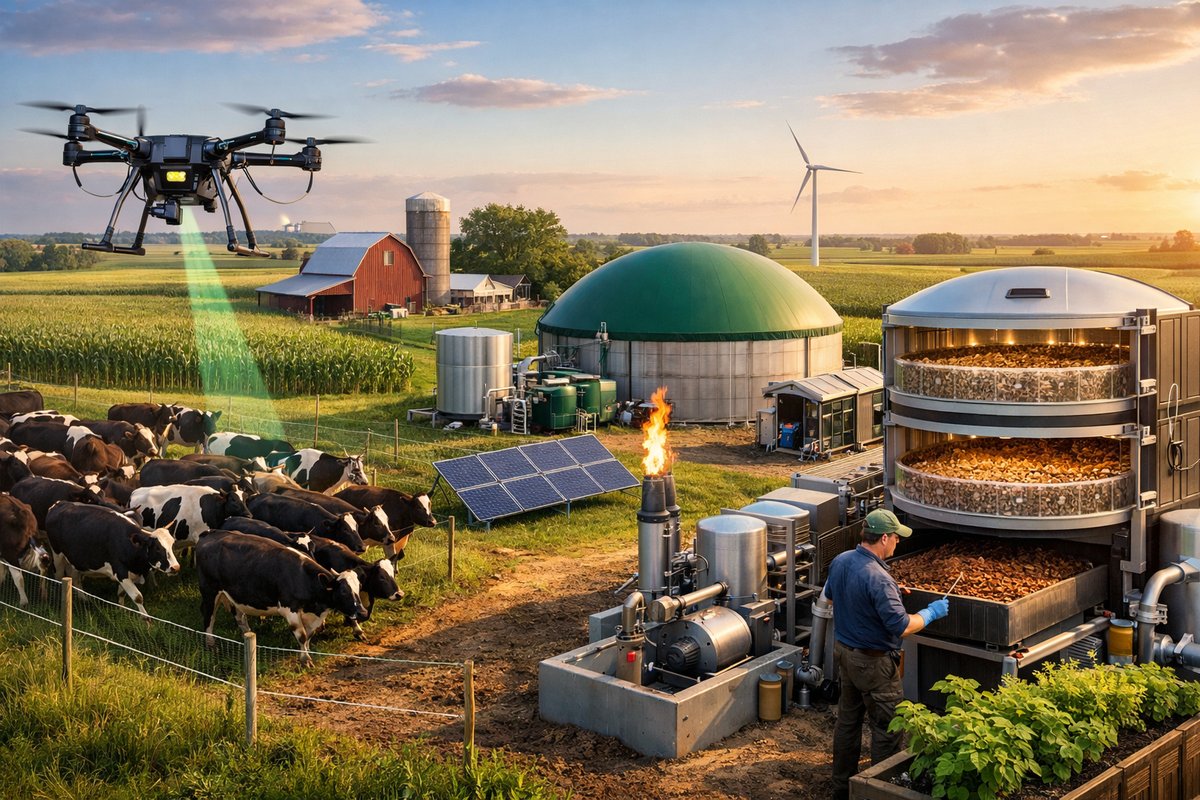
A diversified family ranch in the Corn Belt is piloting an integrated agritech model that pairs drone-guided grazing, on-site insect protein reactors and a mini biogas plant. The modular system aims to shrink methane output, cut feed costs and bolster soil health-a blueprint for sustainable livestock care.
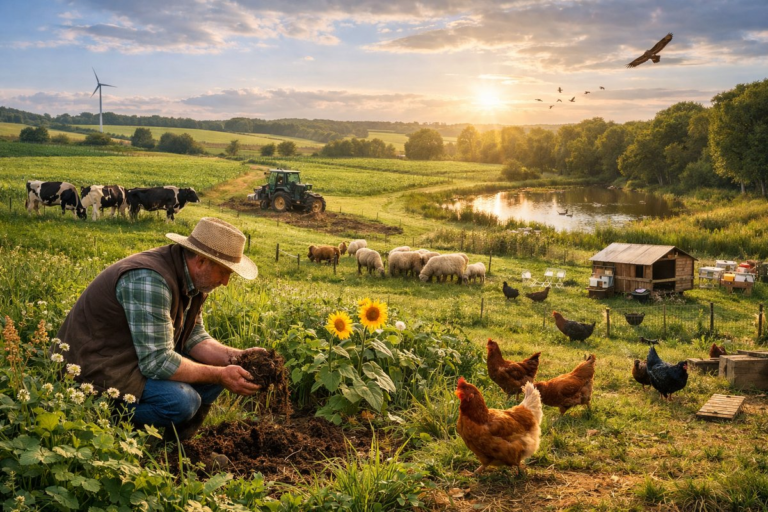
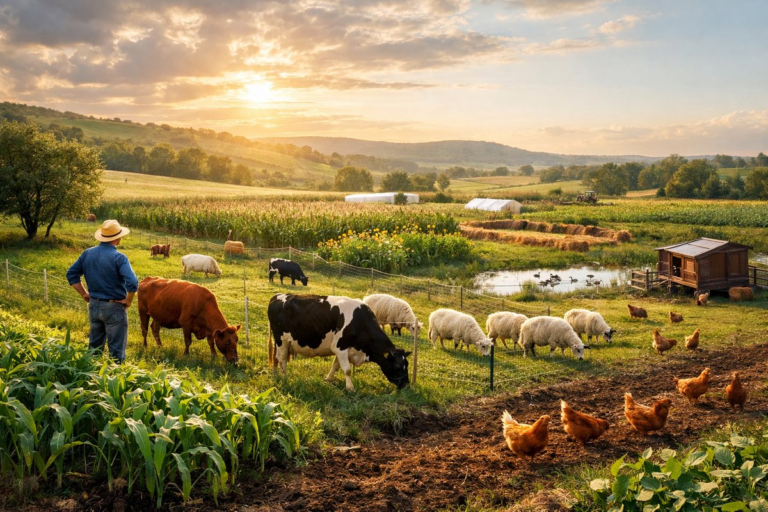
On a rolling pasture outside Des Moines, a third-generation rancher is rewriting the playbook for livestock care. Faced with volatile feed prices and rising pressure to curb greenhouse‐gas emissions, the farm’s owners have rolled out an interconnected suite of low-carbon innovations-drone-driven pasture mapping, rotational electric fencing, on-site insect protein production, a miniature biogas plant and cover-crop seed cocktails. Together, these modules promise to shrink feed costs, boost animal welfare and lock carbon back into the soil, offering a scalable roadmap for livestock operations of all sizes.
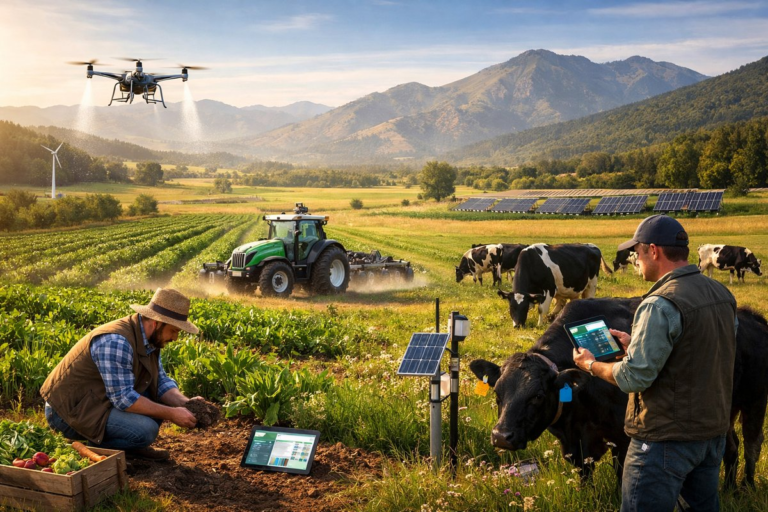
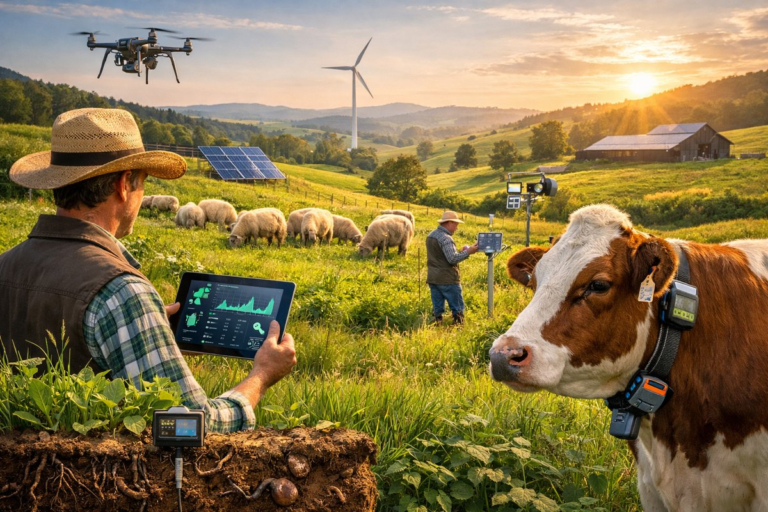
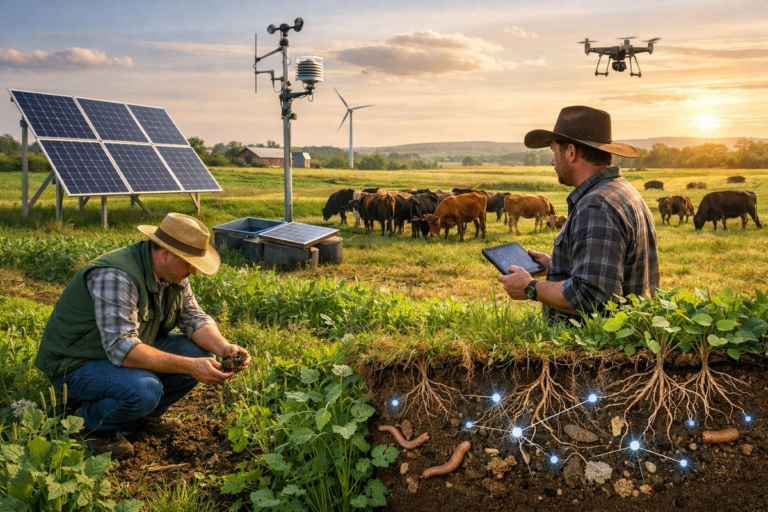
High-resolution pasture mapping used to be confined to satellite imagery or pricey services. Here, a quad-rotor drone fitted with multispectral and thermal cameras flies twice a week, compiling normalized difference vegetation index (NDVI) maps at centimeter-level resolution. “We can see exactly where grass is stressed or overgrazed,” explains the ranch’s agronomist. “That data feeds into our grazing-planning software, so our cows only hit paddocks at peak forage quality.” Pasture layers update automatically on the ranch’s tablet dashboard, guiding fence crews on when to roll portable polywire corridors to fresh ground.
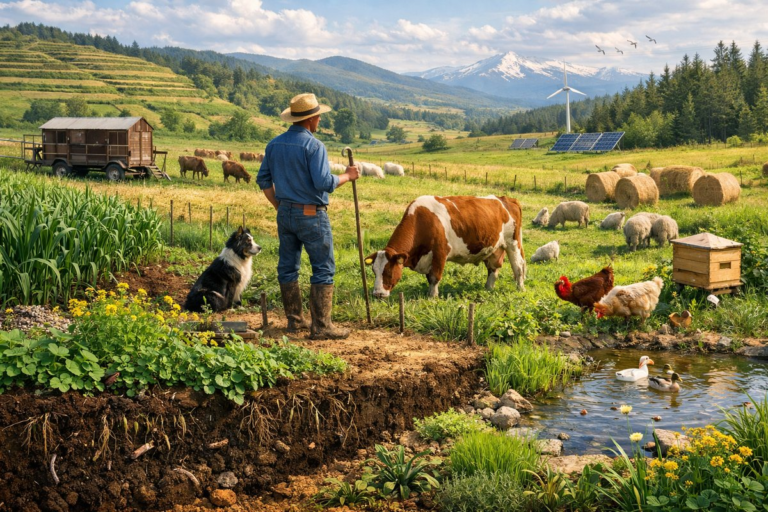
This dynamic fence system is powered by a solar-charged electric energizer, allowing crews to move strips of polywire and portable water troughs every few days. Instead of fencing off all acres at once, the mobile approach keeps grass in full regrowth by resting sections for several weeks. Beyond boosting yields per acre by an estimated 20 percent, rotational grazing enhances soil organic matter, which acts as a carbon sink. The ranch reports that its soil‐carbon index rose by nearly 0.3 percent in the past growing season.
But pasture isn’t the only feedstock innovation on this farm. In a repurposed grain bin, an insect-protein reactor churns out black soldier fly larvae at scale. Manure from the cattle herd is mixed with spent brewery grains to feed the larvae, which in turn are dried and milled into a high-protein meal for chickens and pigs. “We cut our soy imports by about 40 percent,” says the ranch manager, “and we’re diverting waste streams into a circular feed loop.” Lab tests confirm the larvae meal matches conventional fishmeal in amino-acid profile, making it a drop-in replacement in poultry rations.
Raw manure is also routed to a 15-cubic-meter anaerobic digester tucked behind the machinery shed. Inside, a consortium of microbes ferments the slurry, generating methane-rich biogas. Instead of flaring it off, a small upgrading unit scrubs CO₂ and hydrogen sulfide, producing compressed renewable natural gas (RNG). The ranch’s tractors and skid steers now run on on-site renewable fuel, slashing diesel consumption. Excess RNG is piped to the neighbor’s greenhouse heating system, forming a local microgrid that boosts rural energy resilience.
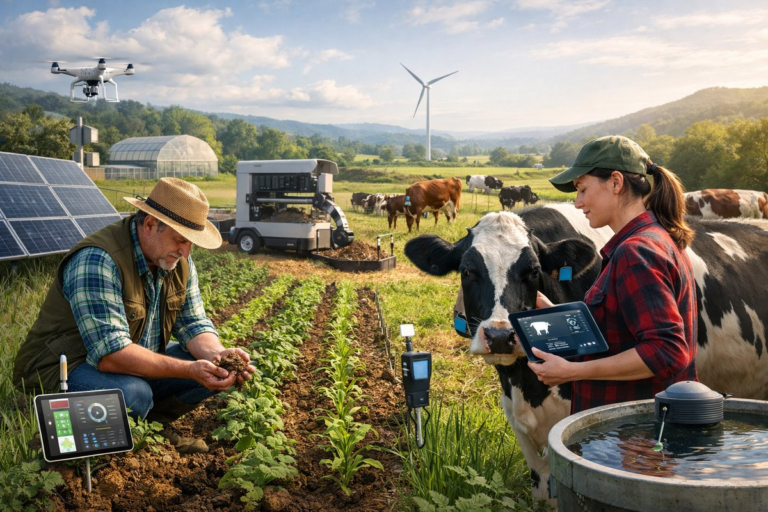
Labor-savvy livestock care extends to the poultry barn, where an autonomous feeding robot on rails dispenses precisely metered feed and water. Sensors track flock weight and activity levels via computer-vision algorithms, alerting staff to any early signs of illness or stress. “We catch issues before they become full-blown outbreaks,” notes the farm’s animal health specialist. Reduced labor demands free the team to focus on data analysis and strategic planning rather than lugging feed bags or hauling water buckets.
Underpinning all these modules is a custom digital dashboard that integrates drone surveys, fence-move schedules, bug-factory yields, gas flows, feed-robot logs and soil-health metrics. A cloud-based analytics engine flags anomalies-like when soil-moisture probes detect compacted zones or when biogas output dips below target-so managers can troubleshoot quickly. Open-architecture APIs allow the ranch to plug in new sensors or third-party ag-apps as technology evolves.
Beyond emissions and efficiency gains, the farm’s holistic approach bolsters resilience to extreme weather. During a late-summer drought, NDVI maps guided the herd to a sheltered creekbottom pasture still lush from early rains. In early winter, cover-crop seed drills injected a blend of radish, rye and clover-known locally as the “Carbon Booster Mix”-to protect soil and feed microbial life. Preliminary tests show winterkill rates down by 15 percent, with subsequent spring emergence up 25 percent.
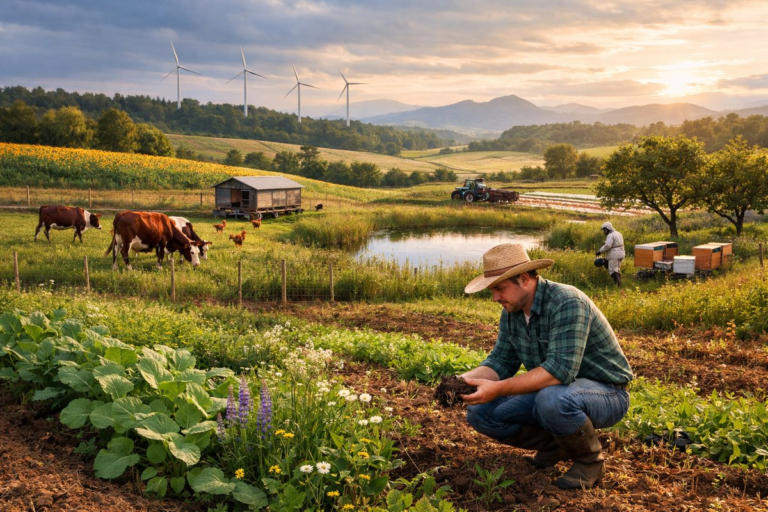
For a livestock operation that once faced razor-thin margins and regulatory headwinds, the modular integration of agritech components has sparked renewed optimism. “We’re still a family farm at heart,” says the ranch patriarch, “but these tools let us manage risk and make real environmental impact.” As demonstration plots and field days bring in curious neighbors, the model is poised to spread across the Corn Belt and beyond. The era of siloed innovations is giving way to systems thinking-where drones, insects, microbes and machines talk to each other in service of healthier soils, happier animals and a cleaner climate.
And while big operations can deploy fancy bespoke rigs, the ranch’s leaders emphasize that each module-an off-the-shelf drone kit, a DIY digester, a mobile fence system-can be adopted independently. “You don’t need a million-dollar grant,” the agronomist insists. “Start small, measure impact, then scale up. That’s how we’ll empower real rural innovation.”