Location
Mount Vernon, WA 98274

Location
Mount Vernon, WA 98274
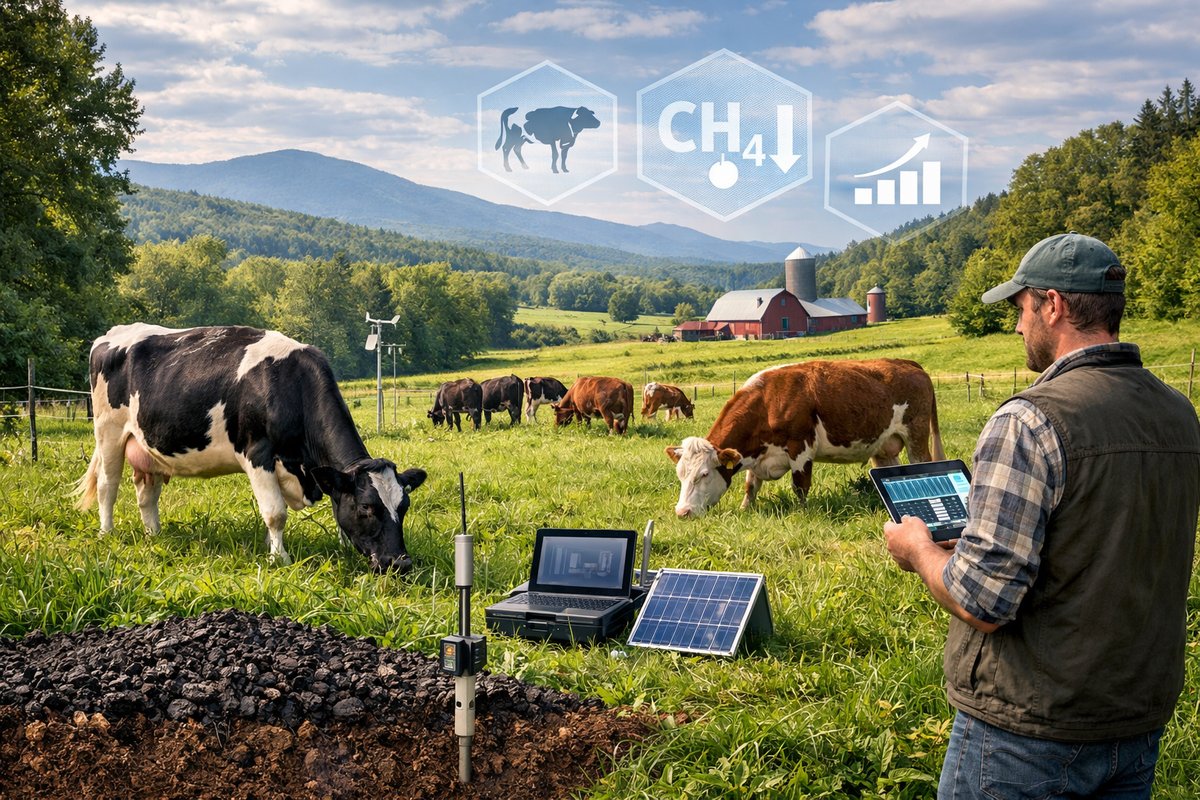
A pilot project in Vermont combines AI-driven grazing patterns with biochar-enriched pasture to cut methane emissions and improve animal health. Early results show a drop in greenhouse gases and stronger weight gains, offering a replicable path for low-impact livestock management.
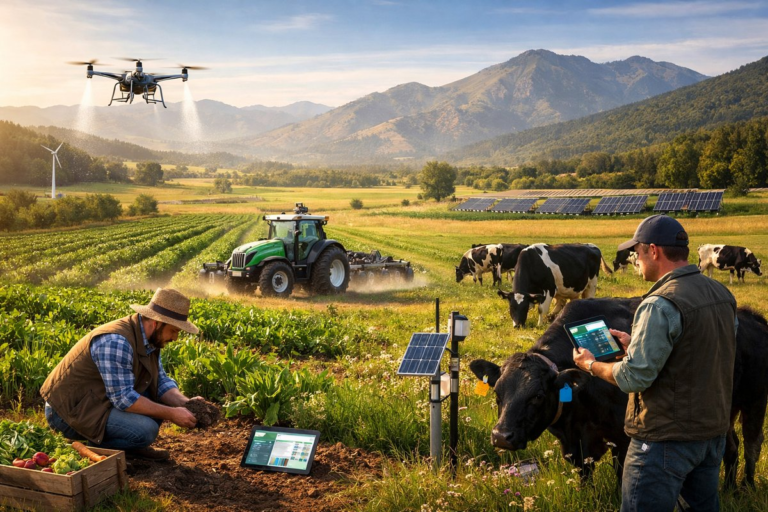
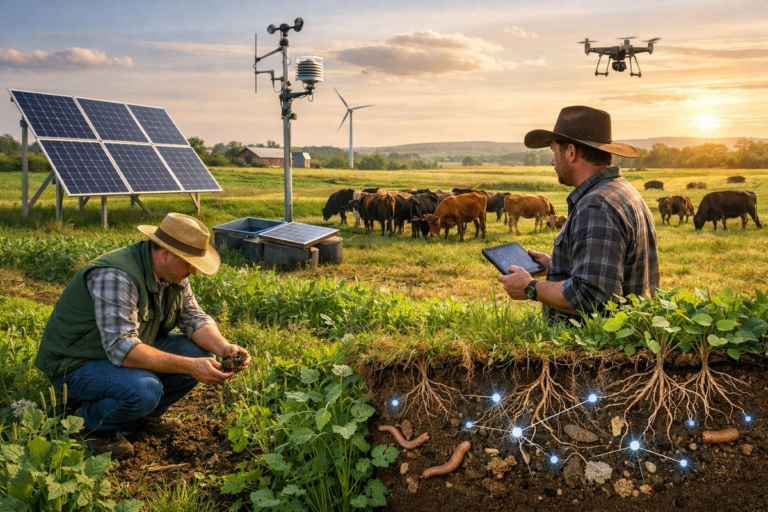
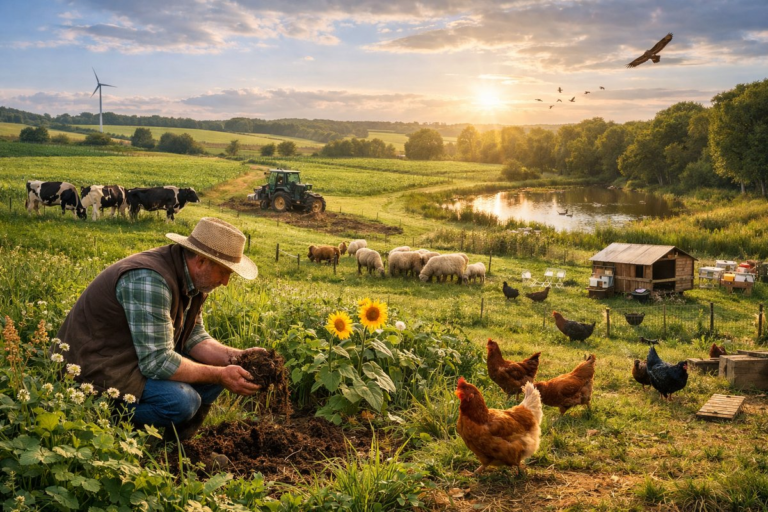
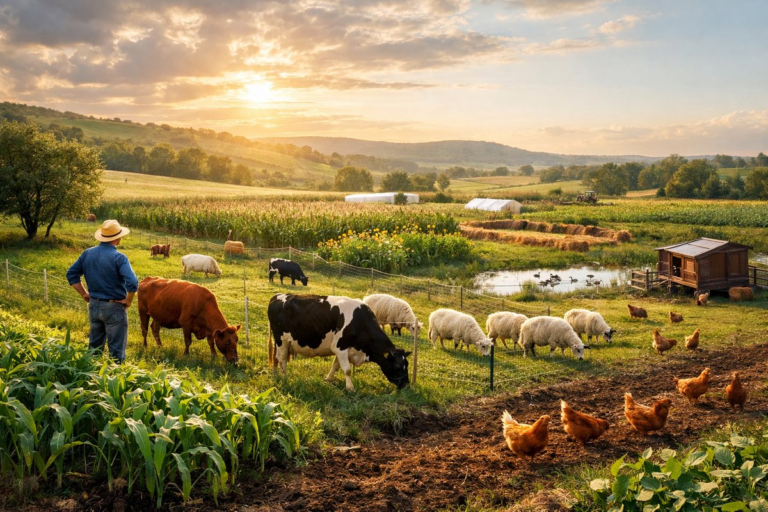
In the rolling hills of northern Vermont, a group of dairy and beef producers have teamed up to launch an ambitious demonstration that blends artificial intelligence, renewable power and carbon-capturing soil amendments. Known as the Green Pasture Initiative, the project uses satellite data, on-cow sensors and solar-powered electric fencing to orchestrate grazing patterns down to the hour. Meanwhile, fields receive applications of fine-grained biochar-a charcoal-like substance that locks carbon into the soil while boosting moisture retention. Farmers say the result is healthier animals, richer soil and a sizable dent in methane emissions.
Livestock farming accounts for nearly 14 percent of global greenhouse gas output, according to estimates from the Food and Agriculture Organization. Methane-produced in the rumen of cattle-has more than 25 times the heat-trapping power of carbon dioxide over a 100-year span. With pressure mounting on agricultural sectors to cut their climate footprint, innovations that draw down carbon and optimize animal health are coming into focus. The Green Pasture Initiative aims to demonstrate how off-the-shelf technology and proven agronomy can be combined into a turnkey solution for mid-sized ranches and family farms.
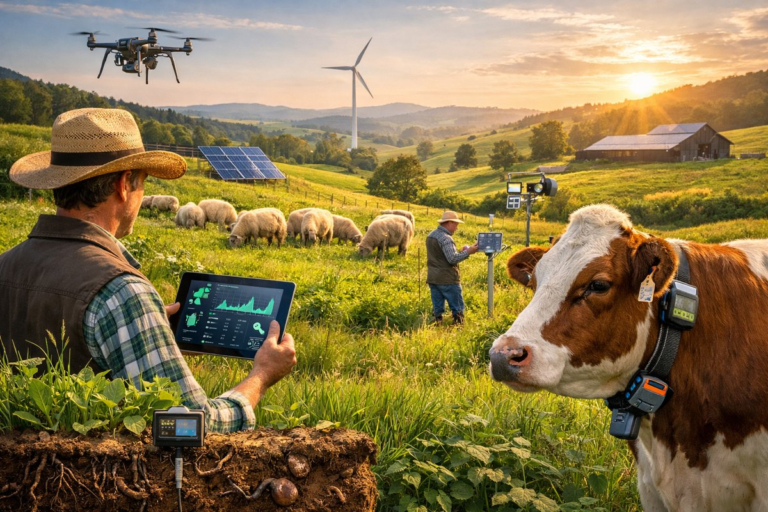
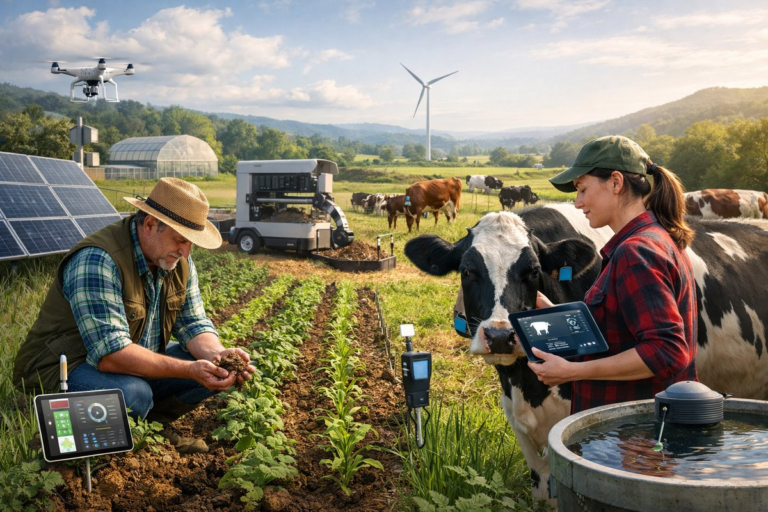
At the heart of the operation is an AI system that processes daily drone imagery, satellite biomass readings and soil moisture maps. A mobile app alerts ranch managers when to shift herds from one paddock to the next in as little as six-hour intervals. Data from GPS-enabled collars worn by individual cows feeds back health metrics-activity levels, grazing duration and rumination patterns. When the algorithm detects suboptimal grazing or heat stress, it triggers notifications to stock hands, who can adjust shade structures, water points or grazing allocations on the fly.
Powering the system is a network of solar panels tethered to electric fence energizers. These units deliver pulses of current to portable mesh fencing, controlling herd movements without manual labor at each gate. Solar charge controllers maintain battery health and send voltage readings to the same dashboard, enabling remote troubleshooting after dusk. For farms with uneven terrain and dispersed pastures, the combination of wire-free panels and cloud-connected fence energizers has cut daily fence rounds in half.
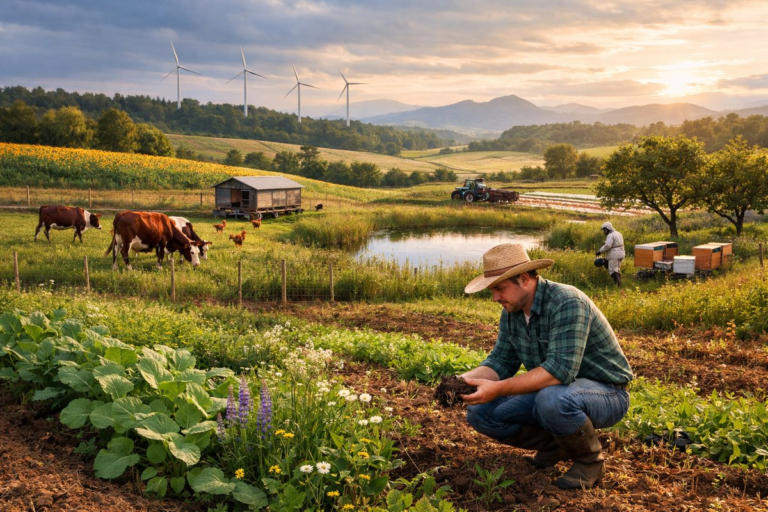
Complementing the tech stack is a regimented soil restoration plan. Once herds move off a paddock, crews apply a tailored blend of biochar and composted manure. Biochar’s porous structure encourages microbial life, sequesters carbon for decades and improves water infiltration-critical in regions prone to summer drought. Soil tests at trial sites have shown organic matter increases of 0.5 to 1 percent within the first year, a gain that translates into higher forage yields and reduced fertilizer needs.
Animal welfare advocates note another advantage: more consistent forage quality reduces digestive upsets and lowers veterinarian visits. The GPS collars also track individual weight gain through predictive modeling. Farmers report a 7 percent bump in average daily gains compared with adjacent control herds. That edge helps farms capture more value per acre and reinvest savings into renewable infrastructure and staff training.
A recent addition to the pilot has been climate-controlled calving sheds outfitted with humidity sensors, automated ventilation panels and infrared mats. These microclimates mitigate heat stress during summer births and maintain warmer floors in colder months. Video analytics within the sheds flag signs of labor or distress, sending alerts to on-site teams for timely intervention. Early data suggest calf mortality rates have dropped by 20 percent compared to pens without environmental controls.
Quantifying methane reduction remains a work in progress, but preliminary methane flux measurements from pasture chambers show a 15 percent decline where biochar was applied and rotational grazing cycles were shortened. Paired with a 10 percent lift in overall weight gain and improvements in soil carbon, the combined effect could help participating farms generate verified carbon credits for sale on voluntary markets. That prospect has sparked interest from regional co-ops exploring coordinated certification programs.
Despite the positive indicators, participants are quick to point out barriers. Upfront costs for solar fencing, remote sensors and calving shed retrofits can run into the tens of thousands of dollars. Learning to interpret AI dashboards and maintain off-grid power systems demands new skill sets, often requiring workshops or partnerships with agricultural universities. To offset expenses, many farms are tapping state-level renewable energy grants, USDA conservation programs and local energy co-op rebates.
Scaling the model beyond enthusiastic early adopters will depend on streamlined financing and shared-equipment co-ops. In Wisconsin, a cluster of beef producers has pooled resources to lease grazing-planning software and rotate a fleet of solar-portable energizers among member farms. By centralizing technical support, they aim to bring down per-farm overhead and foster peer mentoring. Similarly, dairy cooperatives in upstate New York are exploring group purchases of biochar and joint training sessions on precision livestock management.
Cross-sector collaboration has also emerged as a theme. A nearby research institute is testing the use of mycorrhizal inoculants alongside biochar to further accelerate soil carbon capture. A startup borne out of the pilot is developing a low-cost thermal camera that attaches to existing fence posts, providing 24/7 heat maps of grazing livestock without adding wearable devices. These experiments aim to lower the technological threshold for farms without deep capital reserves.
As the Green Pasture Initiative enters its second year, organizers are documenting best practices and cost-benefit analyses, hoping to assemble a playbook for replication in other grazing regions. Planetary pressures-from extreme weather to rising land prices-underscore the need for resilient livestock systems that deliver both economic and environmental returns. If successful, the blend of AI, solar power and carbon-rich soil amendments could redefine what it means to run a low-impact farm, turning each paddock into a mini carbon sink and each herd into a data-driven asset.
What began as a small-scale experiment on a handful of Vermont farms is now drawing attention from agribusiness groups, policymakers and environmental NGOs. With evidence mounting that purposeful technology integration can reduce emissions, enhance animal health and boost profitability, farmers across North America are taking note. The path ahead will require collaboration, smart incentives and continued innovation, but one thing is clear: the future of livestock farming may lie in the seamless fusion of soil science and smart tech, grazing pastures and carbon capture working hand in hand.