Location
Mount Vernon, WA 98274

Location
Mount Vernon, WA 98274
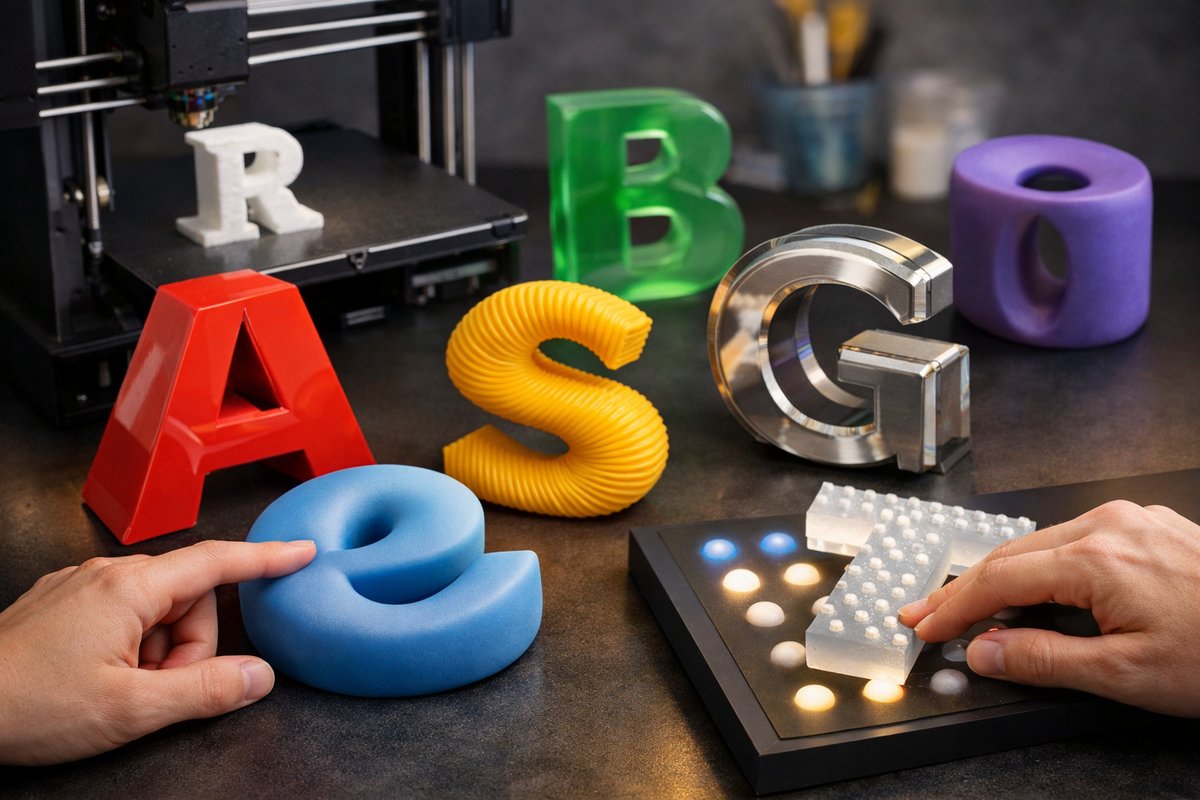
A new wave of artists and designers is transforming letterforms from two-dimensional symbols into fully three-dimensional, touchable sculptures. By blending 3D printing, silicone casting, and interactive feedback, haptic typography invites viewers to feel language as well as read it.
In a starkly lit gallery space, visitors are encouraged to close their eyes and run their fingers along a series of oversized letter sculptures mounted on the wall. Far from the smooth perfection of museum display cases, these forms boast subtle ridges, spiraling filigree, and unexpected textural details. This is haptic typography: an emerging discipline at the crossroads of type design, sculpture, and sensory interaction. By moving beyond purely visual representation, artists are exploring how touch can convey nuance, emotion, and meaning in ways that ink on paper cannot.
The roots of haptic typography trace back to experiments with braille and tactile signing systems for the visually impaired. Over the past decade, however, advancements in digital fabrication tools-especially desktop 3D printers and accessible CNC routers-have democratized the production of letterforms with complex geometries. No longer limited to flat, planar shapes, designers can now generate lettering that twists, folds, or even bends like living tissue. In turn, these physical typographic experiments have begun appearing in galleries, public installations, and interactive brand experiences worldwide.
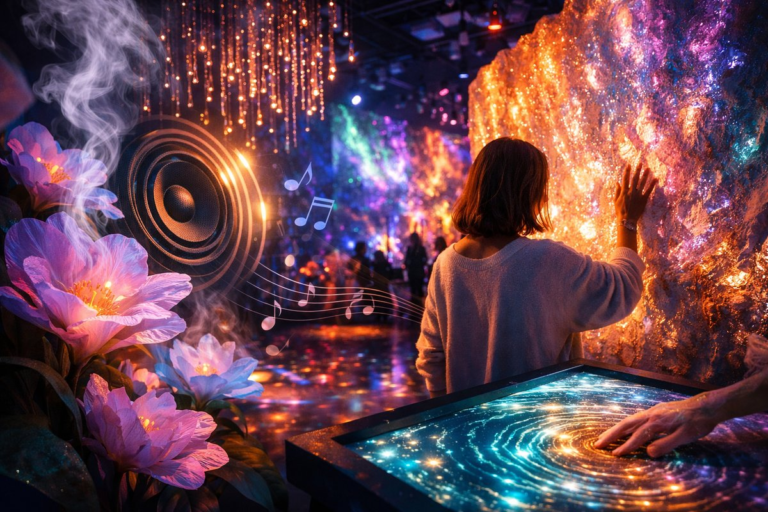
One of the most compelling aspects of haptic typography is its emphasis on emotional resonance. In a recent exhibit at a converted warehouse, a series of seven massive, hollow wooden letters formed a corridor spelling out a single phrase. Through embedded speakers, each letter emitted an ambient tone tied to the tactile feel of its surface-grainy grooves hummed like wind through pine needles, smooth curves resonated like the body of a cello. Visitors described a visceral reaction: they not only saw and touched the letters but also “heard” their textures, forging synesthetic connections that lingered long after leaving the space.
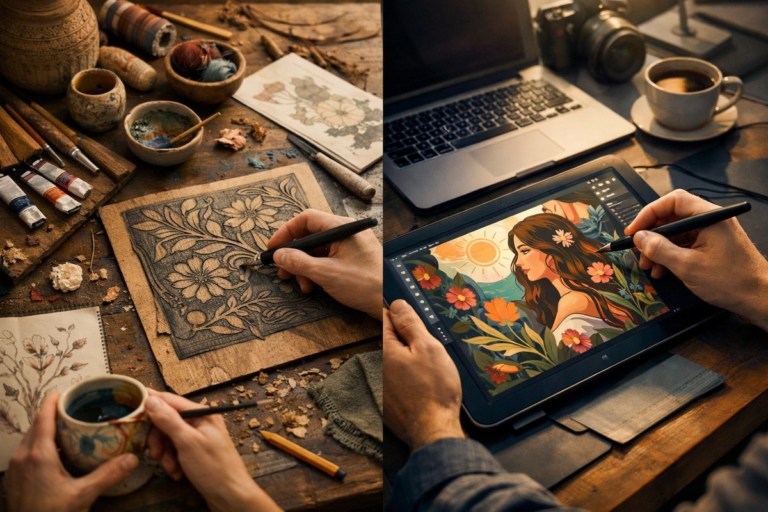
To achieve these multisensory effects, practitioners lean on a blend of old-school crafts and cutting-edge technologies. The design process typically begins in 3D modeling software, where letterforms are manipulated as organic volumes rather than flat outlines. Using parametric controls, artists can map patterns-fractals, waveforms, or even recorded data sets-onto the surface of each form. Once satisfied with the shape, they export the model to a desktop 3D printer, often choosing PLA or PETG filament for its ease of use and predictable behavior.
After printing, many creators apply silicone or resin coatings to refine texture and color. Silicone molding kits allow fine-tuning of surface details, capturing every ridge and indentation faithfully. Some artists embed flexible electronics-pressure sensors linked to microcontrollers-beneath the surface, transforming static letters into responsive objects that glow, vibrate, or emit sound when pressed. These responsive typographic sculptures blur the line between object and interface, inviting viewers to become participants in the reading experience.
Beyond galleries, haptic typography is finding its way into public art and experiential retail. A recent installation in a coastal city features a series of giant letterforms planted in the sand, spelling out a neighborhood slogan. Over weeks, waves and wind gradually eroded the softer edges, while passersby traced their fingers along the changing surfaces. The work becomes a living diary of interaction, weather, and time. In another example, a boutique hotel lobby offers guests a tactile guestbook: a metal letterpress set with oversized slug type that can be rearranged to spell messages of hospitality, solidarity, and reflection.
Critics of highly technologized art sometimes worry that the novelty can overshadow concept. But many haptic typographers are attentive to sustainability and ethical sourcing. Some collaborate with local woodworkers to carve master molds by hand, while others experiment with biodegradable bioplastic filaments made from corn starch or algae. The materials choices themselves become part of the message: a letter formed from reclaimed driftwood carries the legacy of every tide, while a bioplastic word reminds us of the cycle of growth and decay in nature.
As this field gains momentum, educational programs in art and design schools are beginning to offer specialized workshops on tactile communication. Students learn to translate linguistic properties-weight, rhythm, and tone-into physical attributes: thickness, undulation, and hardness. One graduate project asked participants to pre-select an emotion like joy or melancholy, then design and fabricate a letter that embodied that feeling through tactile cues alone. Peer critique sessions took place blindfolded, ensuring feedback focused exclusively on touch.
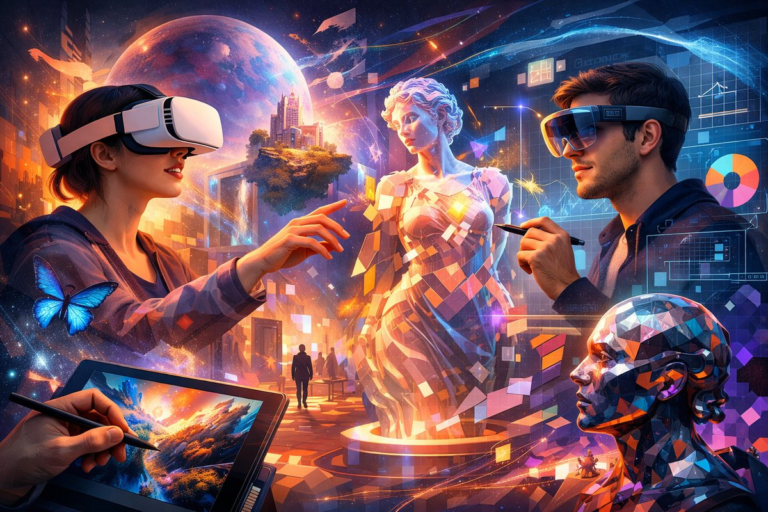
Looking ahead, the convergence of haptic typography with augmented reality promises even richer possibilities. Imagine donning a lightweight headset and seeing a 3D text hologram floating in midair, then stepping forward to feel its virtual contours through a haptic glove. That fusion of sight and touch could redefine accessibility, storytelling, and brand engagement. Even without headsets, simple smartphone-activated projections could add dynamic color shifts or animated gradients atop sculptural letters, giving each word an ephemeral second skin.
Ultimately, haptic typography underscores a deeper truth: language is not confined to the invisible. By bringing letterforms into the realm of the tangible, artists invite us to re-examine every aspect of communication. We find ourselves pausing to feel the curve of a vowel, the angularity of a consonant, the cool slide of a curve or the warm tickle of an etched pattern. In doing so, we awaken dormant senses and rediscover language as an embodied act. As these explorations continue to evolve, the simple act of reading may soon become an immersive, multisensory ritual that delights the eyes, the hands, and the imagination alike.