Location
Mount Vernon, WA 98274

Location
Mount Vernon, WA 98274
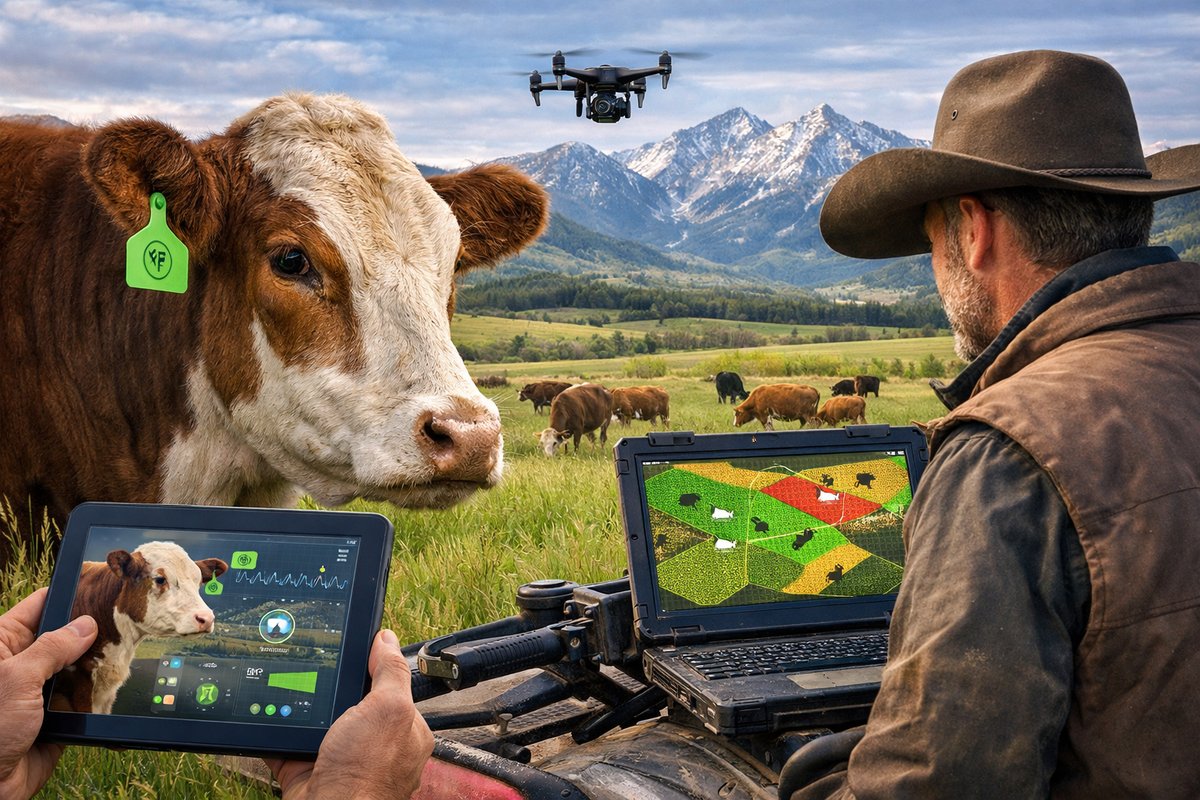
A coalition of ranchers in the Rocky Mountain region has launched a pilot program combining biodegradable RFID ear tags with AI-powered pasture mapping. Early results show gains in animal health, pasture resilience, and traceability, paving the way for a new era of sustainable livestock farming.
A group of ranchers across Colorado and Wyoming has rolled out a groundbreaking pilot that pairs eco-friendly livestock tracking with artificial intelligence for pasture planning. The Sustainable Grazing Innovation Consortium, formed earlier this year, is using biodegradable RFID ear tags to monitor individual animal movements, health indicators and grazing patterns. Data gathered by drones and satellite imagery is processed by AI algorithms to optimize rotational grazing schedules and improve pasture recovery.
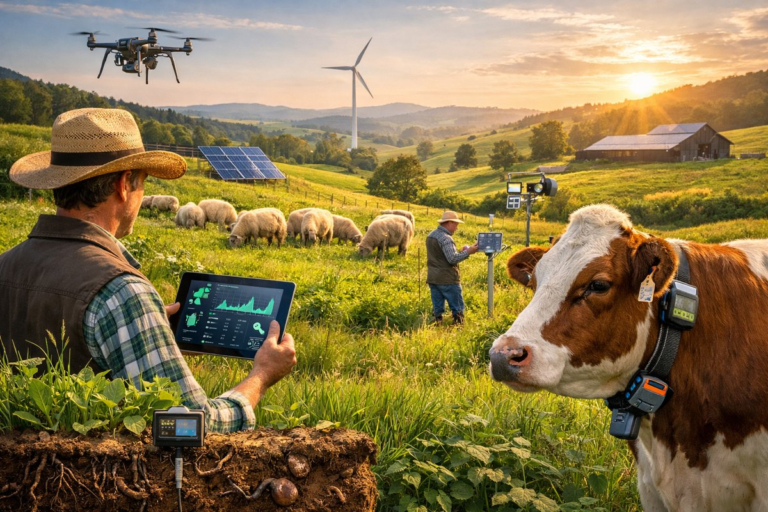
For decades, livestock producers have relied on plastic ear tags and manual record-keeping to monitor cattle and sheep. While effective, conventional tags create environmental waste and require labor-intensive inspections. The pilot’s biodegradable tags dissolve naturally in soil once they come off an animal’s ear, reducing plastic pollution. Each tag houses a tiny RFID chip that transmits unique identification codes to handheld readers as animals pass through sorting chutes or water points.
“We wanted to close the loop on waste,” says a third-generation rancher participating in the program. “Plastic tags end up in landfills or stuck in soil for years. These new tags drop into a compost mix when an animal loses one, and within months they break down without a trace.” Ranch managers scan tag readings to track grazing time per paddock, travel distances and clustering behaviors that can indicate stress or disease onset.
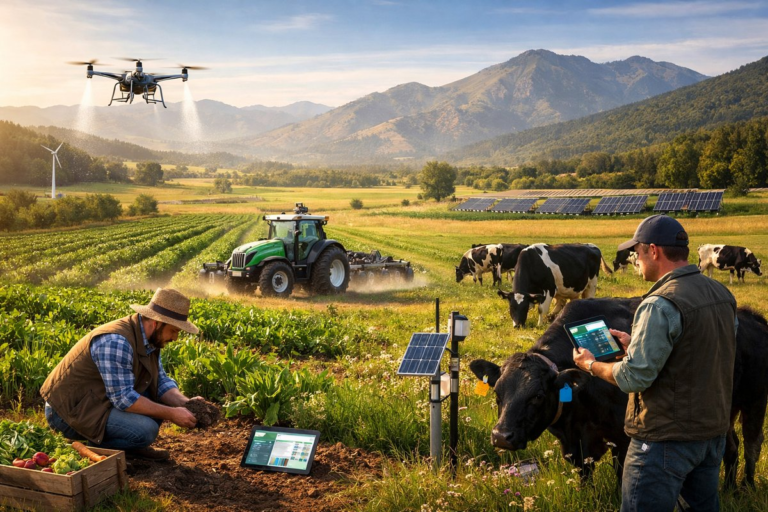
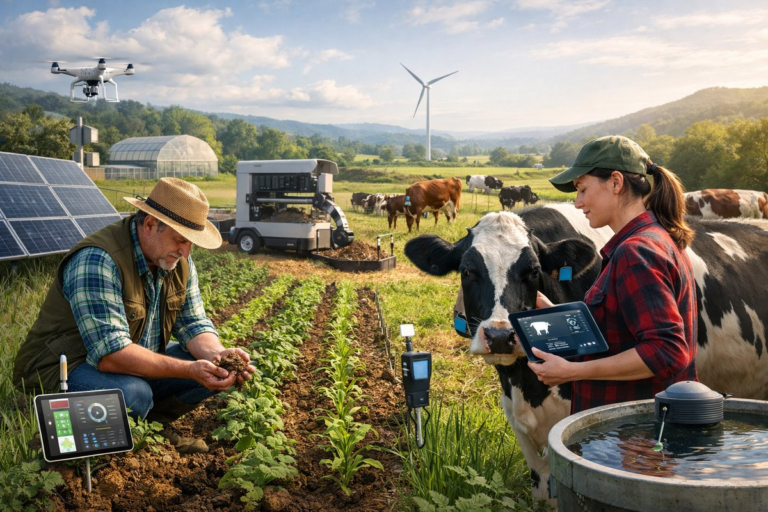
Complementing the ear tags, the consortium uses drones equipped with multispectral cameras to capture pasture conditions weekly. Vegetation vigor, bare-soil exposure and moisture levels are fed into an AI platform that recommends when to move herds, rest paddocks or reseed vulnerable areas. Automated alerts notify ranch hands via mobile app when a paddock is ready for grazing or overdue for recovery.
Early data from the pilot suggest a 12 percent increase in average daily weight gain among Angus steers, attributed to more timely moves that prevent overgrazing. Pasture biodiversity also improved, with native grasses and legumes recovering 20 percent faster in rested paddocks. Soil compaction decreased as animals spent less time crowding near water sources, thanks to newly installed solar-powered remote water troughs that encourage more even pasture use.
To enhance animal welfare, the tags are integrated with a hoof-health monitoring system. When cattle step onto a pressure-sensitive walkway at the chute, weight distribution data is linked to each RFID tag. AI models analyze gait irregularities to flag early signs of foot rot, laminitis or injuries. Ranch hands receive alerts if cows exhibit uneven pressure patterns, allowing swift veterinary intervention before conditions worsen.
Traceability is another benefit. The consortium has partnered with a regional meat cooperative that honors pasture-raised, low-carbon beef. Biodegradable RFID tags record turnover dates and paddock histories for each animal. At processing, a record accompanies every quarter cut, enabling consumers to scan a QR code for a detailed timeline of where the animal grazed, how long it rested between paddocks and even rainfall patterns during its lifespan.
“This level of transparency builds trust,” explains a cooperative spokesperson. “Buyers want to know their meat’s environmental footprint and animal welfare standards. Our pilot delivers that data without adding plastic waste to the ecosystem.” Early retail partners report higher price premiums for cuts accompanied by digital pasture passports.
The project also fosters local innovation. A nearby university’s agriculture department contributed open-source AI models, while a technology startup manufactured the biodegradable polymer housing for the tags. Ranchers invested in the initial hardware but share data openly to refine algorithms as more farms join. Next spring, the consortium plans to welcome participants from Montana and Oregon.
Cost analysis shows that the combined system pays for itself within two grazing seasons. Savings arise from reduced feed waste, fewer veterinary bills thanks to early disease detection, and improved pasture productivity that delays reseeding costs. Additional revenue streams come from premium branding and carbon offset programs tied to regenerative grazing practices.
One pilot ranch reports cutting feed costs by 15 percent after adjusting herd rotations based on pasture vigor maps. Another has documented a 30 percent decrease in soil erosion along creek banks through better herd distribution and longer rest periods for sensitive riparian zones. The solar-powered troughs, retrofitted with sensors, remind ranchers via text when pumps need maintenance or battery voltage drops.
Looking ahead, the Sustainable Grazing Innovation Consortium hopes to integrate soil eDNA testing into the platform. By regularly sampling soil microbial communities, ranchers can monitor soil health indicators like nitrogen-fixing bacteria levels. Future AI enhancements aim to correlate microbial shifts with grazing patterns, informing seed mixes that foster beneficial microbes and deep-rooted grasses for carbon sequestration.
A demonstration week in June drew dozens of neighboring producers to witness live drone flights, sensor installations and tag exams. Attendees praised the modular design: farms can adopt individual components-drones, ear tags, water sensors-before integrating the full suite. This flexibility accommodates operations of all sizes, from family-run ranches to larger cooperatives.
Environmental groups have taken note. A local watershed council is evaluating how rotational grazing data can inform stream restoration efforts. Conservation organizations are also exploring incentives for ranchers who adopt the system, offering grant funds for initial hardware purchases.
Despite the momentum, challenges remain. Tag longevity must be balanced with decomposition rates, and some ranchers worry about relying on high-tech tools in remote areas with spotty connectivity. To address those concerns, the consortium provides offline data caching options and solar charging kits for handheld devices. Field trials of satellite-based connectivity boosters are underway as well.
Ultimately, the pilot represents a shift toward data-driven stewardship on the range. By harnessing AI, renewable energy and biodegradable materials, ranchers are crafting a more resilient livestock industry. If scaled broadly, these innovations could redefine how meat reaches tables-from tracking animal welfare to preserving prairie ecosystems.
As one participant concludes, “We’re not just raising cattle; we’re nurturing a living landscape. Technology helps us learn from the land in real time. That’s the future of sustainable ranching.” The pilot continues through the fall, with a comprehensive progress report and open-source toolkit expected early next year. For now, the first wave of data points to a greener, smarter model of livestock management that keeps both animals and ecosystems thriving.