Location
Mount Vernon, WA 98274

Location
Mount Vernon, WA 98274
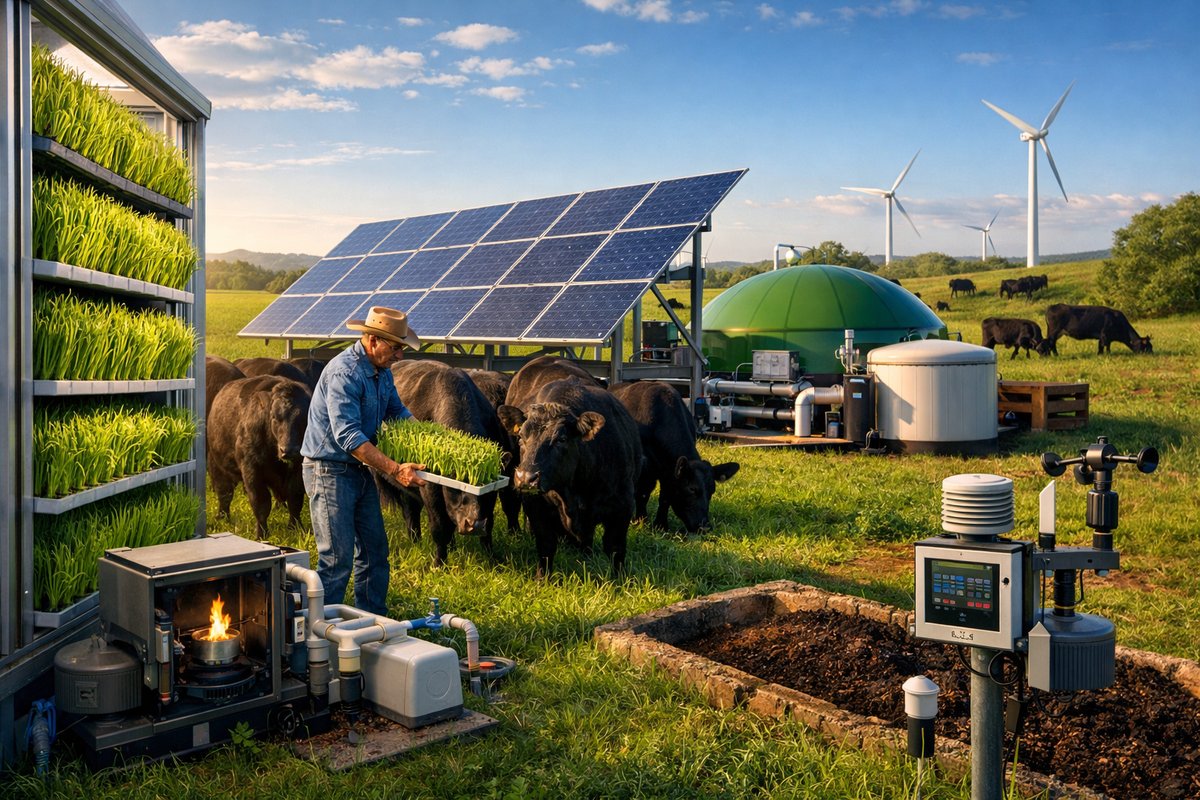
A collective of Midwestern ranchers has launched an integrated pilot blending solar power, IoT sensors, hydroponic fodder and small-scale biogas to improve animal welfare, boost yields and sequester carbon on pasture. Early results suggest a model that could reshape livestock operations worldwide, blending tradition with cutting-edge technology.
Prairie Horizon Cooperative in central Kansas has just unveiled a bold pilot program that layers renewable energy, precision monitoring and regenerative practices onto a century-old tradition of grazing livestock. Faced with rising feed costs, extreme weather swings, and growing pressure to lower greenhouse gases, this group of ten family-run ranches decided to pool resources and test a fully integrated system designed to keep animals healthier, pastures greener and emissions in check.
At the heart of the pilot is a network of step-in fencing posts and solar electric fence energizers that let ranchers rotate herds through multiple paddocks with minimal labor. By moving cattle every few days instead of confining them to a single field for months, they encourage pasture regrowth and break parasite life cycles. Each temporary fence line can be set up in under ten minutes, powered by a compact solar unit that runs for up to two weeks on a single charge. Ranch manager Erin Delgado says the flexibility has cut labor on fence moves by nearly half.
Behind the scenes, a hydroponic fodder growing kit installed in an unused barn bay produces fresh barley grass and wheat sprouts year-round. Instead of trucking in hay during winter storms, the system delivers nutrient-dense feed in seven days, cutting storage losses and keeping protein levels high. Early data show a 25 percent drop in supplemental feed costs, while calves and dry cows exhibit improved weight gain. The cooperative plans to double its hydroponic capacity before spring breeding season.
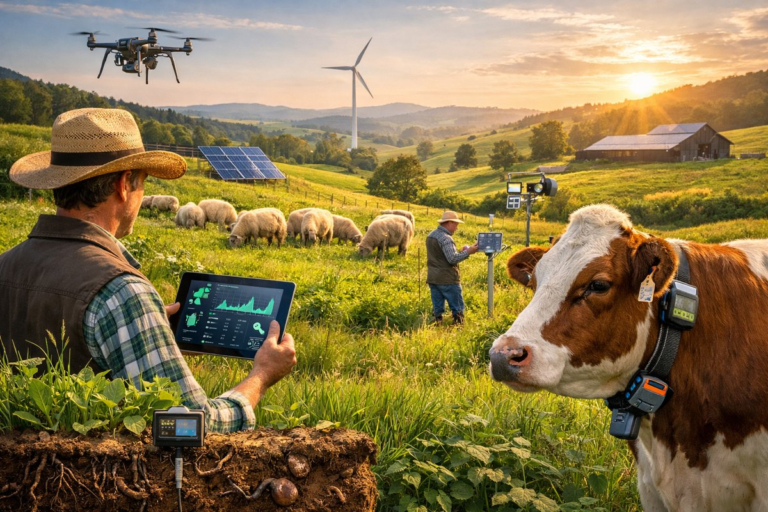
Complementing feed production is a network of wireless livestock ear tag readers and Bluetooth-enabled health sensors. Ranch staff walk pens with handheld devices that scan RFID tags, logging each animal’s temperature, movement patterns and heart rate variability. Cloud-based analytics flag early signs of illness or heat stress, prompting targeted interventions. Improvements in early disease detection have reduced antibiotic use by 15 percent, boosting both herd health and trust with local meat processors.
Tucked behind the feed system is a home-scale biogas digester kit that processes manure from three separate barns. As slurry ferments, it generates enough methane to fuel on-site cooking and provide supplemental heat to the hydroponic bays. Digestate by-product returns to paddocks as a slow-release organic fertilizer, strengthening soil biota and boosting carbon content. Initial measurements show a 12 percent increase in soil organic matter across trial plots after just one application season.
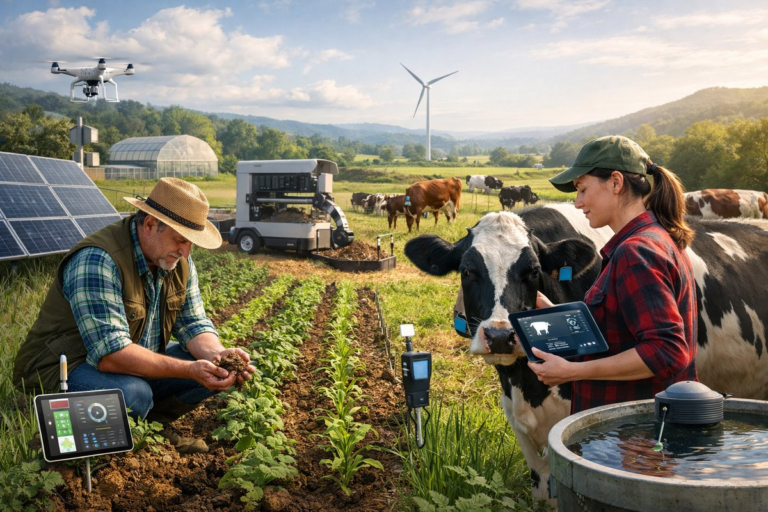
Solar-powered water pumps feed livestock troughs in distant corners of the sprawling pastures. Submersible units draw from ponds and cisterns, delivering up to 500 gallons per day without grid dependency. With battery backup, each pump keeps water flowing through overcast periods, eliminating reliance on diesel generators and reducing operating costs. Ranchers report that even in February freezes, water availability has remained uninterrupted.
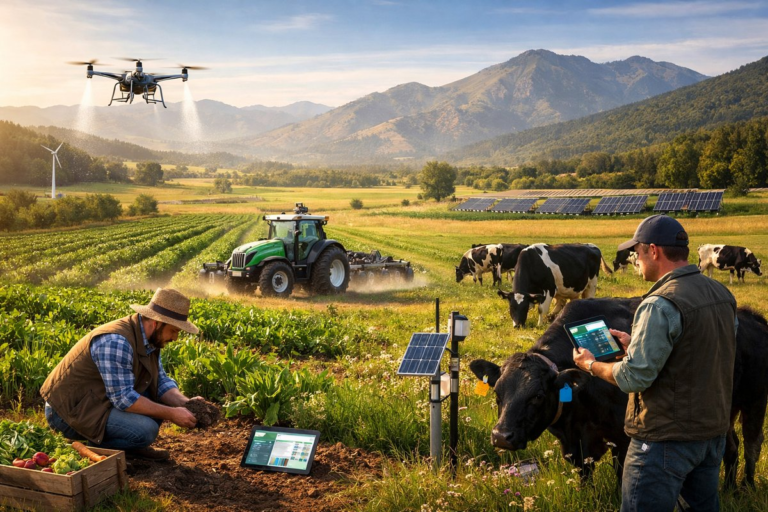
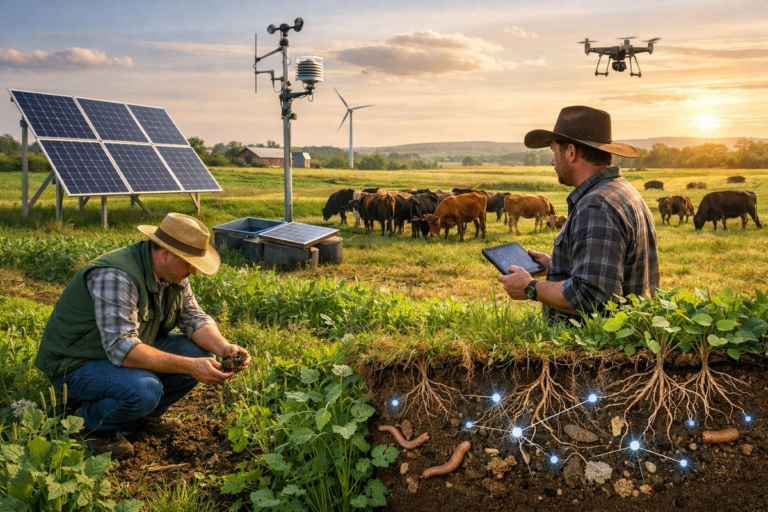
To track soil health and carbon sequestration, the cooperative partnered with a university agronomy lab to sample fields every quarter. Using soil moisture sensors and remote spectral imaging from low-flight drones, they map pasture vigor and detect nutrient imbalances. These insights guide variable-rate seeding and organic amendments, keeping grasses resilient and productive. Data so far indicate that rotational grazing paired with cover cropping can sequester up to 1.2 metric tons of carbon per acre annually.
The pilot’s holistic approach has yielded promising numbers. Total feed costs are down by 20 percent, water usage per head has fallen by 30 percent, and methane captured in the digester offsets nearly half of the ranch’s heating needs. Animal weight gains have improved by 8 percent compared to adjacent conventional herds. Perhaps most compelling, the cooperative has enrolled in a voluntary carbon credits program, generating potential revenue streams for sequestered soil carbon.
Adapting to new tools has not been without its hurdles. Initial investment for solar farms, fencing systems and monitoring gear ran into the tens of thousands of dollars per ranch. Learning to operate biogas equipment and interpret sensor data required training workshops and technical support. Some veteran ranch hands resisted at first, wary of replacing familiar routines. But peer-to-peer learning within the cooperative has fostered trust and accelerated adoption.
As the pilot moves toward its second year, several ranchers have ordered additional fencing posts and expanded their hydroponic footprints. Plans are underway to install an off-grid battery bank to store excess solar power for evening lights and equipment charging. The cooperative is also developing an open-source dashboard so other livestock producers can access real-time benchmarks and best practices without hefty subscription fees.
Beyond the numbers, participants say the new model has restored a sense of pride and optimism. Working together, they are proving that large-scale livestock operations need not come at the expense of environmental health. Instead, strategic investments in renewable energy, regenerative soil management and digital monitoring can secure both pasture productivity and climate resilience.
Prairie Horizon’s pilot arrives at a time when livestock producers worldwide face calls for reduced emissions and improved animal welfare standards. While one cooperative in Kansas won’t solve global warming alone, its blend of low-carbon technologies and time-tested grazing practices offers a blueprint for sustainable livestock management. As more producers evaluate their carbon footprints, this grassroots experiment may point to a future where farms, animals and ecosystems thrive in harmony.