Location
Mount Vernon, WA 98274

Location
Mount Vernon, WA 98274


A pioneering study reveals how microplastics ascend to the skies, influencing cloud formation and returning to earth in rain and snow. This research illuminates the hidden cycles of plastic pollution and invites communities to engage in local monitoring efforts.
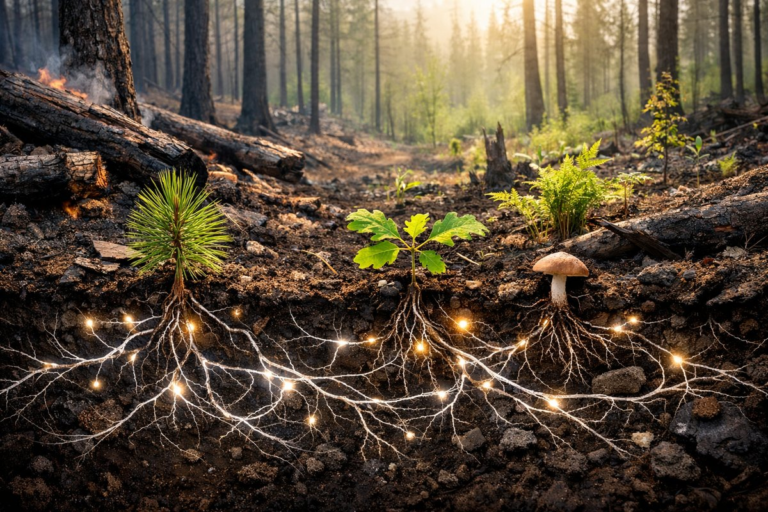
In the wake of recent wildfires, a hidden web of fungal threads is quietly knitting scorched woodlands back together. New research unveils how mycorrhizal networks shuttle nutrients, support seedling growth, and offer a roadmap for forest restoration amid climate challenges.

New analysis of satellite data uncovers how urban lightscapes redirect the nighttime journeys of insects, bats, and migratory birds. As researchers map "luminous corridors," cities weigh safety against biodiversity and invite citizens to monitor their own backyards.

As streetlights hum to life and parks settle into twilight, an unexpected workforce awakens across cityscapes. Recent research reveals that moths, beetles, and other night-fliers are quietly pollinating urban wildflowers and community gardens-if only we give them a chance.
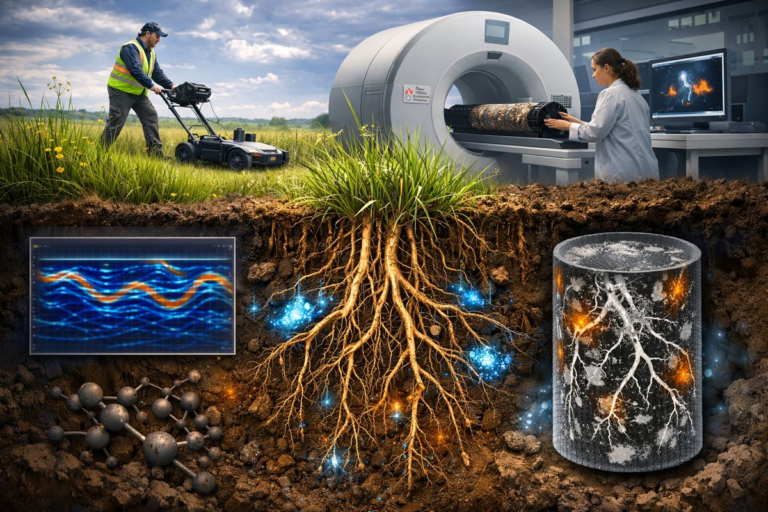
A groundbreaking combination of ground-penetrating radar and X-ray CT scanning is giving scientists an unprecedented view of grassland root networks and their role in carbon storage. This breakthrough could reshape restoration practices and climate models by revealing the hidden habits of soil carbon dynamics.
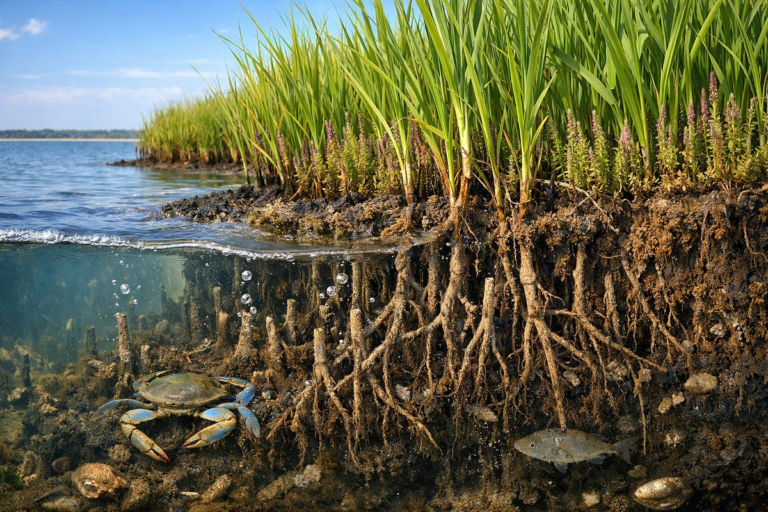
A new international study reveals that salt marsh vegetation uses oxygen‐releasing roots to forge natural seawalls, stabilizing sediment and boosting carbon storage. These 'breathing roots' could redefine coastal resilience strategies amid accelerating sea level rise.
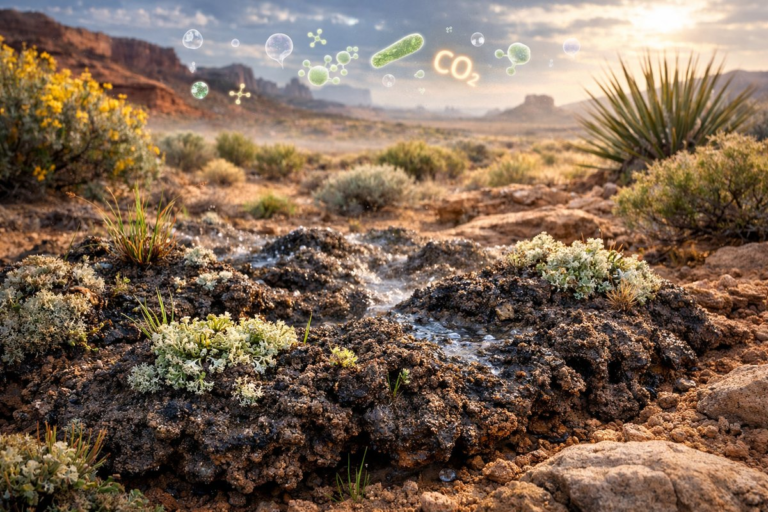
A groundbreaking study reveals that desert soils harbor diverse microbial communities-cryptobiotic crusts-that capture carbon, retain moisture and support fragile ecosystems. Researchers say these living blankets could reshape carbon budgets, guide restoration of degraded lands and call for urgent protection of desert landscapes.
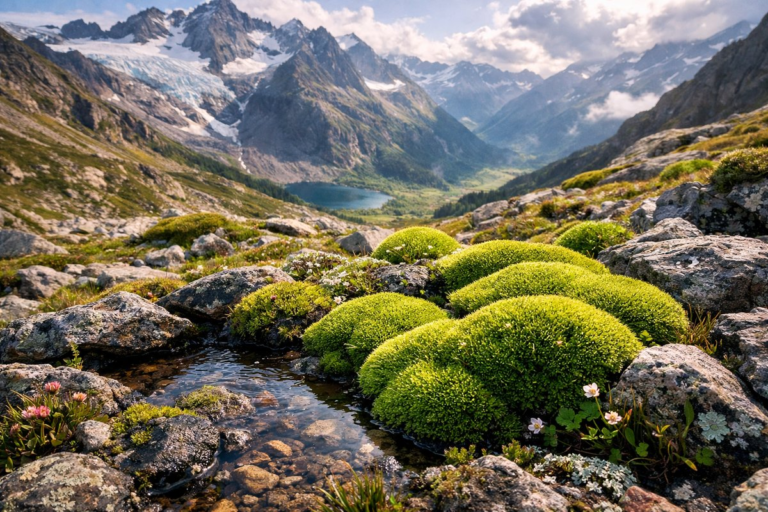
High on mountain slopes, tiny carpets of alpine moss are emerging as unsung champions of climate resilience. A new multicountry study reveals their vital roles in water regulation, carbon storage, and biodiversity support-offering fresh pathways for conservation and community-led restoration efforts.
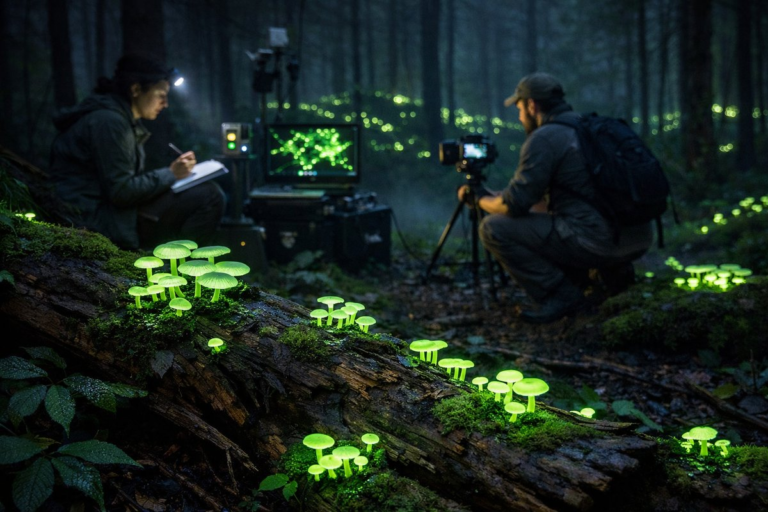
In a groundbreaking study, scientists have unveiled how bioluminescent fungi-nature's own living lanterns-are revealing hidden patterns of forest moisture, carbon cycling, and habitat connectivity. As low-light sensors and citizen scientists map these glowing networks, a new frontier in environmental monitoring emerges, blending wonder with rigorous data to guide conservation.

A wave of field trials across reclaimed farmland is revealing how biochar-charred plant remains-can boost soil resilience, lock away carbon and revitalize crop yields. As researchers fine-tune application methods and community groups launch small-scale kilns, this ancient practice is resurfacing as a modern climate tool.