Location
Mount Vernon, WA 98274

Location
Mount Vernon, WA 98274
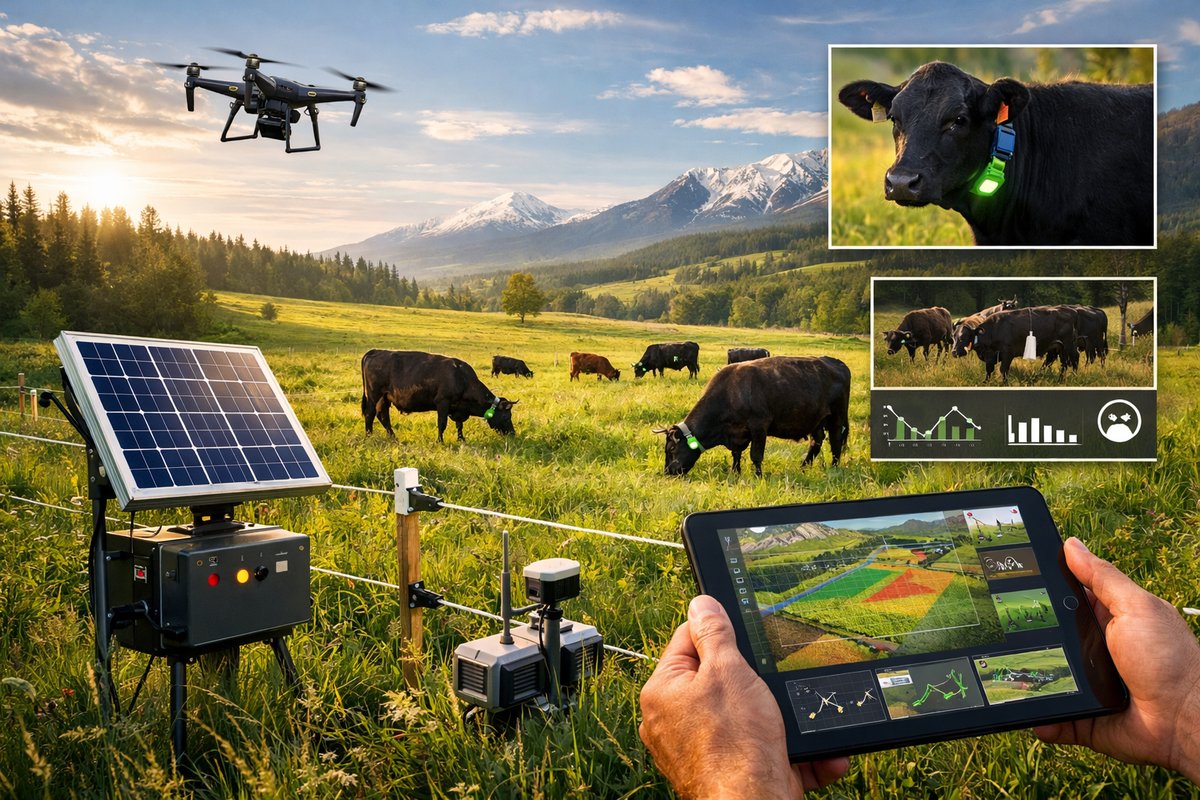
A coalition of family-run ranches in the Northwest has unveiled an integrated pilot program combining solar-powered fencing, drone-based pasture mapping, and sensor-driven livestock monitoring. Early data suggest significant gains in forage utilization, soil health, and operational resilience, paving the way for scalable regenerative grazing across diverse landscapes.
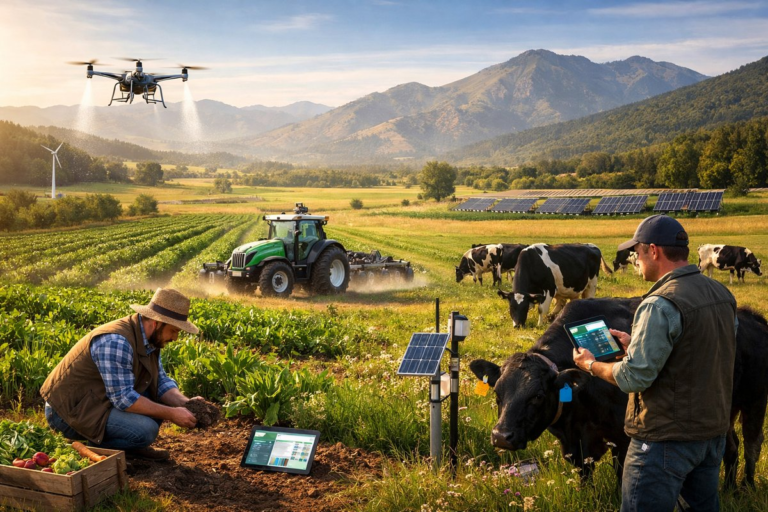
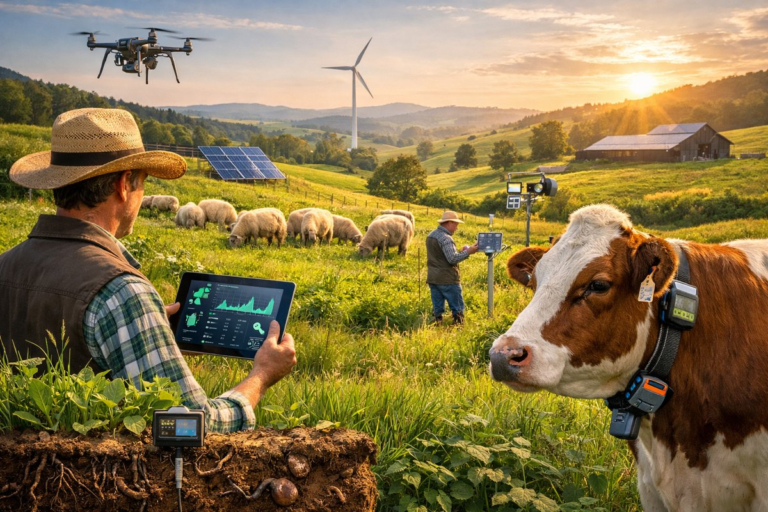
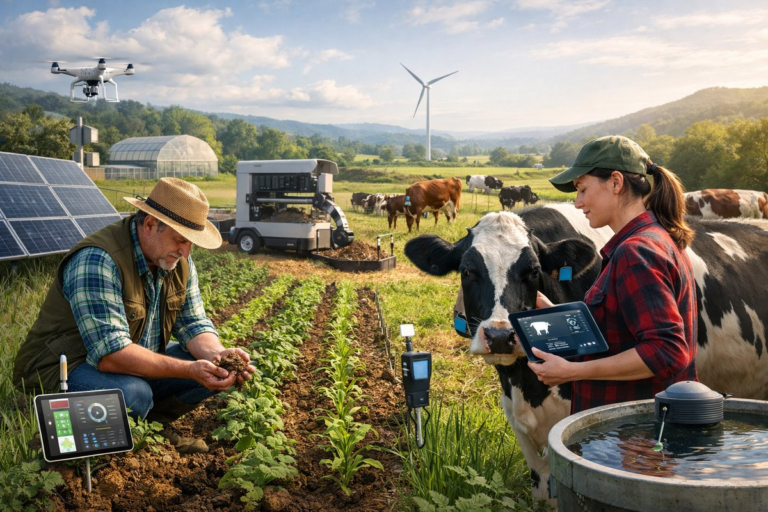
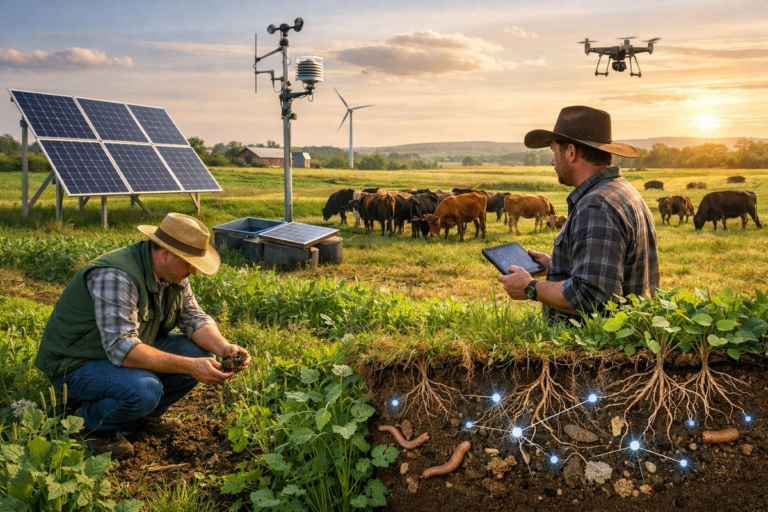
A new collaborative initiative known as the Horizon Pasture Network has emerged among a cluster of independent ranches in the Northwest, aiming to fuse cutting-edge technology with time-tested grazing principles. Spearheaded by a regional agricultural alliance, the program equips participating ranches with solar-electric mobile fencing, soil moisture sensors, drone-mounted imaging systems, and electronic livestock ear-tag readers. Through a cloud-based dashboard, ranch managers can visualize pasture conditions, track herd movements, and adjust stocking densities in real time, all while fostering healthier soils and more resilient grasslands.
The impetus behind the Horizon Pasture Network stemmed from a shared desire to enhance operational efficiency without compromising ecosystem integrity. Ranch directors cite chronic drought fluctuations and rising feed prices as driving forces, pushing them to reconsider fixed paddocks and conventional feedlot models. By adopting adaptive rotational grazing supported by wireless monitoring tools, they hope to reduce supplemental feeding costs, restore native plant communities, and capture carbon through deeper root systems.
At the heart of the pilot are portable solar-powered electric fence kits that can be set up and moved within minutes. Ranch hands carry lightweight reels of polywire and high-voltage energizers that run entirely on sun-charged batteries. According to one ranch manager, “We can enclose a fresh grazing strip in under ten minutes, even on rough terrain. There’s no digging posts, no hauling heavy materials-just plug in the energizer, unspool the wire, and you’re ready to go.” This agility allows herds to graze plants down to optimal heights and then rest pasture sections for regrowth, a practice proven to enhance soil nitrogen retention and microbial activity.
In parallel, soil moisture sensors placed at varying depths offer continuous readings on water availability. Data transmitted via low-power wide-area networking ensures that ranch managers receive alerts when specific paddocks approach stress thresholds. “Knowing exactly when and where the ground is too dry means we can shift animals before plants shut down, protecting root health and preventing overgrazing,” explains another participant. Early pilot figures show an average 25 percent improvement in soil moisture retention across grazed areas compared with control plots.
Drone flights complement ground sensors by generating high-resolution normalized difference vegetation index (NDVI) maps. These color-coded visuals highlight areas of vigorous growth versus zones needing rest. Using automated flight plans, ranch teams collect imagery weekly and upload it to the network’s central platform. The resulting pasture health overlays are then cross-referenced with stocking records and sensor metrics, enabling data-driven grazing decisions rather than estimates or visual inspections alone.
Livestock health monitoring is handled through electronic ear tags linked to handheld readers. When an animal passes by a portable scanning station-often placed near water troughs-its unique identifier is logged along with temperature and movement patterns. Atypical readings trigger notifications through a mobile app, prompting timely checks for illness or injury. Ranch participants report a 40 percent reduction in labor hours spent on manual animal checks, with early detection of respiratory and digestive issues contributing to lower veterinary costs.
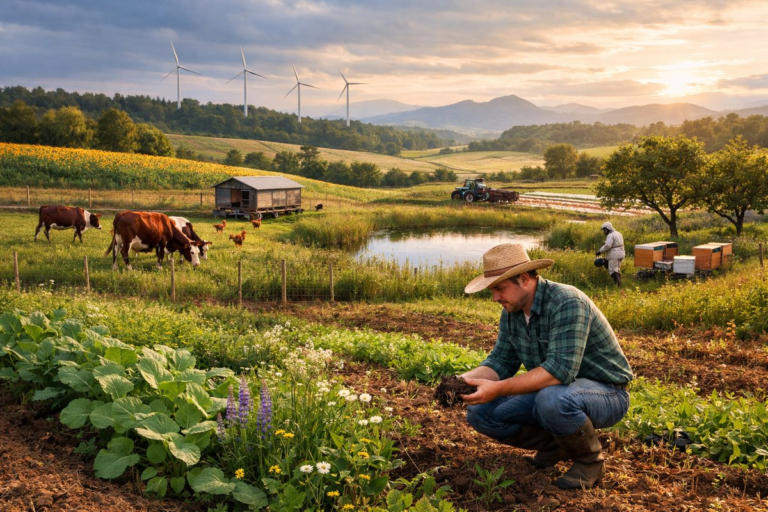
Beyond immediate operational gains, the Horizon Pasture Network emphasizes environmental stewardship. Fenced rotational sections allow plant communities to recover fully, increasing root biomass and encouraging deeper carbon sequestration. Bird counts, insect surveys, and soil core analyses are conducted quarterly to gauge biodiversity improvements. Initial surveys reveal a 30 percent uptick in ground-nesting bird activity and a 15 percent increase in beneficial insect populations like pollinators and predatory beetles.
Local agricultural extension officers provide training on sustainable grazing principles and equipment setup. Weekly virtual workshops cover topics ranging from pasture species identification to interpreting sensor data trends. Participants praise the peer-learning environment: “We gather around the same webcam to troubleshoot a broken sensor or compare rotation schedules. It feels like a digital barn raising.” This sense of community also extends to a shared database where ranchers input cost-and-benefit figures, fostering transparency around equipment expenses, labor savings, and ecosystem service gains.
Funding for the pilot is drawn from a mix of rural innovation grants and private investment focused on carbon offset markets. Ranchers enrolled in state-approved carbon credit programs can monetize additional soil carbon beyond baseline thresholds. Early estimates suggest that curtain-time monitoring, paired with regenerative practices, could generate enough credits to cover roughly 20 percent of annual fencing and sensor costs.
While rural broadband remains a hurdle in more remote canyons, low-power wide-area network solutions are closing connectivity gaps. Some ranchers rely on dedicated radio links between sensor gateways and local hub stations, while others piggyback on cellular boosters co-funded by county infrastructure programs. This hybrid connectivity approach ensures near-real-time data flow without resorting to expensive satellite plans.
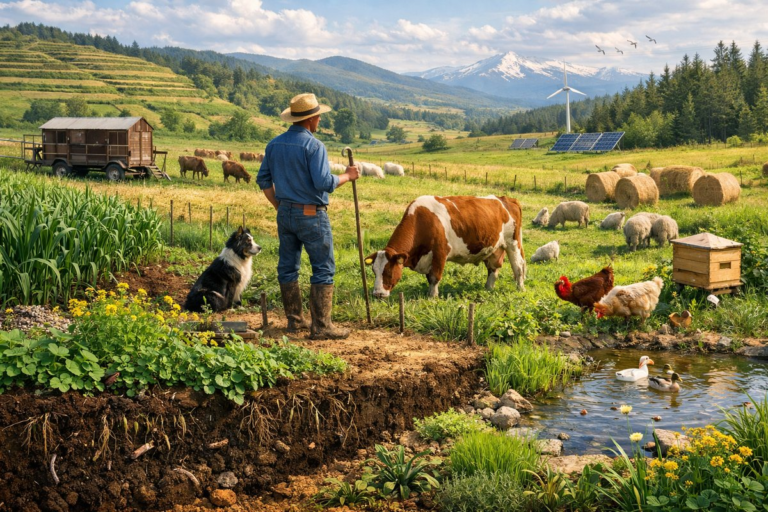
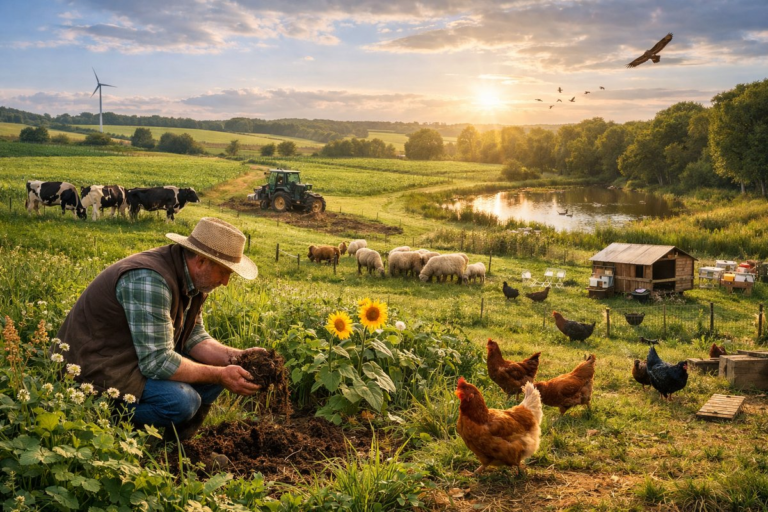
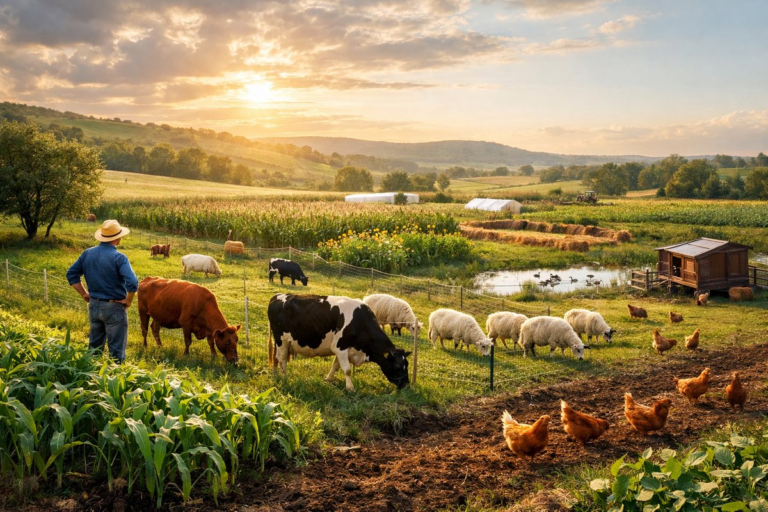
Looking ahead, the Horizon Pasture Network plans to expand beyond beef cattle. Sheep, goats, and even heritage hogs are slated for inclusion in integrated multi-species grazing trials next season. Polyculture grazing can help manage invasive weeds, distribute manure nutrients more evenly, and reduce parasite loads. Organizers are also exploring the addition of drip-irrigated cover crop plots within rest paddocks to further enrich soil structure and diversify forage options during dry spells.
Some ranchers are eyeing potential synergies with neighboring crop farms by supplying nutrient-rich manure for organic vegetable beds. Crop farmers, in turn, would share machinery or offer grain blends for supplementary feed during livestock drought months. These inter-sector partnerships echo circular-economy principles, minimizing waste and amplifying local food systems.
Notably, the network’s open-source software remains vendor-agnostic, allowing participating ranches to integrate alternative sensor brands or accommodate specific grazing layouts. A public code repository invites external developers to contribute modules-such as machine-learning algorithms for predictive grazing schedules or interfaces with regional weather station APIs. This modularity reduces vendor lock-in and encourages continuous innovation from the wider agricultural tech community.
As the pilot approaches its first full grazing cycle, initial performance indicators are promising. Participating ranches have collectively reduced off-farm supplemental feed purchases by 18 percent and improved average daily weight gains in cattle by 10 percent. Better yet, soil core measurements reveal measurable carbon accrual gains-setting a new benchmark for pasture-based livestock production in the region.
With growing pressure on global food systems to reduce greenhouse gas footprints, the Horizon Pasture Network stands as a living laboratory in regenerative livestock management. By marrying renewable energy, precision sensors, drone analytics, and community-driven knowledge exchange, this coalition of Northwest ranchers is charting a replicable path toward more resilient, nutrient-rich grasslands, healthier herds, and balanced farm economics.