Location
Mount Vernon, WA 98274

Location
Mount Vernon, WA 98274
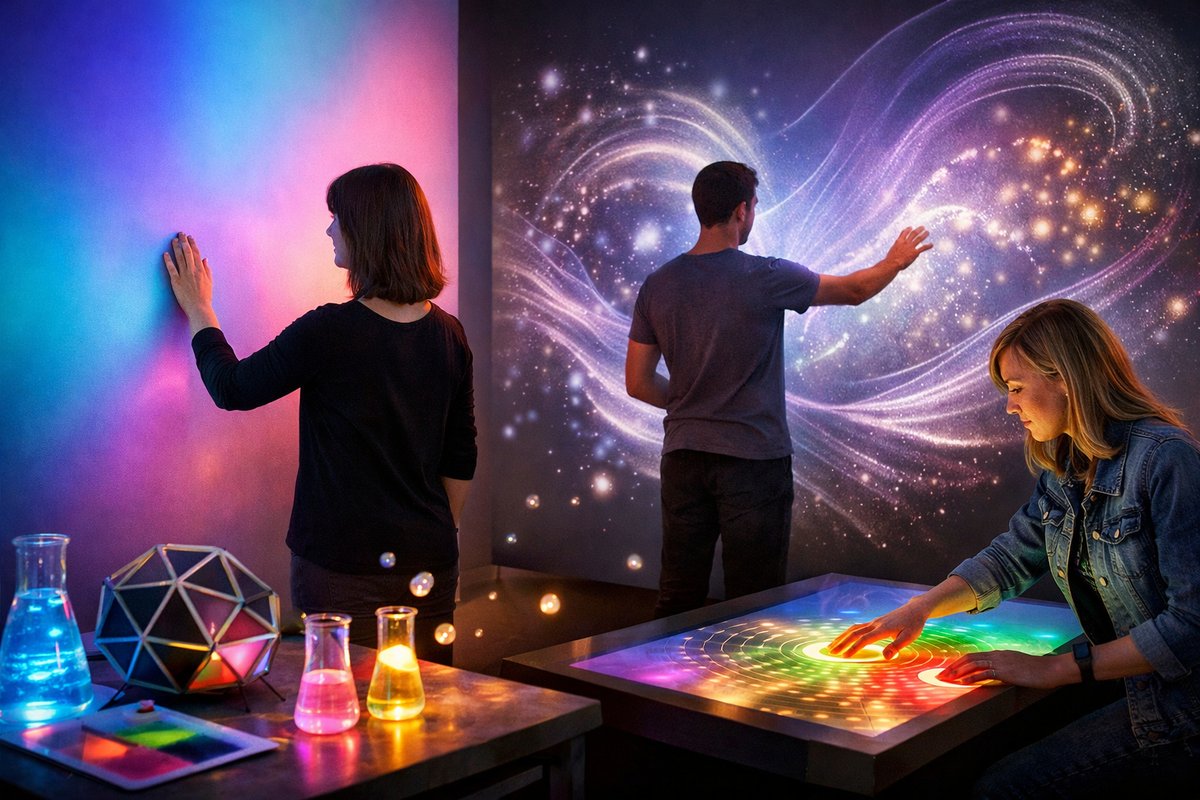
From color-shifting walls to gesture-driven murals, a new wave of artists and designers is fusing chemistry, code, and sensory feedback to create living artworks. These responsive projects invite viewers to participate, transforming static displays into evolving collaborations between human intention and material intelligence.
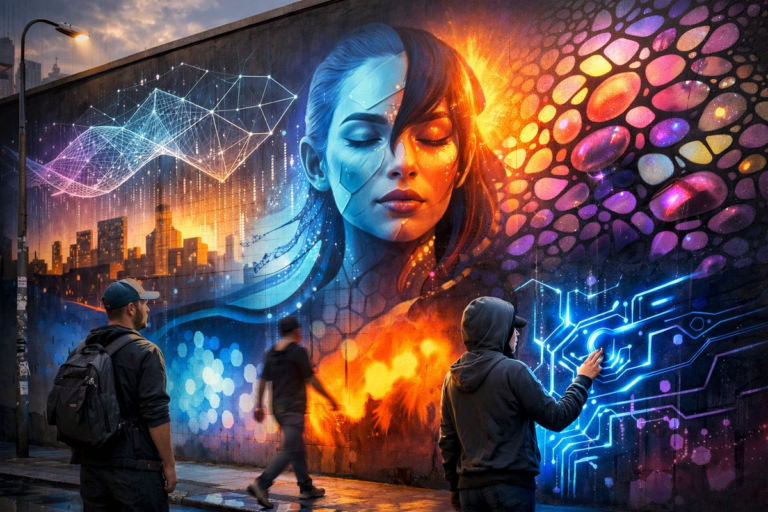
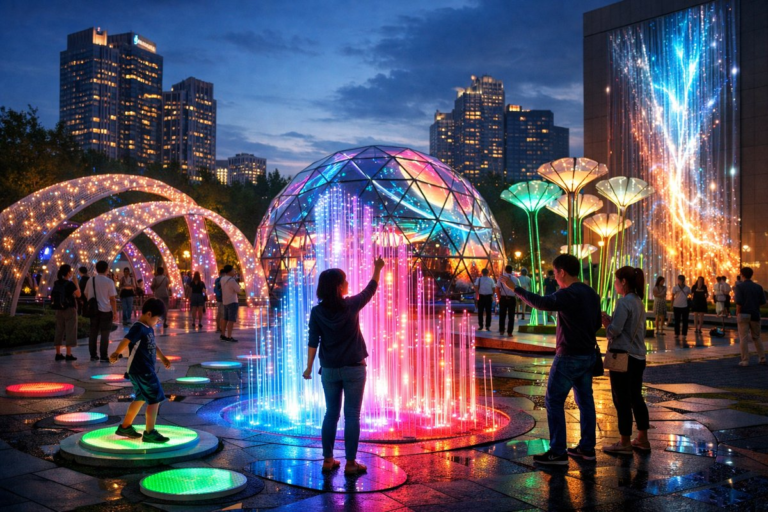
In a dimly lit warehouse, walls come alive with hues that only appear when touched. A panel shifts from pale gray to vibrant cerulean beneath the swipe of a hand. Across town, a public plaza hums with subtle vibrations as pedestrians pass sensors embedded beneath paving stones. Dust particles suspended in the air settle onto floating filaments of light, forming ephemeral shapes that vanish as quickly as they emerged. These are not scenes from a science fiction film-they are emblematic of a broader movement in art and design, one that dissolves the boundaries between medium and audience, chemistry and code.
Artists have long experimented with the properties of paint, clay, fiber, and glass. Today, that legacy is being rewritten through responsive materials-pigments that change color under different wavelengths, polymers that stiffen or soften with electricity, and photoactive surfaces that record and replay patterns of human touch. Meanwhile, interactive media platforms powered by custom microcontrollers, gesture-tracking cameras, and projection mapping software invite audiences to become co-creators rather than passive observers. Together, these advances point toward a future where every surface can be a canvas, every step a brushstroke.
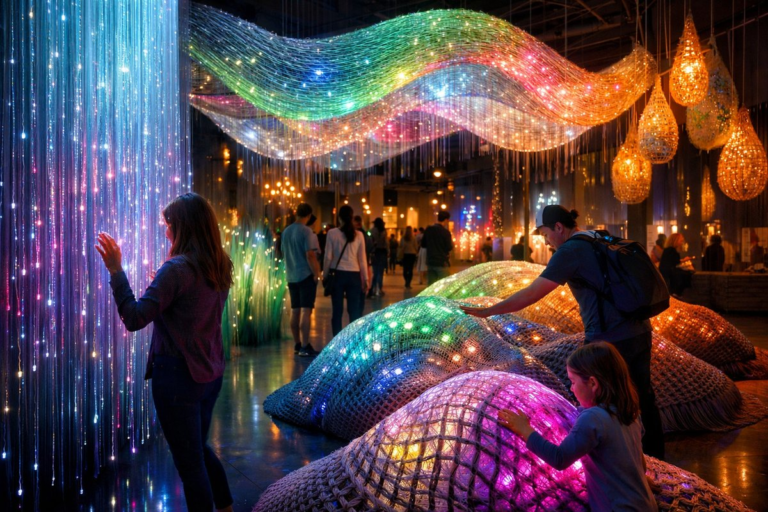
In the heart of this evolution lies an interdisciplinary ethos: chemists, coders, and craftsmen collaborating to unlock new expressive possibilities. Designers source photochromic powders-microscopic crystals that absorb ultraviolet light and shift their chemical bonds-blending them into architectural coatings that appear dormant in indoor light yet burst into dramatic color at midday. Elsewhere, artists weave conductive threads into tapestries, linking pockets of integrated LEDs that pulse according to ambient noise levels. A whispered conversation triggers a soft glow; the rumble of a passing bus sets the whole piece shimmering.
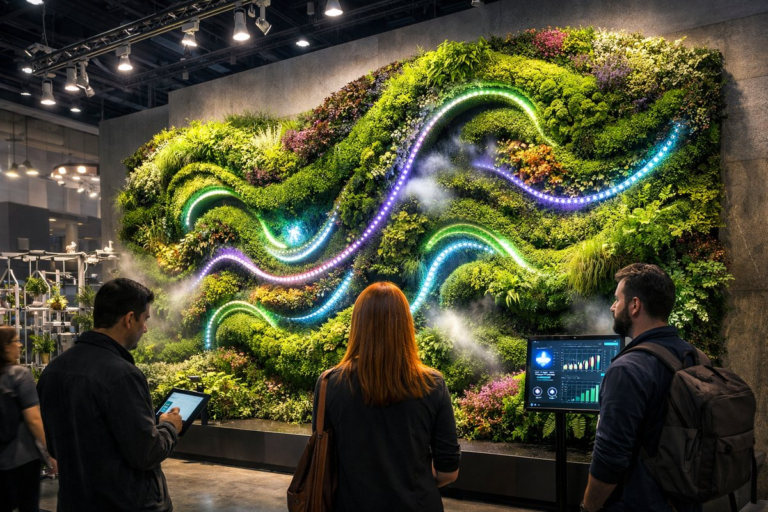
Perhaps the most ambitious experiments pair kinetic installations with real-time data feeds. In one exhibit, a cluster of hanging glass orbs is connected to an air-quality sensor network patrolling the city. As particulate levels climb, fans embedded within each orb begin to spin, altering their positions like a constellation in flux. The installation acts as a living indicator of environmental health, marrying aesthetic wonder with a tangible social commentary. Visitors can access an accompanying mobile app to see the data driving the movement, deepening their engagement with both art and the pressing issue of urban pollution.
This fusion of interactive media and responsive materials extends to wearable design, too. Fashion collectives are integrating thermochromic inks into garments that change hue with body heat, producing dynamic patterns that map emotions and moods. A T-shirt might bloom in pastel pink when the wearer enters a warm space, then fade to slate gray in cooler conditions. Embedded near-field communication tags adjust lighting conditions in smart homes, allowing outfits and interior environments to harmonize seamlessly.
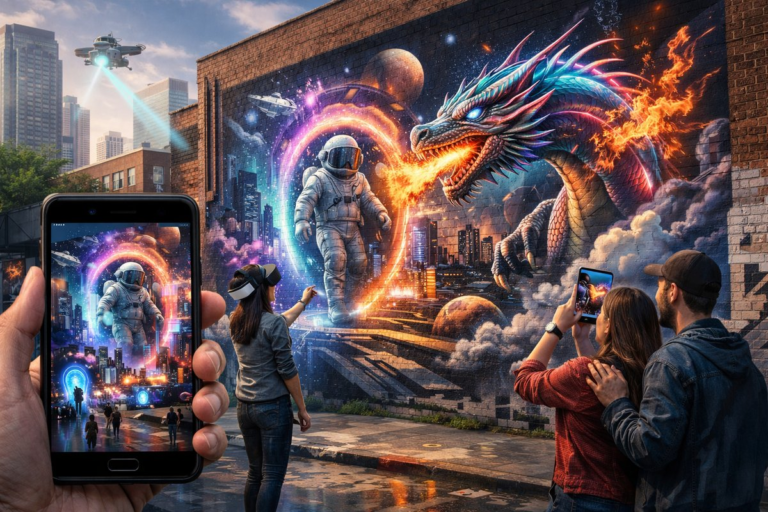
Underpinning these innovations are open-source hardware platforms that have democratized access to sensors and microcontrollers. A hobbyist can now purchase a gesture-recognition board, hook it up to a projector, and code a simple script that casts animated flourishes over any blank wall. Projection mapping software, once confined to large-budget productions, is now free or low-cost, allowing independent designers to craft immersive street-scale experiences on a shoestring. A festival in a coastal town recently saw dozens of murals spring to life at night, each responding to the collective heartbeats of onlookers measured via wristband sensors. The result was a communal artwork that pulsed, shimmered, and reconfigured itself in sync with the crowd.
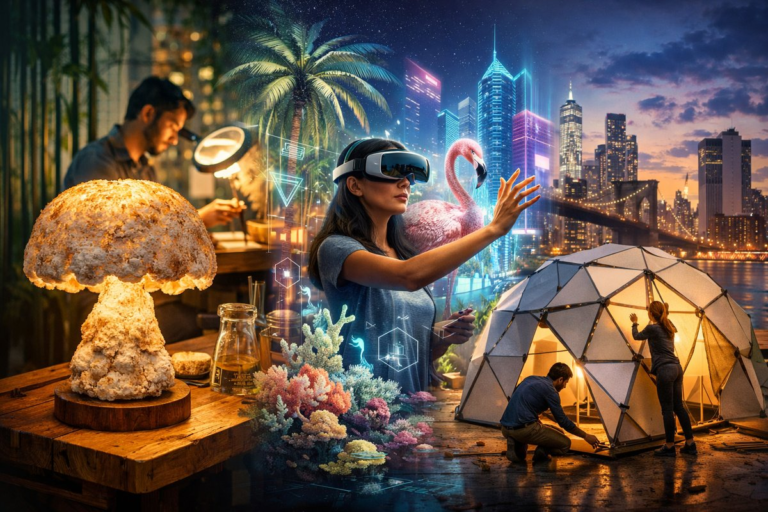
While the technological tools are powerful, many creators emphasize philosophy alongside engineering. They draw on phenomenology, questioning how perception shapes reality, or on deep ecology, exploring the relationship between human-made artifacts and natural systems. Workshops hosted by museums and community centers encourage participants to harvest local materials-pigments from native plants, fibers from discarded textiles-and combine them with digital sensors. The goal is not merely novelty but a sustainable practice that respects regional heritage and minimizes waste.
One collective recently partnered with a coastal fishing village to develop a coral-safe luminescent paint derived from bioluminescent algae. When applied to concrete pylons, the coating provides a ghostly underwater glow, aiding nocturnal species without harming local ecosystems. The project highlights the potential for responsive materials to address environmental challenges while celebrating the poetic dimensions of light and color.
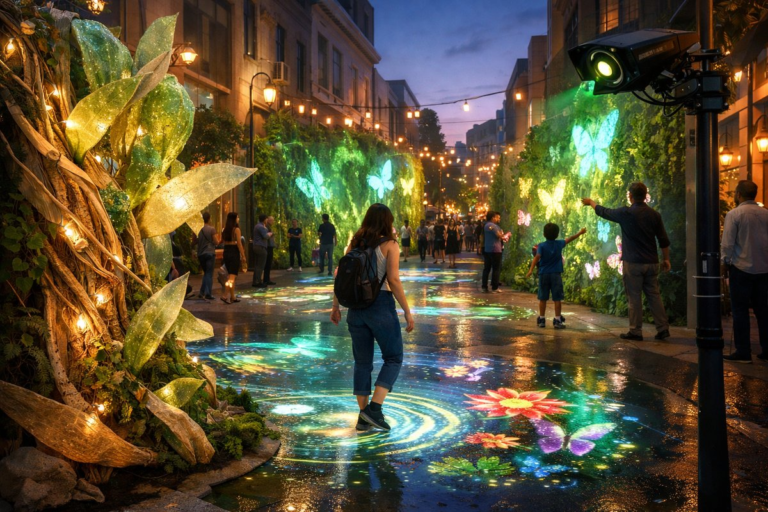
However, the integration of interactive media into public spaces raises questions about privacy, data ownership, and digital fatigue. Sensors that track movement or heart rate often collect sensitive information. Without transparent policies, such installations can blur the line between art and surveillance. Ethical practitioners advocate for on-device processing-data used solely to drive the artwork and erased immediately afterward-instead of routing streams to cloud servers. They also implement clear signage and opt-in mechanisms, ensuring participants understand what data is collected and how it’s used.
Despite these concerns, the appetite for responsive art shows no sign of slowing. Museums dedicated to new media are expanding, while design firms pitch interactive facades to commercial clients eager to captivate audiences. Multisensory retail spaces integrate scent diffusers triggered by smartphone proximity, color-shifting window displays that react to traffic flow, and digital price tags that morph into art pieces when no longer needed. The line between advertisement and artwork blurs as brands lean into experiential storytelling.
Yet for many creators, the real allure lies outside commercial corridors-in abandoned warehouses, rooftops, and parks where experimentation faces fewer constraints. Underground collectives stage nocturnal “light plays,” welding mirrors onto bicycles that cast kaleidoscopic patterns across hidden tunnels. Dance troupes collaborate with projection artists to transform moving bodies into living canvases, layering fractal animations onto limbs in real time. The ephemeral nature of these events fosters a sense of discovery and shared wonder that resonates with participants long after the glow fades.
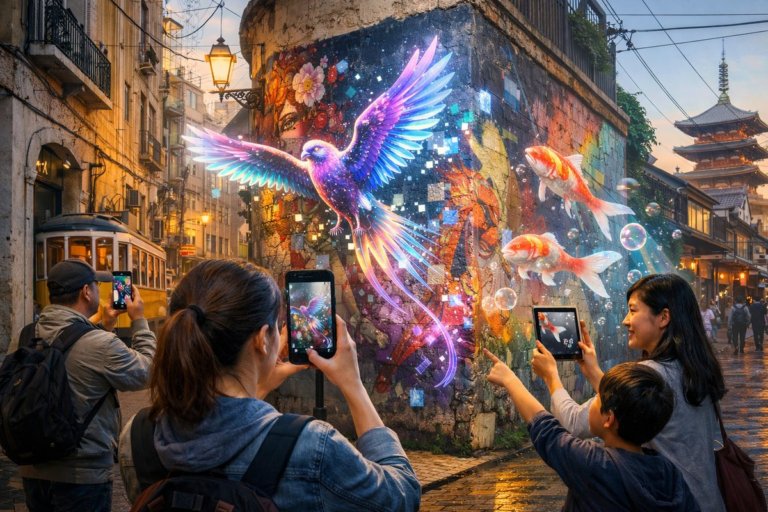
As we look ahead, several trends promise to shape the next chapter of visual expression. Advances in stretchable electronics could yield murals that flex and breathe with temperature shifts. Artificial intelligence may suggest evolving color palettes based on real-time social media sentiment. Advances in biodegradable polymers might allow installations to gracefully decompose after a few months, returning nutrients to the ground. And the proliferation of lightweight AR headsets could overlay invisible art onto ordinary streets, accessible only through a personal viewport.
Ultimately, the marriage of responsive materials and interactive media points to a more participatory culture of art and design-one in which audiences are invited to leave tangible traces of their passage. No longer confined to passive observation, we step into roles as authors, collaborators, and stewards of living artworks. In this brave new world, every touch, every breath, every ripple of data can become a pigment in a co-created masterpiece that thrives at the intersection of science, sustainability, and human curiosity.