Location
Mount Vernon, WA 98274

Location
Mount Vernon, WA 98274
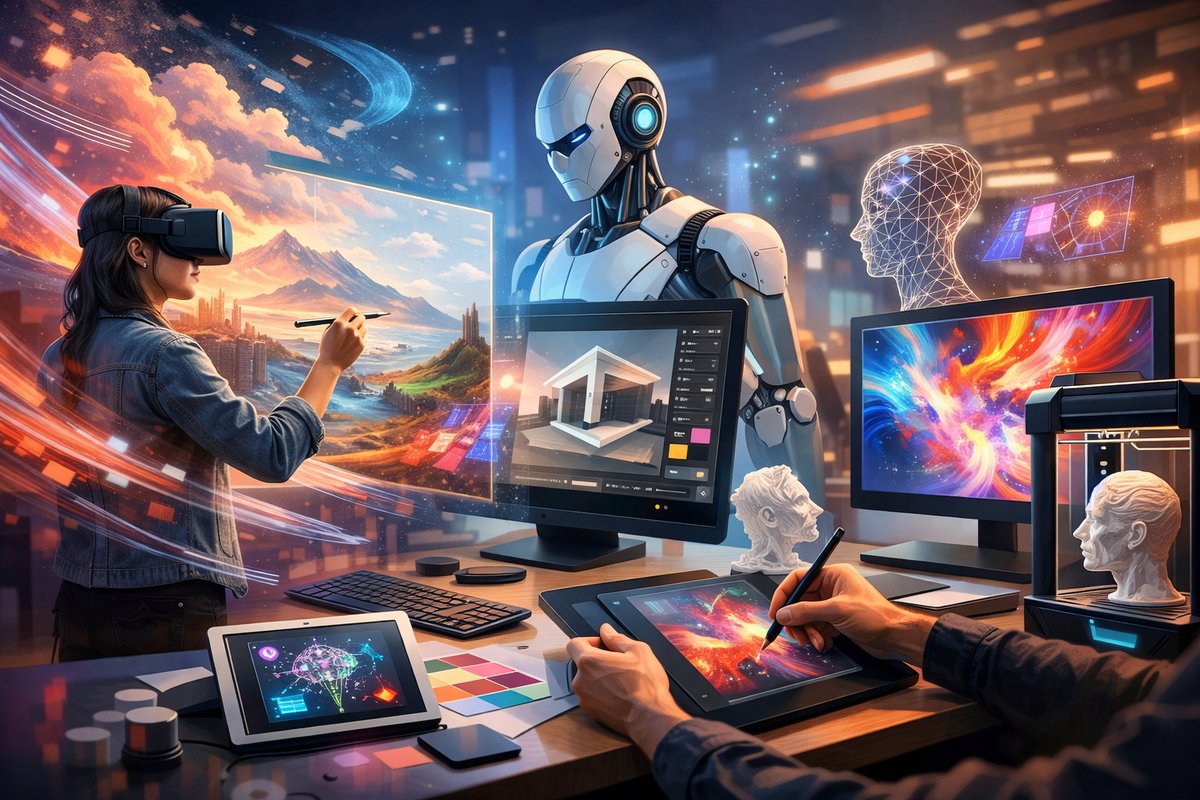
The intersection of technology and creativity is transforming art and design, ushering in new methods of expression and collaboration. From immersive digital canvases to AI-assisted design workflows, artists and designers are exploring novel tools that challenge traditional boundaries.
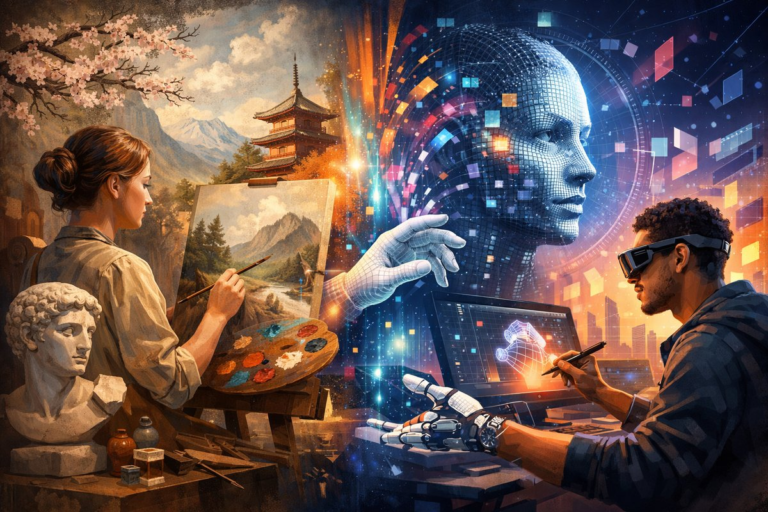
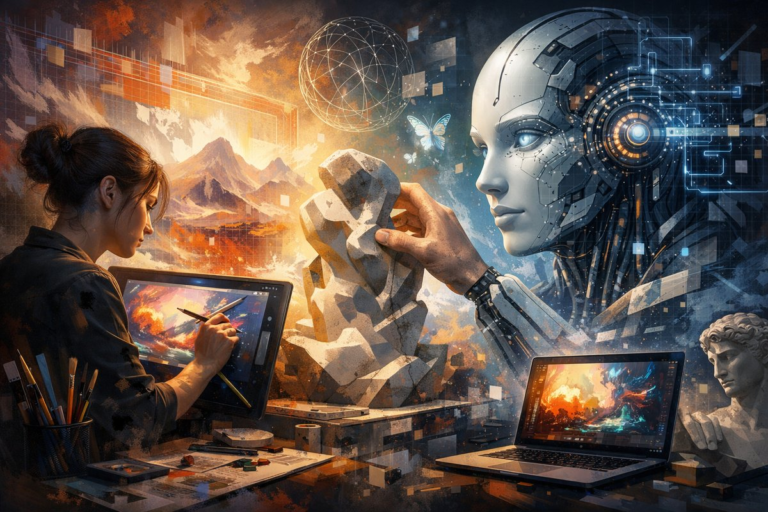
In recent years, the art and design worlds have witnessed a significant evolution propelled by digital technology. What was once confined to paintbrushes, canvases, and sketchpads now expands into virtual spaces and algorithmically generated forms. This transformation is not merely about convenience or speed; it reflects a deeper shift in how creativity is conceived, executed, and shared.
One of the most compelling developments is the rise of digital art platforms that allow artists to create with unprecedented flexibility. Software applications offer layered editing, infinite undo options, and a palette that extends beyond the physical spectrum of pigments. This technological integration enables artists to experiment freely, blending traditional techniques with digital augmentation.
Moreover, the accessibility of digital tools is democratizing art creation. Emerging artists from diverse backgrounds can leverage affordable tablets, styluses, and software to bring their visions to life without the need for expensive studio setups or materials. This inclusivity fosters a richer, more varied global artistic dialogue.
On the design front, artificial intelligence and machine learning algorithms are becoming collaborators rather than mere tools. Designers now use AI to generate multiple iterations of a concept rapidly, analyze user interaction data, and optimize aesthetics and functionality simultaneously. This synergy accelerates innovation cycles and opens pathways to solutions that might have been unimaginable through human intuition alone.
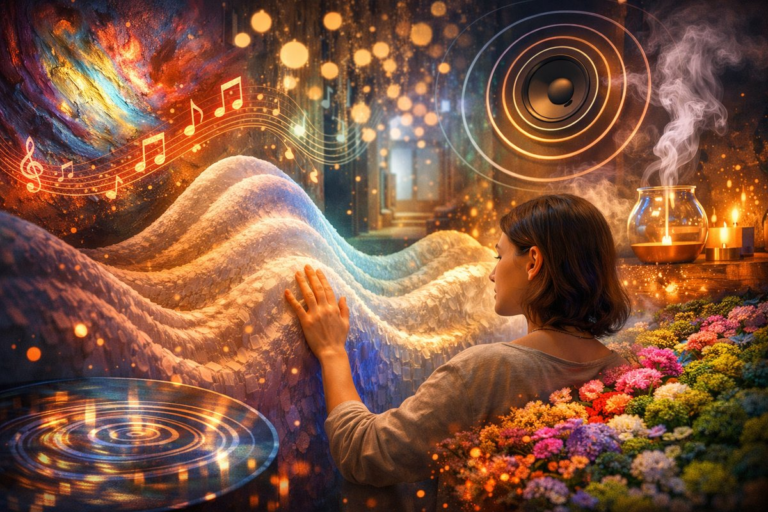
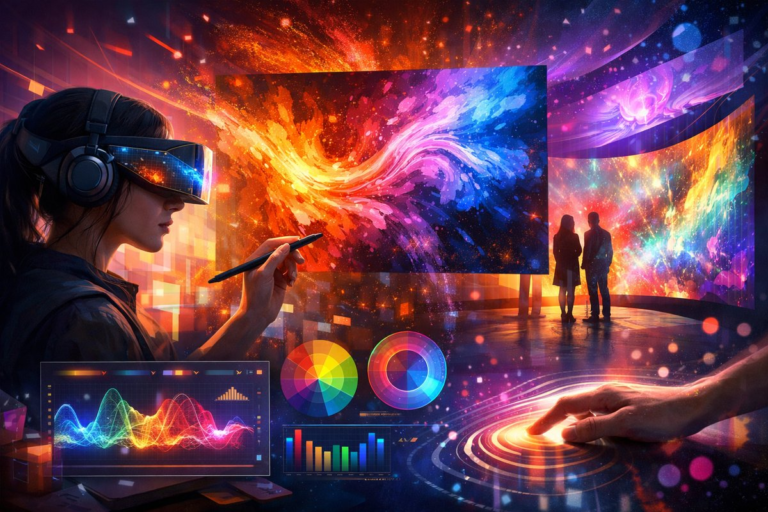
Virtual and augmented reality technologies are also expanding the canvas beyond the physical world. Designers and artists create immersive environments where users can engage interactively with artworks or spatial designs. These experiences challenge traditional notions of viewer passivity and invite a multisensory appreciation of creative output.
Despite these exciting advancements, the essence of art remains rooted in emotional expression and human connection. The tools enhance but do not replace the artist’s vision and intent. Ethical considerations around authorship, authenticity, and privacy continue to shape the discourse as technology and creativity intertwine more closely.
In educational settings, digital art and design programs integrate these technologies to prepare the next generation of creators for a hybrid creative landscape. Students learn both foundational skills and digital fluency, fostering adaptability and curiosity. This balanced approach nurtures not only technical proficiency but also critical thinking and emotional intelligence, essential for meaningful artistic work.
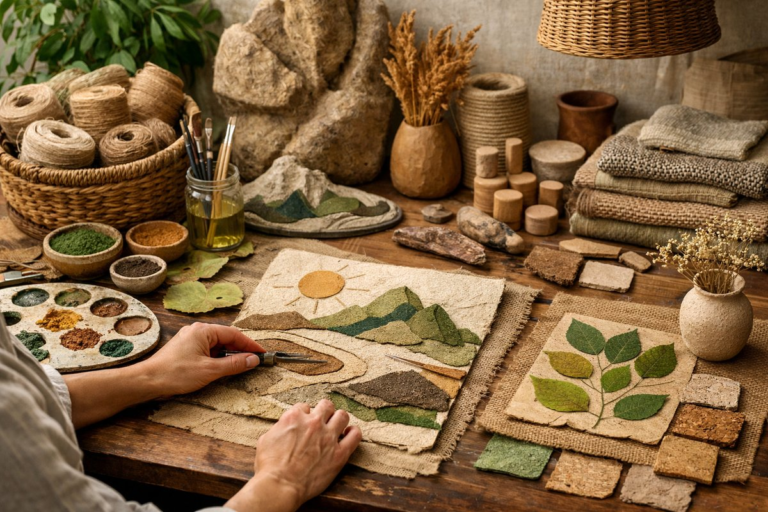
The sustainability aspect is another crucial factor driving innovation. Digital mediums reduce the need for physical materials, lowering waste and environmental impact. However, awareness around the energy consumption of digital devices and data centers prompts ongoing reflection and responsibility among artists and designers.
Collaborative online platforms further redefine how creative projects evolve. Artists and designers from different corners of the world can co-create in real-time, sharing feedback and ideas seamlessly. This interconnectedness enriches artistic processes and amplifies diverse cultural influences.
Looking ahead, the fusion of creativity and technology promises continuous transformation. Emerging trends such as blockchain for digital art provenance and AI-generated personalized experiences hint at new frontiers. As tools evolve, so do the philosophies that underpin artistic practice, prompting creators and audiences alike to reconsider what art and design mean in a digital age.
Ultimately, this convergence celebrates curiosity and innovation while respecting the fundamental human desire to create and connect. The future of art and design will likely be an ever-expanding mosaic of tradition and technology, where every stroke-digital or physical-carries the imprint of thoughtful expression.